





 Português
  Inglês
  Espanhol
  4 min de leitura
  0 comentários


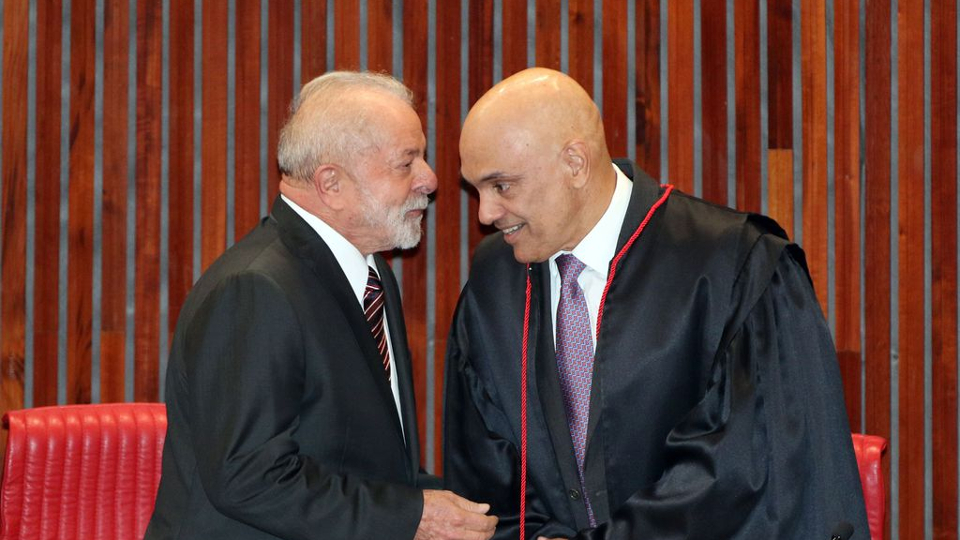
Lula Faces Challenges In Congress And Turns To The STF To Sustain His Government. With Difficulties In Articulating The Parliamentary Base, He Bets On Social Programs And Prepares A Ministerial Reform For 2025. The Relationship With The Judiciary Is Strategic, But Generates Political Tensions. The Future Of The President And His Legacy Are At Stake.
At the center of a political game that combines challenges and survival strategies, Luiz Inácio Lula da Silva faces one of the most complex scenarios of his long political career.
With difficulty in establishing solid alliances in the National Congress, the president turns to the Supreme Federal Court (STF) in search of support to sustain his administration and pave the way for the 2026 elections.
This movement reveals an atypical dynamic: the dependence of an Executive on the Judiciary, to the detriment of the historical articulation with the Legislative. What explains such a drastic change?
-
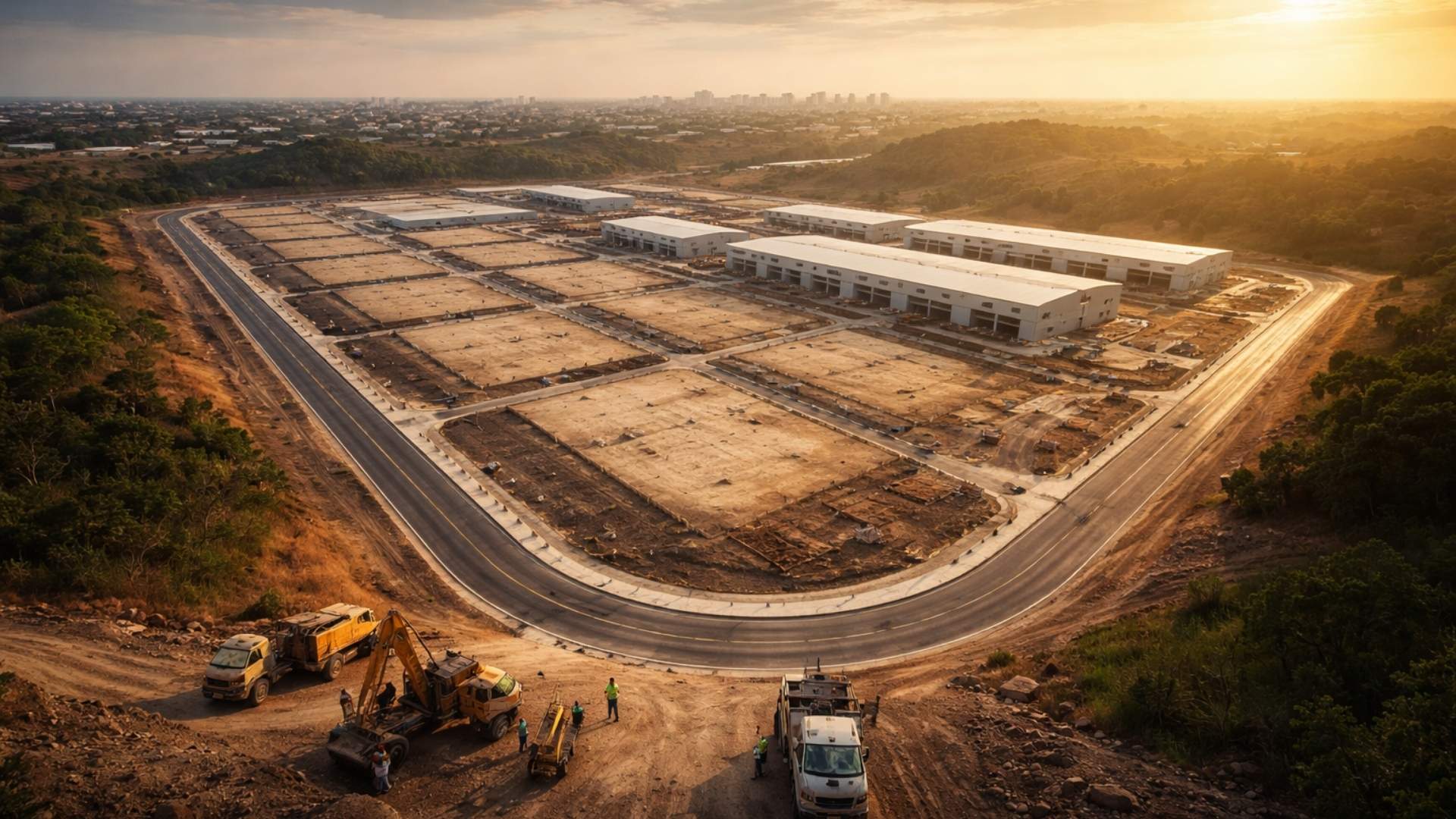
Brazilian city gains industrial hub for 85 companies that is equivalent to 55 football fields.

-
Peugeot and Citroën factory in Argentina cuts production by half and opens a layoff program for more than 2,000 employees after Brazil drastically reduced purchases of Argentine vehicles.

-
A Brazilian city gains a factory worth R$ 300 million with the capacity to process 200 thousand tons of wheat per year, a mill of 660 tons/day, silos for 42 thousand tons, and an industrial area of 276 thousand m².

-
Havan will leave the shopping mall in Blumenau to inaugurate something that the chain has never done before: a megastore in half-timbered style in the Historic Center of the city, which is expected to be completed in May and change the landscape of local retail.


Difficulties In Congress And The Search For Alliances In The STF
Upon reaching the halfway point of his third term, Lula faces a reality different from that of his early years as president.
In Congress, center-right and right forces dominate, reflecting an arrangement inherited from Jair Bolsonaro’s government.
This scenario grants parliamentarians unprecedented power over the Budget: BRL 50 billion in 2024 is earmarked for parliamentary amendments. Lula, however, struggles to mobilize this legislative base to advance priority projects.
According to O Globo newspaper, in an article published this Sunday (05), without viable alternatives in Congress, the president has tightened ties with the STF.
Ministers such as Alexandre de Moraes, Gilmar Mendes, Flávio Dino, and Cristiano Zanin – the latter two appointed by him – have shown alignment on important issues for the government.
An example of this was the STF’s support for suspending parliamentary amendments due to lack of transparency and the regulation of content published on social media.
Strategies To Boost Popularity
Without the same political capital from his earlier terms, Lula bets on already launched programs to consolidate his administration.
Initiatives such as “Pé-de-Meia”, which offers financial aid to students, and “Desenrola”, which provides debt forgiveness, are seen as potential hallmarks of his government.
In addition, increasing the tax exemption threshold for Income Tax to up to BRL 5,000 emerges as a measure of tax justice and an attempt to alleviate criticism from the financial market.
According to data from the Datafolha survey from December 2024, Lula maintains a 35% approval rating as being excellent or good, a figure far from the 45% recorded in the first half of his first term.
This number reflects a more critical electorate and a government still seeking to find its mark.
The Relationship Between Executive And Judiciary
Lula’s history with the STF is marked by ups and downs.
During his first two terms, the relationship was tumultuous due to investigations into the mensalão scandal, which put former ministers like José Dirceu and Luiz Gushiken at the center of the allegations.
Now, the dynamic is different: frequent meetings and dinners with ministers highlight an unprecedented closeness.
Despite STF support, there are criticisms within the government regarding the actions of Flávio Dino, seen by some as excessively prominent.
This proximity also generates tensions in Congress, where parliamentarians criticize the “option to govern with the Judiciary.”
In December, for example, the suspension of amendments generated frictions that nearly compromised the progress of the fiscal adjustment package proposed by the Ministry of Finance.
Ministerial Reform As A Solution?
To reduce tensions and expand the support base, Lula is preparing a ministerial reform in the first months of 2025.
The possibility of including a representative from Centrão in political articulation, replacing Alexandre Padilha, is seen as a strategic change. However, so far, key positions remain under the control of the Workers’ Party.
Internally, the government faces disputes between ministers such as Fernando Haddad, from Finance, and Rui Costa, from the Civil House.
While Haddad advocates for spending cuts, Costa prioritizes accelerating PAC works. These divergences illustrate the challenges of a government trying to balance fiscal austerity and social policies.
Political Legacy At Stake
At 79 years old, Lula avoids confirming whether he will run for a new term.
After a recent surgery to drain a clot from his head, the president has shown signs that he is considering stepping back from the electoral scene. However, within the PT, there is no consensus on a name to succeed him.
Polls indicate that Lula continues to lead second-round scenarios for 2026.
Still, allies warn that internal disputes could deplete the president’s electoral capital, putting at risk the “legacy of votes” that he still represents.
Conclusion: The Political Future Of Lula
Amid internal disputes and external strategies, Lula heads into the last two years of his third term with the challenge of consolidating his administration and ensuring a political legacy.
The relationship with the STF and the negotiations in Congress will be decisive in this process.
Do you believe that Lula’s strategy of getting closer to the STF can strengthen his administration or further weaken his relationship with Congress? Share your opinion in the comments!








Seja o primeiro a reagir!