





 Portuguese
  English
  Spanish
  5 min of reading
  17 comments


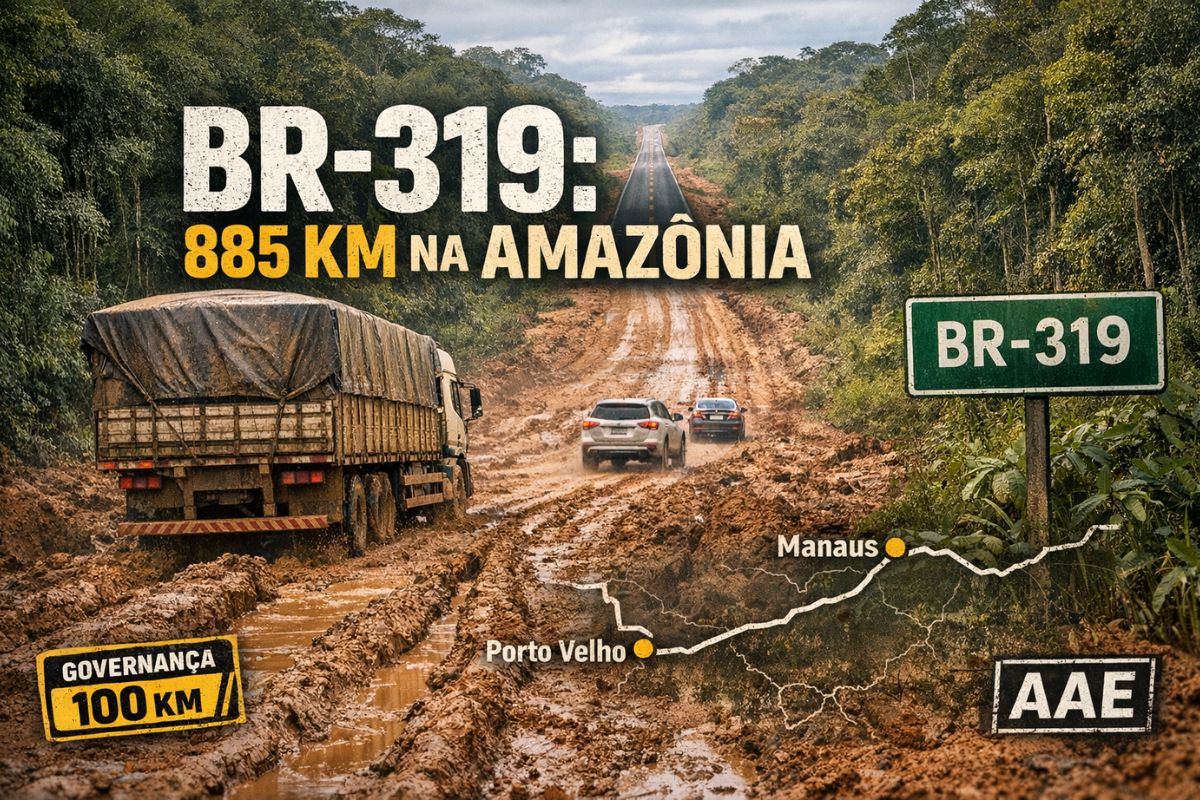


With the Plan to Revive BR-319, the Government Says BR-319 Manaus Porto Velho Needs to Function Again as a Highway in the Amazon Without Increasing Deforestation in the Amazon, Ensuring Land Connection from Amazonas for Residents, Cargo, Health, and Economic Integration with the Rest of the Country Throughout the Year
President Luiz Inácio Lula da Silva publicly confirmed that the government wants to revive BR-319, an 885.9-kilometer highway that connects Manaus in Amazonas to Porto Velho in Rondônia and is currently the only direct land connection from the State to the rest of the country. In defending the project, the Planalto claims to seek a solution capable of ensuring safe transportation, reducing logistics costs, and keeping the forest intact along the route.
In previous months, in July 2025, the Federal Court had suspended the preliminary license for the central section of the highway, responding to appeals that pointed out the risk of illegal branch openings, real estate speculation, and advancing deforestation resulting from the complete reactivation of the road. It is in this scenario of judicial decisions, regional pressures, and environmental pacts still under construction that the government is trying to revive BR-319 without breaking climate commitments made by Brazil.
An Isolated Highway That Is the Only Land Exit from Amazonas

BR-319 was built to connect Manaus to Porto Velho along an 885.9-kilometer stretch that crosses the forest and connects Amazonas to other regions of the country by land.
-
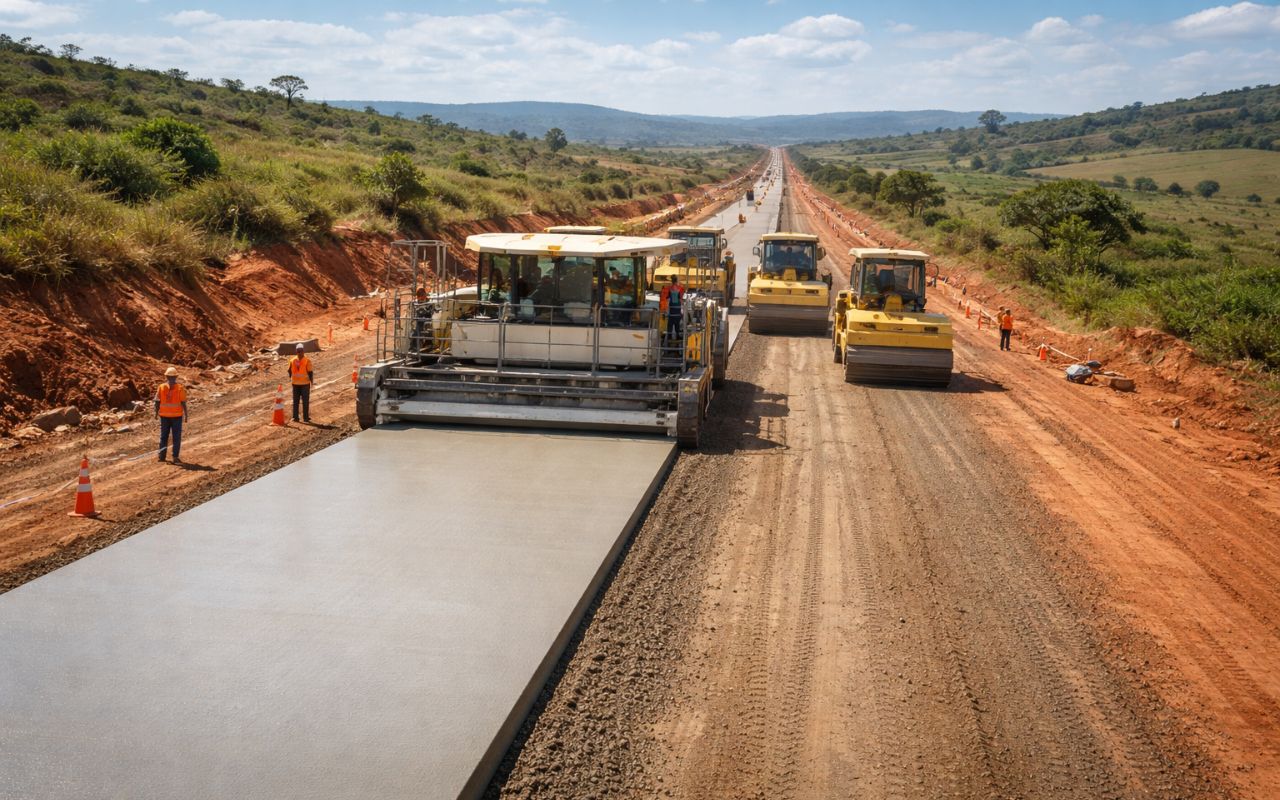
New CCR concrete paving technology promises roads up to 3x more durable, less maintenance, and cost reduction in Brazil.
-
Made from recycled plastic, plastic wood is gaining space in the construction industry because it does not rot, resists moisture, and reduces maintenance costs over the years.

-
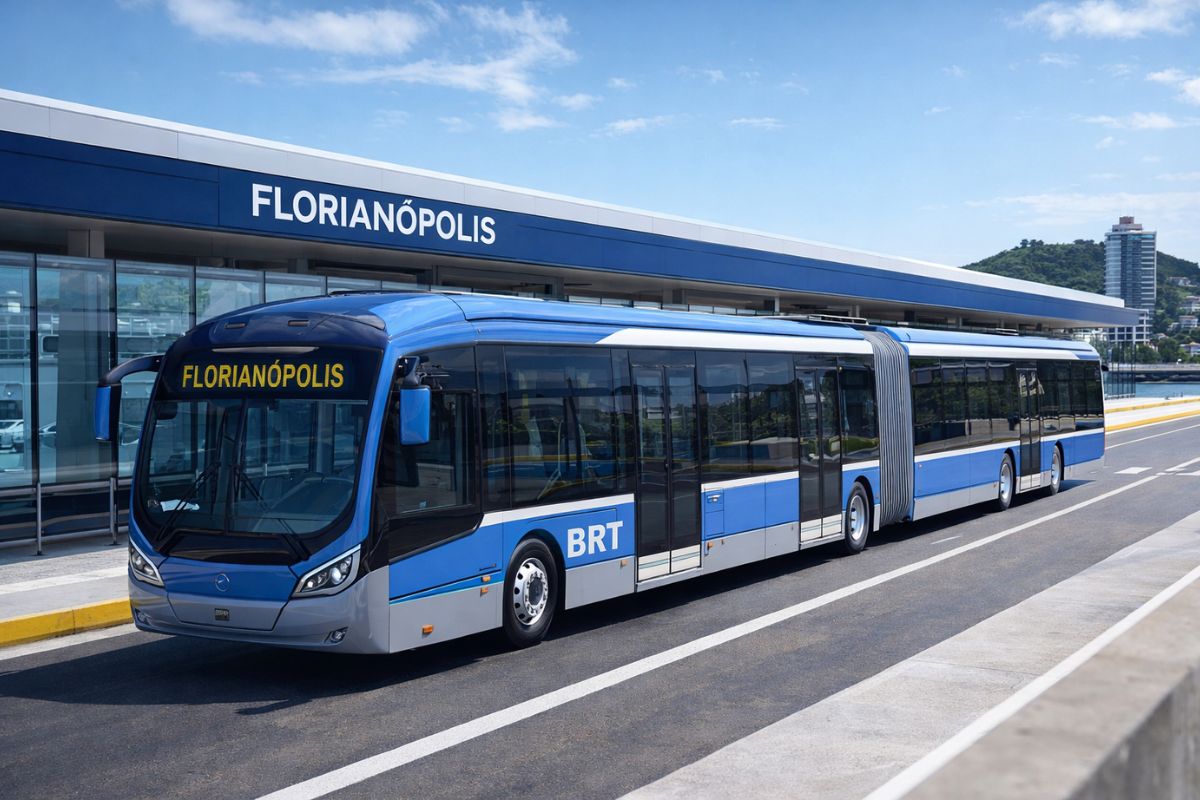
Florianópolis will receive a million-dollar BRT that will begin construction in 2026 with nearly 400 million in funding from the federal government and the Inter-American Development Bank, and the map already shows the routes for the exclusive bus corridors.
-
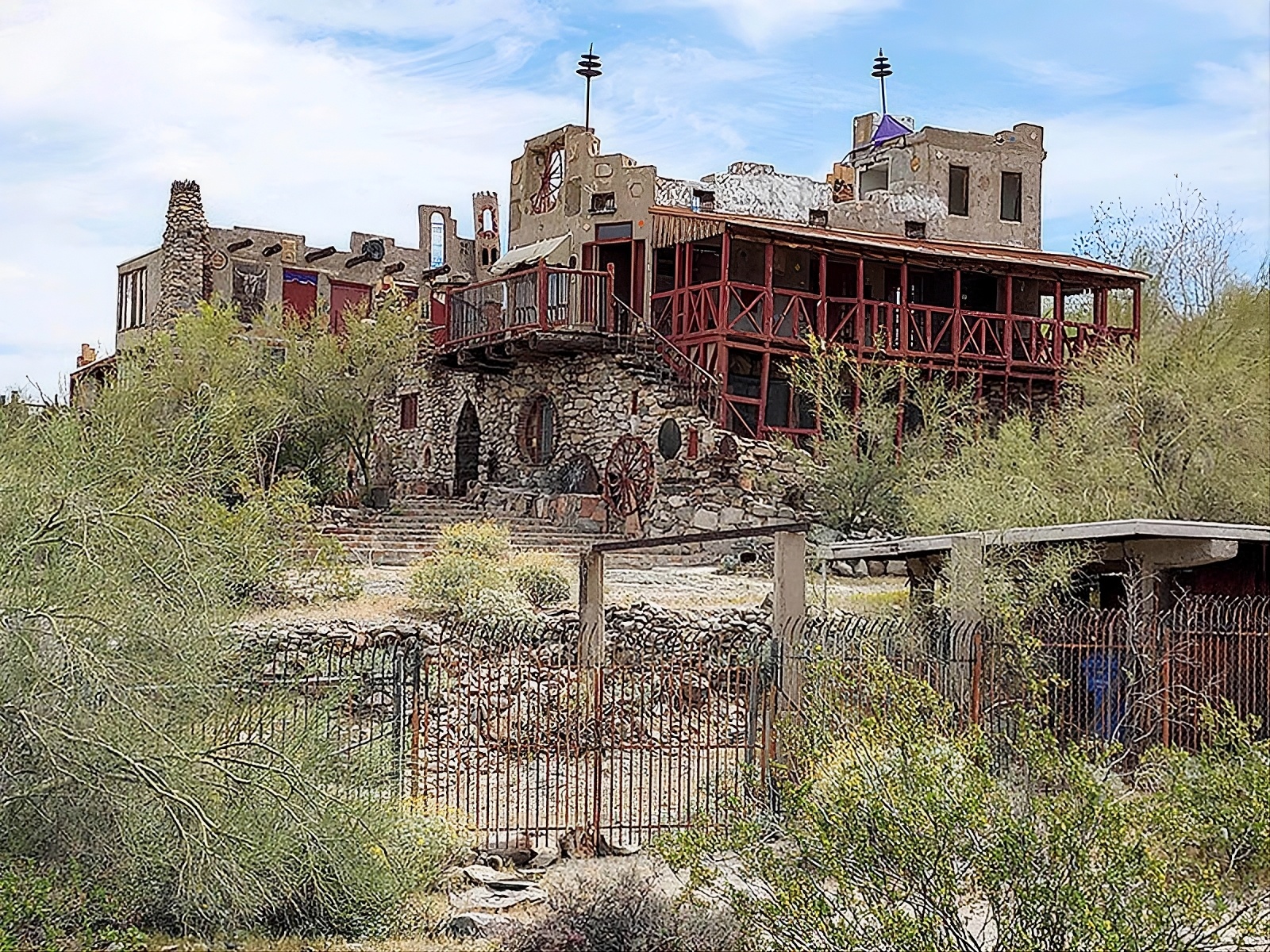
Without a blueprint, without an engineer, and using scrap from the dump, a father spends 15 years building an 18-room castle for his daughter, featuring tram tracks, 13 fireplaces, and over 700 m², which may now be demolished.
In practice, it is the only option for a direct road connection from the State to the rest of Brazil, serving cities such as Humaitá, Lábrea, and Manicoré and catering to both passenger transport and the shipment of goods.
By reviving BR-319, the government seeks to address long-standing complaints from residents, businesspeople, and mayors who point to critical, still unpaved or poorly maintained sections as obstacles to accessing services, lowering freight costs, and achieving economic integration with other States.
The promise is of a road that operates year-round, reducing dependence on river and air routes, historically more expensive and subject to weather interruptions.
Environmentalists, Justice, and the Ghost of Large-Scale Deforestation
The plan to revive BR-319, however, faces fears that the full recovery of the highway will open a new front for deforestation in the Amazon.
Environmental organizations and researchers warn that any road cutting through the forest tends to attract land grabbers, loggers, and irregular settlements, especially when there is low state presence in remote areas.
It was based on this type of argument that the Federal Court suspended, in July 2025, the preliminary license for the central section of BR-319, considered the most environmentally sensitive.
The appeals mention the risk of expansion of clandestine branches from the main road, real estate speculation along the route, and disordered occupation of still-preserved areas.
In the critics’ view, reviving BR-319 without a robust protection belt could repeat the pattern seen in other borders of the Amazon.
Strategic Environmental Assessment and 100-Kilometer Influence Zone
To try to unlock the project, the federal government announced the creation of a Strategic Environmental Assessment for BR-319, coordinated by the Civil House in partnership with the Ministries of the Environment and Transport.
The idea is to analyze not only the asphalt but the entire land occupation dynamics linked to the highway in an integrated manner.
This study is expected to cover the entire area of influence of the road and foresees the implementation of a governance model for a 100-kilometer strip around the main axis.
This strip includes indigenous lands, conservation units, and areas still without a defined purpose.
The declared objective is to minimize environmental impacts, prevent irregular occupations, and keep the forest preserved, even in a scenario where the government insists on reviving BR-319 to ensure the flow of people and cargo.
AGU, Marina Silva, and the Dispute Over the Preliminary License
In the legal field, the Attorney General’s Office of the Union is working to reverse the suspension of the preliminary license for the central section.
The AGU argues that about 55 percent of the area surrounding BR-319 is already covered by conservation units, which would function as institutional barriers to deforestation, provided that the oversight bodies have the structure to act.
The Minister of the Environment, Marina Silva, has taken a balanced position.
She states that she is not against the project itself but argues that any attempt to revive BR-319 needs to be accompanied by detailed planning, rigorous impact analysis on the ecosystem, and clear protection measures for future generations.
This stance reinforces the idea that internal negotiations within the government involve not only engineering and budget issues but also climate commitments and Brazil’s international reputation.
What Is at Stake for Residents, the Economy, and the Forest
For those living in Manaus and in cities like Humaitá, Lábrea, and Manicoré, the decision to revive BR-319 could mean reduced isolation, more available products and services, and cheaper routes for transporting the sick, students, and workers.
City halls and businesspeople argue that the full resumption of the highway would help reduce logistics costs, attract investments, and integrate Amazonas into the national road network.
On the other hand, environmentalists and researchers remind us that the Amazon rainforest is still the main natural barrier against the advance of climate change and that every new access corridor can trigger cycles of deforestation, fires, and land conflicts if there is no strong governance and effective state presence.
The Strategic Environmental Assessment and the governance model of 100 kilometers around the road will therefore be decisive to show whether the project can balance development and preservation.
In light of a project where the government promises to revive BR-319 to integrate Amazonas while simultaneously pledging to protect the forest and avoid mass deforestation, in your opinion, should Brazil prioritize the complete reconstruction of the highway now or only proceed after proving it can effectively oversee everything happening around the road?









Marina Silva é contraria à recuperação da BR-319 sim. Ela até fez piadinha de mau gosto com o povo amazonense.
Na verdade, ela faz parte de um grupo que defende interesses próprios e não quer o restabelecimento do tráfego pela BR-319.
Essa conversa de proteção ambiental é mais uma das narrativas para confundir os mal informados sobre a necessidade da rodovia funcionando normalmente para o bem do povo.
Está confirmada o náo interesse do governo federal Estadual de isolar o Amazonas do resto do país então se fosse posso 174 dariaproblema isso jogo das ongns empresário que só pensam no bem está deles
Eu fiz essa viagem de moto, PORTO VELHO -MANAUS, é msm muito difícil, passei lá no período da COVID 19, é lamentável dizer que o governo não atende às necessidades reais do povo amazônico, mas é verdade.
Essa estrada é necessária, o povo precisa sim dela.
A fiscalização ambiental é possível fazer com equipamentos em solo, via satélite, e outras formas presentes, basta querer e executar com a devida responsabilidade.