





 Portuguese
  English
  Spanish
  4 min of reading
  0 comments


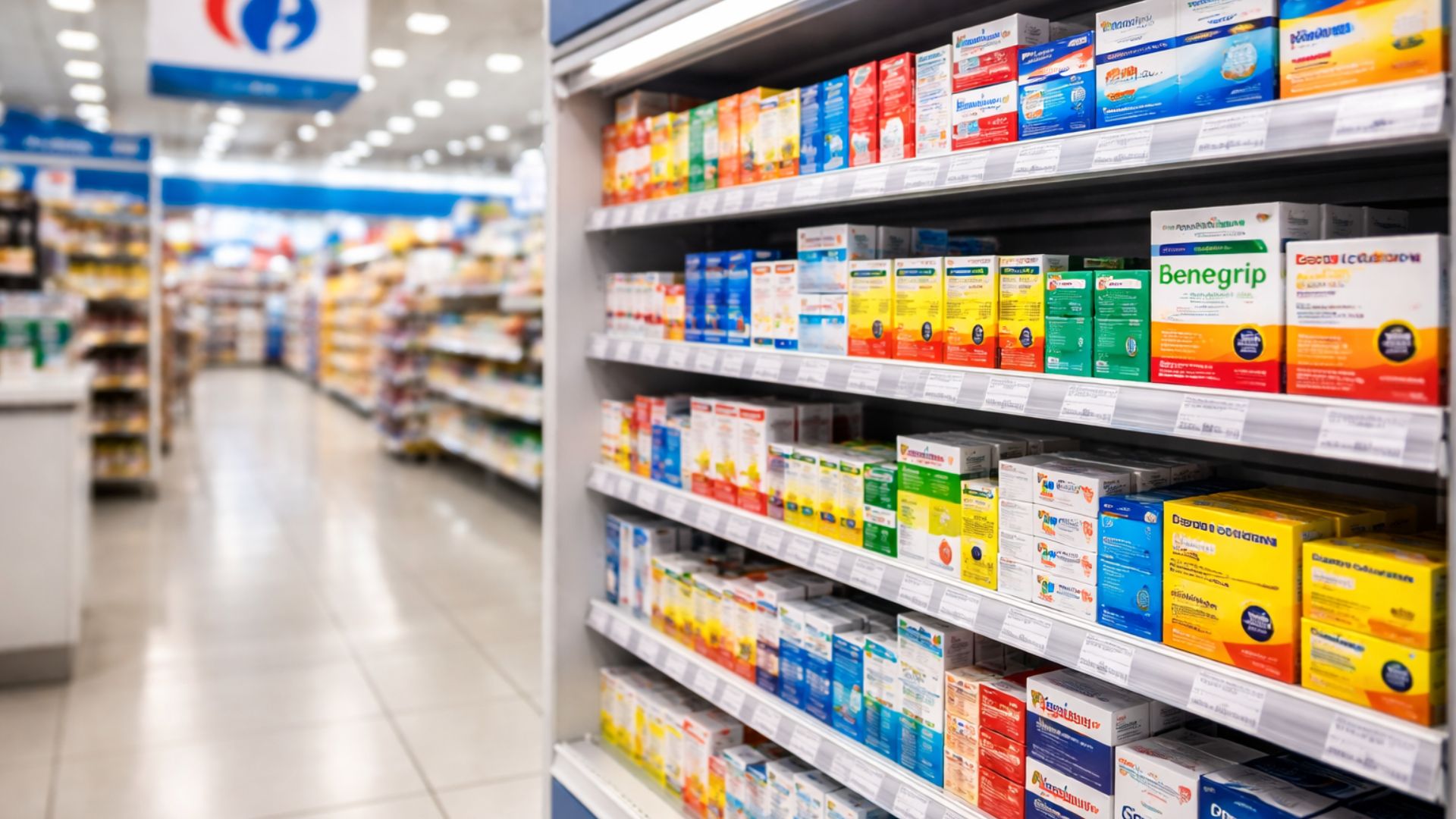
Change in law redefines how supermarkets can operate pharmacies in the country, with requirements for separate space, sanitary control, presence of a pharmacist, and specific rules for controlled medications, without allowing the exposure of medicines on common shelves next to food and other products.
President Luiz Inácio Lula da Silva signed the Law 15.357, of March 20, 2026, which authorizes the installation of pharmacies and drugstores within supermarkets, provided they operate in a physically defined environment, separate from the rest of the store and subject to the same sanitary requirements applied to traditional drugstores.
The regulation came into effect on the date of publication in the Official Gazette of the Union, on March 23.
In practice, the change does not allow medicines on common shelves, next to food, cleaning products, or convenience items.
-
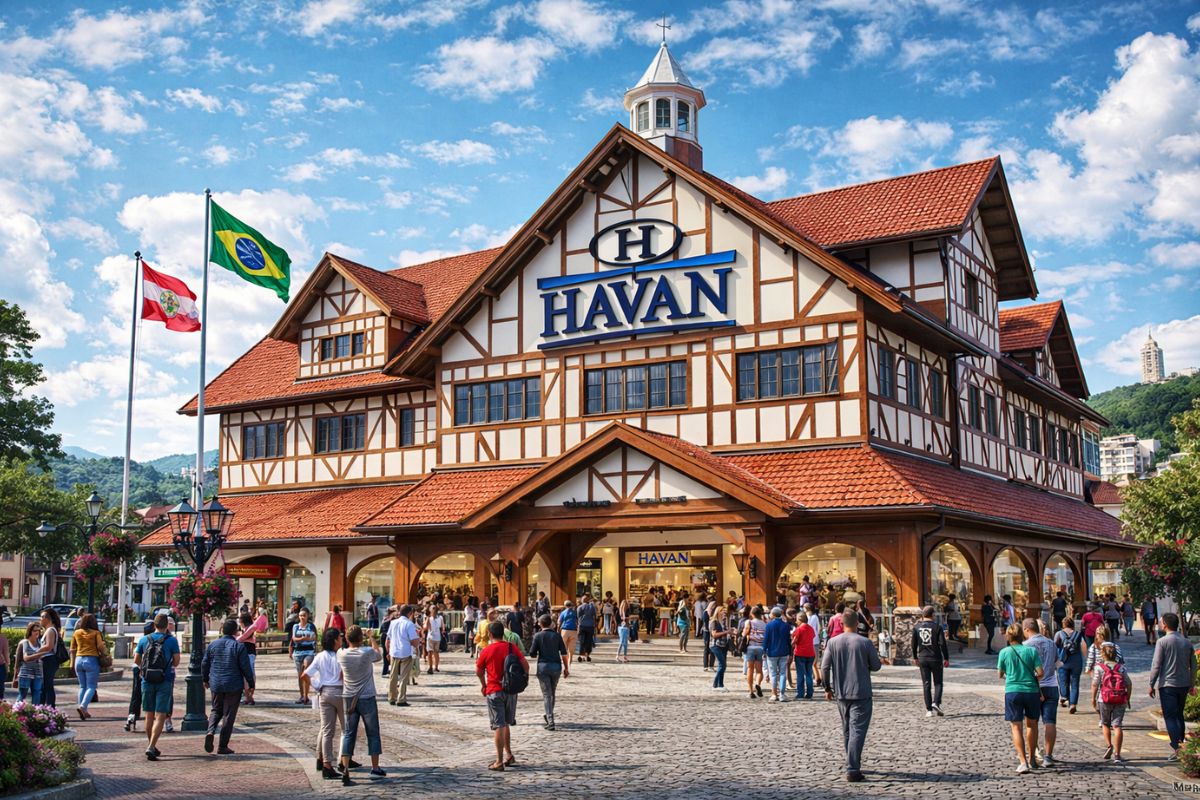
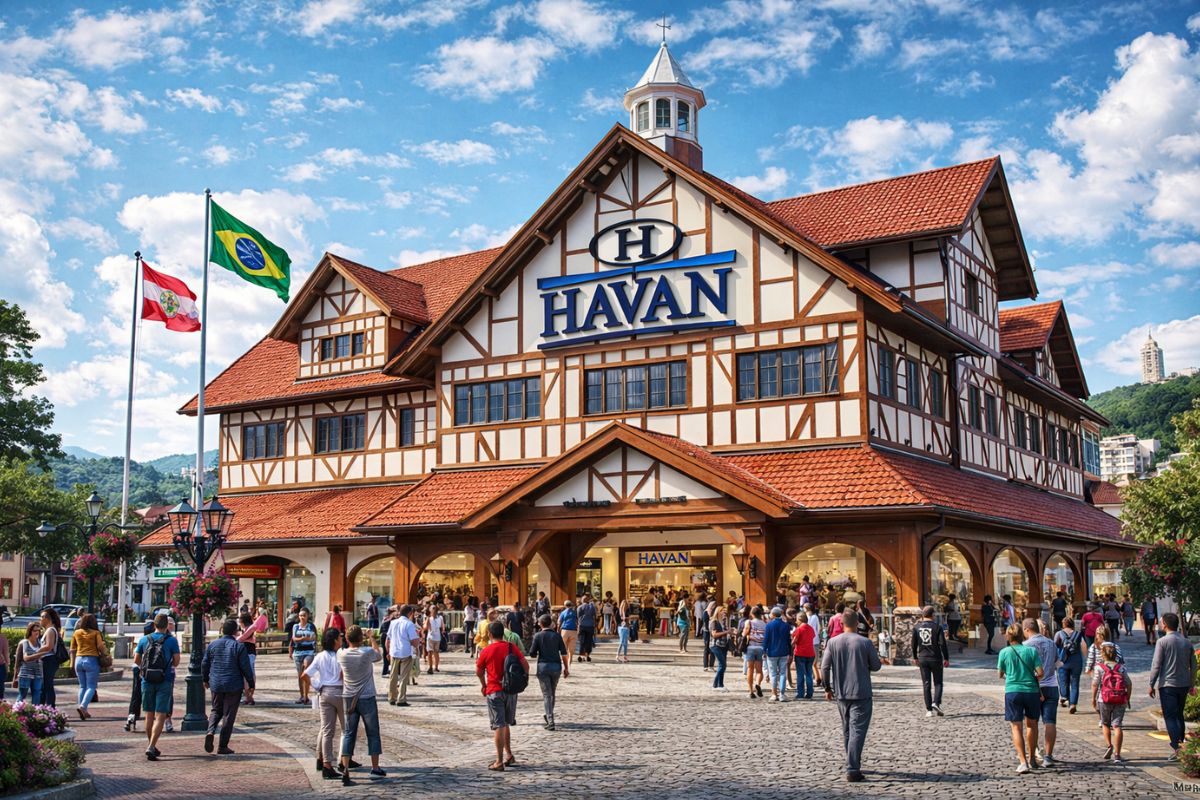
Havan will leave the shopping mall in Blumenau to inaugurate something that the chain has never done before: a megastore in half-timbered style in the Historic Center of the city, which is expected to be completed in May and change the landscape of local retail.
-
Brazilian city gains industrial hub for 85 companies that is equivalent to 55 football fields.

-
Peugeot and Citroën factory in Argentina cuts production by half and opens a layoff program for more than 2,000 employees after Brazil drastically harmed purchases of Argentine vehicles.

-
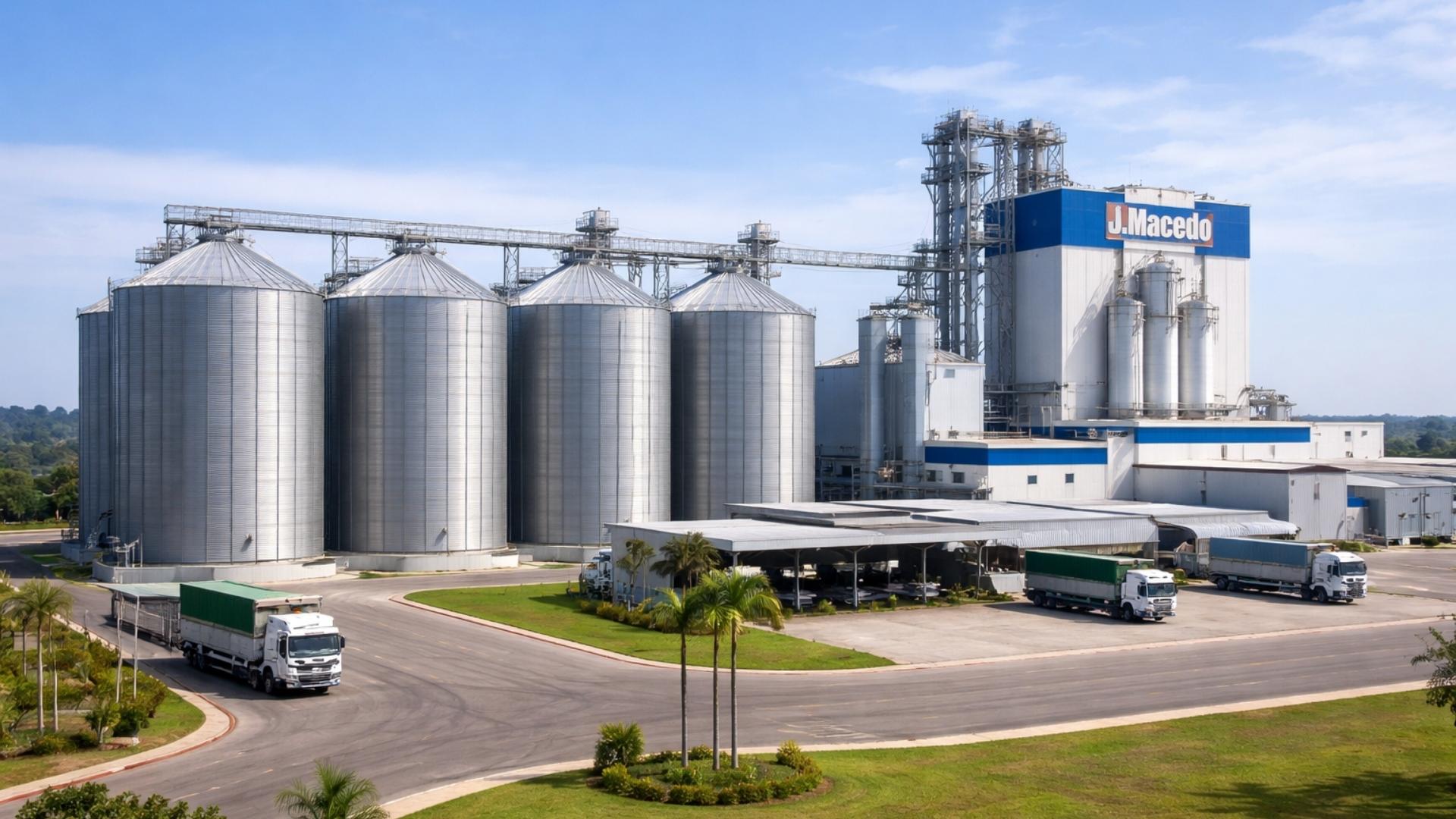
A Brazilian city gains a factory worth R$ 300 million with the capacity to process 200 thousand tons of wheat per year, a mill of 660 tons per day, silos for 42 thousand tons, and an industrial area of 276 thousand m².

What the law allows is the operation of a complete pharmacy in the supermarket’s sales area, with its own structure, adequate storage, temperature control, ventilation, lighting, humidity, traceability, and pharmaceutical assistance.
The text amends Law 5.991, of 1973, and establishes that this operation can occur in two ways: directly by the supermarket, under the same tax identity, or through a contract with a pharmacy or drugstore already licensed and registered with the competent authorities.
In both cases, the activity remains subject to the rules of sanitary surveillance and the legislation of the pharmaceutical sector.
Sale of medicines in supermarkets: what the law requires
The presence of a qualified pharmacist during all operating hours remains mandatory, with no exceptions provided in the new law for remote service or only occasional supervision.
This point was expressly maintained in the signed text and was addressed by the Federal Pharmacy Council as one of the pillars to prevent the sale of medicines from occurring without adequate technical guidance.
There was also a specific definition for medications subject to special control.
The law stipulates that the dispensing of these products must occur only after payment or, alternatively, that they be taken to the checkout in sealed, tamper-proof, and identifiable packaging, which aims to preserve the traceability and control required for this type of medicine.

Furthermore, the regulation expressly prohibits the offering of medications in open areas, communicable or without complete functional separation, such as counters, stands, or external shelves to the pharmacy space installed in the supermarket.
In other words, the purchase of medicines will continue to be linked to a regular pharmacy counter, and not to the self-service typical of food retail.
Another section included in the legislation authorizes these pharmacies to hire digital channels and e-commerce platforms for logistics and delivery to consumers, provided that the already applicable sanitary regulations for the sector are fully respected.
This provision brings the operation in supermarkets closer to the rules that already apply to conventional pharmacies in digital commerce.
Reaction of Abrafarma and Federal Pharmacy Council
The Brazilian Association of Pharmacies and Drugstores had been criticizing earlier versions of the project that allowed for greater flexibility, especially the possibility of exposing medications outside of a complete pharmaceutical environment.
When the text was modified in Congress, the entity began to argue that the proposal had become more restrictive and technically closer to the sanitary requirements advocated by the sector.
In the assessment of the Federal Pharmacy Council, the final wording preserved the points considered essential during the legislative process.
In a statement released after the signing, the president of the entity, Walter da Silva Jorge João, stated that “the damage was minimized” and that provisions that could trivialize medications were avoided, adding that it will be up to the regulatory bodies to ensure the effective compliance with the legislation.
Before the final approval, the CFF itself had informed that the opinion approved in the Chamber maintained the model defended by the entity, with segregated physical space, responsible pharmacist, and full compliance with sanitary norms.
According to the council, the text removed the possibility of sales at common checkouts or on supermarket shelves, a scenario that had concentrated the greatest resistance from pharmaceutical entities.
Assaí and the opening of pharmacies within markets
The new law is already producing effects, but the opening of these units will depend on compliance with the licensing and registration steps required for any pharmacy or drugstore.
This means that the mere existence of space within the supermarket does not exempt the need for sanitary authorization, adequate technical structure, or continuous professional presence during public service.
In food retail, companies had already been preparing for this movement.
Assaí reported in February that it plans to install 25 of its own pharmacies in the second half of 2026, in an initial phase of the project, and said it is monitoring the progress of PL 2.158/2023, which gave rise to the law signed by Lula.
The company indicated that, in the pilot phase, the units would operate in segregated areas.
The law originates precisely from the Bill 2.158/2023, presented by Senator Efraim Filho and approved by Congress after amendments that tightened the rules compared to the initial versions.
With the presidential signing, the model that will be valid nationally is that of a pharmacy installed within the supermarket, and not the free sale of medications in the main store area.






Seja o primeiro a reagir!