





 English
  Francês
  Alemão
  Italiano
  Japonês
  Norueguês
  Portuguese
  Spanish
  3 min of reading
  0 comments


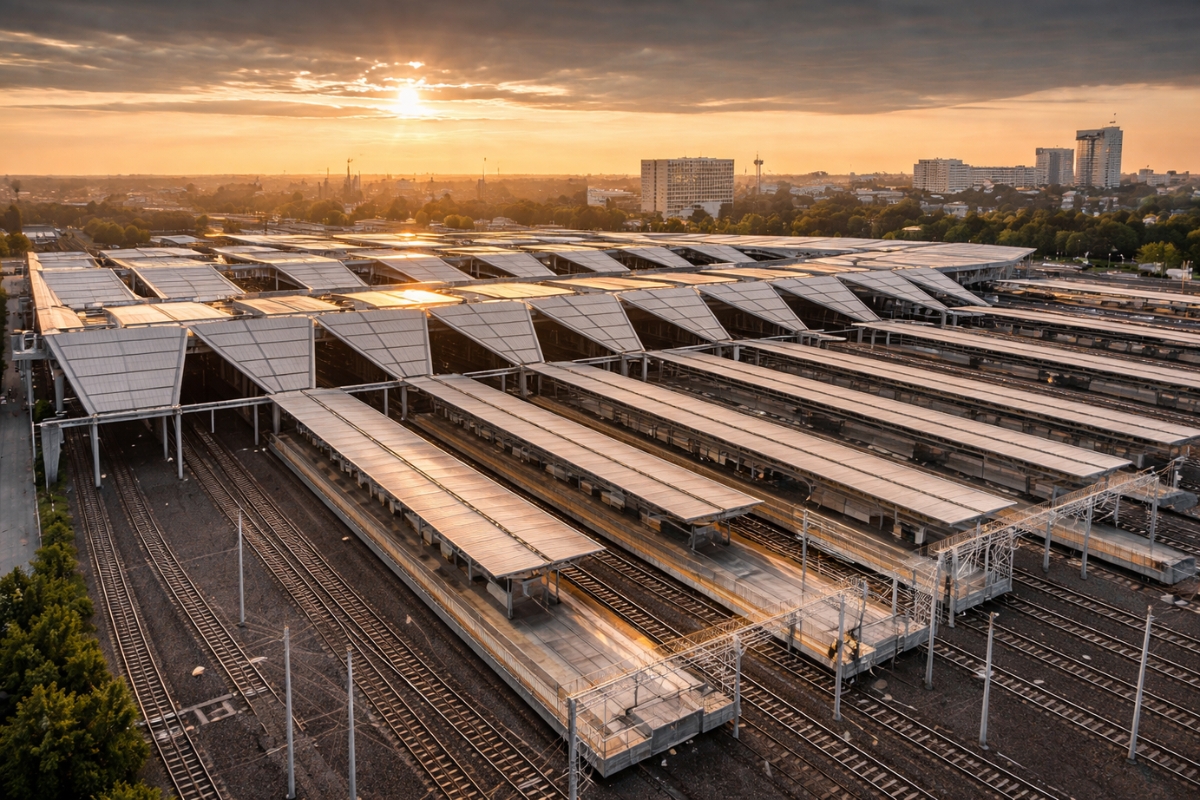
In Warsaw, Budimex inaugurated the Warszawa Zachodnia railway junction with an investment of 2.7 billion PLN to modernize transport and serve up to 60 thousand passengers per day, triggering transformation in the railway system and capturing the attention of the infrastructure sector.
After years of construction, the largest railway junction in Poland was officially inaugurated in Warsaw, marking a profound transformation in the country’s railway transport.
The Warszawa Zachodnia station underwent extensive modernization that included a new main building and a large underground passage for passengers. The project completely changed the structure of the site, which has transformed from just a station to a major transport hub.
What stood out most was the complexity of the work. Throughout the construction period, the station remained open and continued to serve passengers and trains normally.
-
Famous Brazilian Railway May Become a Parking Lot

-
The Country of “Punctual As a Train” Admits It Has Lost Control: High-Speed Trains Delay, Stop, Disappear from the Map and Turn 6-Hour Trips into 10, While Deutsche Bahn Promises Restructuring in 2026 But Faces 19th Century Infrastructure, Staff Shortages and Sections Closed for Months
-
With an Investment of R$ 700 Million in One of the Country’s Main Rail Networks, VLI Reinforces Infrastructure, Receives 8 New Locomotives, and Expands the Corridor Connecting 7 States, Boosting Jobs and the Transportation of Grains, Ore, and Oil Products to the Port of Santos
-
Brazil’s Largest Train and Subway Manufacturer Disappeared: With Decades of Industrial Leadership, Stainless Steel Innovation in the 1980s, and Equipment That Operated Until 2020, How Did Cobrasma Collapse?


Now the location operates with expanded infrastructure and the capability for a large daily flow.
Station Brings Together 14 Rail Lines And Thousands Of Trains Every Day
The Warszawa Zachodnia station has established itself as the main railway junction in the country.
In total, 14 rail lines intersect at the site, forming one of the largest urban railway systems in the region.
The daily movement reaches up to 60,000 passengers and approximately 1,400 trains per day, demonstrating the strategic importance of the station.
The new railway system features over 35 km in length, reinforcing the operational capacity of the infrastructure.
This volume positions the station among the major railway centers in Central Europe.
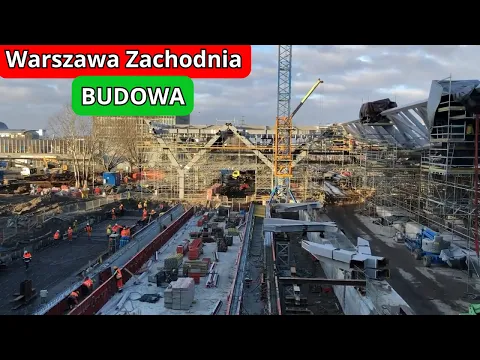

63-Meter Underground Passage Impresses With Its Size
One of the most eye-catching structures is the new underground passage built for passengers.
The tunnel has a 63-meter width, a dimension so large that it could accommodate a Boeing 737.
Passengers can also utilize the new station building located on the Tunnel Street side.
Elevators and escalators ensure direct access between platforms and the underground passage.
Shops and restaurants are expected to open soon in the new complex.
Construction Utilized 92,000 Cubic Meters Of Concrete And 11,500 Tons Of Steel
The dimensions of the construction impress with the numbers involved.
Over 92,000 cubic meters of concrete and around 11,500 tons of steel reinforcement were used.
During the execution of the works, about 600 specialists worked daily with the support of approximately 160 machines and equipment.
These numbers illustrate the scale of the project and help to understand the extent of the modernization carried out.
The result surprised with its ability to maintain railway operations throughout the construction.
Modern Infrastructure Includes Accessible Platforms And Smart Systems
The station features nine modern platforms, fully adapted for passengers with reduced mobility.
Elevators and escalators connect the platforms to the underground tunnel, facilitating movement.
The railway system comprises 137 track switch devices, 191 railway signals, and about 580 information panels.
This structure allows for more efficient and safer control of the intense train traffic.
The modernization transformed the site into a multifunctional transport hub.
Solar Panels Provide About 30% Of The Station’s Energy
The project also incorporated solutions aimed at sustainable development.
More than 8,000 square meters of photovoltaic panels were installed on the station’s roof.
The system can provide about 30% of the electricity needed for the complex’s operation.
The area around the station was also revitalized with the planting of nearly 100 trees and over 4,000 shrubs.
The total investment was 2.7 billion zlotys, with partial funding from the European Union through the Connecting Europe Facility program.
The modernization transformed the Warszawa Zachodnia station into one of the largest railway centers in Central Europe, bringing together 14 lines, thousands of trains, and modern infrastructure in a single location, a project that grabs attention for its scale and for maintaining operations throughout the construction.
Do you believe that large railway stations like this can improve urban transport in big cities? Share your opinion in the comments.









-

Uma pessoa reagiu a isso.