





 English
  Francês
  Alemão
  Italiano
  Japonês
  Norueguês
  Portuguese
  Spanish
 5 min of reading
  0 comments



The Municipality of Macapá Advances in Preparing for the Oil and Gas Chain by Enacting the Petro Macapá Law During Technical Cooperation with Macaé, Strengthening Professional Qualification and Attracting New Investments
On December 11, 2025, the Municipality of Macapá took a decisive step to structure its preparation for the arrival of major opportunities in the oil and gas sector by enacting the Petro Macapá Law during the 4th stage of technical cooperation with Macaé. The act, carried out at the Laurindo Banha Palace, consolidated a year of intense institutional articulation between the two municipalities and positioned Macapá as a strategic territory for the future exploration of the Equatorial Margin. Amapá is definitively on the energy development route of the country.
The Importance of the Petro Macapá Law for the City
The meeting marked the conclusion of a robust technical agenda and was attended by a delegation of councilors from Macaé, who shared experiences accumulated over decades in the national oil and gas hub. For the Municipality of Macapá, this moment represents a turning point in organizing public policies, aligning guidelines, and paving the way for new investments in the state.
The Petro Macapá Law acts as a regulatory framework to guide the construction of the oil and gas production chain in the capital. It establishes legal foundations to organize processes, attract companies, strengthen infrastructure, and prepare the local workforce for an expanding economic scenario. Mayor Dr. Furlan highlighted that the law is the result of dialogue, planning, and a vision for the future.
-
Brazilian giant expands borders in the Southeast: Petrobras confirms new oil discovery in ultra-deep waters in the pre-salt of the Campos Basin.

-
Alert in the global energy market: Severe tropical cyclone hits the coast and disrupts gas production at major plants in Australia, threatening global supply.

-
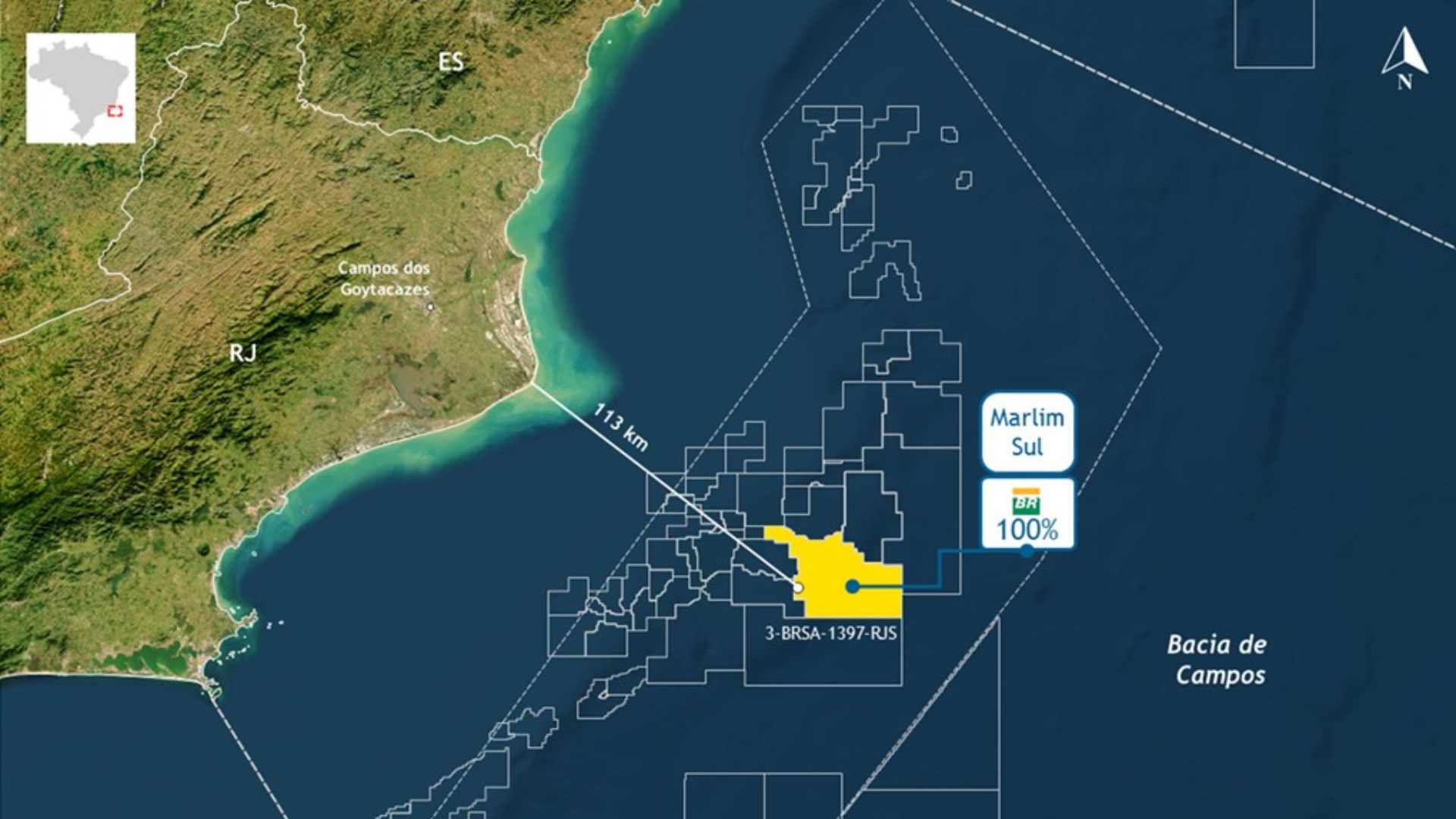
Petrobras finds high-quality oil in the pre-salt at 113 km from RJ and reignites expectations about strategic reserves in the Campos Basin.

-
Ocyan opens registrations for startups focused on innovation in the oil and gas sector and will select projects for Innovation Day with the support of Nexio.


Among its main axes are professional qualification, attracting investments, and creating mechanisms that reinforce environmental sustainability. At the same time, the legislation offers legal security for companies interested in operating in the new hub. A well-structured law transforms opportunities into real development.
Technical Cooperation Between Macapá and Macaé for the Oil and Gas Sector
Since June 2025, technical cooperation between the Municipality of Macapá and Macaé has enabled the exchange of essential experiences for those looking to enter the oil and gas sector in an organized manner. The fluminense city, which became a national reference since the 1970s, still faces urban, environmental, and social challenges arising from the rapid growth caused by the industry.
During the event, three councilors from Macaé — Leandra Lopes, Luciano Diniz, and Ricardo Salgado — gave lectures addressing topics such as economic development, urban planning, and productive diversification.
They reported the impact of the industry in their municipality, highlighting advances, difficulties, and solutions adopted over the past decades. For Macapá, understanding this history is fundamental. Learning from those who have already experienced this process reduces risks and speeds up development.
Petro Macapá Law and Preparation for the Equatorial Margin in the Oil and Gas Sector
The Equatorial Margin, considered one of the most promising exploratory frontiers in the world, has been gaining prominence in recent studies. Records from the National Agency of Petroleum show that the region has high potential for discoveries, which could boost the entire oil and gas production chain in the North of the country.
In light of this scenario, the Municipality of Macapá seeks to anticipate essential actions to ensure competitiveness. This includes urban planning, modernization of logistical infrastructure, creation of incentive policies, and establishing a business environment welcoming to companies wishing to operate in the region.
Training and Professional Qualification in the Oil and Gas Sector
One of the central pillars of the Petro Macapá Law is professional training. The Municipality of Macapá places qualification as a strategic point to guarantee local jobs and avoid dependence on external labor, something that has historically occurred in cities that grew abruptly due to the industry.
The courses and training programs must cater to sectors such as logistics, engineering, offshore operations, occupational safety, environmental management, and industrial maintenance. Cooperation with Macaé has also served to transfer training methodologies that have been used for over 40 years in the fluminense hub.
Investments, Infrastructure, and Attraction of Companies Boosted by the Petro Macapá Law
The Petro Macapá Law also provides guidelines to enhance investments and facilitate the entry of new companies into the municipality. The Municipality of Macapá understands that adequate infrastructure, a clear regulatory environment, and legal security are decisive elements to attract entrepreneurs from the oil and gas sector.
With the legislation in effect, the municipality now has mechanisms to:
- Incentivize the establishment of operational bases;
- Create programs to articulate between the public authority and the private sector;
- Improve strategic urban logistics areas;
- Stimulate economic diversification.
Macaé as a Strategic Reference for the Municipality of Macapá
The advances and challenges faced by Macaé serve as practical lessons for the Municipality of Macapá. The experience of Macaé demonstrates the importance of reconciling economic growth with urban management and environmental responsibility. The lectures given by the councilors reinforced the need for long-term policies and early preparation.
The capital of Amapá has sought to understand how Macaé balanced economic development with overcoming social and environmental issues, to avoid similar situations. The cooperation reinforces a strategy of continuous learning and building solutions adapted to the local reality.
Sustainability and Environmental Responsibility in the Petro Macapá Law
Sustainability is treated as a fundamental axis in the Petro Macapá Law, ensuring that economic advancement does not compromise the Amazonian ecosystems. The Municipality of Macapá intends to strengthen compensation policies, enhance oversight, and encourage clean practices in the oil and gas industry.
The experience of Macaé showed that, without environmental planning, growth can generate irreversible impacts. Therefore, Macapá seeks to reconcile industrial development with environmental protection and social responsibility practices.
Paths Shaping the Energy Future of Macapá
The enactment of the Petro Macapá Law represents a milestone in building a new economic scenario for Amapá. The technical cooperation with Macaé strengthens the strategy of the Municipality of Macapá, which now moves forward with planning, responsibility, and a structured vision for the oil and gas.
With clear guidelines, a focus on training, a quest for investments, and a priority on sustainability, Macapá enters a new cycle of preparation and institutional organization. The opportunities of the Equatorial Margin, although still in the initial stage, are already driving concrete actions and consolidating a strategic positioning for the coming years.








Seja o primeiro a reagir!