





 Portuguese
  English
  Spanish
  5 min of reading
  0 comments



Plastic wood made from recycled waste advances in construction due to high durability, moisture resistance, and lower maintenance costs.
The advancement of the circular economy in Brazil has driven the large-scale use of recycled materials, including solutions for construction. According to data from the Brazilian Association of the Plastic Industry (ABIPLAST), released in the 2023 Profile of Plastic in Brazil, the country produces about 11.3 million tons of plastic waste per year, and an increasing share of this volume is being directed towards recycling and reuse in industrial applications. This movement has propelled the development of higher value-added materials, such as so-called plastic wood.
Manufactured from recycled polymers such as polyethylene and polypropylene, this alternative has gained traction in external and lightweight structural applications. According to technical studies from the Brazilian Service of Support for Micro and Small Enterprises (SEBRAE) on sustainable materials in construction, plastic wood offers high durability and moisture resistance, does not rot, and requires low maintenance, which significantly alters the cost logic over time compared to traditional materials.
This advancement occurs at a time when the construction industry is seeking more durable, sustainable solutions with lower maintenance needs, especially in urban and coastal environments.
-
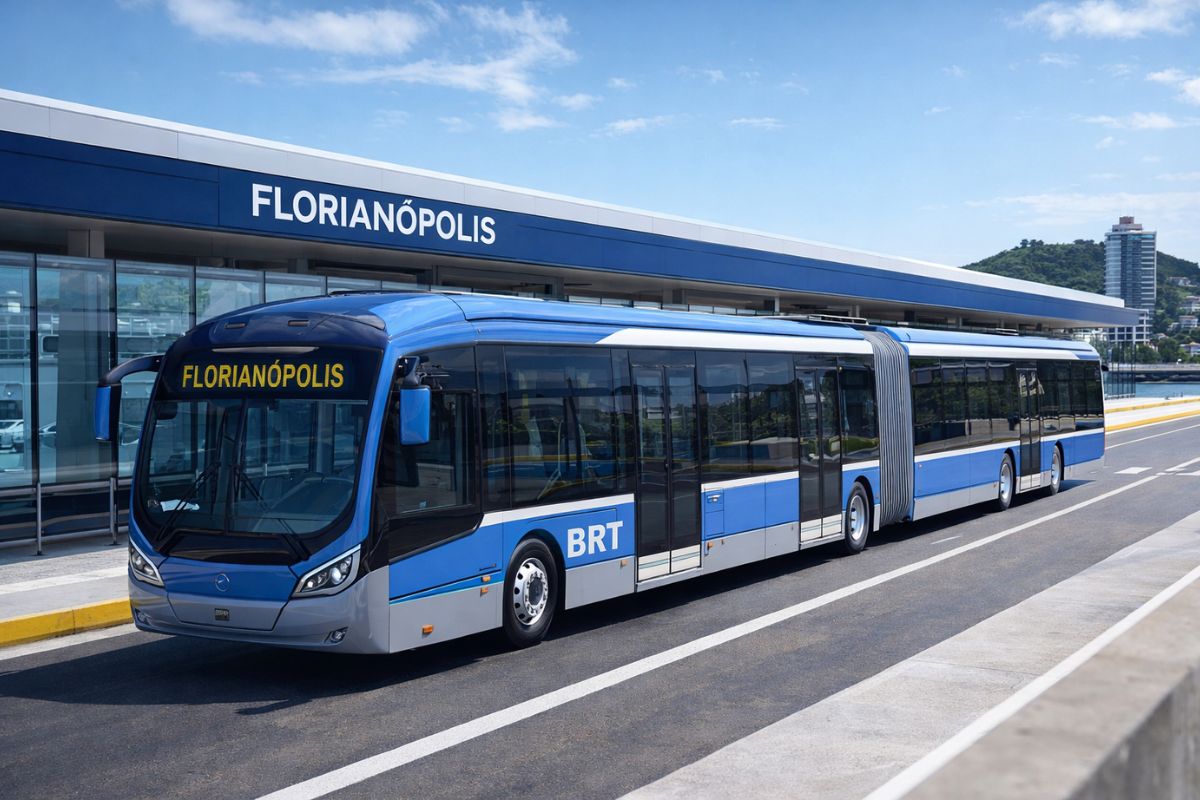
Florianópolis will receive a million-dollar BRT that will begin construction in 2026 with nearly 400 million in funding from the federal government and the Inter-American Development Bank, and the map already shows the routes for the exclusive bus corridors.
-
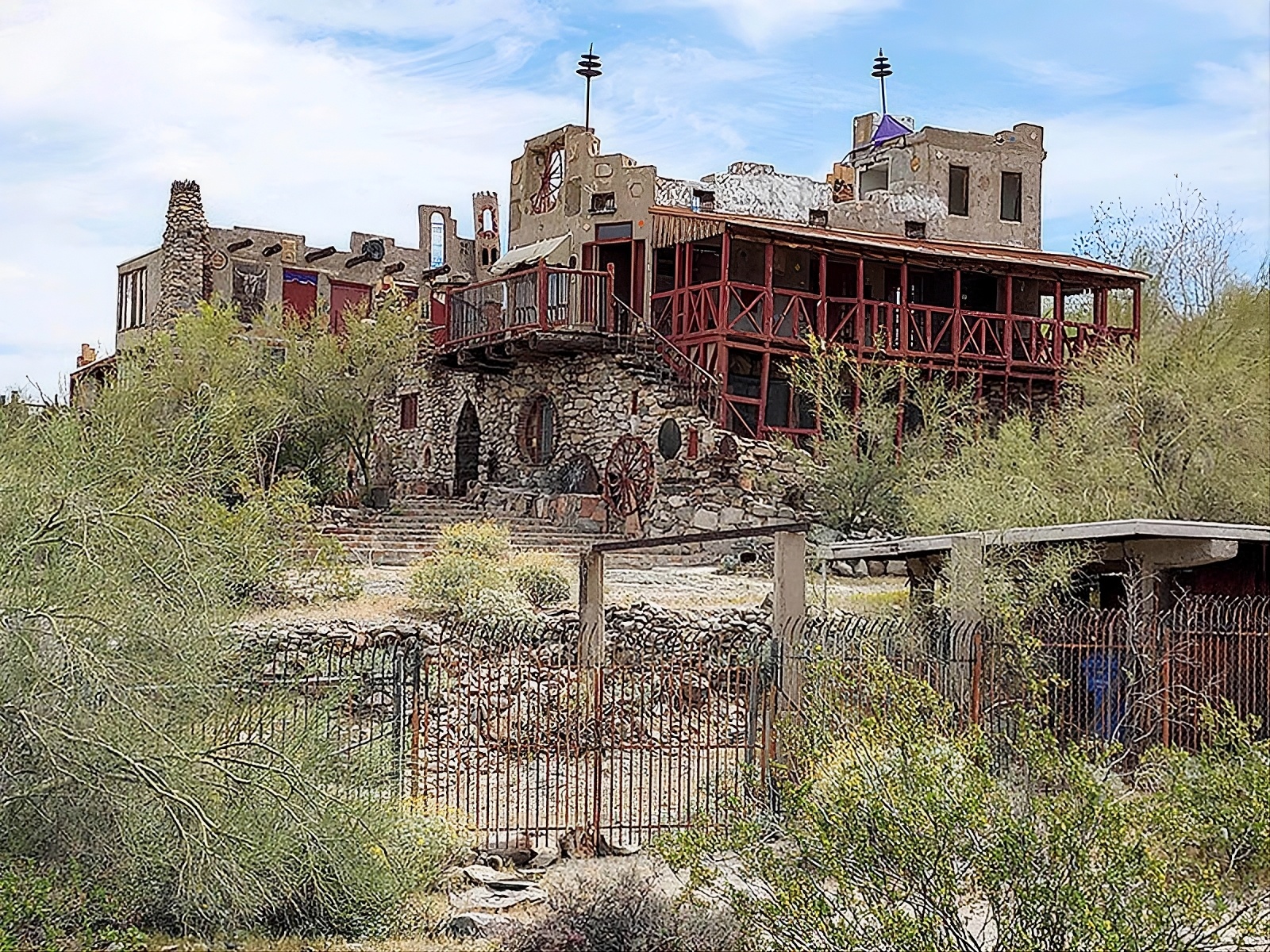
Without a blueprint, without an engineer, and using scrap from the dump, a father spends 15 years building an 18-room castle for his daughter, featuring tram tracks, 13 fireplaces, and over 700 m², which may now be demolished.
-
A megaproject worth R$ 89 billion is advancing in Iraq and promises to change the game in global trade by creating a new corridor between Asia and Europe, reducing traditional routes and repositioning the country as a logistics powerhouse.

-
Goodbye bedside table: floating shelves become a trend in 2026 by freeing up space in the bedroom, improving circulation, bringing visual lightness, and integrating technology without taking up floor space.


What is plastic wood and how is it produced
Plastic wood is an industrial material produced from recycled plastic waste, mainly:
- HDPE (high-density polyethylene)
- PP (polypropylene)
These materials are collected, sorted, cleaned, and processed in recycling industries. After this process, they go through stages of:
- grinding
- extrusion
- molding


The result is solid profiles that mimic the appearance of natural wood but with distinct physical properties. Unlike conventional wood, plastic wood does not have organic fibers, which eliminates degradation processes caused by fungi, moisture, and insects.
Additionally, the material can receive additives to improve mechanical resistance, UV protection, and thermal stability.
Why plastic wood does not rot or suffer from moisture
The main technical advantage of plastic wood lies in its composition. Since it is made of polymers, the material does not absorb water in the same way that natural wood does.
In conventional wood, moisture can penetrate the fibers, causing:
- rotting
- deformation
- fungal proliferation
In plastic wood, this absorption is extremely low. This allows the material to maintain its structural properties even after years of exposure to humid environments, such as outdoor areas, coastal regions, and places subject to constant rain.
This characteristic also eliminates the need for frequent chemical treatments.
High durability and reduced maintenance over the years
One of the factors driving the use of plastic wood is its durability. Under suitable conditions, the material can remain functional for decades. While natural wood requires periodic maintenance, such as:
- application of varnish
- pest treatment
- replacement of deteriorated parts
- plastic wood practically eliminates these steps.
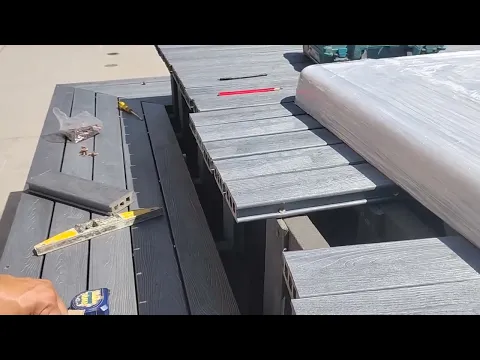
This difference directly impacts the total cost over the lifespan of the structure, making the material more competitive in medium- and long-term projects. Additionally, the material is not susceptible to termite attacks, one of the main problems with wood in tropical regions.
Practical applications in construction and urban environments
Plastic wood has been used in various applications, mainly in outdoor environments. Some of the most common uses include:
- decks
- walkways
- benches and urban furniture
- fences
- support structures in construction
These applications take advantage of the material’s moisture resistance and low maintenance needs. In urban areas, plastic wood also stands out for its durability in public spaces, where wear is constant and frequent maintenance can incur high costs. Furthermore, the material is used in sustainable projects that aim to reduce environmental impact.
Comparison between plastic wood and natural wood
The replacement of natural wood with plastic wood involves important technical differences. Natural wood has advantages such as:
- traditional aesthetics
- greater structural rigidity in some applications
However, it has limitations related to durability and maintenance. On the other hand, plastic wood offers:
- moisture resistance
- pest immunity
- greater stability in outdoor environments
This combination makes plastic wood especially advantageous in applications where exposure to the elements is constant. On the other hand, the material may exhibit greater thermal expansion, which requires care in design and installation.
Environmental impact and circular economy
The production of plastic wood is directly linked to the circular economy, a concept that seeks to reuse waste in new productive cycles.
According to data from Abiplast, the increase in plastic recycling in Brazil has contributed to reducing the volume of waste sent to landfills.
By transforming plastic waste into construction materials, plastic wood reduces pressure on natural resources and decreases the environmental impact associated with improper disposal.
Initial costs and savings over time
Although the initial cost of plastic wood may be higher than that of some conventional woods, the economic analysis should consider the complete life cycle of the material. The absence of frequent maintenance and high durability reduce costs over the years.
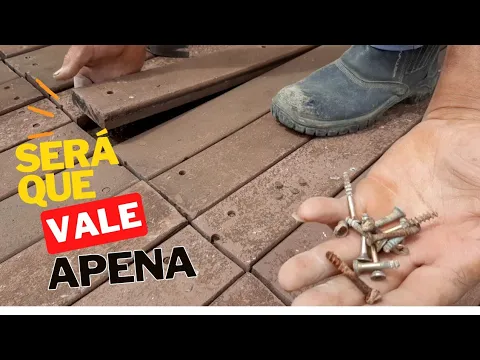
This factor makes plastic wood an economically viable alternative in projects where longevity and reduced interventions are priorities.
Despite the advantages, plastic wood has limitations that must be considered. Among the main points are:
- lower rigidity compared to some structural woods
- more pronounced thermal expansion
- need for proper fastening to avoid deformation
These factors require adequate technical planning to ensure the expected performance of the material. Furthermore, structural use is limited compared to traditional materials such as concrete and steel.
Growth trend in Brazil and worldwide
The adoption of plastic wood follows a global trend of using sustainable materials in construction. Companies and governments have encouraged solutions that reduce environmental impact and increase project efficiency.
In Brazil, the growth of the recycling sector and the search for more durable alternatives drive the adoption of this material. The expectation is that plastic wood will continue to gain ground, especially in outdoor applications and urban projects.

Plastic wood represents a significant evolution in the use of materials in construction. By combining recycled waste with industrial technology, it offers a durable alternative that overcomes the limitations of natural wood.
With high moisture resistance, low maintenance needs, and potential to reduce environmental impacts, the material consolidates itself as a relevant solution in a scenario where efficiency, sustainability, and durability become increasingly essential.
This advancement demonstrates how innovation based on recycling can transform waste into strategic resources for different sectors of the economy.









Seja o primeiro a reagir!