





 English
  Francês
  Alemão
  Italiano
  Japonês
  Norueguês
  Portuguese
  Spanish
  5 min of reading
  0 comments


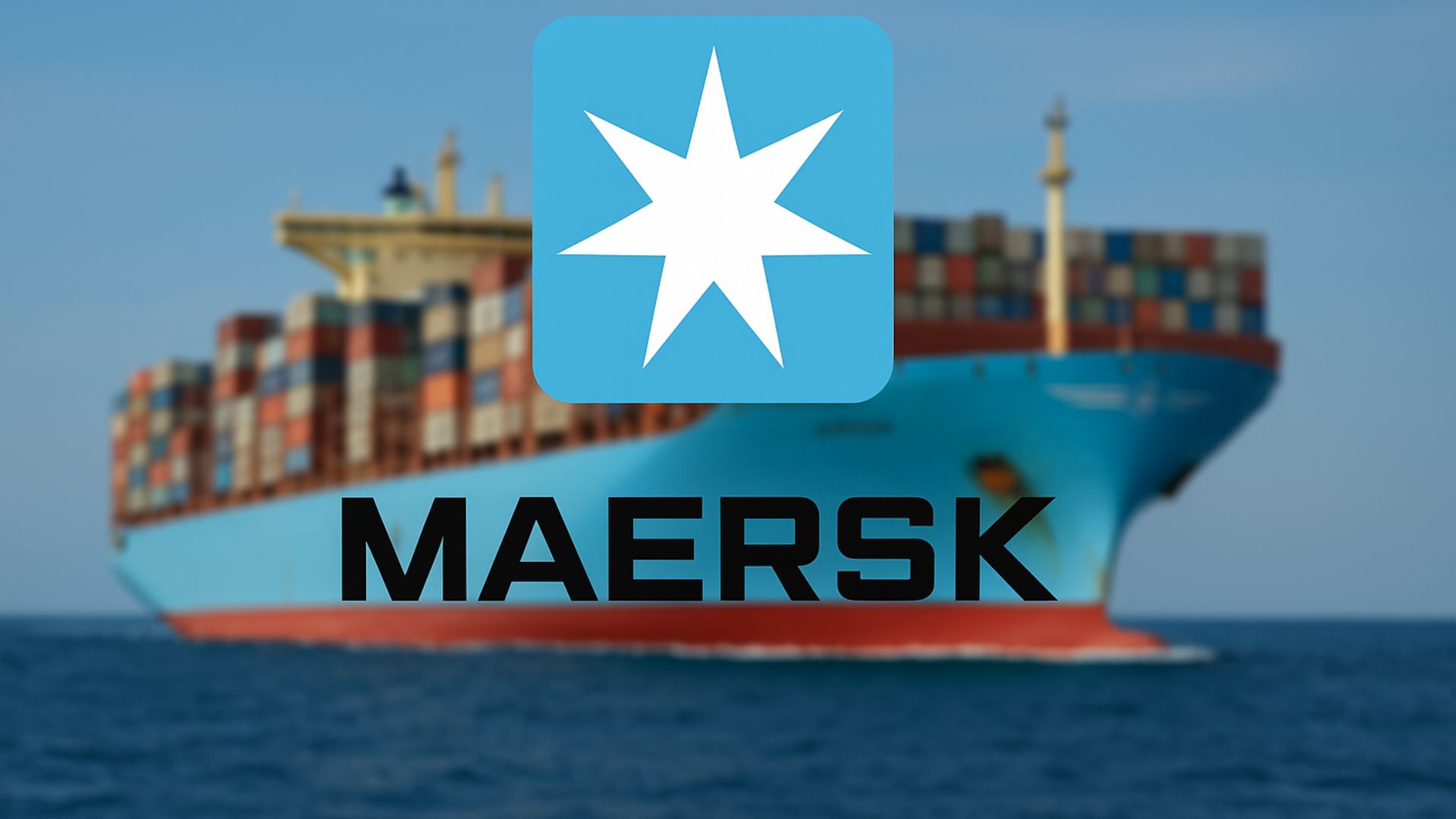
Maersk Tests New Maritime Fuels Mixing Brazilian Ethanol, Methanol, and Bunker on Ships, Advancing Sustainability and Decarbonization of Global Navigation
On October 20, 2025, the global shipping giant Maersk began testing a strategic blend of Brazilian ethanol, methanol, and bunker (marine fuel) in the tanks of its ships, marking a significant advancement in the search for sustainable solutions for the maritime sector.
According to a report by Globo Rural, this initiative could open a market of up to 50 billion liters of biofuels and reinforces Brazil’s role as a strategic supplier of clean energy for global maritime transportation.
Maersk Leads the Decarbonization of Ships with Sustainable Marine Fuel
Maersk, which holds about 15% of the global maritime transport market, is leading a transformation in the use of marine fuel. The first tests were conducted on vessels equipped with engines adapted for methanol, and the results were considered positive by Danilo Veras, Vice President of Regulatory Affairs at Maersk Latam.
-
Brazil accelerates decarbonization in the South: International forum in Foz do Iguaçu gathers leaders to discuss the advancement of biomethane in the energy matrix and the potential of “caipira pre-salt.”
-
As diesel prices soar due to conflicts in the Middle East, a Brazilian city decides to test a little-known biofuel that promises to completely replace fossil fuel without adaptation and could change the future of energy in the country.
-
Innovation with biofuel engines transforms agribusiness by replacing diesel without the need for major adaptations, ensuring energy efficiency and helping to reduce dependence on oil.
-
Used Cooking Oil Transforms Into Kerosene: How 1 Million Tons of Used Fat Are at the Center of an Aviation Fuel Market That Could Attract Over $1 Trillion in Investments, Already Fuels Planes with Up to 80% Lower Emissions, and Triggered a Global Competition for This Waste

The company is now moving forward to test ethanol in conventional ships, mixed with marine diesel (bunker), expanding the scope of the initiative and signaling a structural change in the energy matrix of international navigation.
The initiative is aligned with the climate commitments of the International Maritime Organization (IMO), which aims to reduce greenhouse gas emissions by up to 50% by 2050. By investing in alternative fuels, Maersk positions itself as a reference in innovation and sustainability in the naval sector.
Brazilian Ethanol: A Clean and Strategic Solution for Maritime Transport
Brazilian ethanol, produced mainly from sugarcane, is globally recognized for its high energy efficiency and low carbon emissions.
According to data from the Sugarcane Industry Union (UNICA), sugarcane ethanol can reduce greenhouse gas emissions by up to 90% compared to fossil fuels.
Maersk’s choice of Brazilian ethanol reinforces confidence in sustainability and Brazil’s productive capacity, which already exports the biofuel to other countries and has a consolidated infrastructure to meet the growing demand.
Additionally, Brazil has one of the largest biofuels programs in the world, RenovaBio, which encourages the production and commercialization of renewable fuels based on environmental and energy efficiency criteria.
Blend with Methanol and Bunker: Balancing Performance and Sustainability
The combination of ethanol, methanol, and bunker aims to balance operational performance, cost, and environmental impact. Methanol, for example, is considered a transition fuel, with lower pollutant emissions compared to traditional bunker.
While bunker, despite being a fossil fuel, is still widely used in navigation, Maersk’s proposal is to gradually reduce its share in the blend, replacing it with renewable sources such as ethanol and methanol.
This hybrid approach allows for a gradual and safe transition, without compromising global logistics, while promoting significant environmental gains.
Maersk Initiative Could Open a Market of 50 Billion Liters
According to industry projections, widespread adoption of biofuels in navigation could generate a demand of up to 50 billion liters per year. This volume represents a strategic opportunity for Brazil, which has the installed capacity to expand its ethanol production and meet external market demand.
Moreover, Maersk’s initiative could stimulate investments in new plants, production technologies, and logistics infrastructure, creating jobs and strengthening the green economy.
Brazil positions itself as a leader in maritime energy transition, with the potential to become the main supplier of biofuels for ships worldwide. The growing demand for sustainable solutions in the naval sector could boost the export of Brazilian ethanol and consolidate the country as a global reference.
Sustainable Marine Fuel and International Regulation
The International Maritime Organization (IMO) has set ambitious targets for reducing greenhouse gas emissions in the shipping sector. Maersk’s proposal is aligned with these guidelines, contributing to the fulfillment of global climate commitments.
The adoption of renewable fuels is essential to achieve carbon neutrality by 2050, and initiatives like this accelerate the decarbonization process of maritime transport, which currently accounts for around 3% of global emissions.
Moreover, the IMO has encouraged the use of alternative fuels through stricter regulations on sulfur content in marine fuels, making ethanol and methanol viable and attractive options for companies in the sector.
Technical Challenges and Public Policies for the Use of Ethanol in Ships
Despite advancements, there are still technical and regulatory challenges to overcome. Adapting ship engines to operate with blends of ethanol and methanol requires investments in research and development, as well as international certifications.
Public policies to incentivize the production and export of biofuels will be essential to enable market expansion. Brazil already has programs like RenovaBio, which could be expanded to include the maritime sector.
Maersk is also in dialogue with regulatory authorities and commercial partners to ensure the economic and environmental viability of the initiative. Collaboration between the public and private sectors will be essential to consolidate the use of sustainable fuels in navigation.
Maersk Initiative: Economic and Environmental Impacts
The gradual replacement of bunker with Brazilian ethanol and methanol can generate positive impacts across various fronts. From an environmental perspective, there is a significant reduction in pollutant emissions, contributing to the mitigation of climate change.
From an economic standpoint, the energy transition could boost the biofuel production chain, from sugarcane cultivation to export logistics. It is estimated that the sector could generate thousands of direct and indirect jobs, in addition to attracting foreign investments.
The Maersk initiative is a concrete example of how innovation and sustainability can go hand in hand, promoting benefits for the environment, the economy, and society.
The Future of Sustainable Navigation and Brazil’s Strategic Role
Maersk’s decision to test blends of Brazilian ethanol, methanol, and bunker represents a milestone in the decarbonization of global navigation. With positive results from the initial tests and promising prospects, the initiative paves the way for an energy revolution in the maritime sector.
Brazil, with its expertise in biofuel production, is at the center of this transformation, offering sustainable and competitive solutions for the world. The opening of a market for 50 billion liters reinforces the strategic importance of the country and stimulates the development of a robust green economy.








-

Uma pessoa reagiu a isso.