





 English
  Francês
  Alemão
  Italiano
  Japonês
  Norueguês
  Portuguese
  Spanish
  4 min of reading
  0 comments


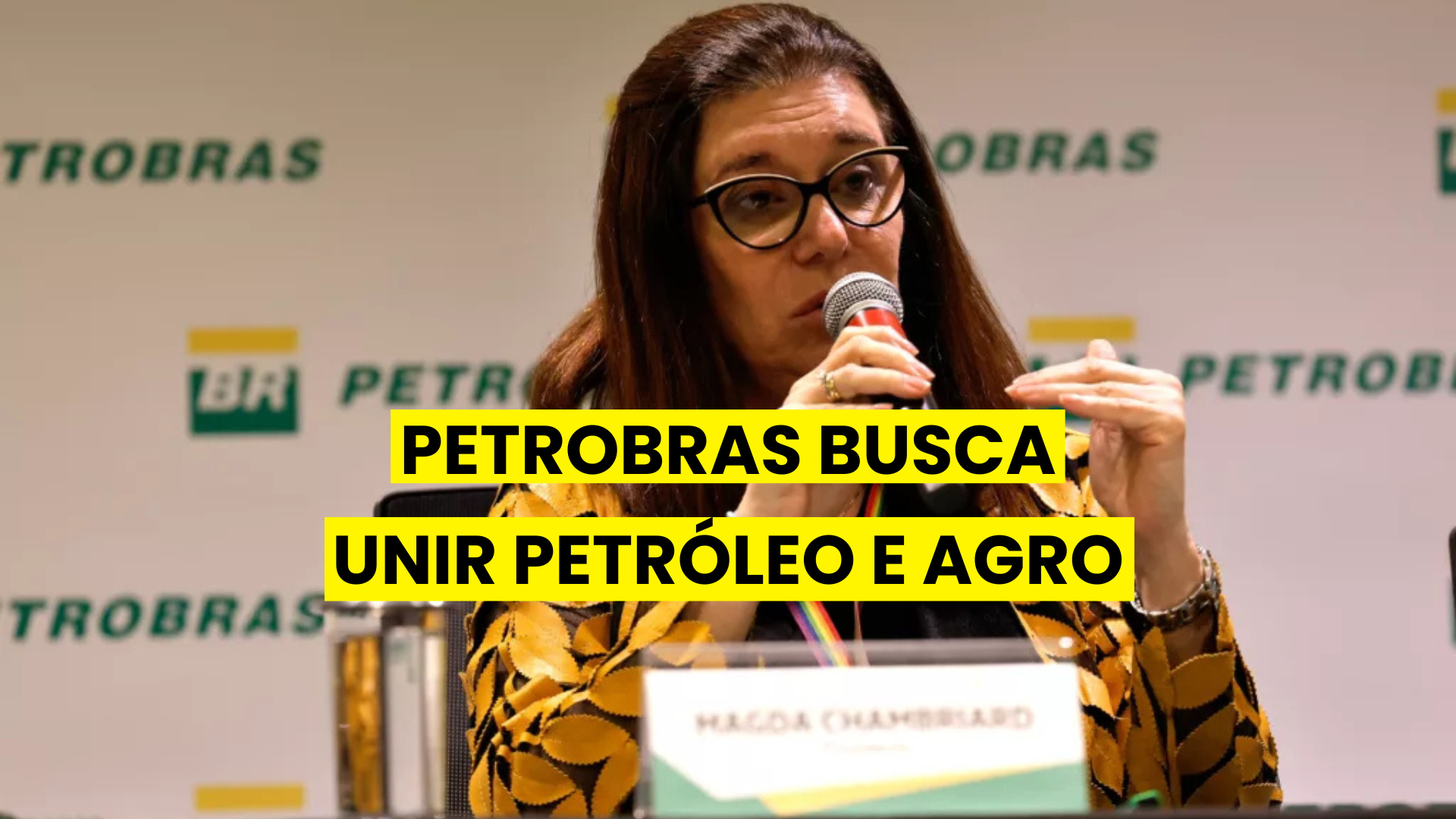
The President of Petrobras, Magda Chambriard, Defends the Integration Between Oil and Agriculture at the Biogas Forum and Reinforces the State-Owned Company’s Commitment to Energy Transition by 2029
During the 12th Biogas Forum, held in São Paulo (SP), the president of Petrobras, Magda Chambriard, highlighted that the state-owned company intends to bring the oil sector closer to Brazilian agribusiness. According to her, the 2025-2029 business plan foresees US$ 16.5 billion in investments in energy transition, reinforcing the pursuit of diversification, sustainability, and innovation.
Chambriard criticized Petrobras’ previous decision to withdraw from the ethanol segment and argued that the country cannot forgo the potential of agriculture to increase clean energy generation. This integration between oil and agriculture emerges as a strategy to accelerate the production of biofuels, increase the use of biogas, and strengthen the national energy matrix.
Petrobras Invests in Oil and Agriculture to Diversify Energy
At the opening of the Forum, Magda Chambriard advocated for the union of oil and agriculture, highlighting that Brazilian agribusiness is essential for Petrobras to Advance in Renewable Fuel Production. The sector is already proving to be a leader in supplying agricultural and industrial waste, which is essential for increasing the production of biogas and biomethane.
-
Brazilian giant expands borders in the Southeast: Petrobras confirms new oil discovery in ultra-deep waters in the pre-salt of the Campos Basin.

-
Alert in the global energy market: Severe tropical cyclone hits the coast and disrupts gas production at major plants in Australia, threatening global supply.

-
Petrobras finds high-quality oil in the pre-salt at 113 km from RJ and reignites expectations about strategic reserves in the Campos Basin.

-
Ocyan opens registrations for startups focused on innovation in the oil and gas sector and will select projects for Innovation Day with the support of Nexio.


According to the executive, the integration is not limited to replacing fossil fuels, but rather adding new sources to the energy mix. The strategy includes ethanol, which had previously been sidelined but is now back on the agenda as part of the company’s low-carbon agenda.
Biogas in the Spotlight at the 12th Biogas Forum
The event, considered the largest in Latin America in the sector, brought together investors, authorities, and renewable energy experts. There, Magda Chambriard emphasized that biogas plays a strategic role in reducing emissions in heavy transport and agribusiness, as well as utilizing agricultural waste more efficiently.
Currently, Brazil has more than 1,600 biogas plants in operation, according to data from CIBiogás. The production has the potential to replace a significant portion of imported diesel, generate savings for the country, and reduce dependence on fossil fuels. For Petrobras, this market represents a new axis of growth and competitiveness.
Petrobras Business Plan 2025-2029 Focusing on Energy Transition
The 2025-2029 business plan of Petrobras foresees total investments of US$ 111 billion, of which US$ 16.5 billion are allocated to energy transition and low-carbon projects. These resources represent about 15% of the company’s total CAPEX during the period.
Among the established goals are:
- Reduce operational emissions by 30% by 2030.
- End routine gas flaring within five years.
- Reinject 80 million tons of CO₂ in capture and storage (CCUS) projects by 2025.
- Achieve operational emissions neutrality by 2050.
In addition to environmental goals, the plan seeks to strengthen Petrobras’ performance in biofuels, bioenergy, and new renewable sources, consolidating the state-owned company as a protagonist in the energy transition in Brazil.
Magda Chambriard and the Future Vision for the Sector
The executive has emphasized that Petrobras must lead the energy transition sustainably, but without abandoning the relevance of oil to the national economy. “It is not about replacing, but rather about adding,” said Chambriard in her speech at the Forum.
This vision reflects a strategy of balance: while maintaining oil as a central source, the company invests in new solutions that strengthen Brazil’s role as an energy powerhouse. For Chambriard, ignoring the potential of agriculture and ethanol would be a strategic mistake that would leave the country at a disadvantage in the global scenario.

The Role of Agriculture in Energy Transition
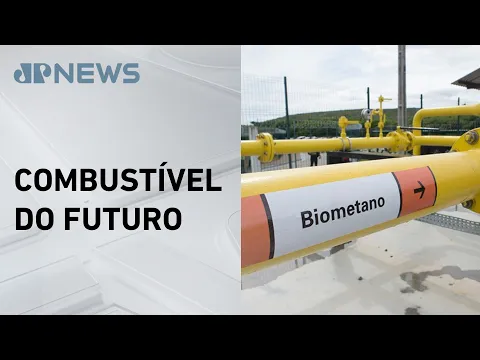
The Brazilian agribusiness is one of the most competitive sectors in the world and generates a large volume of waste with energy potential. Sugarcane residues, animal waste, and crop leftovers can be transformed into biogas, biomethane, and biofertilizers.
This integration with agriculture represents not only environmental gains but also new economic opportunities:
- Increased income in rural areas through energy generation.
- Reduced logistical costs with local production of biomethane.
- Strengthening the biofuels supply chain in the domestic market.
Petrobras’ entry into this process can accelerate investments and give scale to projects that are currently still limited to producers and cooperatives.
Benefits and Challenges of the Union Between Oil and Agriculture
Expected Benefits:
- Economic Diversification: reduce exclusive reliance on oil and gas.
- Sustainability: decrease emissions and advance the climate agenda.
- Productive Synergy: strengthen integration between energy and agribusiness.
Challenges to Overcome:
- Make feasible the return of Petrobras to ethanol, a sector in which it lost ground.
- Establish solid partnerships with agriculture to increase biogas production.
- Avoid that the “energy addition” strategy is merely a justification to maintain strong fossil fuel presence.
Petrobras, Biogas, and New Growth Opportunities
Petrobras is moving towards a strategic repositioning. Under the leadership of Magda Chambriard, the state-owned company seeks to unite oil and agriculture, invest in biogas, and accelerate the energy transition with US$ 16.5 billion by 2029.
This movement has the potential to redefine the Brazilian energy matrix, making the country a reference in biofuels production and in leveraging agricultural waste for energy generation.
Success, however, will depend on the company’s ability to turn discourse into practice, creating incentive policies, attracting investors, and establishing solid partnerships with the agricultural sector.
If the plans are well executed, Brazil can take a decisive step towards reconciling economic growth with sustainability, reinforcing its leadership position in the global clean energy agenda.









-

-

2 pessoas reagiram a isso.