





 English
  Francês
  Alemão
  Italiano
  Japonês
  Norueguês
  Portuguese
  Spanish
 5 min of reading
  0 comments


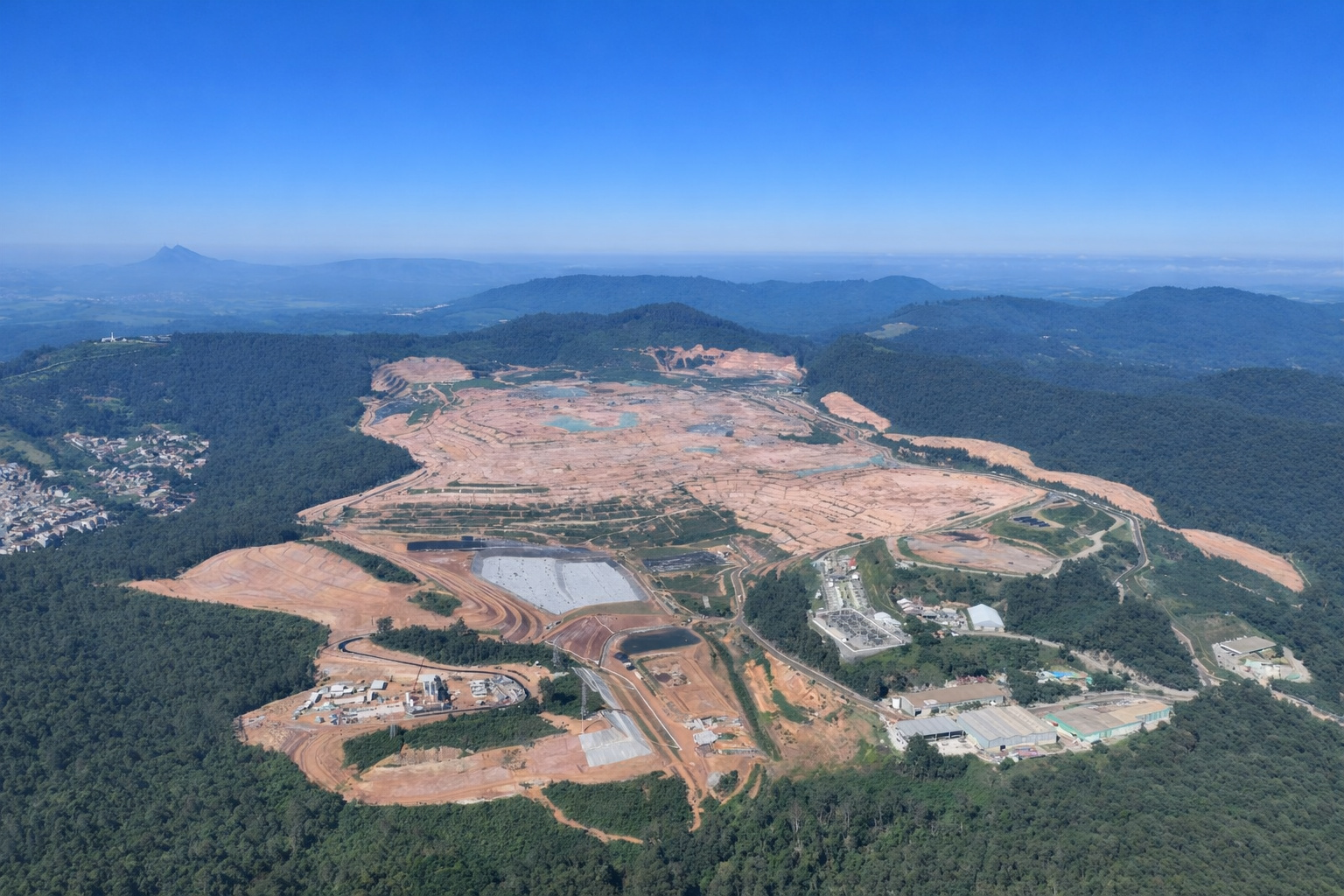
Largest in Latin America Becomes a Reference for Converting Waste Into Biomethane, Driving the Energy Transition, and Showing How Landfills Can Generate Clean Energy Sustainably.
First of all, the transformation of the largest in Latin America landfill into a biomethane plant symbolizes a deep change in how Brazil deals with waste and energy. In this sense, in São Paulo, this venture brings together waste management, technological innovation, and energy transition in a single project, while addressing current environmental challenges and, at the same time, future energy demands.
For many years, on the other hand, society viewed landfills merely as the final destination for urban waste. With population growth and, furthermore, increased consumption, large urban centers began prioritizing the quick disposal of waste. However, this traditional model focused solely on confining the garbage and, consequently, ignored its energy and environmental potential for decades.
With the advancement of the climate debate, especially from the late 20th century, this logic began to change. Thus, governments and companies started questioning old practices. In this new scenario, therefore, the largest in Latin America landfill takes on a strategic role, as it stops representing merely an environmental liability and instead acts as an energy asset aligned with the circular economy.
-
A study reveals the expansion of renewable energy procurement in Brazil and shows how companies are taking advantage of opportunities to reduce expenses, ensure energy efficiency, and strengthen strategic environmental commitments.

-
Mato Grosso do Sul excels in the sugar-energy sector: the state reaches a milestone of 22 operating mills and accelerates the production of clean energy in MS with a focus on sustainability.

-
National energy dilemma: Brazilians support clean energy but reject increases in tariff costs to finance the sustainable transition.
-
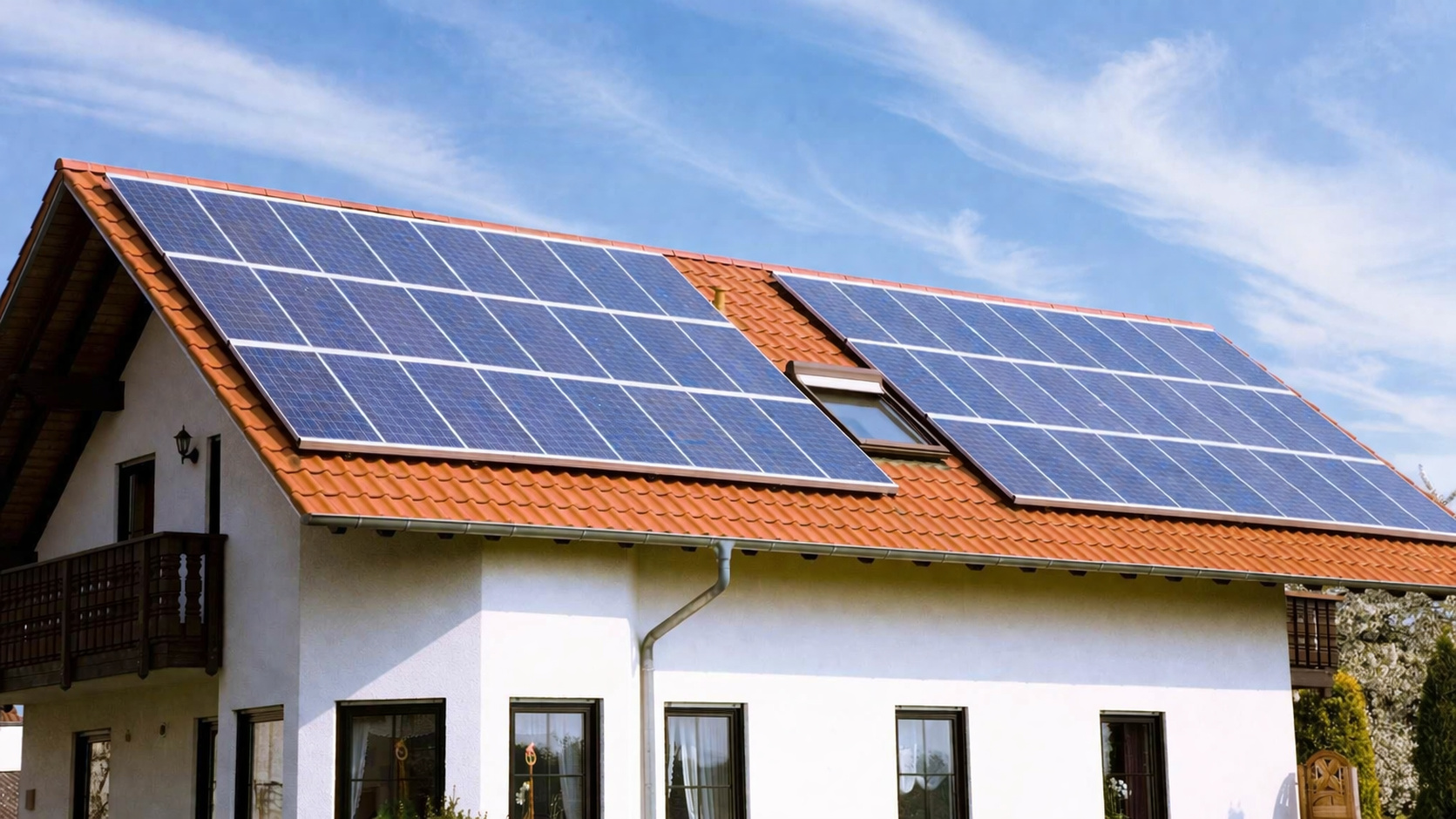
Research indicates that Brazilians support clean energy and wish to advance in the energy transition, but reject paying more on their electricity bill, showing a direct conflict between cost and sustainability.


Moreover, the production of biomethane from biogas generated by the decomposition of organic waste emerges as one of the most promising solutions for the energy transition. Biogas, in turn, has always posed environmental concerns due to its high global warming potential. However, by capturing, treating, and purifying this gas, the largest in Latin America landfill reduces emissions, improves environmental control, and, consequently, produces a renewable fuel capable of replacing fossil sources.
Biomethane as a Historical Response to Environmental Challenges
Historically, the use of biomethane has been part of the energy matrix of several countries. In Europe, for example, investments in this technology began in the 1990s. At that time, stricter environmental policies and the search for energy security drove this movement. Thus, these countries demonstrated, in practice, that the energy recovery of waste reduces emissions and creates economic value.
In Brazil, however, this process has gained momentum more recently. As the country began to discuss in greater depth the diversification of the energy matrix, sanitation, and climate goals, new opportunities emerged. In this context, the project developed in São Paulo stands out not only for its scale but also because it shows how international solutions can be adapted to Brazilian reality.
Over time, São Paulo has established itself as one of the main urban and industrial hubs in Latin America. As a result, waste generation has significantly increased. In light of this, transforming the largest in Latin America landfill into a biomethane plant directly addresses this historical challenge. Thus, the initiative proves that urban growth and emissions reduction can go hand in hand.
In addition to the environmental aspect, this process also strengthens the green economy. The production of biomethane, for example, drives the sanitation chain, stimulates technological innovation, and consequently, generates direct and indirect jobs. Moreover, by replacing fossil fuels, biomethane reduces external energy dependence and reinforces national energy security.
Green Economy, Carbon Credits, and Environmental Gains
In this scenario, carbon credits play a central role. Since the creation of international emission compensation mechanisms, projects that capture and utilize methane have gained relevance. Thus, the energy recovery of biogas in such a large-scale enterprise allows for the generation of millions of carbon credits over time. Therefore, the largest in Latin America landfill reduces local environmental impacts and, at the same time, becomes part of a global climate change mitigation market.
Furthermore, the environmental benefits go far beyond the reduction of greenhouse gases. The modernization of the landfill includes, for example, continuous environmental monitoring, hydrogeological control, efficient leachate treatment, and recovery of degraded areas. As a consequence, these actions protect soil, water, and air, as well as improve relations with surrounding communities.
At the same time, the energy transition requires diverse and complementary solutions. Therefore, sources such as solar, wind, hydroelectric, and biomass work together. In this context, the biomethane produced at the largest in Latin America landfill occupies a strategic position, especially for sectors that demand gaseous fuels, such as heavy transportation and industry.
Diversification of the Matrix and Long-Term Vision
When analyzing the historical context, it becomes evident that Brazil has always maintained a strong connection with renewable sources, especially hydroelectric power. However, the excessive dependency on this source revealed vulnerabilities during periods of water crises. For this reason, the diversification of the energy matrix, with the inclusion of biomethane, strengthens the resilience of the system and expands clean generation alternatives.
Moreover, the initiative in São Paulo stimulates the discussion about public policies aimed at waste management. For many years, this topic was treated in a fragmented manner. However, the experience of the largest in Latin America landfill demonstrates that sanitation, energy, and environment can walk together in integrated and efficient policies.
Finally, the timeless character of this project lies precisely in its adaptability. Even with the advancement of new technologies, the energy valorization of waste will remain essential, especially in large urban centers. Thus, biomethane is likely to gain even more space as governments and companies seek to reduce emissions and meet climate commitments.
In summary, the transformation of the largest in Latin America landfill into a biomethane plant represents much more than a point solution. On the contrary, the project concretely shows how the energy transition can turn problems into opportunities. In this way, by uniting historical context, innovation, green economy, and long-term vision, the São Paulo landfill establishes itself as an evergreen reference for sustainability and development.









-

-

-

-

16 pessoas reagiram a isso.