





 English
  Francês
  Alemão
  Italiano
  Japonês
  Norueguês
  Portuguese
  Spanish
  3 min of reading
  7 comments


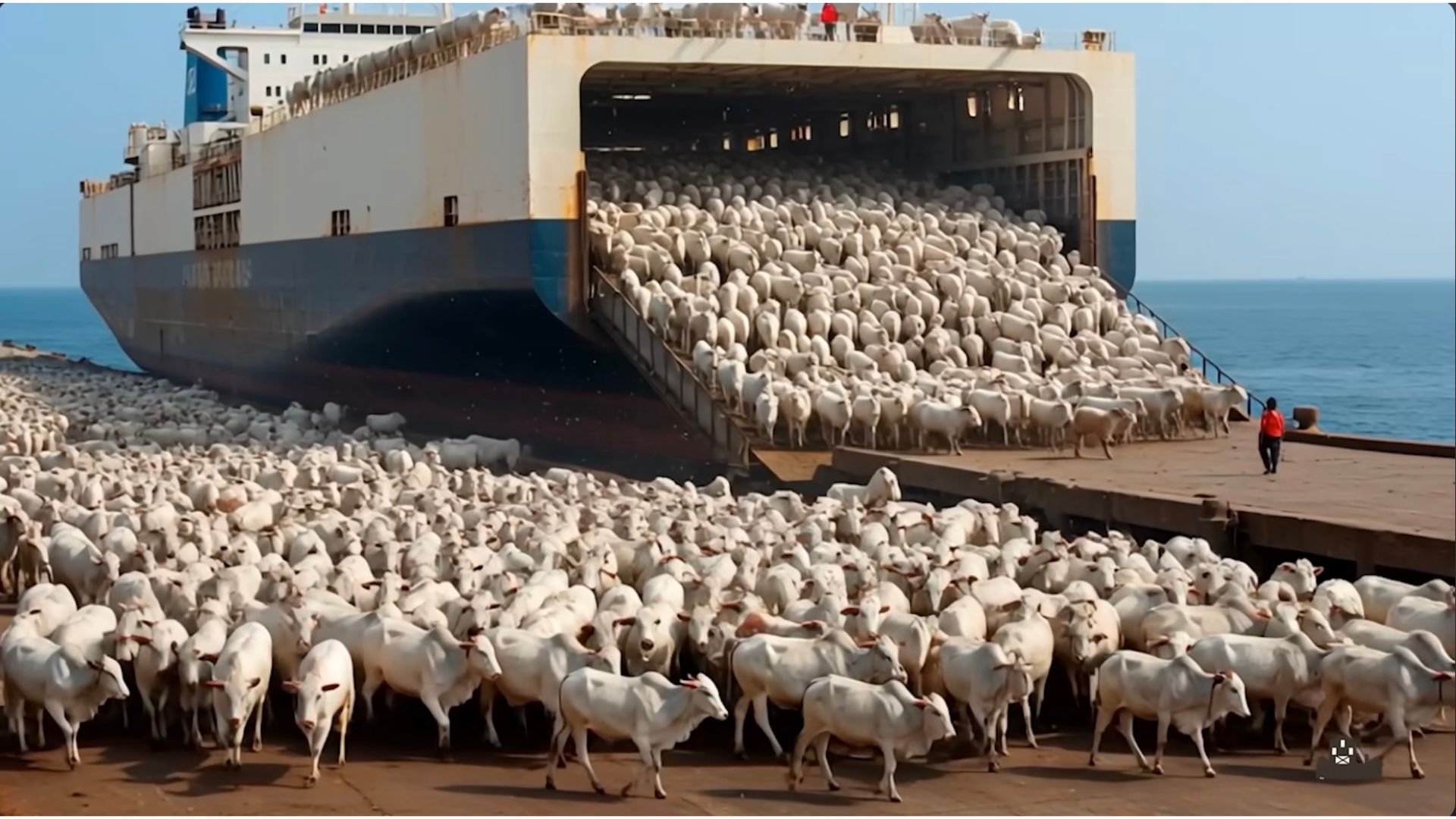


Port Infrastructure, Strategic Coordination and Economic Impact Place Brazil at the Center of International Trade
The Brazilian agribusiness has once again demonstrated its strength by executing one of the largest logistics operations ever recorded in the rural sector. This time, the movement involved thousands of tons in a single coordinated action, requiring rigorous planning, robust infrastructure, and total integration among different stages of the production chain.
Furthermore, the operation drew attention for its speed and technical organization. While many see only the volume shipped, experts highlight mainly the operational capacity that the country demonstrated.
The information was highlighted in specialized publications in the sector, which emphasized the economic impact and the complexity of the structure put in place. Therefore, it is not just about a large-scale shipment. It is a clear demonstration of the logistical maturity of the national agribusiness.
-
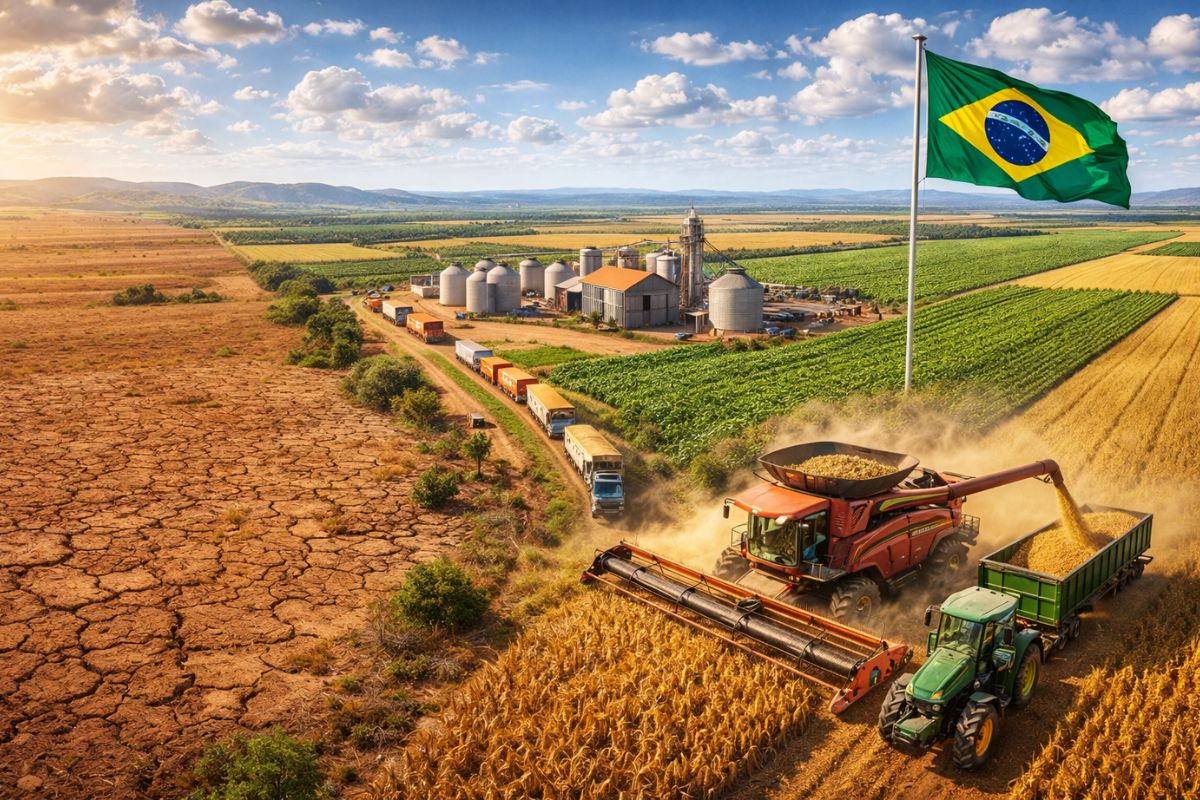
Forgotten region becomes a powerhouse in the heart of Brazil, transforming unproductive lands into fortune and making MATOPIBA the new billion-dollar agricultural empire that almost no one saw being born.
-
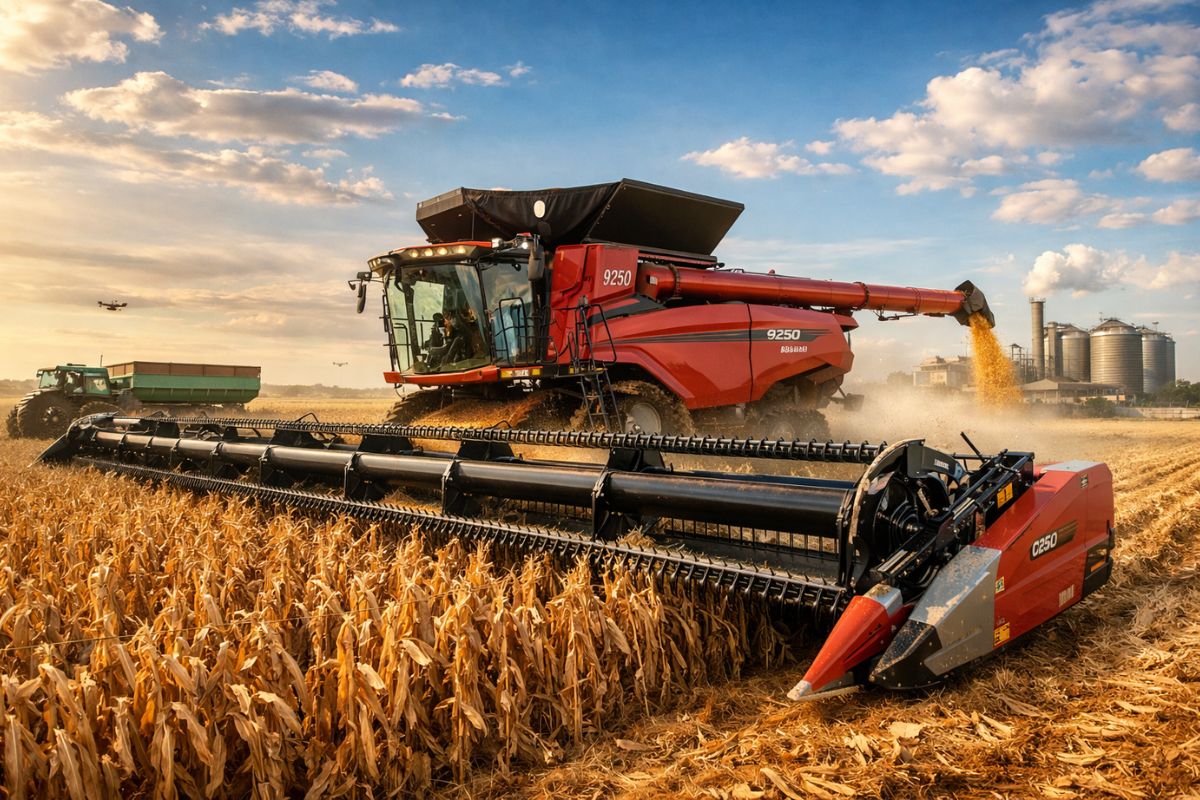
With a 775 hp engine, the world’s largest axial combine harvester arrives in Brazil, promising to harvest more in less time with advanced automation and the capacity for platforms up to 61 feet.
-
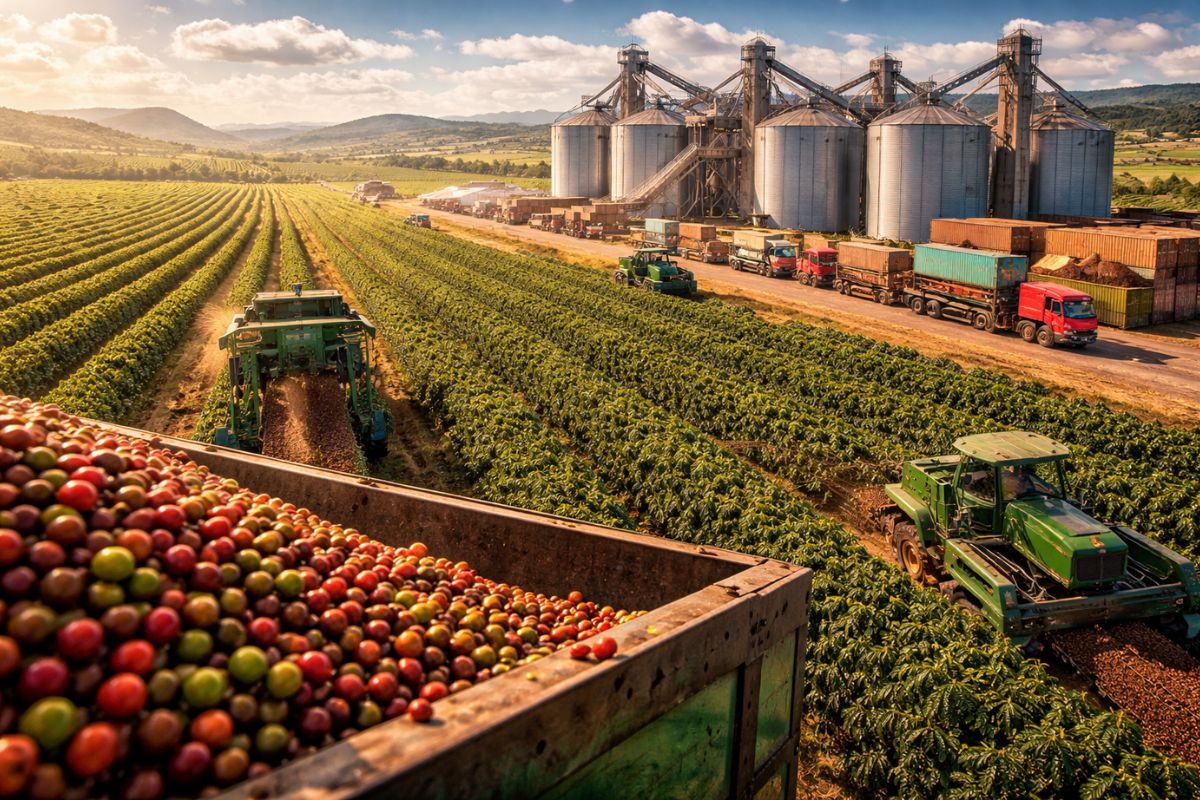
With 18 million feet, giant farms, and 2.2 million sacks per year, a mining group is building a coffee empire in Brazil with heavy mechanization, giant silos, and exports to various continents.
-
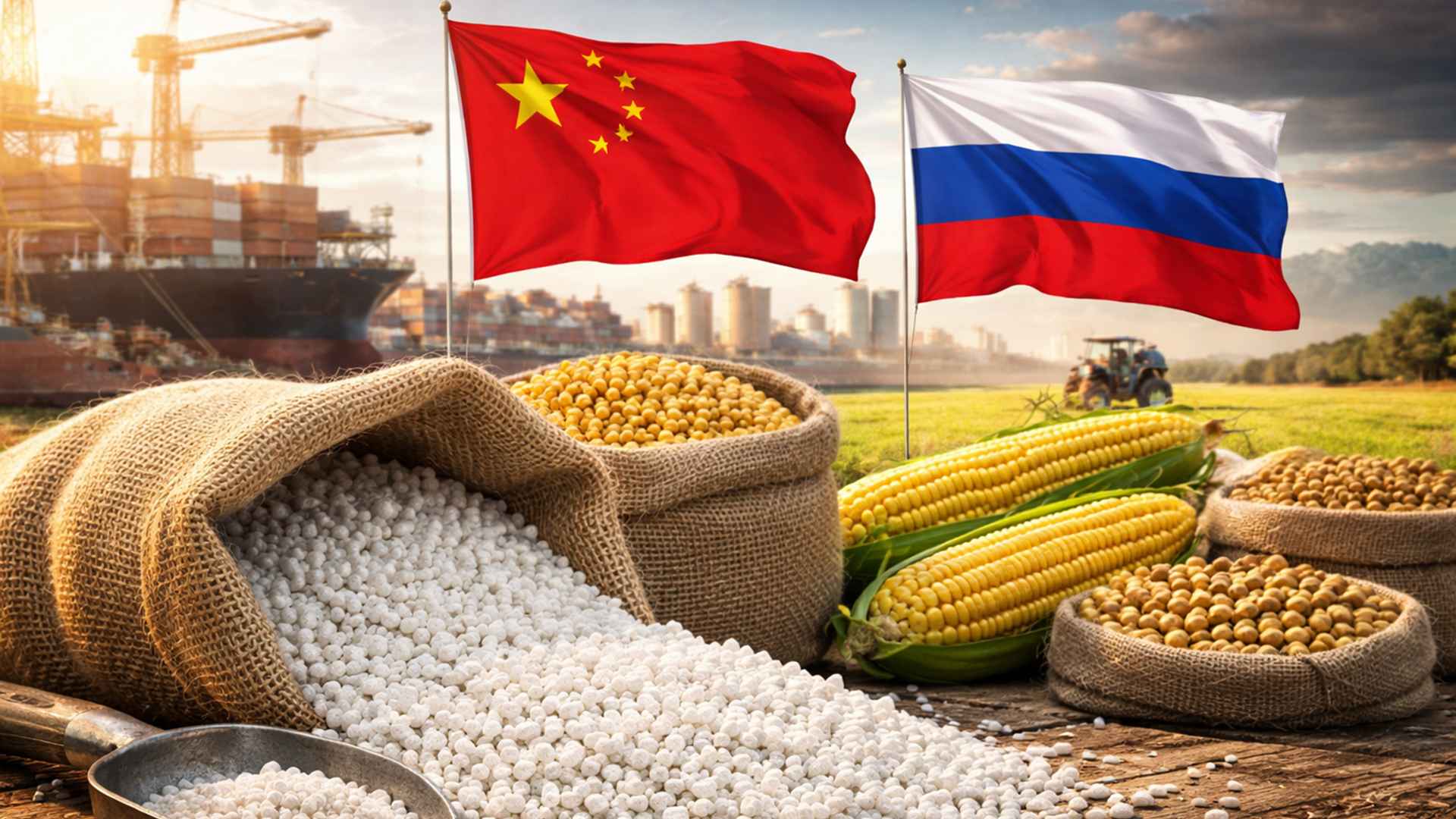
China and Russia suspend fertilizer exports, prices soar, and Brazil is already at real risk of shortages in the fields.

Integrated Logistics Requires Simultaneous Coordination and Technical Precision
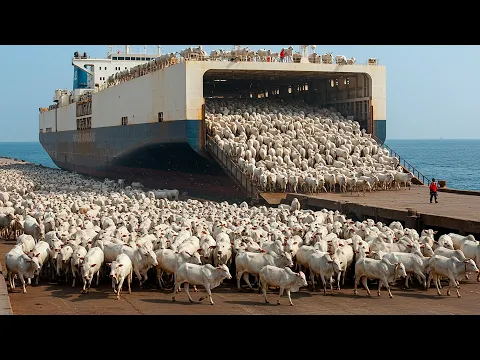

Before the shipment, technical teams organized inspections, authorizations, and international certifications. At the same time, logistics operators coordinated schedules with port authorities and carriers.
Consequently, the operation required absolute synchronization between trucks, waiting areas, monitoring systems, and specialized vessels.
The ships used are equipped with modern ventilation systems, storage, and onboard technical support. Moreover, engineers and supervisors monitored each stage to avoid delays or operational failures.
Meanwhile, tracking systems ensured real-time control of the movement. In this way, those responsible were able to anticipate adjustments and keep the schedule on track.
Therefore, the complexity lies not only in the volume transported but in the logistical machinery that connects the field, highways, ports, and the international market.
Billion-Dollar Impact Strengthens Brazil’s Role in Foreign Trade
Operations of this magnitude generate significant figures and strengthen Brazil’s position on the global stage. In addition to the direct impact on the trade balance, the action generates revenue for carriers, port operators, insurers, and technical service providers.
At the same time, the scale allows for efficiency gains. The larger the operation, the lower the unit transportation cost tends to be. Consequently, the country enhances its international competitiveness.
Furthermore, the agribusiness demonstrates that it can execute high-complexity logistics projects without compromising deadlines or technical standards. This reinforces the confidence of foreign buyers and expands future opportunities.
Meanwhile, the modernization of port infrastructure becomes increasingly strategic. Investments in technology, automation, and risk management are becoming decisive differentiators.
Thus, this mega-operation symbolizes not only a milestone in cargo movement. It represents, above all, the consolidation of Brazil as a logistics powerhouse in the rural sector.
And now I ask you: do you believe that the country has already reached its logistical limit, or will we still see even larger operations in the coming years?
Source: Fatos Rurais










O hoverno federal tem ver isso o agro explora trabalhores do campo paga mal alimenta não e não respeita direitista sociais fis trabalhadores nao paga impostos de exportação e ainda tem retorno so paga o imposto da Fazenda e da terra plantada mas tem altos financiamentos do governo federal com impostos suados do trabalhadores e povo consumidor que pagam muito caro pelos restos e refugo do agro que fica no Brasil pois o melhor o filé e tudo para exportação mas se lugar governo central o agro e riquíssimo e o povo que produz no agro cada fez nais pobre. O governo tem rever isso presidente .e governo central teve que proteger o povão pobre assalariado que produz a riqueza do país.
Com exportação deste tamanho esta a razão que estamos pagando o preço no k de carne em nosso País que devíamos esta pagado mas barato acarne em nosso país mas aganacia dos pequaristas e do Presidente que eu nem sei se posso chamar de Presidente é grade que dexa corre frocho a farra do **** !
ISSO SÓ DEMONSTRA QUE O AGRONEGÓCIO NÃO PRECISA DE INCENTIVOS FISCAIS! Ou o governo toma vergonha e passa a cobrar impostos como se deve dessa gente, ou Brasil irá virar uma grande fazenda, perdendo por falta de incentivos, o resto das indústrias que ainda temos, para sustentar nas costas o Agronegócio, emquanto eles utilizam o excedente monetário para financiar novamente golpes de estado e retrocessos ao país. Mas para incentivar a indústrialização, primeiro há que se regular melhor o mercado financeiro e acabar com o rentismo, para que o capital passe a circular e valha a pena assumir riscos na bolsa de valores, ao invés de deixar parado nos bancos recebendo juros sem produzir nada!
Agro é tudo
Parabéns
Discordo de vc em gênero, número e grau
Discordo totalmente,o que esse desgoverno deveria fazer e tomar **** e parar de aumentar os impostos,adequar seus gastos públicos com viagens turísticas que não resolve nada a situação do Brasil, apenas de uma meia dúzia de empresários, tipo JBS e outros que dominam o mercado brasileiro de carnes e proteínas ****, como diz aquele velho ditado popular,aos amigos tudo,aos pobres e trabalhadores só impostos e mais nada.