





 English
  Francês
  Alemão
  Italiano
  Japonês
  Norueguês
  Portuguese
  Spanish
  3 min of reading
  2 comments


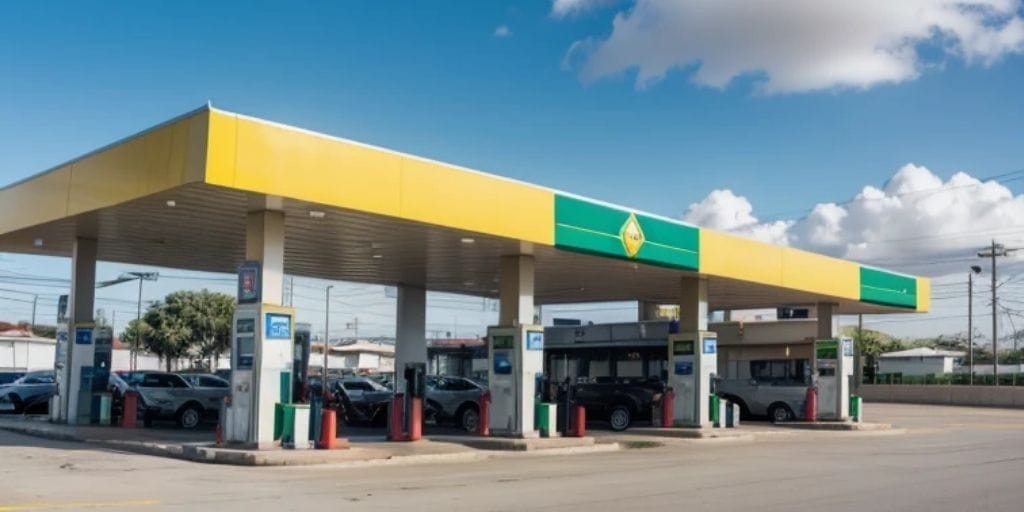

The Criminal Network of the First Command of the Capital (PCC) Now Extends to Gas Stations, with Estimates Indicating That More Than 900 Stations Across the Country Are Under the Control of This Faction. The Bold Strategy Also Includes the Acquisition of Five Ethanol Plants.
This expansion is not limited to the PCC, as other factions such as the Red Command and the Command of the North are also infiltrating this lucrative market, according to information from the Legal Fuel Institute (ICL).
This investment in the fuel sector is highly strategic, considering that state tax revenue in this segment exceeds R$ 20 billion annually.
In May of this year, São Paulo Governor Tarcísio de Freitas highlighted this concern during an agenda in New York, mentioning that the PCC controls around 1,100 gas stations throughout Brazil.
-
Expansion of Federal Institutes: 38 new campuses and R$ 200 million for public education; see the cities included.

-
Lula’s government changes rule in important benefit and thousands of Brazilians will no longer receive it; see what has changed.

-
New Gripen fighter makes Argentines surrender to Brazil, and the heavy reaction exposes envy, frustration, and shock at Brazil’s technological leap.

-
This discovered deposit near the Andes could change the future of Argentina, attract billions, and even shake up the global metals market.


“What worries me about organized crime is when they start buying ethanol plants, because they won’t pay a fair price for sugarcane. They will blackmail producers to pay less and use force for that,” stated the governor at the time.
According to the newspaper O Tempo, in an article published this Wednesday (26), the criminal organization is rapidly expanding in the fuel sector, moving from isolated cases to a well-organized structure.
According to the cited website, a person active in the market stated that the participation of the PCC in the fuel sector occurs because the segment is conducive to money laundering.
Because of this, in an attempt to consolidate their presence, criminal factions advance in all links of the fuel chain, from gas stations to distributors and plants. Fronts are frequently used to facilitate illegal business. “The entire area involving the fuel sector is harmed. It is the sector that raises the most in terms of taxes, considering federal taxes and state,” the person told the mentioned newspaper.
Financial and Competitive Impact
The financial impact of this infiltration is significant. The tax evasion in the fuel sector generates an estimated loss of up to R$ 14 billion for the country.
Fraud and adulteration in fuel sales represent an additional shortfall of R$ 19 billion. According to the source, “from a competitive standpoint, there is no way for an honest businessman to compete with those who operate illegally.”
Factions Operating in All States
According to the newspaper, the operation of factions in the fuel market covers almost all regions of Brazil. States like Rio de Janeiro, São Paulo, Paraná, Bahia, and Pernambuco are the most affected.
Moreover, recently, the Midwest also became a target, with Goiás, Mato Grosso, and Mato Grosso do Sul, major producers of ethanol, coming under the watch of the factions. In Minas Gerais, operations are concentrated in the Triângulo Mineiro and South of the state, due to proximity to São Paulo and Rio de Janeiro.
However, despite the gravity of the situation, the Public Ministry of Minas Gerais (MPMG) reported that it is not investigating any such cases in the state.
On the other hand, the Ministry of Justice and Public Security stated in a note that initiatives are underway to combat organized crime, through the Integrated Operations and Intelligence Directorate and the National Agency of Petroleum, Natural Gas and Biofuels (ANP).
However, the lack of concrete data on the infiltration of the PCC in the fuel market remains a challenge for authorities. This complexity of the investigation is further increased due to the operational base of the PCC in Bolivia, given the difficulty in collecting investigative elements outside of Brazil.
And what do you think about this infiltration of criminal factions in the fuel sector? Are we prepared to face this new modality of organized crime? Leave your opinion in the comments!







A fragilidade das leis nos causa muita preocupação, as leis existem, mas os jestores fazem vista grossa e a tendência é piorar
Deixe-me entender, eles tem os nomes rg’s cpf’s cnpj’s e endereços, que faltam para fecharem os postos e jogar na ****. Se pagarem taxas/impostos/tributos/ contribuições tudo bem????