





 Portuguese
  English
  Spanish
  4 min of reading
  0 comments


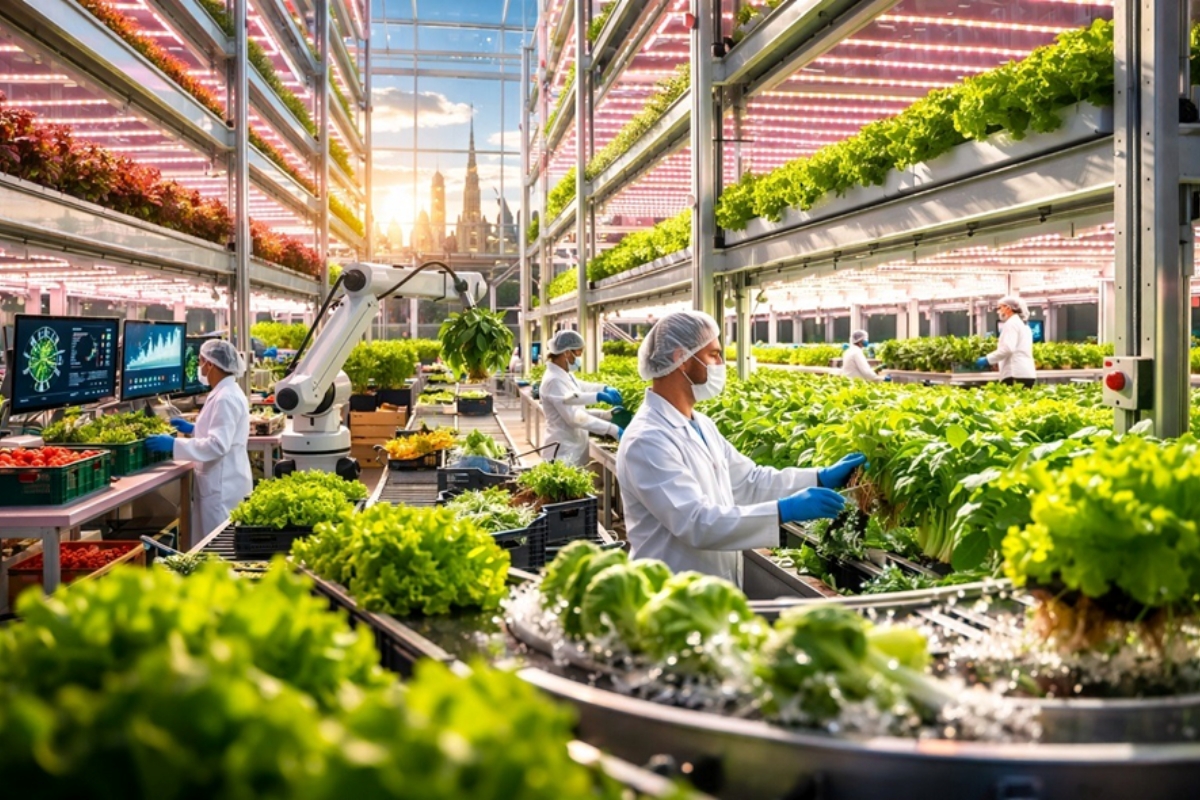
In Dubai, the Vertical Farm Bustanica Achieved Annual Production of About One Thousand Tons of Vegetables in a 31,000 m² Structure to Ensure Food Security, Leading to Extreme Water Use Reduction and Attracting the Attention of Global Climate Leaders
Producing food in the desert, all year round, without relying on rain, fertile soil, or seasons seemed impossible until recently. But a massive agricultural structure built in Dubai is impressively changing this logic.
In the country that hosted COP28, initiatives aimed at sustainable production gained strength as a direct response to climate change and the need for food security. Among them, one facility stands out for its scale and the technology applied.
It is Bustanica, considered the largest vertical farm on the planet, capable of growing food in layers within a highly controlled building. The project has become a symbol of agricultural innovation in arid regions.
-
The sugar-energy sector advances with agricultural technology, but agricultural productivity still raises concerns.
-
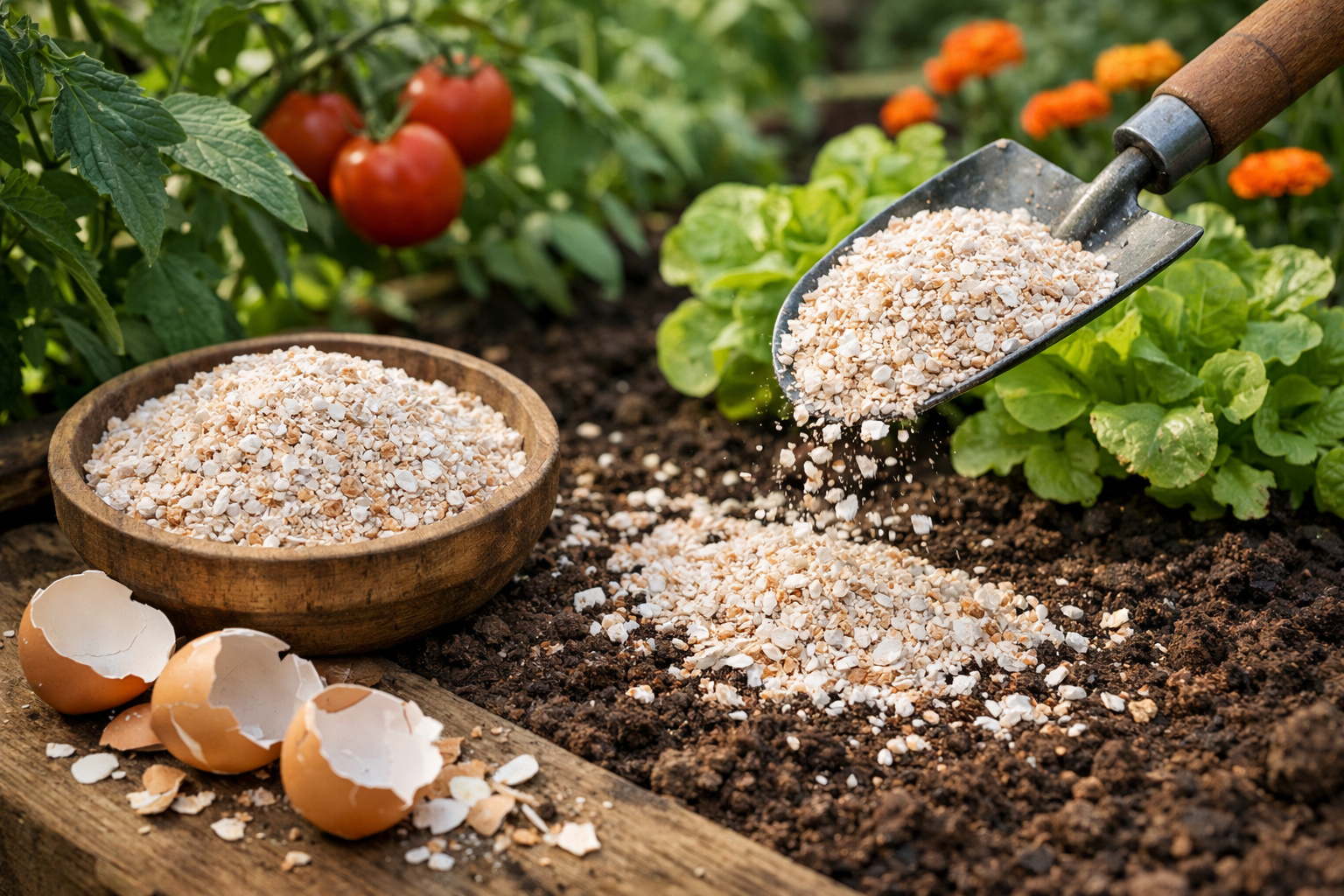
The eggshell that almost everyone throws away is made up of about 95% calcium carbonate and can help enrich the soil when crushed, slowly releasing nutrients and being reused in home gardens and vegetable patches.
-
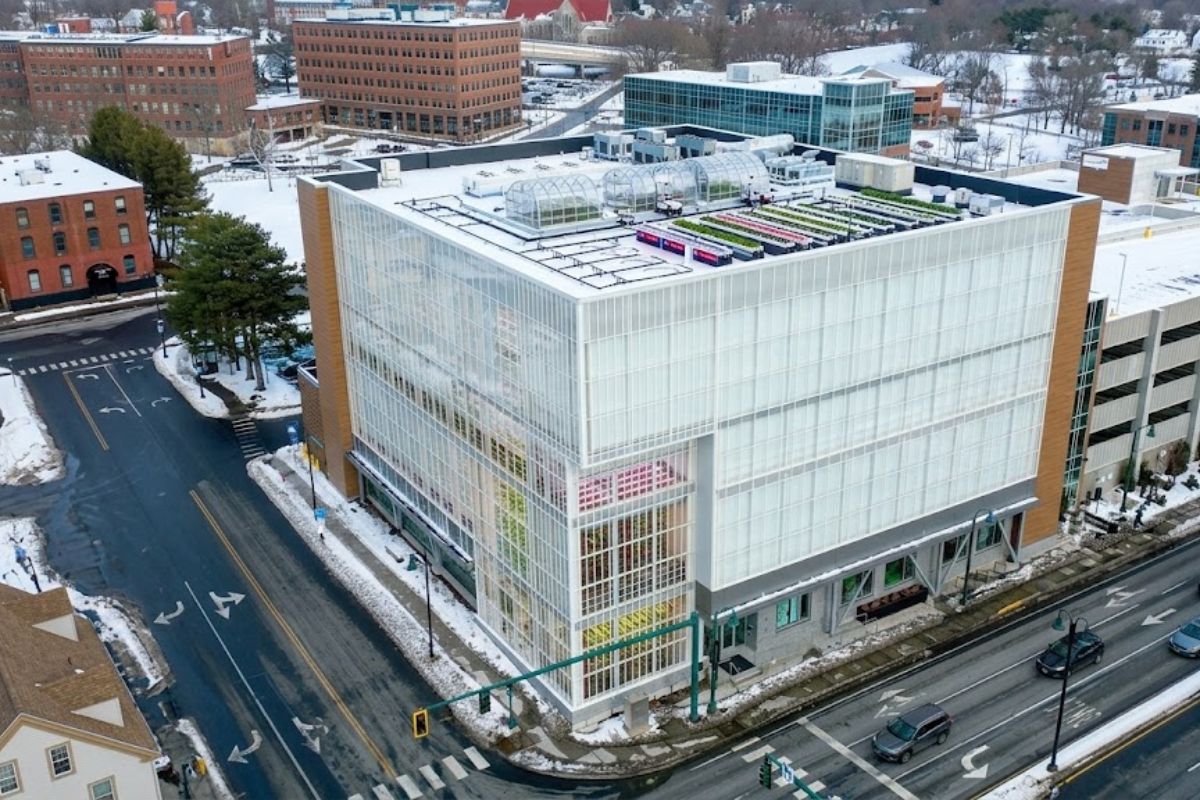
This farm in the United States does not use sunlight, does not use soil, and produces 500 times more food per square meter than traditional agriculture: the secret lies in 42,000 LEDs, hydroponics, and a system that recycles even the heat from the lamps.
-
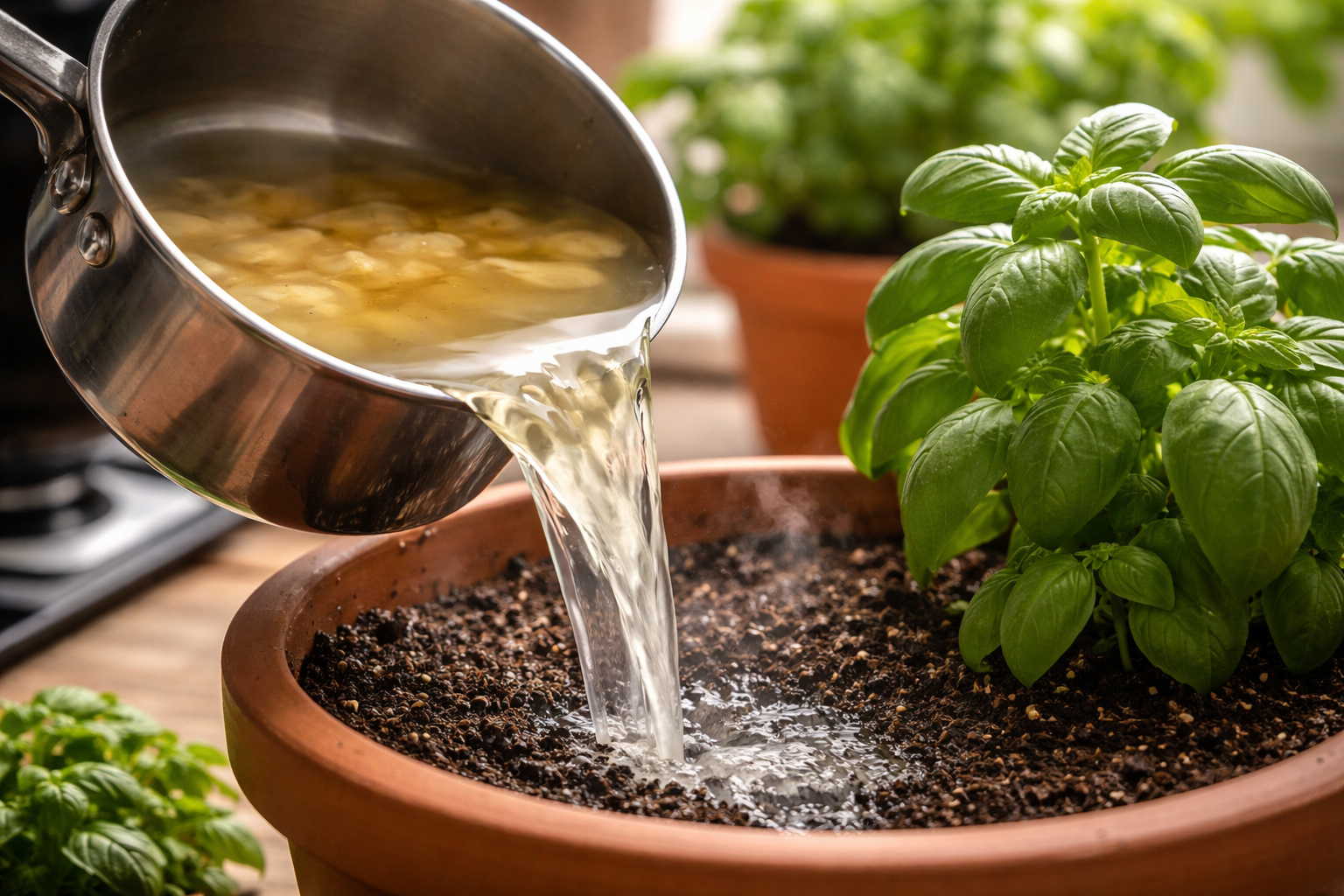
The water that almost everyone throws away after cooking potatoes carries nutrients released during the preparation and can be reused to help in the development of plants when used correctly at the base of gardens and pots, at no additional cost and without changing the routine.

The impact is not just visual. The numbers, efficiency, and productive capacity demonstrate how cultivation can be reinvented in extreme environments.
The Mega Agricultural Structure That Became a Global Reference in Sustainable Production
Bustanica was inaugurated in June 2022 after an investment of about 40 million dollars. The name means “your garden” or “your orchard” in Arabic, reflecting the proposal to produce fresh food on a large scale even in desert climates.
The facility belongs to Emirates Crop One, a joint venture formed by Emirates Flight Catering and Crop One. The farm is located near Al Maktoum International Airport, a strategic position for logistics and distribution.
Production is primarily focused on vegetables, but there are plans to expand the portfolio, increasing the variety of foods grown in the vertical environment.

How Cultivation Works in Layers Inside the Agricultural Building
The system uses vertical farming in a fully controlled environment. Plants are grown in stacked layers distributed across three floors within an area of approximately 31,000 square meters.
Each room houses about 45,000 plants at different stages of growth. The environment is modular, divided by independent rooms, allowing specific adjustments for each crop.
Temperature, humidity, lighting, irrigation, and nutrients are precisely monitored. This detailed management provides the plants exactly what they need at the right moment, maximizing growth and yield.
The result draws attention for its efficiency and the standardization of production.
Continuous Production for 365 Days Without Climate Interference
One of the biggest differentiators is the independence from external factors. The farm produces food year-round, without being impacted by extreme heat, floods, droughts, or pests.
This control eliminates common risks of traditional agriculture and ensures harvest predictability, a strategic element for regions that depend on food imports.
From planting to the first harvest, the cycle takes about six weeks, accelerating the availability of fresh products in the local market.
What once depended on seasons now occurs continuously and on schedule.
Up to 95% Reduction in Water Use with Internal Recycling System

Water consumption is one of the most impressive points of the project. The system uses up to 95% less water than conventional agriculture.
As the plants grow, they release moisture into the environment. This moisture is captured by air exchange systems, turned into condensate, and sent for treatment.
After recycling, purification, and cleaning, the water returns to cultivation. The process creates a closed-loop water reuse cycle, essential in regions with scarcity.
Additionally, the production does not require pesticides and does not degrade the soil, as there is no planting in the ground.
Productive Scale and Direct Impact on Food Security
The farm produces about one thousand tons of food per year using a much smaller area than required in traditional agriculture.
This efficiency reinforces national strategies such as the Water Security 2036 and the National Food Strategy 2051 of the United Arab Emirates.
Local production reduces dependence on imports and strengthens internal supply, a central theme in global climate discussions.
Experts point out that models like this are likely to expand to other regions facing similar challenges.
Why Vertical Agriculture Gained Prominence in Climate Discussions
During COP28, leaders reinforced the need to transform food systems to limit global warming to 1.5 degrees Celsius.
The agricultural sector accounts for about one-third of global emissions, which increases the pressure for sustainable solutions.
Vertical agriculture emerges as a strategic alternative by allowing intensive production with less use of natural resources.
Environmental authorities emphasize that technological innovation will be a key part, although it is not the only solution needed for global food transition.
The conference brought together more than 70,000 participants, including heads of state, scientists, businesses, and organizations to discuss paths toward international climate goals.
The existence of projects like Bustanica shows that part of this transformation is already underway and at scale.
The vertical farm in Dubai synthesizes a larger movement of reinventing agriculture in light of climate change. The combination of technology, water efficiency, and continuous production transforms a desert environment into an agricultural hub, something that just a few years ago seemed unlikely and that today attracts the attention of governments and experts worldwide.










-

3 pessoas reagiram a isso.