





 Portuguese
  English
  Spanish
  5 min of reading
  0 comments


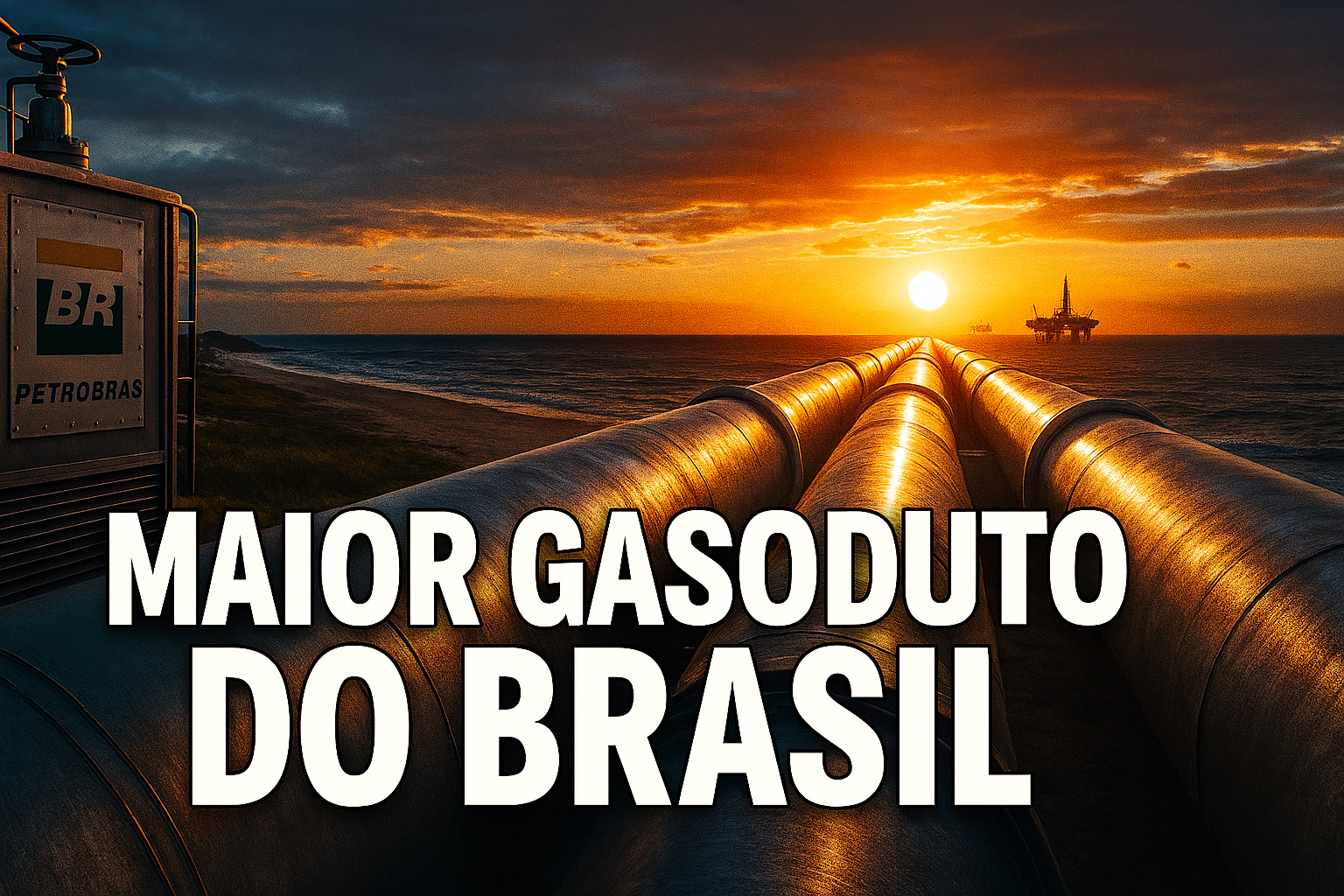
With 355 km in length and 2,200 m in depth, the Rota 3 Gas Pipeline is the largest in Brazil ever built by Petrobras, transporting 18 million m³ of gas per day and connecting the pre-salt to Rio de Janeiro.
Few Brazilians are aware of the grandeur and complexity behind the system that transports natural gas from the depths of the pre-salt to the continent. The Rota 3 Gas Pipeline, operated by Petrobras, is one of the largest underwater engineering projects ever undertaken in Latin America and the largest gas pipeline in Brazil in terms of capacity and submerged length. With 355 kilometers long, it crosses the ocean at over 2,000 meters depth, connecting the pre-salt fields of the Santos Basin to the Natural Gas Processing Unit (UPGN) located in Itaboraí, in the state of Rio de Janeiro.
The Monumental Structure of Rota 3
The Rota 3 project is an essential piece of Brazilian energy infrastructure. It consists of 307 kilometers of underwater pipelines and another 48 kilometers on land, totaling 355 km in length, equivalent to the distance between São Paulo and Belo Horizonte in a straight line.
Its function is to transport the gas extracted from the pre-salt platforms to the mainland, where it is processed and directed for residential, industrial, and electricity generation consumption.
-
Brazilian giant expands borders in the Southeast: Petrobras confirms new oil discovery in ultra-deep waters in the pre-salt of the Campos Basin.

-
Alert in the global energy market: Severe tropical cyclone hits the coast and disrupts gas production at major plants in Australia, threatening global supply.

-
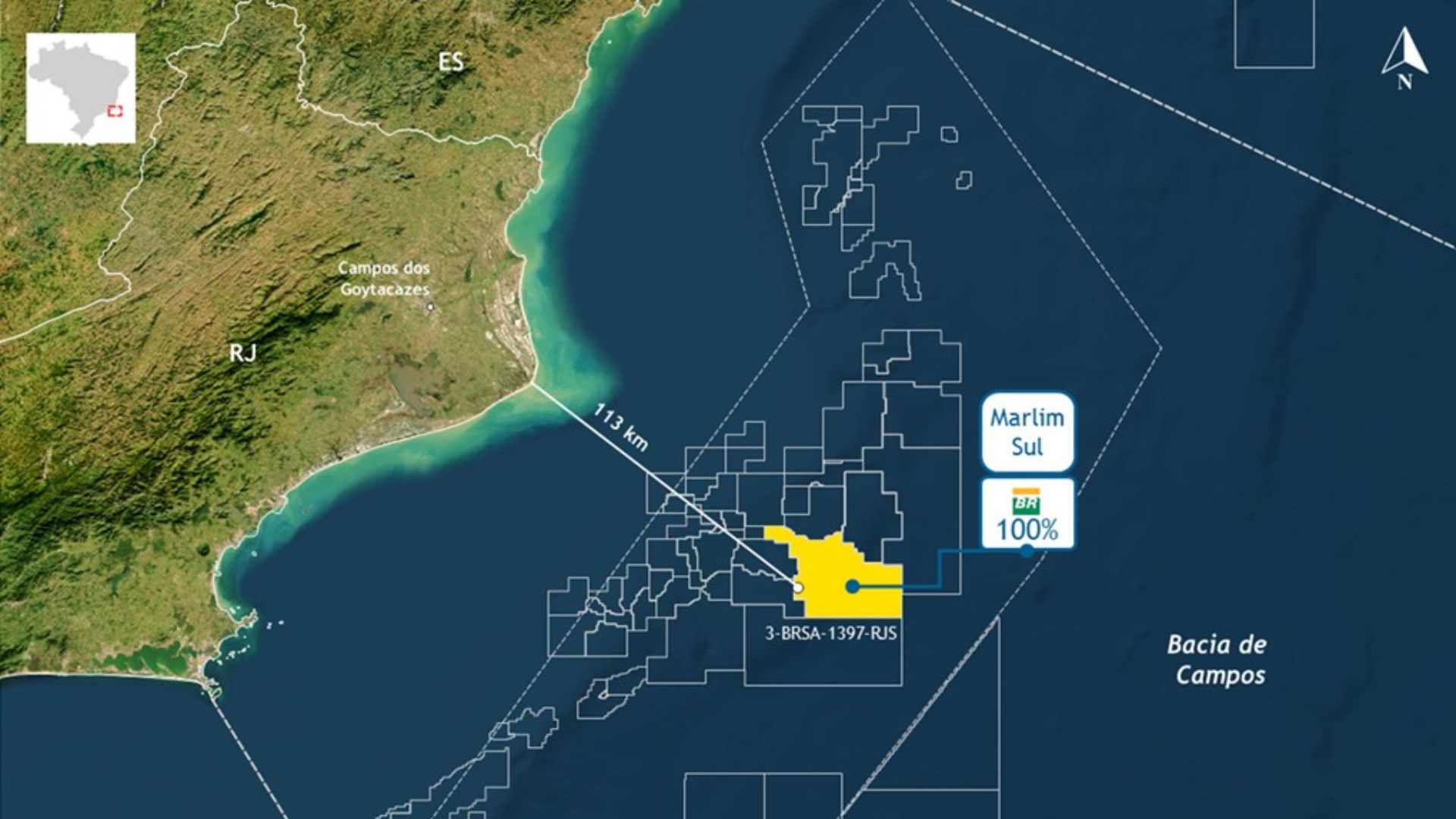
Petrobras finds high-quality oil in the pre-salt at 113 km from RJ and reignites expectations about strategic reserves in the Campos Basin.

-
Ocyan opens registrations for startups focused on innovation in the oil and gas sector and will select projects for Innovation Day with the support of Nexio.


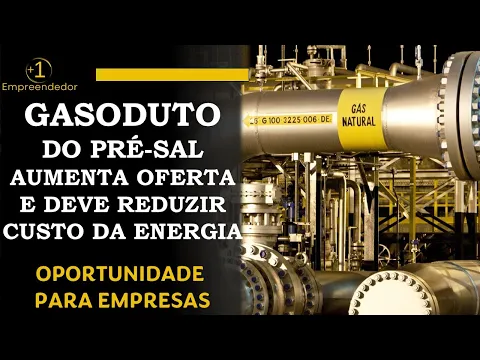

The underwater pipeline was designed to operate at depths exceeding 2,200 meters, withstanding enormous pressures and extreme conditions. The sections of the pipeline have diameters ranging from 22 to 24 inches and are coated with special materials to resist corrosion caused by salinity and the high temperature of the gas arriving from the deep layers.
During the construction phase, state-of-the-art lay vessels, logistics support vessels, divers, and underwater robots were employed. The technical challenge was compared to drilling wells on Mars — such was the complexity of installing a structure of this scale in ultra-deep waters.
Capacity of 18 Million m³ per Day
The total transportation capacity of Rota 3 is up to 18 million cubic meters of natural gas per day. This amount would be enough to supply a city with 15 million inhabitants or meet about 10% of the daily demand of the Brazilian market.
The volume transported by this gas pipeline represents a logistical revolution for the country, allowing for a reduction in the reinjection of gas on the platforms and an increase in the use of domestic gas instead of imports from Bolivia and LNG from other continents.
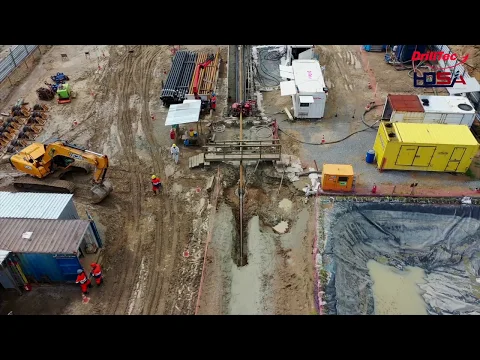
The infrastructure is directly connected to the UPGN of the GasLub Pole, in Itaboraí (RJ), one of the most modern in the southern hemisphere.
The processing plant is responsible for separating methane from natural gas and the associated liquids such as ethane, propane, and butane, as well as recovering CO₂ and condensates. Together, the gas pipeline and the UPGN form an integrated energy system with a high economic impact and environmentally efficient.
An Engineering Challenge to the Ocean
Installing a pipeline over 300 kilometers long in abyssal depths required unprecedented solutions. Rota 3 traverses a section that reaches over 2,200 meters deep in cold waters and pressures exceeding 200 atmospheres.
For this, remote monitoring systems, high-resistance valves, and sensors capable of detecting variations in temperature, vibration, and leaks with millimeter precision were developed.
Each section of the pipeline was welded and tested on specific vessels, with the support of underwater robots that ensured the integrity of the joints and perfect alignment along the seabed. The project also included the installation of anchoring stations, auxiliary pipelines, and automated control equipment.
In addition to the technical complexity, there was a need for rigorous environmental planning. The gas pipeline crosses ecologically sensitive areas on the coast of Rio de Janeiro, and Petrobras developed monitoring programs for marine fauna, sediment control, and recovery of affected habitats.
Economic and Strategic Impact
With full operation scheduled for 2025, Rota 3 has become one of the main axes of the Brazilian energy system. It complements the Rota 1 and Rota 2 pipelines, forming a network that connects the pre-salt of the Santos Basin to Brazil’s main consuming regions.
The project increased the capacity to transport domestic gas by 40%, reducing dependence on imports and strengthening the industrial base.
Moreover, the daily movement of gas generates billions of reais in revenue from royalties and taxes, in addition to sustaining productive chains that range from steel and construction to valve, automation, and offshore engineering sectors.
The GasLub Pole region in Itaboraí has also been profoundly transformed, attracting new ventures and revitalizing the local economy.
The gas pipeline is a fundamental part of Petrobras’s strategy to consolidate Brazil as one of the largest producers of natural gas in the southern hemisphere, leveraging the potential of pre-salt reserves estimated at more than 370 trillion cubic feet of gas.
Rota 3: A Watershed in the Energy Transition
Natural gas is considered the transition fuel in the path toward a cleaner energy matrix, as it emits less CO₂ than coal and fuel oil. With the commissioning of Rota 3, Brazil has gained a structure capable of sustaining industrial and urban growth with a lower environmental impact.
The UPGN of GasLub features thermal energy recovery technologies, condensate reuse, and controlled burning systems to minimize emissions. Part of the energy used at the plant is generated by turbines powered by the processed gas itself, which reduces costs and increases efficiency.
Beyond its energy use, the natural gas processed by Rota 3 serves as a base for chemical and petrochemical industries that produce fertilizers, plastics, solvents, and synthetic fuels. The impact, therefore, extends throughout the entire Brazilian productive chain.
A Landmark in National Engineering
The Rota 3 Gas Pipeline represents the most advanced in Brazilian engineering. It is the result of over a decade of studies, planning, and execution, involving thousands of professionals and hundreds of supplier companies.
The project is considered a symbol of the country’s technical ability to design and construct world-class infrastructure in challenging environments.
With 355 kilometers of pipelines, 2,200 meters of depth, and 21 million cubic meters of gas transported per day, Rota 3 is more than just a gas pipeline — it is a vital artery of modern Brazil, ensuring energy, development, and sovereignty in an era of global transition.









-

-

-

-

-

-

58 pessoas reagiram a isso.