





 Portuguese
  English
  Spanish
  5 min of reading
  1 comment




With Record Extension, Seaside Green Area Surprises by the Number of Trees, Species, and Unique Landscaping, Integrating Nature and Urbanism on the Coast of São Paulo.
Those who stroll along the coast of the city of Santos, on the shore of São Paulo, find much more than sand, sea, and the comings and goings of bathers.
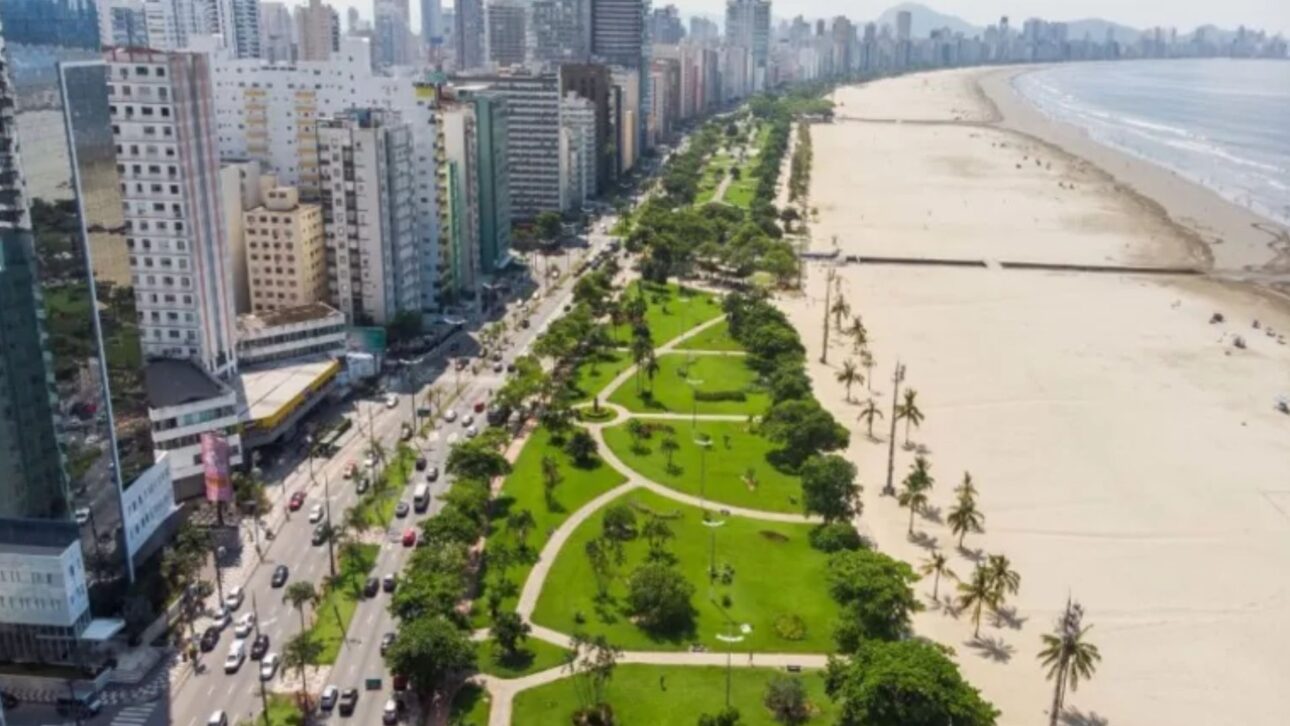
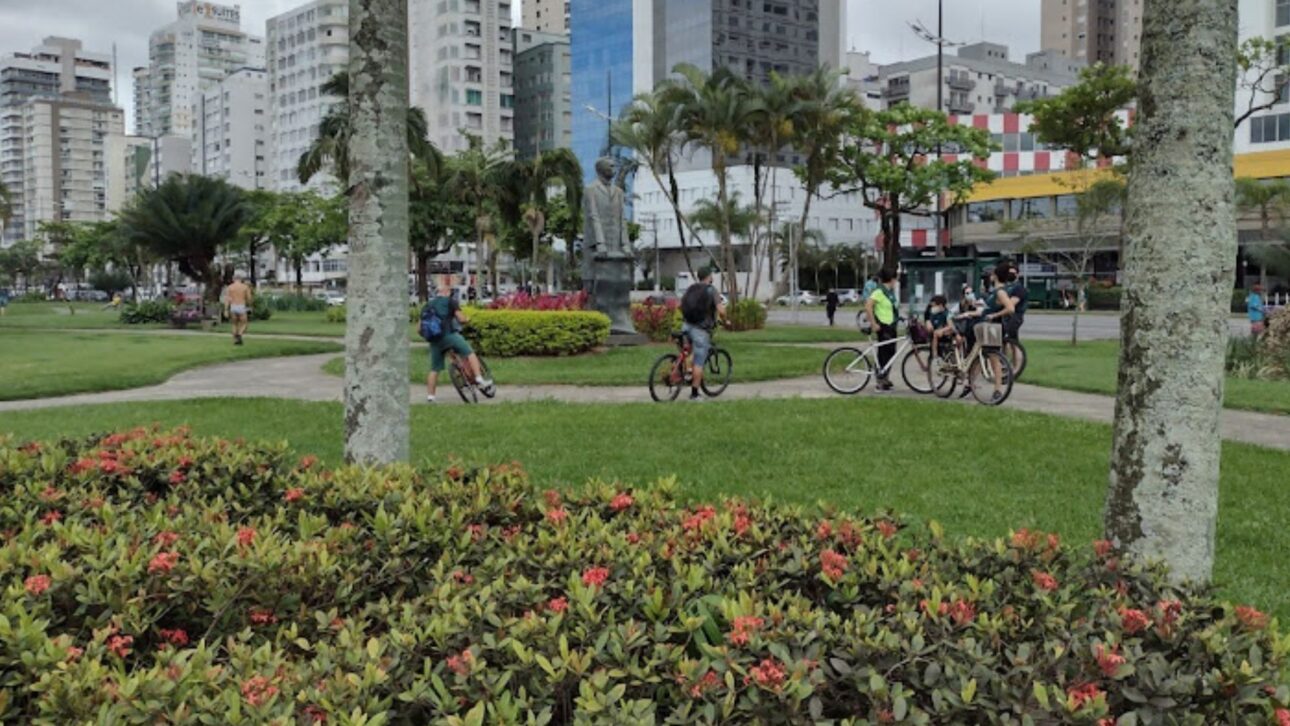
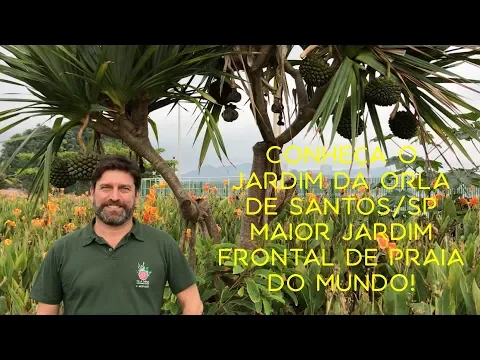
Between the beachfront avenue and the sandy strip, lies the largest beach garden in the world, a green corridor that stretches for 5.3 kilometers and covers 218,800 square meters of area, officially recognized by the Guinness World Records since 2002.
This true urban oasis, filled with 1,746 trees and over 97 species of plants, makes Santos a reference in beachfront landscaping.
-
Friends have been building a small “town” for 30 years to grow old together, with compact houses, a common area, nature surrounding it, and a collective life project designed for friendship, coexistence, and simplicity.

-
This small town in Germany created its own currency 24 years ago, today it circulates millions per year, is accepted in over 300 stores, and the German government allowed all of this to happen under one condition.

-
Curitiba is shrinking and is expected to lose 97,000 residents by 2050, while inland cities in Paraná such as Sarandi, Araucária, and Toledo are experiencing accelerated growth that is changing the entire state’s map.

-
Tourists were poisoned on Everest in a million-dollar fraud scheme involving helicopters that diverted over $19 million and shocked international authorities.


Frontal Garden: Integration Between City and Nature
The frontal garden of Santos beach was designed to harmoniously integrate nature and city.
It consists of 719 flowerbeds aligned along the coast, framing the landscape with palm trees, shrubs, ornamental plants, and flowers of different colors and shapes.
The presence of this vegetation not only provides shade and well-being but also contributes to local biodiversity, with species adapted to the coastal climate and the constant influence of sea spray.
History and Evolution of the Largest Beach Garden on the Planet
The history of this green space dates back to 1914, when the city was still seeking solutions for the use of the coastline.
The original project underwent changes over the decades, achieving its definitive configuration only in the 2000s.
Today, the landscaping emphasizes symmetry, botanical diversity, and visual integration with the city’s architectural style, especially with the historic buildings that compose the Santos landscape.
Maintenance and Daily Challenges to Preserve the Area
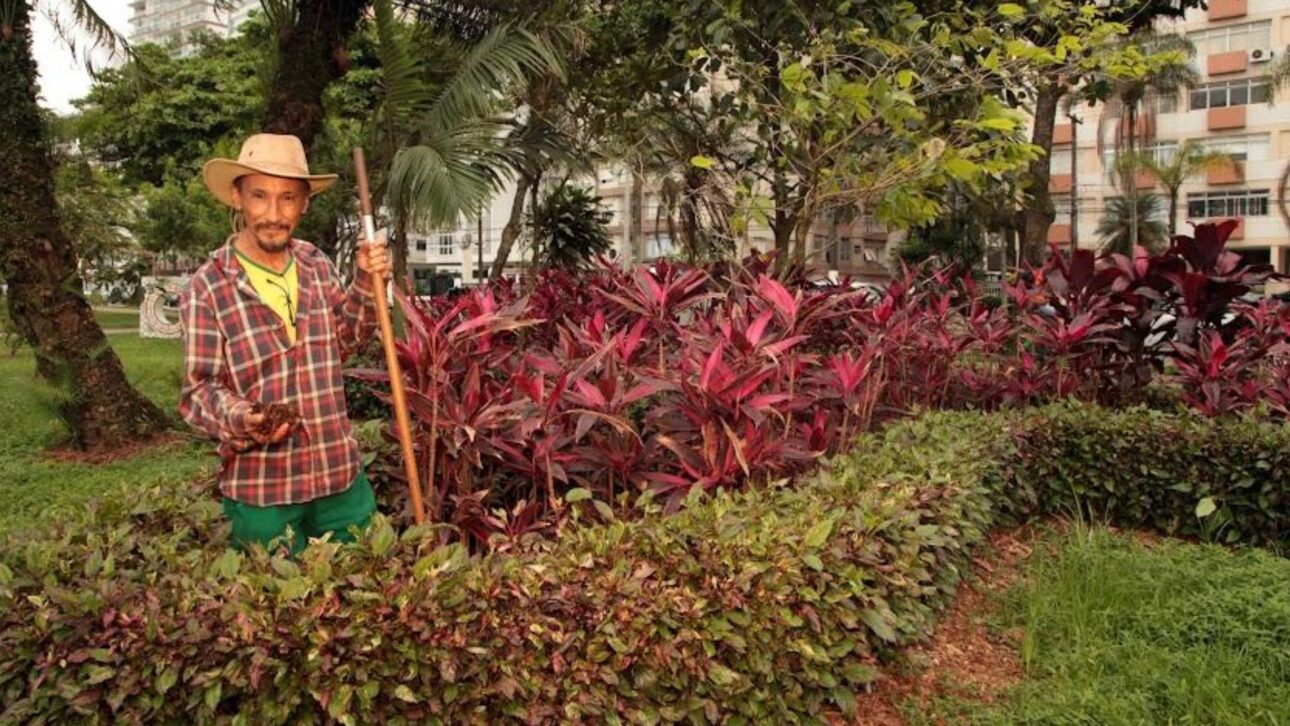
Daily, a specialized team from the city hall of Santos is dedicated to the maintenance of the largest beach garden on the planet.
The professionals conduct regular pruning, irrigation, cleaning, and replanting of flowers to ensure that the space remains well-kept, even in the face of the challenges posed by the marine environment.
The action of sea spray, strong winds, and the large flow of tourists requires constant attention to preserve the health of the plants and the beauty of the place.
Leisure and Community Space for Residents and Tourists
Beyond its landscaping function, the frontal garden is also an important leisure and community space for the population of Santos and visitors.
On weekends and holidays, it is common to see groups of friends and families gathered for picnics, outdoor sports activities such as yoga and walking, or simply enjoying the scenery.
Access is completely free, and the structure of the boardwalk allows people of all ages to move around, including those with reduced mobility.
Contrast with the Leaning Buildings of the Coast
The scene formed by the largest beach garden on the planet also contrasts with another striking element of the Santos landscape: the so-called “leaning buildings.”
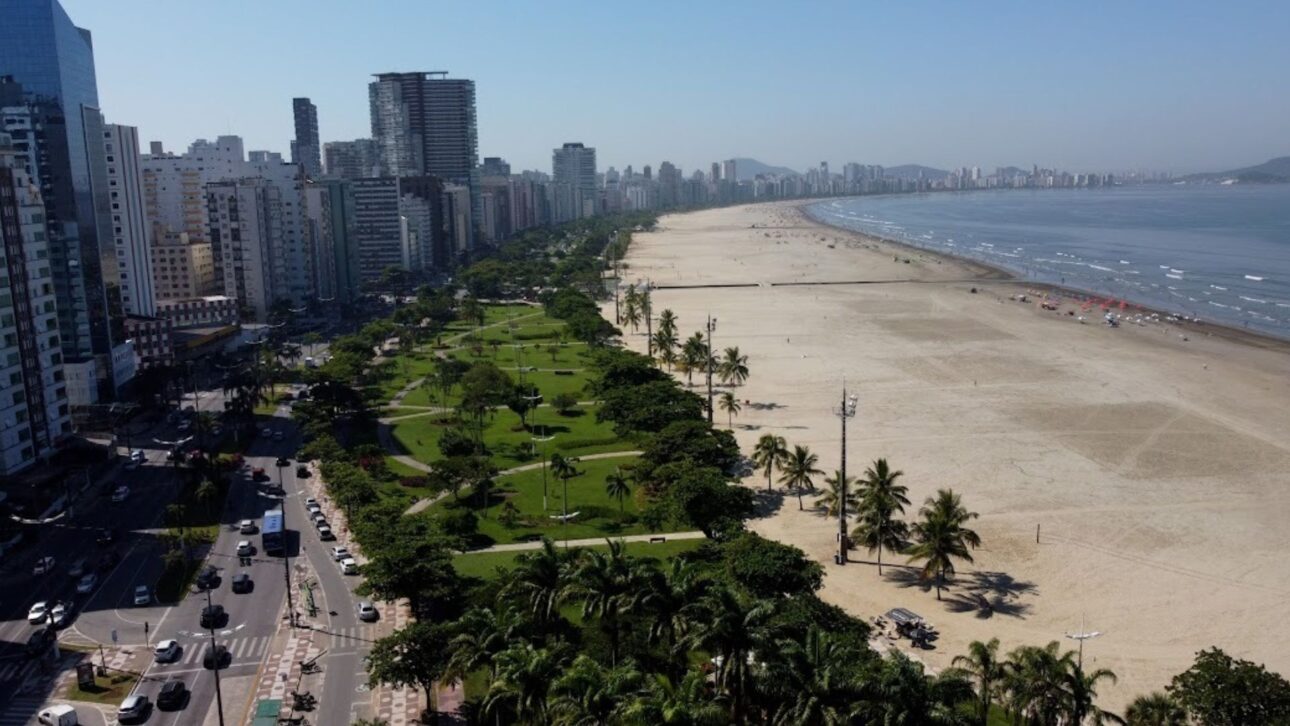
These are old buildings, erected on the sandy soil of the coast, that have suffered structural settling over time and now display visible inclinations.
The intersection of the lush green of the flowerbeds and the leaning silhouettes of the buildings creates a unique picture that captures the attention of those walking through the area.
Urban, Touristic, and Environmental Importance
The relevance of the garden to the city goes beyond tourism.
The space is also considered a postcard of Santos, alongside other traditional points such as the Monte Serrat cable car and the Coffee Museum.
For residents, it represents quality of life, urban appreciation, and a source of collective pride.
According to data from the city hall, the continuous maintenance of the garden is a priority, with investments in infrastructure, automated irrigation, and environmental education projects to raise public awareness about the importance of preserving this heritage.
Events, Global Recognition, and Biodiversity
On commemorative dates, such as Santos’ anniversary or Arbor Day, the largest beach garden on the planet usually hosts cultural activities, tree planting, and awareness actions focused on sustainability.
In recent years, the site has also served as a backdrop for sporting events, craft fairs, and gatherings of groups that utilize the space for various activities.
The recognition from Guinness World Records, formalized in 2002, solidified the fame of the Santos beach garden as the largest in the world and brought even more international visibility to the city.
Since then, the title has been renewed with each inspection, detailing the size, number of species, and maintenance quality.
This achievement reinforces the city’s commitment to environmental preservation and sustainable urban development.
Despite the intense use and the challenging coastal climate, the garden’s vegetation demonstrates great resilience.
Native species from the Atlantic Forest, such as the yellow ipe and the imperial palm, coexist with exotic plants brought from other regions, forming a harmonious set.
The result is a complete sensory experience for those walking along the boardwalk: floral aromas, refreshing shade, and the sound of the sea in the background.

Symbol of Santos and Experience for the Visitor
Over the years, the largest beach garden on the planet has become a symbol of Santos.
For those visiting the city, walking through the well-kept flowerbeds is an invitation to contemplation and contact with nature, even amidst urban life.
And for the locals, it represents a living heritage that continues to grow and beautify the shore each day.
With so much history, beauty, and dedication to preservation, one question remains: have you up close experienced the largest beach garden on the planet and discovered everything it has to offer beyond the landscape?









Muito bom para a cidade de Santos. Mas pode ser que isto ñ vá longe, devido as mudanças climáticas que estão provocando aumento do nível das águas oceânicas. E a cidade se situa numa ilha, que poderá sofrer alagamentos definitivos em muitos bairros e numa certa parte deste jardim. O ideal seria “mudar” a cidade pra parte continental, com área muito maior e com outro tipo de jardim. Vamos aguardar o que o tempo fará.