





 English
  Francês
  Alemão
  Italiano
  Japonês
  Norueguês
  Portuguese
  Spanish
  3 min of reading
  0 comments


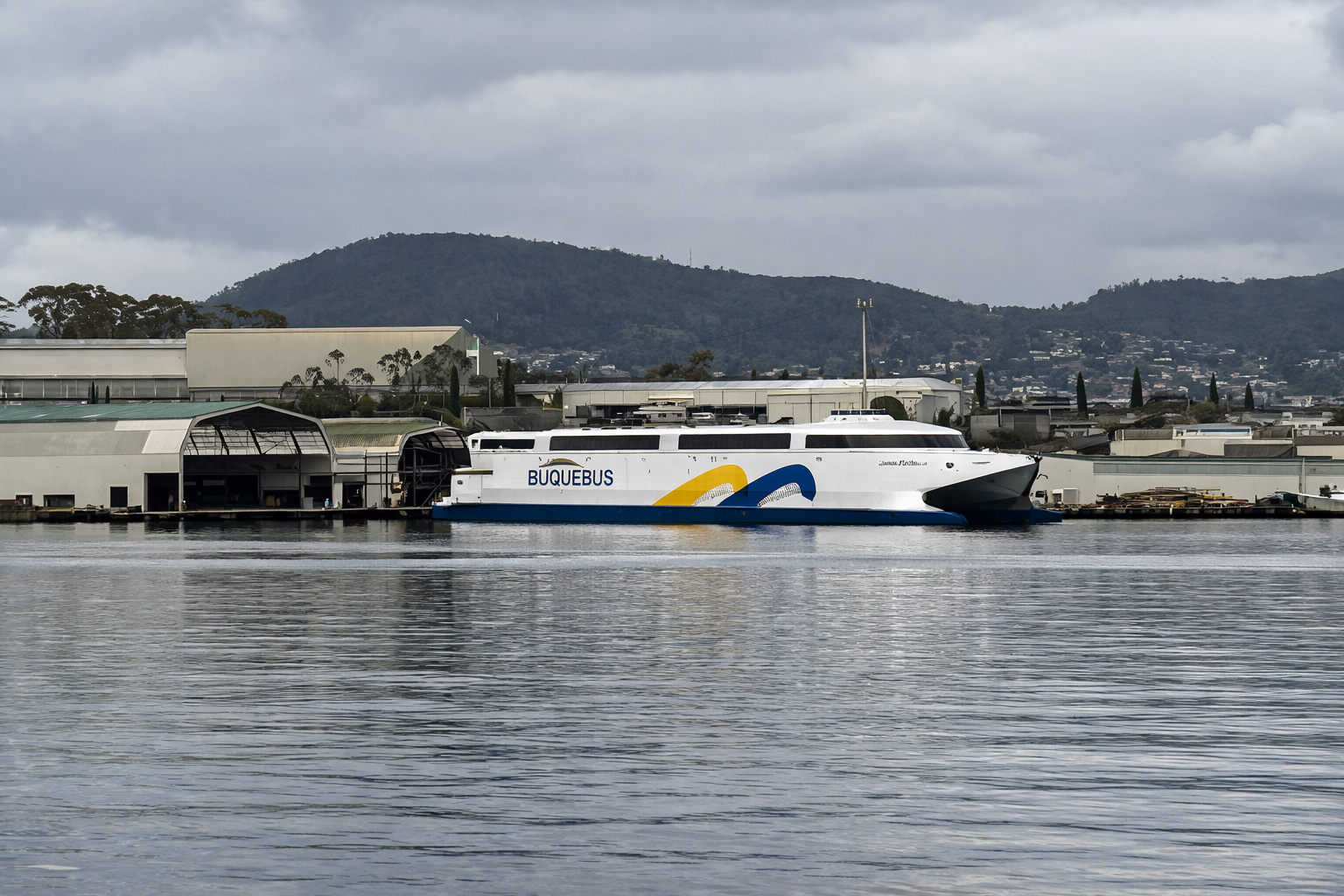
The 100% Electric Ferry Promises to Transform the Crossing Between Buenos Aires and Colonia del Sacramento with Technology Powered Exclusively by Batteries
A highly relevant project for South American river mobility was recently confirmed, attracting attention from the maritime transport sector.
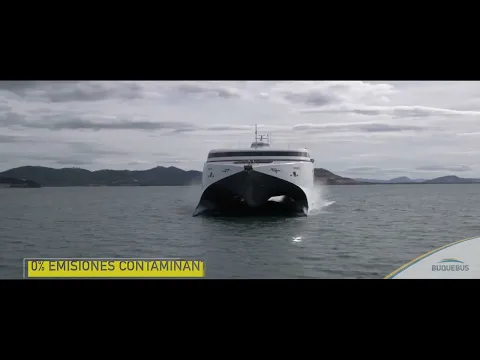
The China Zorrilla, considered the world’s largest fully electric ship, will start operations scheduled for 2026, connecting Buenos Aires, Argentina, to Colonia del Sacramento, Uruguay, via the Rio de la Plata.
The estimated investment of US$ 200 million positions the vessel as a technological landmark in regional navigation.
Furthermore, the initiative reinforces an international trend of electrification in passenger transport.
Consequently, the project reorganizes expectations about sustainability and efficiency in the main river route of the Southern Cone.
Strategic Investment Drives Regional Mobility
The financial contribution of US$ 200 million supports the construction and implementation of the electric ferry.
Thus, the China Zorrilla will be operated exclusively with batteries, eliminating the use of fossil fuels during navigation.
According to information released by the responsible operator, the vessel was planned to serve one of the busiest routes in South America.
Moreover, the connection between Buenos Aires and Colonia concentrates the largest flow of passengers on the Rio de la Plata.
Therefore, the strategic choice of the route strengthens the already existing demand potential.
Passenger Flow Confirms Route Relevance
Currently, according to data from the Argentine port authority, between 2.5 and 3 million passengers use the river routes of the Rio de la Plata annually.
Among these connections, Colonia and Montevideo stand out.
However, specifically the Buenos Aires–Colonia crossing concentrates the majority of this movement.
Daily, up to 6,000 passengers travel this route.
Thus, the introduction of the world’s largest electric ship occurs in a context of strong consolidated demand.
-
Ocean Giant Could Change Everything: Nuclear Container Ship Project Promises to Transport 16,000 Containers Without Using Fossil Fuels
-
Hormuz Strait: Hundreds of Ships and Oil Tankers Stranded After Attacks in the Middle East
-
How A 20-Ton Anchor Holds 200,000-Ton Ships Even Under Extreme Winds And Why It Fails In The Deep Ocean
-
China Launches 10,000-Ton Electric Container Ship with 19,000 kWh in Interchangeable Batteries and Autonomous Navigation for Coastal Trade Routes


Service Categories and Operational Structure
In addition to regular operations, the ferry will feature different service categories.
In premium modalities, such as vehicle transportation or business class, prices may exceed US$ 200 per person.
Consequently, the service will be directed both to tourists and frequent passengers.
At the same time, the vessel’s electrical structure reinforces the modernization of the regional river system.
Still, the disclosed schedule maintains expectations for the start of operations in 2026.
Impact on the South American River Scenario
The launch of the China Zorrilla represents a significant step in the energy transition of regional maritime transport.
Moreover, the project strengthens the integration between Argentina and Uruguay.
According to information already released by institutions, the expectation is that the vessel will operate on the busiest route of the Rio de la Plata estuary.
Therefore, the investment aligns with an already consolidated demand from millions of annual passengers.
This context demonstrates how technological innovation can integrate with a traditional route without altering its flow structure.
The Future of Electric River Mobility
With operational start expected in 2026, the China Zorrilla inaugurates a new phase in regional navigation.
The fully electric model reinforces a global movement of modernization in the maritime sector.
At the same time, the strong demand for the Buenos Aires–Colonia route supports the project’s economic viability.
Thus, the combination of robust investment, consolidated flow, and clean technology redefines the scenario of river mobility in the Southern Cone.
Will the adoption of electric vessels accelerate similar new initiatives in South America?









-

-

-

-

15 pessoas reagiram a isso.