





 Portuguese
  English
  Spanish
 4 min of reading
  0 comments


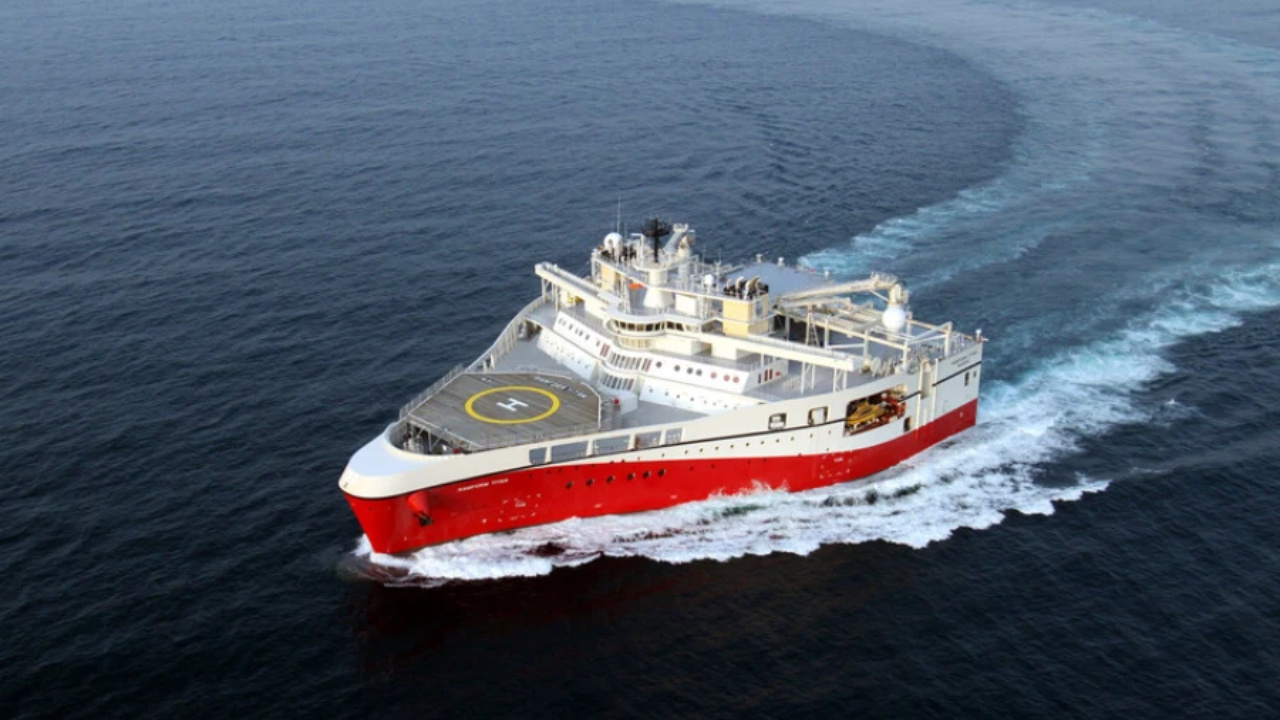
The Ramform Titan ship from the Norwegian company TGS begins studies on oil exploration in the Equatorial Margin, a region with estimated potential between 20 and 30 billion barrels. Geological research starts off the coast of Maranhão, based on the Port of Itaqui.
Maranhão has become the new epicenter of attention in the oil sector. The arrival of the largest seismic research vessel in the world, the Ramform Titan, from the Norwegian company TGS, marks the beginning of a new phase for energy development in the Brazilian Equatorial Margin. The ship docked at the Port of Itaqui in São Luís on Wednesday (22) and is already preparing to conduct geological surveys in the Pará-Maranhão and Barreirinhas basins.
These two basins are part of a set of five sedimentary formations that make up the Equatorial Margin — an area considered strategic by experts that could transform the map of oil and gas exploration in the country. The region extends along the entire northern coast of Brazil, covering the states of Amapá, Pará, Maranhão, Piauí, Ceará, and Rio Grande do Norte.
Port of Itaqui Becomes Strategic Base for Seismic Operations
The Port of Itaqui, managed by the Maranhão Port Administration Company (Emap), will be the logistical support point for the operations. From there, the Ramform Titan will head out to sea to collect data that will allow an assessment of the viability of oil exploration off the Maranhão coast.
-
Brazilian giant expands borders in the Southeast: Petrobras confirms new oil discovery in ultra-deep waters in the pre-salt of the Campos Basin.

-
Alert in the global energy market: Severe tropical cyclone hits the coast and disrupts gas production at major plants in Australia, threatening global supply.

-
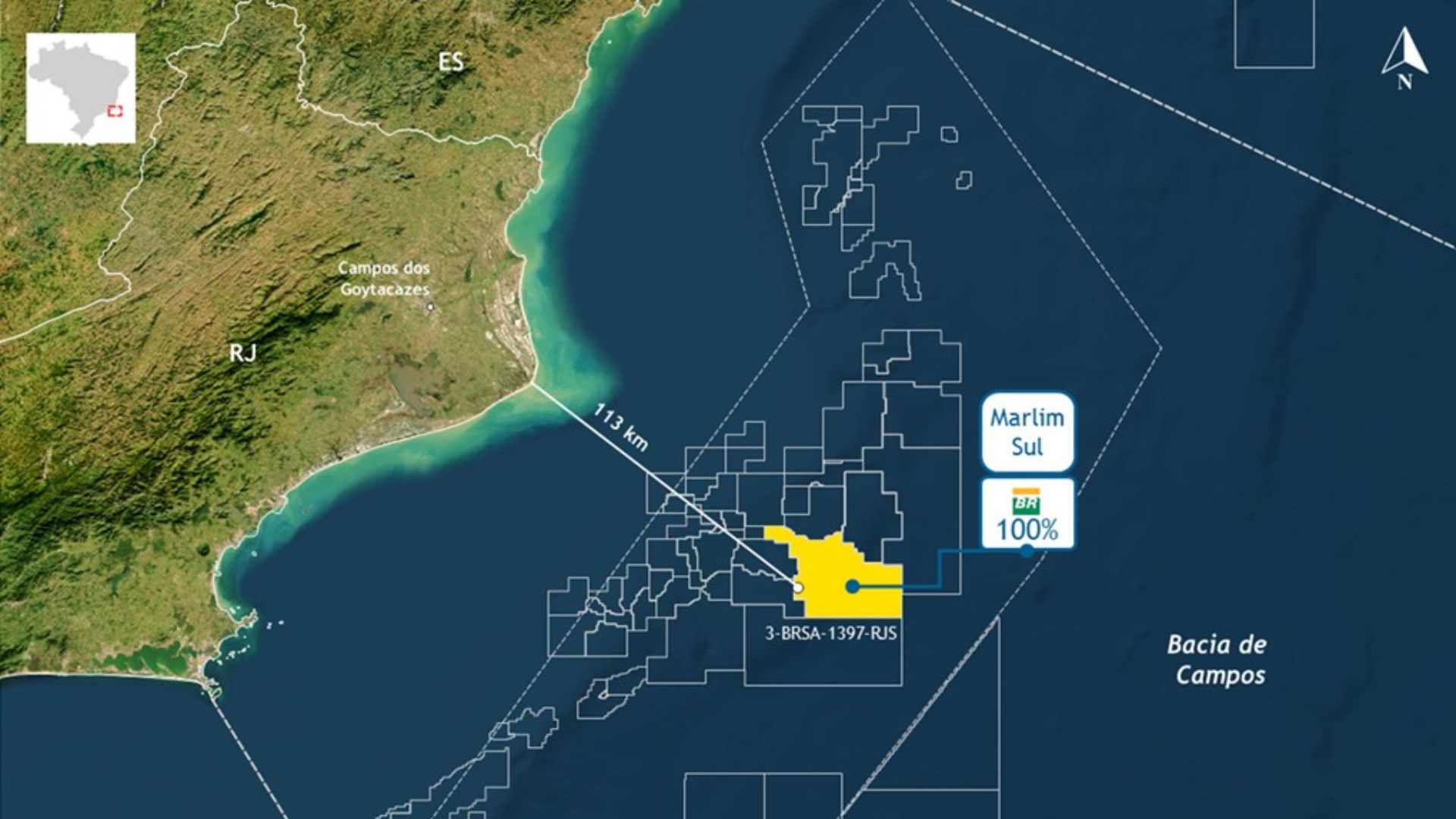
Petrobras finds high-quality oil in the pre-salt at 113 km from RJ and reignites expectations about strategic reserves in the Campos Basin.

-
Ocyan opens registrations for startups focused on innovation in the oil and gas sector and will select projects for Innovation Day with the support of Nexio.


According to Governor Carlos Brandão, expectations are high given the region’s potential:
“It will head out to sea from here to conduct this research, which is a ship that performs oil exploration, conducts seismic work, and feasibility studies. Preliminary studies already indicate that we will have about 30 billion barrels of oil in each of these basins,” he stated.
With this, Maranhão reinforces its strategic role in the new national exploratory cycle. The state not only provides port infrastructure but also positions itself as one of the most promising areas within the Equatorial Margin.
Seismic Technology Reveals Oceanic Subsoil in High Definition
The seismic research conducted by the Ramform Titan is one of the most important stages of the oil production chain. This technology uses high-precision sound waves that penetrate the seabed and return in the form of reflections, allowing detailed images of geological layers to be created.
This kind of “ultrasound of the subsoil” enables scientists and engineers to identify possible oil and gas reservoirs even before drilling. The process reduces costs, minimizes environmental risks, and directs investments with greater accuracy.
TGS, responsible for the ship, is recognized for having the largest library of seismic data in the world. The company has previously conducted similar research in Brazil, including surveys that resulted in discoveries in the pre-salt, one of the largest reserves of oil in deep waters on the planet.
The Potential of the Equatorial Margin Could Redefine the Brazilian Oil Sector
The Equatorial Margin is viewed by the market as the new exploratory frontier for oil in the country. Preliminary studies indicate that the region may contain between 20 and 30 billion barrels of oil, volumes comparable to those found in the pre-salt.
The National Agency for Petroleum, Natural Gas and Biofuels (ANP) closely monitors the work, but emphasizes that exploration off the Maranhão coast still depends on environmental authorization and definitive licensing. The advancement of seismic research is, therefore, the initial step in a long technical and regulatory process.
Meanwhile, Petrobras recently received a license from Ibama to begin its own exploratory operations in the Equatorial Margin. This decision reinforces the government’s and major oil companies’ interest in diversifying national production, especially in light of the global energy transition and the need to balance economic development with environmental responsibility.
Maranhão at the Center of the Energy Map of the Future
The presence of the Ramform Titan off the coast of Maranhão symbolizes the beginning of a decisive phase for the oil sector in Brazil. The state, which already has a strategic position in the transport of fuels and commodities, is now also projecting itself as a base for energy research and innovation.
With the advancement of studies in the Equatorial Margin, expectations for new investments, job generation, and strengthening the oil production chain are rising. The challenge, however, will be to balance economic development with environmental preservation — an equation that will define the success of this new Brazilian energy frontier.








Seja o primeiro a reagir!