





 Portuguese
  English
  Spanish
  5 min of reading
  9 comments


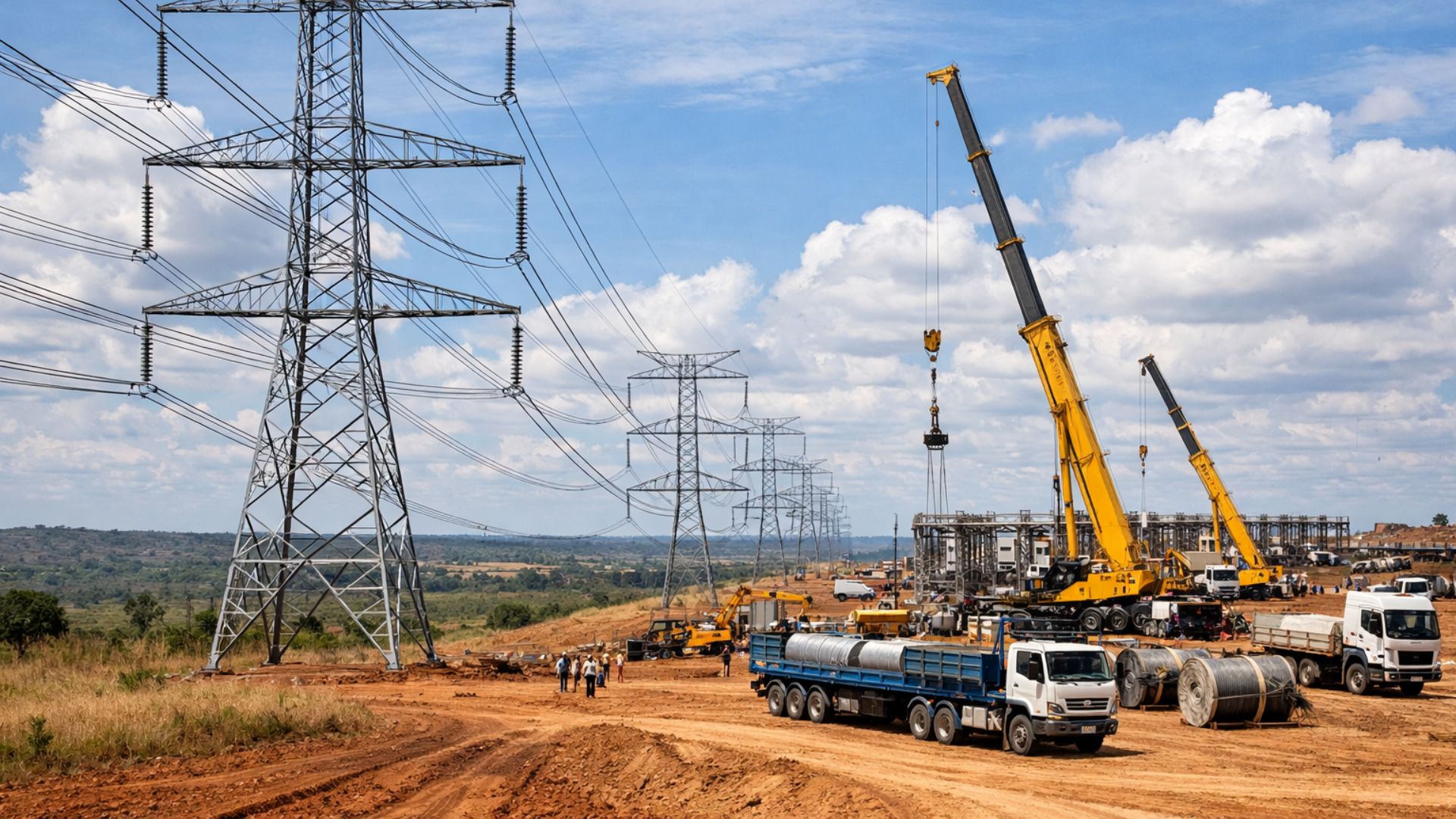


Strategic Energy Transmission Project Involves International Funding, Cutting-Edge Technology and Political Coordination to Strengthen the Brazilian Electricity System and Unlock the Flow of Renewable Sources Between North, Northeast and Midwest, in One of the Largest Infrastructure Investments Ever Planned for the National Energy Sector.
Brazil has put on the radar of the New Development Bank, known as the BRICS Bank, the largest energy transmission project ever auctioned in the country: the Graça Aranha–Silvânia bipole.
The project will connect the Graça Aranha substation in Maranhão to the Silvânia converter substation in Goiás, covering a route of approximately 1,500 kilometers, passing through Tocantins, to strengthen the National Interconnected System and facilitate the flow of renewable energy.
The bank’s support was the subject of a meeting between the Minister of Mines and Energy, Alexandre Silveira, and the president of the NDB, Dilma Rousseff, in Shanghai, China.
-
Unemployment rises again to 5.8% at the beginning of 2026, raising alarms about the end of temporary positions and its impact on the Brazilian job market.

-
Document organization can cut invisible costs in small businesses, a simple step that prevents waste, rework, and losses in daily operations.

-
Chinese giant worth nearly R$ 4 billion that manufactures cables for electric cars, solar energy, and robotics wants to open a factory in SC.
-
Many employers do not know, but the law guarantees domestic workers a 25% increase in salary during trips, 50% for overtime, 20% for night shifts, and 17 additional benefits that can lead to labor lawsuits if not paid.


According to the Ministry of Mines and Energy, the conversation addressed partnerships to increase investments in infrastructure, clean energy, and sustainable development in Brazil, including the Graça Aranha–Silvânia line.
Electric Corridor Connects Maranhão to Goiás
The project is part of a strategy to increase transmission capacity and reduce bottlenecks in the transportation of energy between regions with a large supply of generation and consumption areas.
According to official information released by the federal government, the project crosses three states and reaches 42 municipalities, in one of the largest ongoing energy infrastructure packages.
According to the government, the estimated investment for the project is R$ 18.1 billion, with a forecast to generate more than 30,000 jobs during the implementation.
The route is described as a long-distance transmission corridor, designed to increase the robustness of the network and allow the integration of new plants, especially renewables.
At the ceremony marking the start of project stages in Goiás, the minister stated that the project is part of the resumption of planning in the electric sector and focuses on reinforcing energy integration.

“This project is essential for draining all the renewable energy generated, especially in the North and Northeast of the country,” declared Silveira, in a statement released by the Ministry of Mines and Energy.
BRICS Bank Enters as Financial Partner
The NDB operates in financing infrastructure and sustainable development projects in emerging countries and, in the case of Brazil, already has a history of supporting energy projects.
In the Graça Aranha–Silvânia bipole, the approach was consolidated with financial cooperation initiatives aimed at the project, in a context where the government seeks to expand credit sources for structuring projects.
This negotiation also appears on the public agenda of the Ministry of Mines and Energy as part of the effort to attract capital to areas considered strategic.
Commenting on the partnership with the bank, Silveira said that “Brazil is experiencing a moment of resumption of long-term planning” and classified the NDB, under Dilma’s presidency, as an ally to “increase investments, generate jobs and accelerate the energy transition,” in a statement reproduced in an official communication.
Although the financing debate involves different instruments and stages, the signaling from the BRICS Bank is considered relevant for a project of high complexity and large capital volume.
Auction, Contracting and Technology Involved
The structure was contracted through Transmission Auction No. 2/2023, held by the National Electric Energy Agency, in conjunction with the Ministry of Mines and Energy.
The lot that includes the Graça Aranha–Silvânia system was awarded to State Grid Brazil Holding, a Chinese capital group that operates transmission assets in the country.
The result was later approved by Aneel, according to the regulatory rites of the sector.
Information from the government indicates that the project was contracted in 2023 and is part of the New PAC, with execution expected over several years.

Sector reports and institutional communications from the entrepreneur indicate that the project involves ultra-high voltage direct current transmission technology.
The system will feature converter substations at the ends, a solution adopted to reduce electrical losses over long distances.
In this arrangement, the line functions as an energy bridge capable of transporting large blocks of energy with greater operational efficiency.
Integration of Renewables and System Security
The expansion of transmission has become a sensitive point in the electrical system with the accelerated advancement of renewable generation.
Regions like the Northeast concentrate a significant part of wind production and have been increasing large-scale solar generation.
By creating a more robust flow path for the Midwest and areas near large consumption centers, the bipole tends to reduce operational restrictions that limit the delivery of generated energy.
In addition to the transmission line, the NDB also appears as a financier for other initiatives linked to the clean energy agenda in Brazil.
Among them are renewable energy projects and actions aimed at modernizing electrical infrastructure.
The government maintains that the set of transmission works meets both the requirements for system security and the goal of facilitating the entry of new plants into the energy matrix.
With the project underway and financing negotiations in the spotlight, the discussion involves engineering, licensing, and coordination among government, regulators, operators, and financiers.
The ability to synchronize the expansion of the grid with the growth rate of renewable sources has become one of the main challenges for the Brazilian electricity sector.









Banvo dos BRICS a todo vapor 💪 prla nova ordem munfial 🇧🇷
A população ainda não entendeu, a esquerda constrói e direita destroi.
Isso só na sua cabeça doente… passadena mandou lembranças ….
Só esqueçeu de lembrar que isso aconteceu tentando entrar em um país de direita que só evolui na esquerda
(Biden mandou choros pela atual economia americana)
E fale dos detalhes também, não fique citando o ar esperando que o vento responda
Se a Dilma esta neste empreendimento pode ter certeza que tem mutreta, igual a rodovia do Arco Metropolitano, com o dinheiro gasto daria para fazer 3 vezes mais. Isso de ser porque vai ter eleição no Brasil esse ano.