





 Português
  Inglês
  Espanhol
  3 min de leitura
  2 comentários


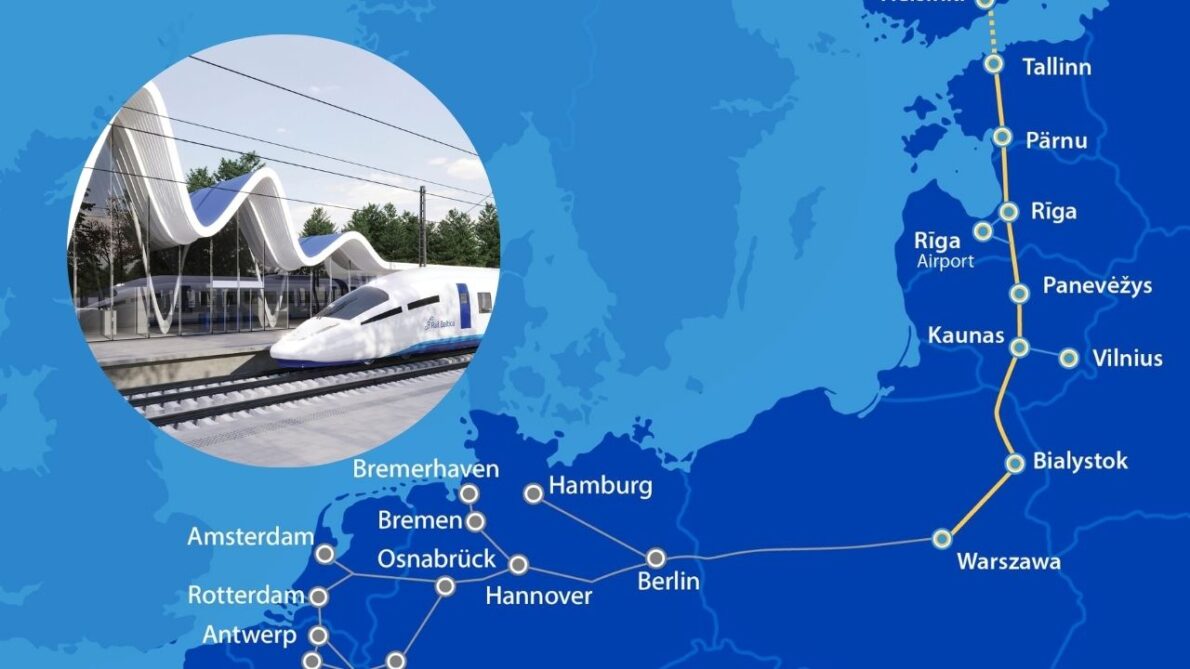

Construction Of A High-Speed Railway Network Makes Moscow Uncomfortable
Europe is heavily investing in infrastructure with the megaproject that promises not only to connect countries but also to increase geopolitical tensions. The construction of the largest ongoing railway project in Europe is causing discomfort in Russia while promising to revolutionize transport in Eastern Europe. This ambitious project, which crosses three Baltic countries, is estimated at $8 billion and will be vital for the European Union.
The construction of the European megaproject, known as Rail Baltica, aims to create a modern railway network that will connect Estonia, Latvia, and Lithuania, regions that have lacked high-quality railway infrastructure since the fall of the Soviet Union. With over 870 kilometers of European-standard tracks, this project aims to boost economic growth, facilitate the transport of passengers and goods, and reduce the dependency of these countries on Russia.
Geopolitical Impact And Tensions With The European Megaproject
Russia is far from satisfied with the progress of this European megaproject. The project is being seen as a clear attempt by the European Union and NATO to strengthen their presence in the region, further distancing the Baltic countries from the Russian sphere of influence. Historically, railways in these countries were designed to connect Russia with Eastern Europe, but Rail Baltica seeks to break these ties and fully integrate these nations into the Western European railway network.
-
A megaproject worth R$ 89 billion is advancing in Iraq and promises to change the game in global trade by creating a new corridor between Asia and Europe, reducing traditional routes and repositioning the country as a logistics powerhouse.
-
Goodbye bedside table: floating shelves become a trend in 2026 by freeing up space in the bedroom, improving circulation, bringing visual lightness, and integrating technology without taking up floor space.

-
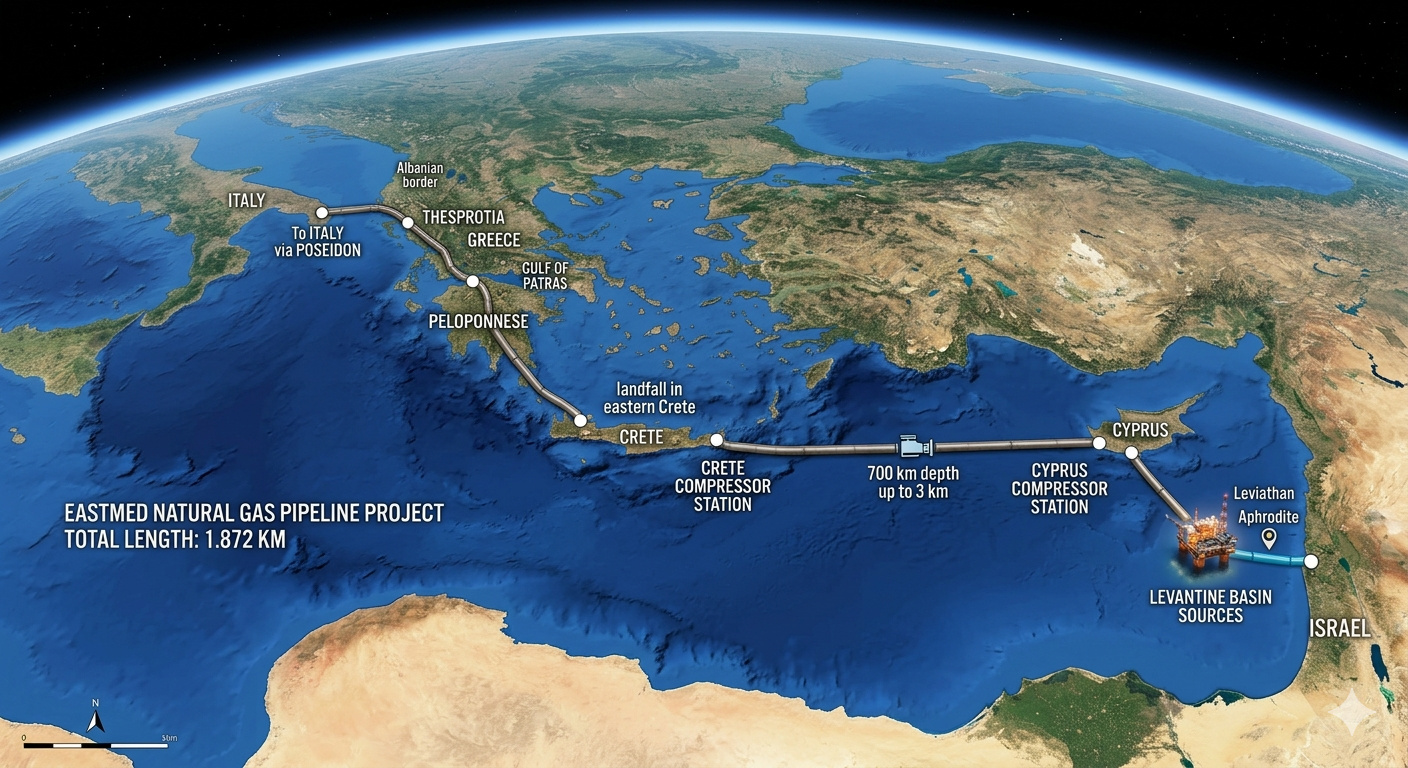
Israel, Greece, and Cyprus signed an agreement in 2020 to transport gas from the Mediterranean to Europe via a 1,872 km pipeline, but Turkey claimed sovereignty over part of the maritime route, and the project never materialized.
-
Israel, Greece, and Cyprus signed an agreement in 2020 to transport gas from the Mediterranean to Europe via a 1,872 km pipeline, but Turkey claimed sovereignty over part of the maritime route, and the project never materialized.

With passenger trains reaching speeds of up to 240 km/h and freight trains operating at 120 km/h, the largest ongoing railway project in Europe not only reinforces regional connectivity but also strengthens NATO’s defense infrastructure. The railway will allow for the rapid transport of troops and goods in times of crisis, something that Russia views with great concern, especially due to the ongoing conflict with Ukraine.
Largest Ongoing Railway Project In Europe In High Profile Is The Use Of Cutting-Edge Technologies
In addition to its geopolitical impacts, the European megaproject stands out for its innovative and sustainable solutions. The railway will be fully electrified, representing a significant advancement in reducing CO2 emissions. It is estimated that the transition from road and air transport to rail will reduce pollution by up to 18% along the corridor.
Another factor that highlights the largest ongoing railway project in Europe is the use of cutting-edge technologies to address the geological challenges of the Baltic region. The construction involves the installation of deep piles in unstable soil areas and the removal of unexploded ordnance from World War II, especially in Latvia, making the project a monumental engineering feat.
A Megaproject That Goes Beyond Infrastructure
The European megaproject goes beyond merely improving transport. It is a central piece of the European Union’s strategy to strengthen its climate goals and economically integrate the Baltic region with the rest of the continent. For the involved countries, this means a new era of development, with the expectation that Rail Baltica will be a growth engine, boosting trade, tourism, and generating new business opportunities.
However, the positive economic impact for Europe is viewed with great discomfort by Moscow, which sees the project as a direct threat to its influence over the Baltic countries. The strengthening of transport infrastructure near Russian borders may hinder efforts to maintain political and military influence in the region.
The European megaproject is not only a milestone in the integration of the continent but also a fundamentally strategic piece that is reshaping the geopolitical landscape of the region. With the completion of this European megaproject, are we about to witness a new era of total independence for the Baltic countries from Russia, or could this railway trigger even more geopolitical tensions in the region? What do you think?










Esse cidadão pra ter esse tipo de pensamento e fala coisas sem nexo só pode se a favor da política destrutiva do ocidente que só sabem tirar proveito dos países pobres levando a população a ficar cada vez na miséria
Tudo que for para derrubar a Rússia, algo que deveria ter acontecido na II GUERRA, é válido. O **** do putin precisa ser varrido do mundo. O problema é que existem super potências com governos covardes. Homens de verdade já tinham calado aquele lixo há muito tempo. Bons tempos que espero que voltem!