





 Português
  Inglês
  Espanhol
  4 min de leitura
  0 comentários


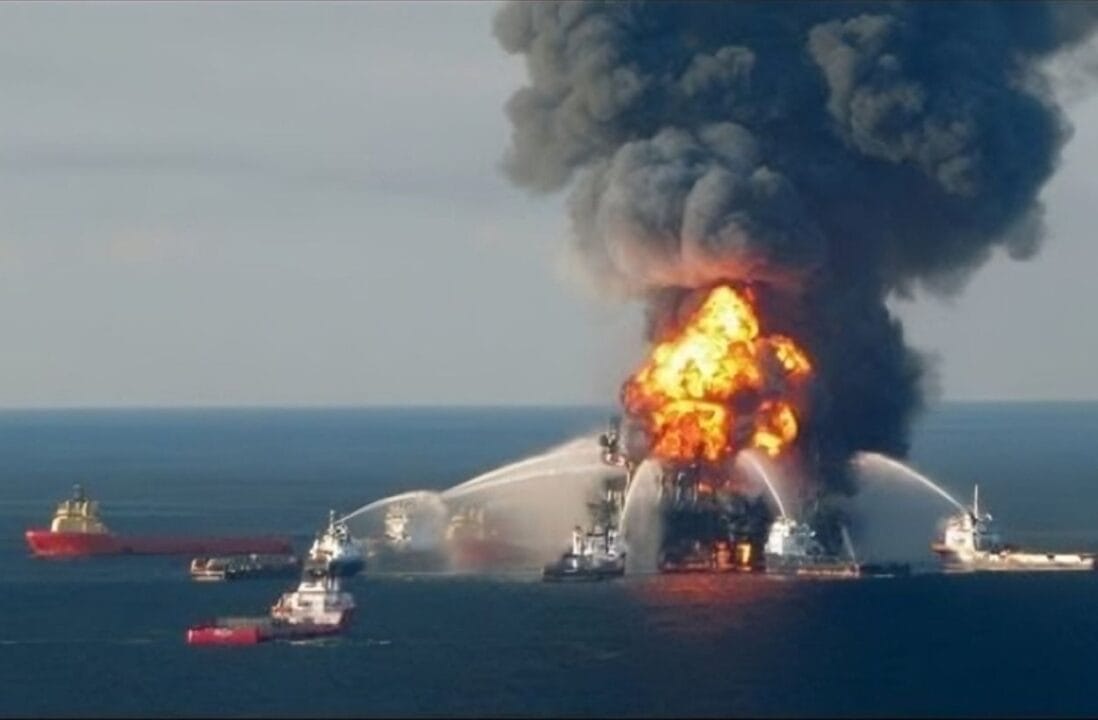
A Detailed Look At How Technical Failures And Natural Forces Combined To Create Some Of The Most Devastating Oil Platform Accidents, Reminding Us Of The Urgency For Advances In Safety And Technology.
In the vast blue that covers most of our planet, the relentless search for “black gold” leads us to explore increasingly remote and dangerous frontiers. In this scenario, offshore oil platforms emerge as steel giants challenging the forces of nature. However, this quest does not come without risks, and history has been marked by catastrophic accidents that remind us of human fragility before the powerful combination of natural forces and technology.
Piper Alpha Disaster
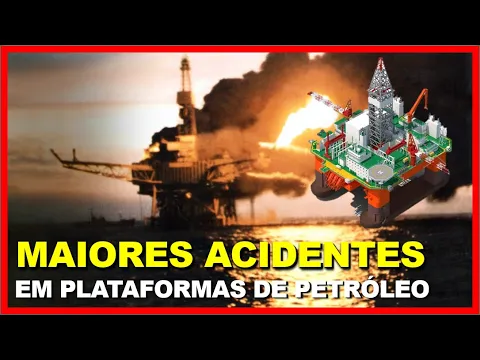

On a fateful night in July 1988, the North Sea was the stage for the deadliest offshore oil platform accident in history. The Piper Alpha, a giant that contributed about 10% of the UK’s oil production, was engulfed in flames after a series of catastrophic failures, culminating in the loss of 167 invaluable lives. This tragic event serves as a painful reminder of the inherent risks of offshore oil extraction.
Oil Platforms That Also Experienced Accidents
No less dramatic was the fate of the Alexander L. Kielland platform, which capsized and sank in the North Sea in 1980, claiming 123 lives. Years later, in 1982, the Ocean Ranger faced a fierce storm in the North Atlantic, sinking with all 84 souls on board. These events highlight not only the vulnerability of offshore structures, but also human and technical failures that can lead to disastrous consequences.
-
Offshore industrial demand in Macaé skyrockets with the recovery of oil and gas and could grow by up to 396% by 2026 in the Campos Basin.
-
Offshore industrial demand in Macaé surges with the recovery of oil and gas and could grow by up to 396% by 2026 in the Campos Basin.
-
Brazilian giant expands borders in the Southeast: Petrobras confirms new oil discovery in ultra-deep waters in the pre-salt of the Campos Basin.
-
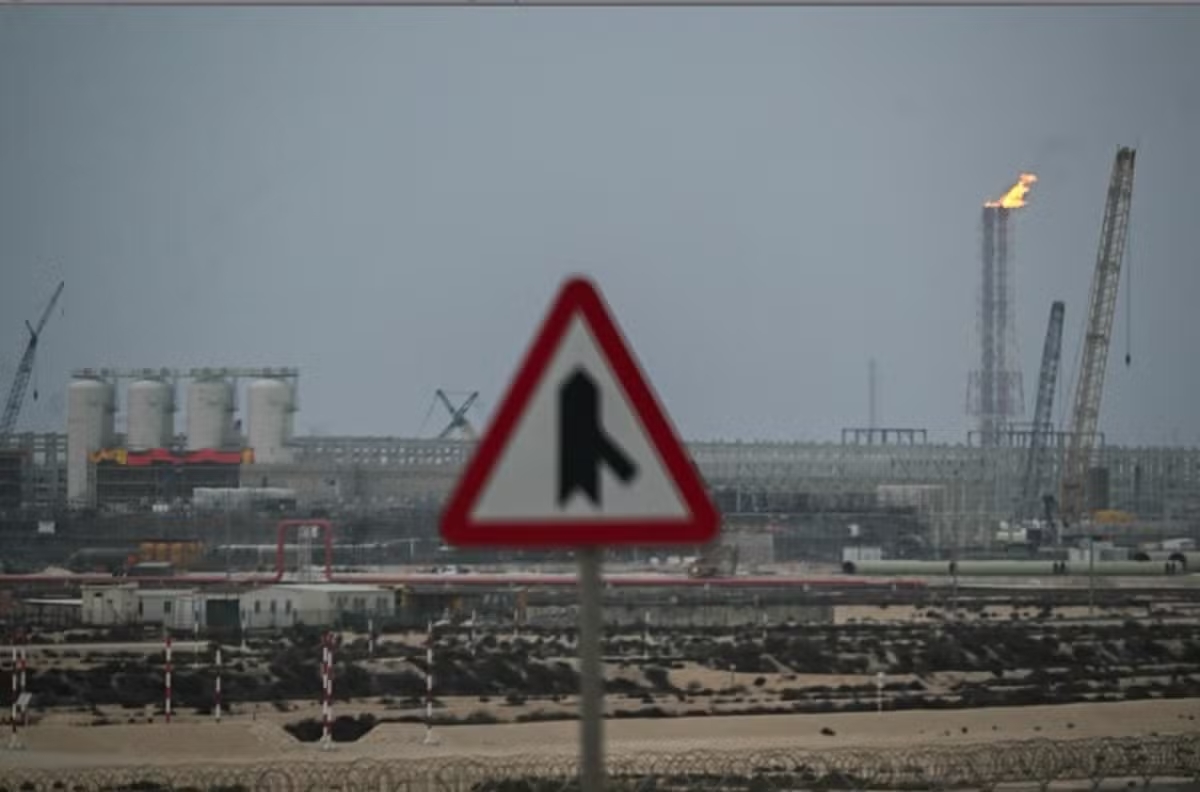
Alert in the global energy market: Severe tropical cyclone hits the coast and disrupts gas production at major plants in Australia, threatening global supply.

Problems Beyond The North Seas
Turning our eyes to the South China Sea, the drill ship Seacrest faced Hurricane Gay in 1989, taking with it 91 lives in a suddenly overwhelming tragedy. Similarly, the Glomar Java Sea met its end in 1983, reaffirming the omnipresent threat of natural disasters in these operations.
History has shown us that nature can, in an instant, turn the tide of fortune and innovation. The Deepwater Horizon disaster in 2010, in the Gulf of Mexico, not only took 11 lives but also triggered the largest oil spill in U.S. history, with environmental impacts whose scars remain visible to this day.
Maritime Safety And Technology
Each of these tragic events teaches us vital lessons about safety, technology, and the importance of respecting and understanding the forces of nature with which we dare to coexist. They serve as a call to action to constantly improve our practices, technologies, and protocols to ensure that the quest for oil does not come at the cost of more human lives or environmental disasters.
As we advance in the exploration of new frontiers for oil extraction, oil platform disasters remain as dark testimonies of the risks involved. They remind us of the imperative necessity to balance our desire for progress with a commitment to safety and sustainability. After all, in the tug-of-war between man and sea, it is essential to remember that respect and caution are our greatest allies in preventing future tragedies.
And What About Oil Spills? The Case Of The Atlantic Empress
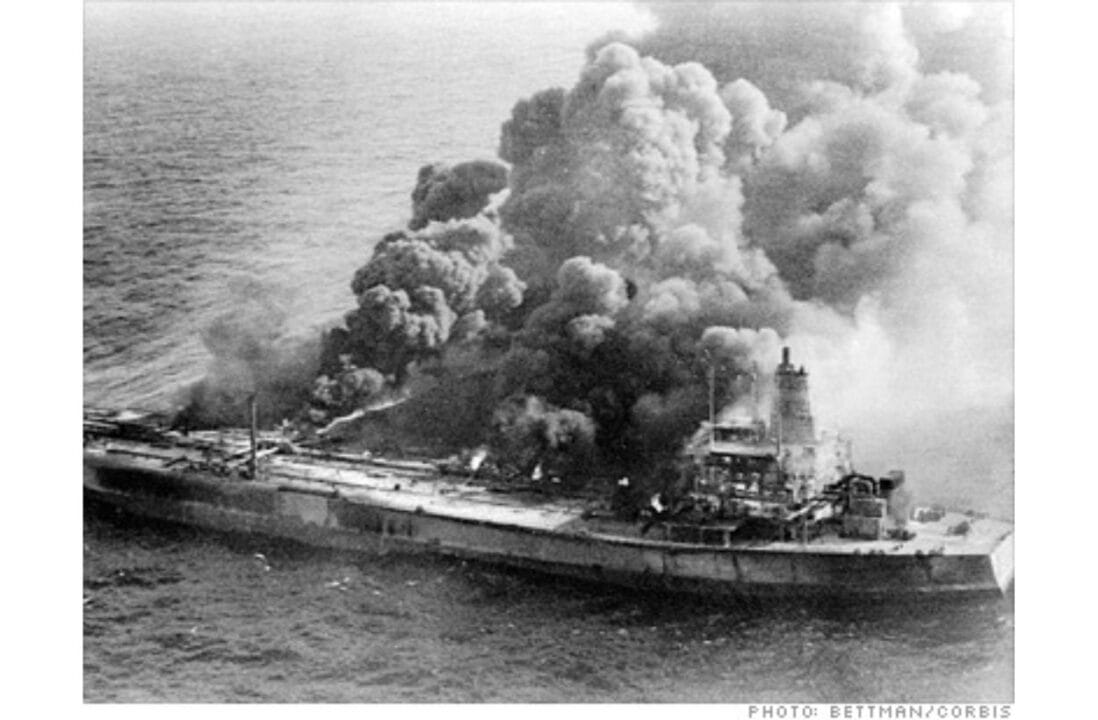
In July 1979, the world witnessed what would become the largest oil disaster in terms of oil spill volume. The tanker Atlantic Empress collided with the Aegean Captain in the Caribbean Sea, releasing a staggering 287,000 tons of oil into the sea. This disaster not only underscored the dangers associated with maritime oil transportation but also served as a grim reminder of the vulnerability of our seas to industrial disasters.
In Brazil, the tragedy that resonated most in the media occurred in January 2000, when a pipeline between the Duque de Caxias Refinery and the Ilha d’Água Terminal ruptured. This accident resulted in the spill of 1,300 m³ of marine fuel oil into the Guanabara Bay, contaminating beaches, cliffs, mangroves, and conservation units. It was a sad milestone in the country’s environmental history, sparking heated discussions about safety and environmental conservation in the oil industry.
Oil pollution has various origins, with devastating consequences for marine and coastal ecosystems. Defects in oil tankers, spills from oil platforms, pipeline ruptures, and improper disposal of oil-contaminated water are the main causes of these environmental disasters. Each incident serves as an urgent call for the implementation of stricter safety and prevention measures.









Seja o primeiro a reagir!