





 Portuguese
  English
  Spanish
  3 min of reading


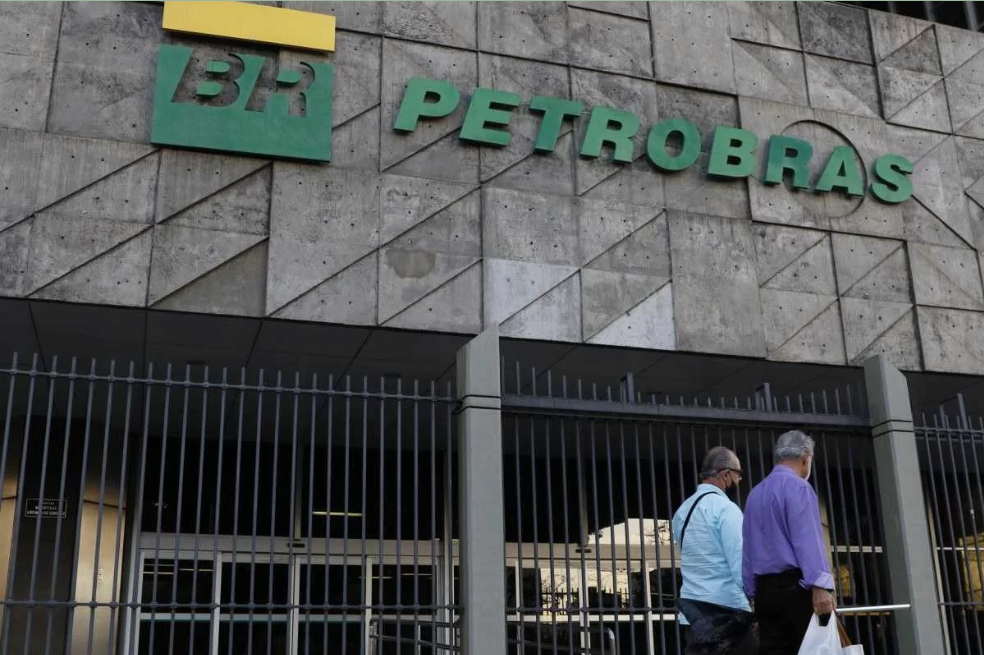
The Clique Petróleo e Gás Portal Conducted a Survey to Hear People’s Opinions on Petrobras’ Historic Quarterly Profit
Petrobras has solidified its position as the most valuable company not only in Brazil but also in all of South America, following the billion-dollar gain reported in the first three months of 2022. The largest quarterly profit in the company’s history was R$ 44.5 billion, significantly higher than in the same period in 2021 (R$ 1.2 billion).
On the social network Twitter, the portal Click Petróleo e Gás conducted a survey to hear from Brazilians their opinions on this billion-dollar gain. Among the voters, the vast majority said that the level reached by Petrobras was “good” (82.7%). Just over 10% view the company’s profits as negative. Meanwhile, 6.8% voted for the option “maybe.”
The numbers show that a large portion of Brazilians is optimistic about Petrobras’ profits, as out of nearly R$ 45 billion, approximately R$ 14 billion will be allocated to the Union to be invested in infrastructure, education, security, health, among others.
-
Unemployment rises again to 5.8% at the beginning of 2026, raising alarms about the end of temporary positions and its impact on the Brazilian job market.

-
Document organization can cut invisible costs in small businesses, a simple step that prevents waste, rework, and losses in daily operations.

-
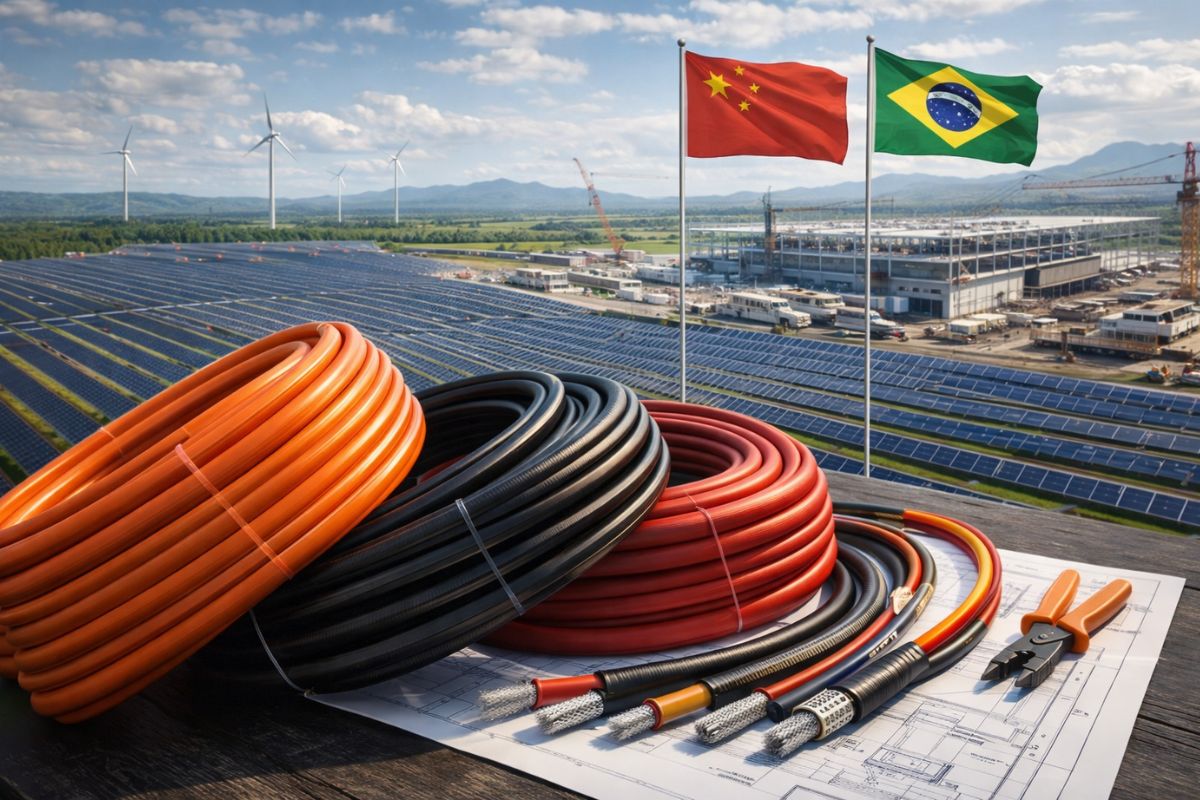
Chinese giant worth nearly R$ 4 billion that manufactures cables for electric cars, solar energy, and robotics wants to open a factory in SC.
-
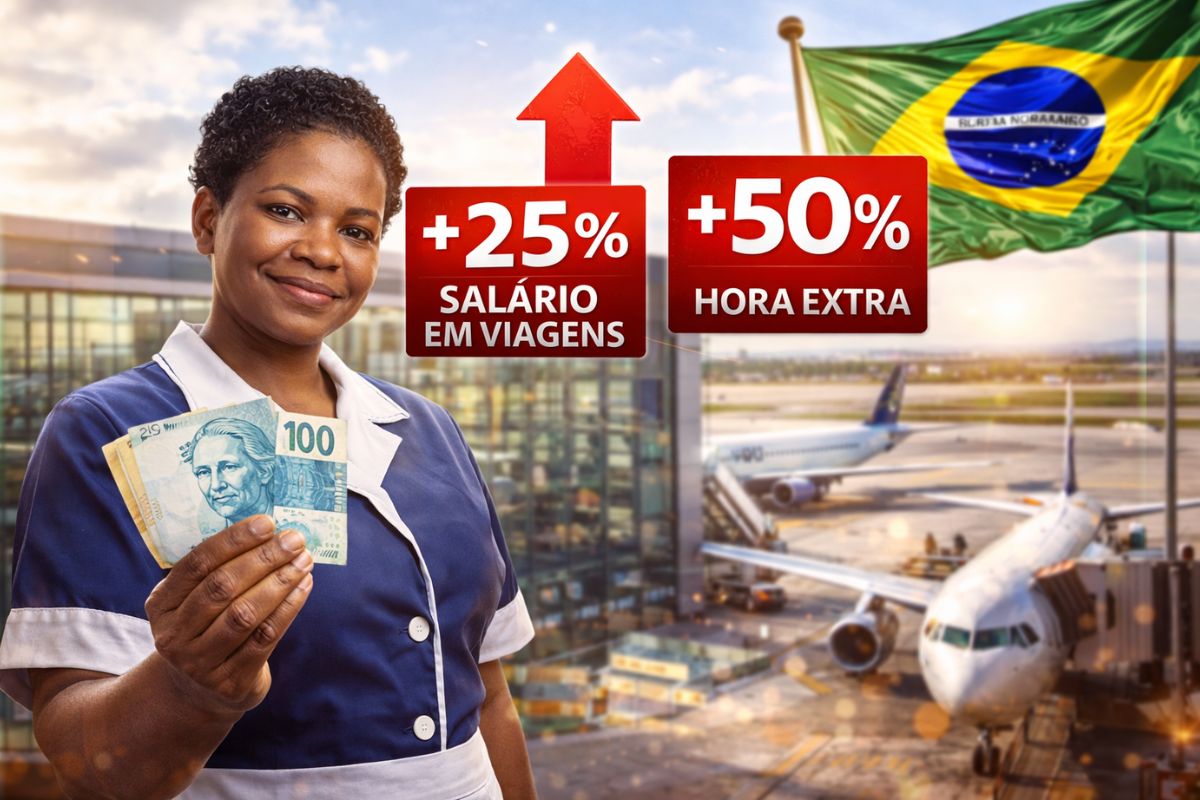
Many employers do not know, but the law guarantees domestic workers a 25% increase in salary during trips, 50% for overtime, 20% for night shifts, and 17 additional benefits that can lead to labor lawsuits if not paid.

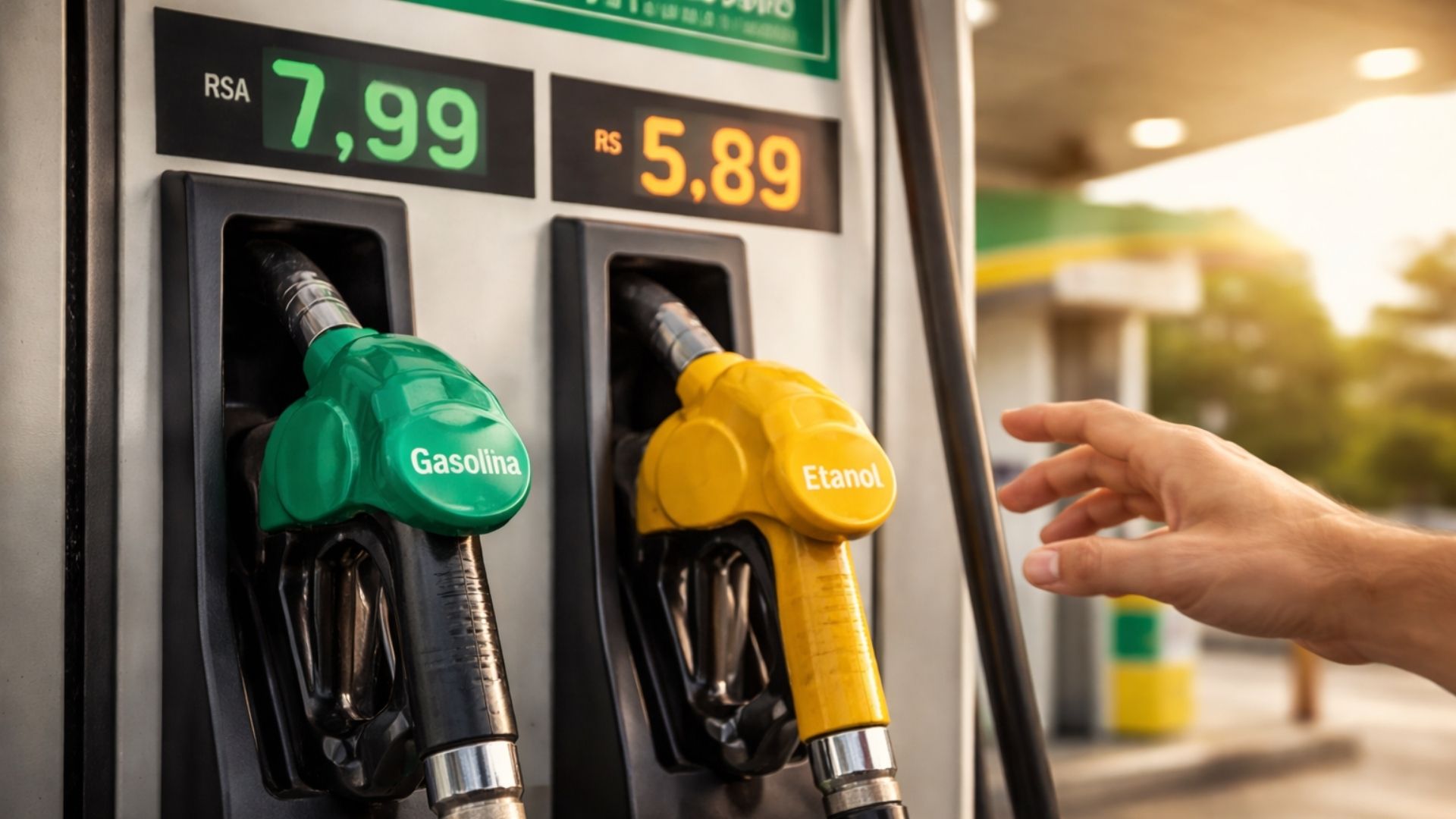
On the other hand, there is still a lack of trust among the population regarding Petrobras and its billion-dollar profits. After all, Brazil is going through a difficult time with rising inflation, largely due to fuel prices. In the last adjustment, gasoline became 10.2% more expensive, and diesel rose 8.87% for distributors.
Privatization, Corruption and PPI at the Center of the Debate on Petrobras’ Profits
The overvaluation of Petrobras, with profits greater than those of the world’s largest oil companies, raises the debate on the privatization of the company.
The Federal Government wants studies to ensure that the proposal to sell Petrobras moves forward. The Minister of Mines and Energy, Adolfo Sachsida, has already submitted a request to the Minister of Economy, Paulo Guedes, to initiate the privatization studies.
On the other hand, the President of the Senate, Rodrigo Pacheco (PSD-MG), stated that the privatization of Petrobras “is not on Congress’ radar.” The sale of the company requires approval from senators and federal deputies.
For some segments of public opinion, privatizing Petrobras is seen as paving the way for fuel prices to remain high. Recently, Bahia, for example, became the state with the most expensive fuel in Brazil.
In the first half of March, common gasoline there reached R$ 7.69 per liter. This price was 15% higher than the national average during that period, according to the National Agency of Petroleum, Natural Gas and Biofuels (ANP).
These values were recorded just over three months after the completion of the sale of the Landulpho Alves Refinery (Rlam), located in the municipality of São Francisco do Conde in Bahia, sold by Petrobras to Acelen.
Regarding corruption, some argue that the high profits of the state company are due to the absence of fraud and deviations previously uncovered by the Operation Lava Jato.
PPI Allows Petrobras to Set the Oil Barrel Price Based on the Dollar
Since 2016, Petrobras’ Import Parity Policy (PPI) allows the oil barrel produced by the company to be sold at international market prices, even though the product is extracted, largely refined, and consumed right here in Brazil.
Thus, whenever the price of oil increases abroad, fuel prices in Brazil also rise. One of the reasons driving this increase is the war in Ukraine, as Russia, the second-largest exporter and third-largest oil producer globally, accounting for about 12% of global supply, is facing economic sanctions.









Seja o primeiro a reagir!