





 Português
  Inglês
  Espanhol
  3 min de leitura
  7 comentários


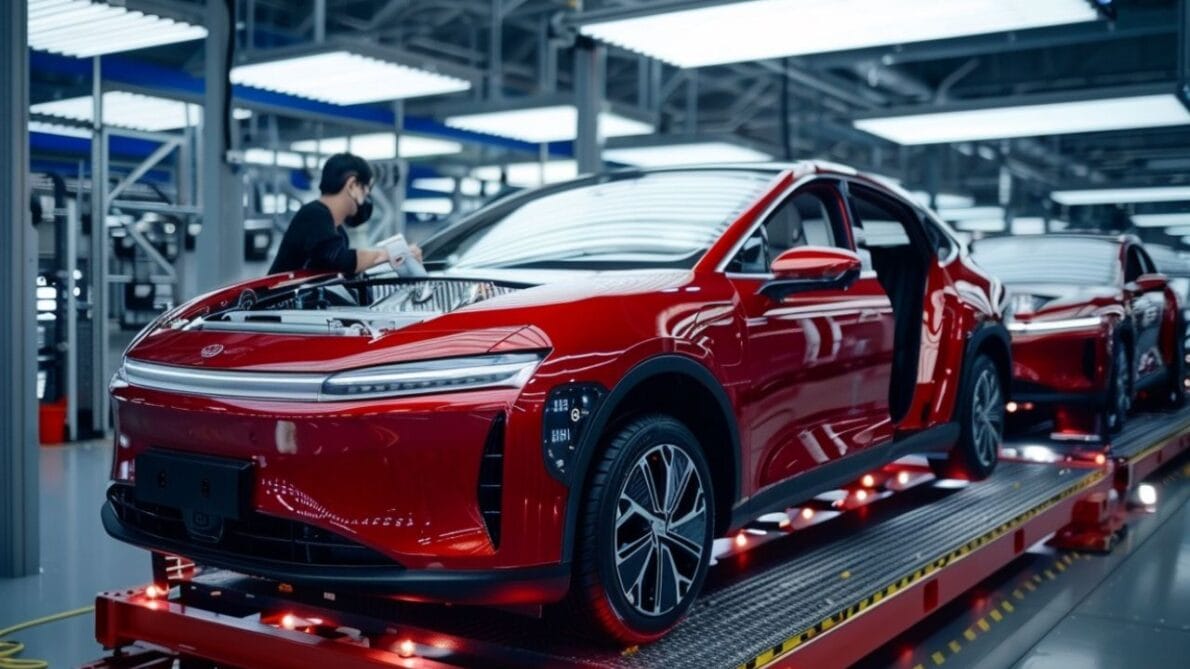

BYD Announces Second Generation of Its Blade LFP Batteries, Offering a 27% Higher Energy Density, Which Increases the Range of Electric Vehicles and Significantly Reduces Production Costs.
BYD, a leader in battery technology, has just announced a significant advancement with the launch of the second generation of its Blade LFP batteries. This new model promises to be a game-changer for the electric vehicle market, offering a 27% higher energy density than previous versions.
The new Blade battery from BYD, known for its slim and efficient design, now achieves an energy density of 190 Wh/kg, surpassing its previous version that had 150 Wh/kg. This substantial improvement in energy density means that vehicles equipped with these batteries will have significantly greater range while maintaining the same reliability and safety of LFP (lithium iron phosphate) batteries.
The New Version of BYD’s Blade Battery Comes Even Closer to the Capabilities of CATL Batteries


While BYD’s Blade battery was already known for its safety and durability, the new version comes even closer to the capabilities of CATL batteries, which lead the market in charging speed. Although Shenin batteries may charge faster, BYD is closing the gap with the second generation of the Blade, which promises improvements not only in energy density but also in charging efficiency.
-
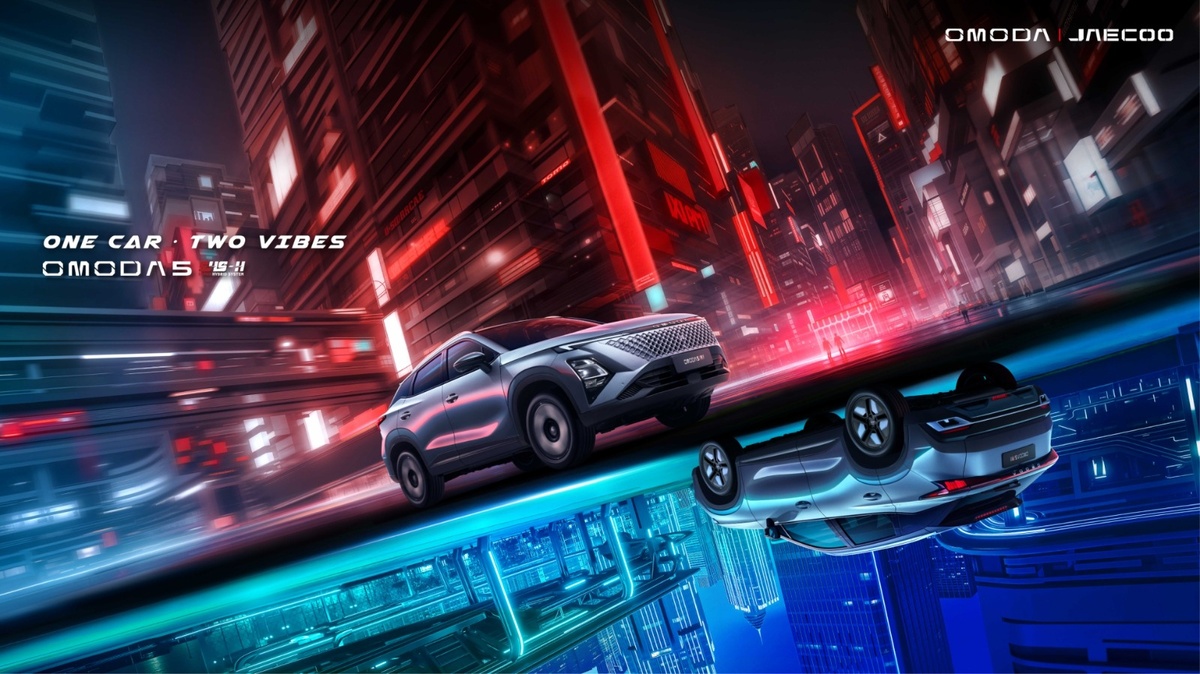
OMODA & JAECOO grows in Europe in 2026 with an integrated strategy of sales, innovation, local production, and technological advancement in the United Kingdom, Italy, and Spain.
-
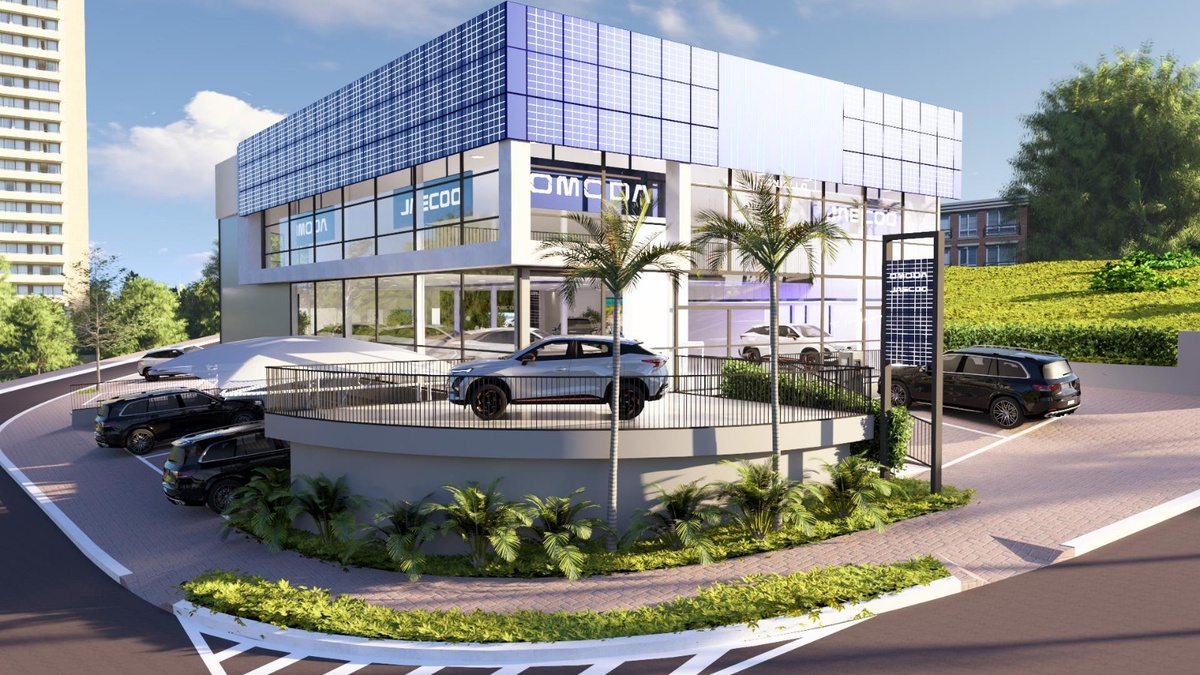
OMODA & JAECOO expands after-sales service in Brazil with competitive maintenance, a 7-year warranty, and high availability of parts for technological SUVs.
-
OMODA & JAECOO appoints Alessandra Souza as executive marketing director in Brazil and accelerates brand expansion with a focus on innovation, networking, and hybrid portfolio.

-
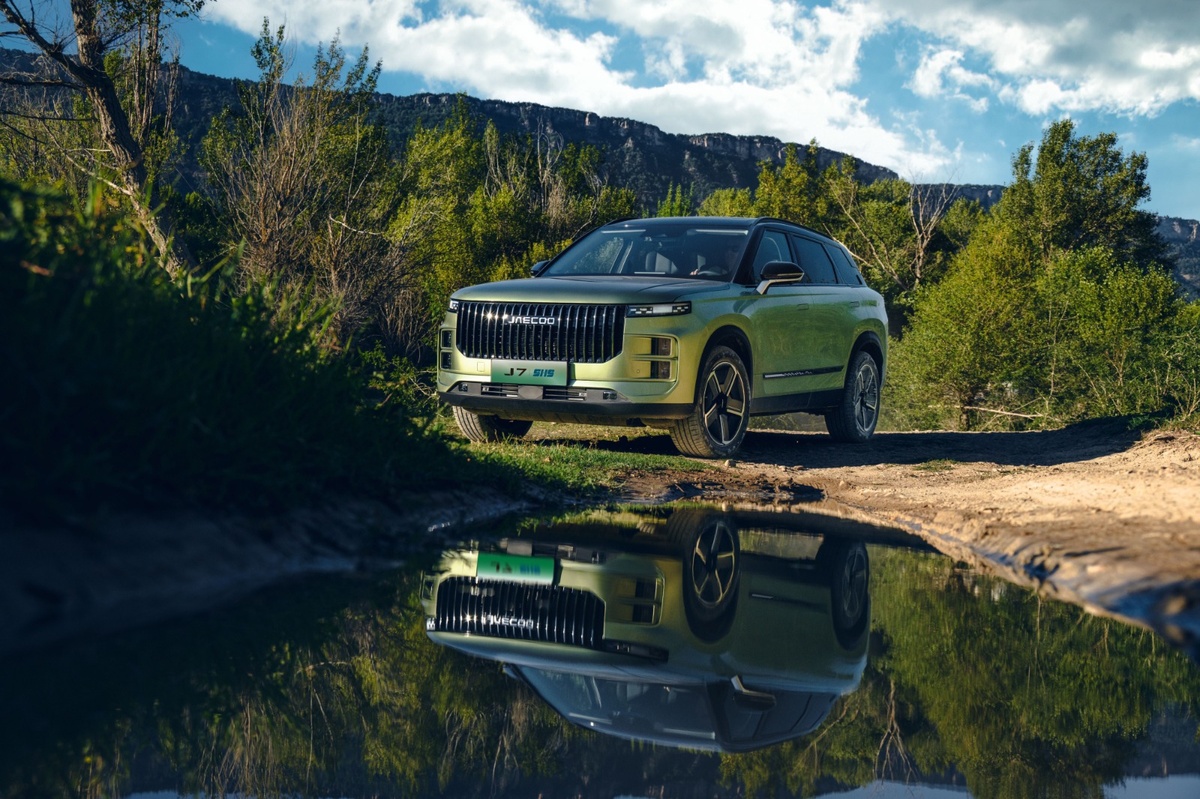
Jaecoo 7 with super hybrid SHS system exceeds 1,200 km of combined range with a 1.5 turbo engine, high-density battery, and intelligent energy management.

This Evolution of BYD’s Blade Batteries Represents a Significant Competitive Advantage
This evolution of BYD’s Blade batteries represents a significant competitive advantage, potentially reducing the production costs of electric vehicles and making them more accessible. The CEO of BYD, Wang Chuanfu, highlighted during a financial disclosure event that the new battery is smaller, lighter, and more efficient, features that will contribute to a reduction in energy costs per 100 km driven.
Range of Up to 1000 km in the CLTC Cycle
Expectations are that the new generation of the Blade battery will enable electric vehicles to achieve a range of up to 1000 km in the CLTC cycle, which would translate to approximately 800 km in the EPA cycle. Such figures put BYD vehicles in an extremely competitive position, even compared to more expensive and less accessible battery technologies, such as semi-solid batteries used in some high-performance vehicles.
In Addition to Technical Improvements, BYD Continues to Emphasize the Safety of Its Blade Batteries
In addition to technical improvements, BYD continues to emphasize the safety of its Blade batteries. Tests have demonstrated that these batteries are highly resistant to extreme physical damage, such as puncturing and crushing, without risk of fire – a crucial advantage when considering the safety of electric vehicles.
The introduction of the second generation of BYD’s Blade LFP battery is set to revolutionize the electric vehicle market, offering significant improvements in terms of cost, safety, and energy efficiency. With this innovation, BYD not only reinforces its commitment to sustainability but also solidifies its position as a leader in technology for the future of electric transportation.
The new generation of BYD’s Blade LFP battery promises to revolutionize the electric vehicle market with a significantly higher energy density. What do you think this means for the future of electric vehicles? Join the discussion in the comments below and share your thoughts and expectations about this BYD innovation!









Acho excelente matérias referentes aos carros elétricos ou híbridos chineses
Na mesma semana a CATL apresentou uma evolução das baterias de s****: 204 Wh/kg! Fico imaginando o futuro!
If all that energy density does not choose to escape via Magic Smoke, it could be a real breakthrough.