





 Portuguese
  English
  Spanish
  4 min of reading
  0 comments


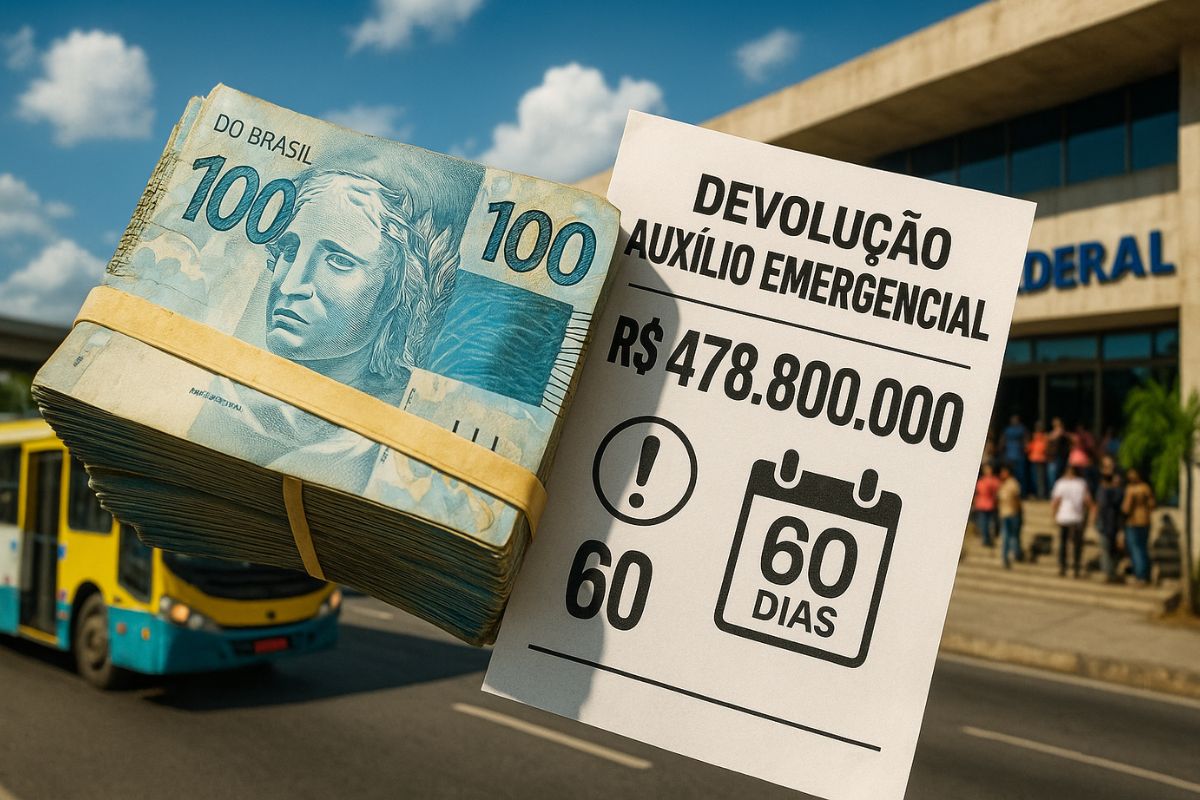
Government Notified Beneficiaries Who Received the Emergency Aid Improperly; Refunds Total Nearly Half a Billion Reais and Can Be Paid in Installments via Official Platform.
According to the Infomoney portal, more than 177 thousand families across the country will have to return amounts received improperly during the payment of the Emergency Aid, a program created during the pandemic to support informal workers and vulnerable families.
According to the Ministry of Development and Social Assistance (MDS), the total amount to be refunded reaches R$ 478.8 million, and the beneficiaries have up to 60 days to make the return, which can be paid in up to 60 installments, provided the minimum installment is R$ 50.
Where Are the Families That Will Have to Return the Emergency Aid
The notifications started being sent in March, via SMS, WhatsApp, email, and the Notifica app, prioritizing cases with higher amounts or profiles with greater payment capacity.
The states with the most notified families are São Paulo (55.2 thousand), Minas Gerais (21.1 thousand), Rio de Janeiro (13.2 thousand), and Paraná (13.2 thousand), accounting for more than half of the projected refunds.
-
Unemployment rises again to 5.8% at the beginning of 2026, raising alarms about the end of temporary positions and its impact on the Brazilian job market.
-
Document organization can cut invisible costs in small businesses, a simple step that prevents waste, rework, and losses in daily operations.

-
Chinese giant worth nearly R$ 4 billion that manufactures cables for electric cars, solar energy, and robotics wants to open a factory in SC.

-
Many employers do not know, but the law guarantees domestic workers a 25% increase in salary during trips, 50% for overtime, 20% for night shifts, and 17 additional benefits that can lead to labor lawsuits if not paid.


The individual amount to be returned varies according to the inconsistencies detected among them, formal employment link, receipt of another social security benefit, family income above the legal limit, or divergent information in the Single Registration.
These situations characterize improper payments and therefore require the reimbursement of amounts to the National Treasury.
Who Is Exempt from Collection
According to the MDS, families in situations of extreme vulnerability are not included in this return process.
Excluded from the collection:
- Beneficiaries of Bolsa Família or Auxílio Brasil;
- Registered in the Single Registration with a per capita income of up to two minimum wages;
- Families with a total monthly income of up to three minimum wages;
- People who received less than R$ 1,800 in total.
These groups remain protected by social policy and will not be charged, even if there is some inconsistency in their registration data.
How the Refund of the Amount Will Be Made
The payment must be made through the PagTesouro platform, accessible via the Vejae website.
The citizen can choose among the payment methods: Pix, credit card, or boleto (simple GRU) issued by Banco do Brasil.
According to the ministry, no links or boletos are sent via email or WhatsApp, and any collection received outside of official channels should be ignored.
Refunds in up to 60 installments are allowed, but those who do not settle within 60 days may have their names registered in the Federal Debt Active and in the Cadin (Informative Register of Unpaid Credits), in addition to being at risk of negative listings with credit protection agencies.
Inspection, Defense, and Government Alerts
The director of the Department of Discontinued Aid of the MDS, Érica Feitosa, emphasizes that the process is transparent and guarantees the right to defense.
“The system allows the citizen to present an appeal if they disagree with the collection. It is essential that they access the portal to check their situation and applicable deadlines,” she states.
The MDS also warns about the increase in scams and misinformation involving the subject. No employee will contact you to request bank details, passwords, or direct payments.
The guidelines and the Vejae Guide are available only on the official website of the Ministry. In case of doubt, it is possible to call the Disque Social 121 or consult verified government channels.
The Impact of the Post-Pandemic Adjustment
The collection of improper amounts from the Emergency Aid is part of the effort for fiscal recovery and correction of distortions created during the pandemic.
With the program, more than 68 million Brazilians received installments between 2020 and 2021, which required subsequent verification to identify cases of duplication, fraud, or improper eligibility.
The government states that the goal is not to punish, but to restore balance to public accounts and ensure that resources reach those who really need them.
Experts emphasize that the return of irregular amounts is a mechanism provided for in law and reinforces the responsibility in the use of emergency funds.
Do you consider the refund of the Emergency Aid fair for those who received it improperly, even years after the end of the program? Or do you believe the government should reassess each case, taking into account the current conditions of families?
Share your opinion in the comments your insight helps to understand the real effects of this collection on the lives of those who experienced the crisis up close.










-

-

-

-

-

-

89 pessoas reagiram a isso.