





 Portuguese
  English
  Spanish
 4 min of reading
  0 comments


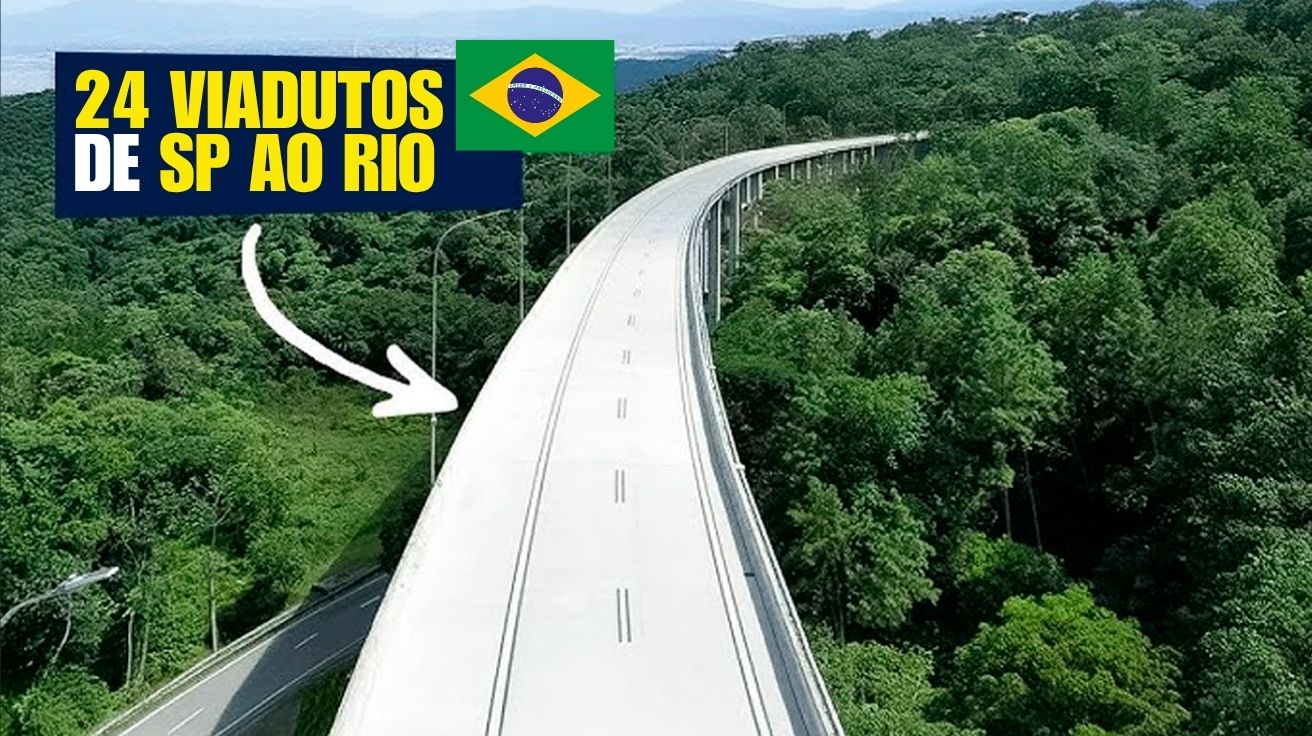
With Billion-Dollar Investments, New Project on BR-116 Expects More Than 23 Overpasses and Modern Technologies to Solve One of the Most Dangerous Sections in the Southeast, Connecting São Paulo and Rio de Janeiro with More Safety, Fluidity, and Job Creation.
An investment of R$ 1.5 billion, coming from the largest issuance of incentivized debentures in history and financed by BNDES, is underway at Serra das Araras, in the Fluminense section of BR-116 (Via Dutra), between Piraí and Paracambi (RJ).
The project, part of the New PAC program, is considered one of the largest interventions on Dutra in decades and promises to radically transform logistics between São Paulo and Rio de Janeiro.
Overpasses, Ramps, and Technology at Serra das Araras
24 overpasses totaling more than 4,500 m, in addition to two escape ramps, 3 pedestrian walkways, 8 lanes (4 in each direction), shoulders, and side roads are under construction.
-
Mercado Livre has just started selling medications with delivery in up to three hours to your door, and this move could completely change the way Brazilians buy medicines on a daily basis.

-
In Dubai, rising tensions from the war in the Middle East are causing super-rich individuals to leave the Gulf and direct their fortunes to a new financial refuge in Asia.

-
Tourists were poisoned on Everest in a million-dollar fraud scheme involving helicopters that diverted over $19 million and shocked international authorities.

-
Hidden beneath the dense forest of the Sierra Nevada, Betoma emerges in a neighbor of Brazil as the greatest archaeological discovery of the century, revealing a colossal ancestral city covering over 18 km², with 8,334 stone structures and the potential to rewrite the history of South American civilizations.

Pavement with recycled rubber, smart signage, LED lighting, and 5G internet with cameras and variable message panels will be part of the new infrastructure.
As of April 2024, with 25% of the project completed, 502 foundations (out of the 2,200 planned) have been installed, and five of the 50 main beams have begun to be assembled at the Paracambi site.
About 2,000 workers are mobilized, with projections for an additional 3,000 hires by the project’s completion.
Dutra Highway and the Challenges at Serra
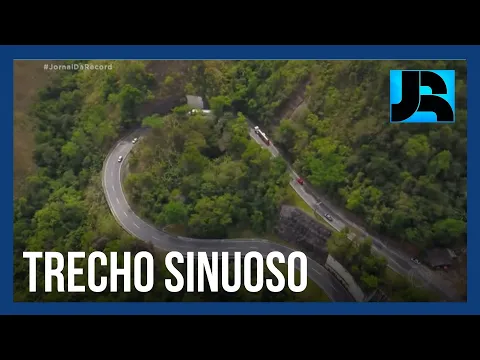
Serra das Araras is the most winding and dangerous point on the Dutra.
Sharp curves, steep descents, and heavy traffic — with about 390,000 vehicles per month, 36% of which are heavy loads — make traffic jams and accidents almost daily occurrences.
Additionally, a landslide that occurred in 1967, which killed hundreds and isolated parts of the road, highlights the region’s permanent geotechnical risks.

Reduction of Time and Increase in Road Safety
The modernization is expected to result in a reduction of up to 50% in crossing time on the descent (towards RJ) and 25% on the ascent (towards SP), with an average speed of 80 km/h.
The new structure will allow for lower fuel consumption, less wear on heavy vehicles, and greater fluidity in traffic.
The clear separation between directions, with independent lanes, escape ramps, and shoulders, is expected to significantly reduce accidents.
Financing and Responsibility of the Project
The project is executed by CCR RioSP, under the supervision of ANTT, and was included in the concession contract signed in March 2022.
The financing is made possible with R$ 10.75 billion from the federal government, including the largest issuance of incentivized debentures in history (R$ 9.4 billion) and contributions from BNDES.
The director of infrastructure at BNDES, Luciana Costa, highlighted the sustainability of the project, citing the use of “green debentures” that allowed for reduced interest rates.
Authorities Highlight Strategic Importance
During an inspection in April 2025, President Lula classified the project as part of the “future of Brazil that we desire,” and criticized the past of being a “country of stalled projects.”
Transport Minister Renan Filho stated that the project was designed “to rebuild Serra das Araras for the Brazilian people,” praising the pillars of safety, sustainability, and digitization.
The president of BNDES, Aloizio Mercadante, reinforced the project’s relevance by stating: “Half of Brazil’s GDP passes through Dutra,” and mentioned the innovative financing model.
Environmental Sustainability and Local Employment
The project plans for the recovery of degraded areas, slope stabilization (93 structures planned), and the reuse of about 13 thousand tons of recycled asphalt.
The construction site prioritizes workers from Piraí and Paracambi and maintains professional training programs.
CCR also supports community projects, such as “Praça das Frutas,” which promotes local agriculture in areas affected by the project.
Schedule and Delivery in Stages
Construction began in April 2024, with 25% of execution completed by April 2025.
Deliveries will be made in two phases:
The uphill lane (towards São Paulo) is expected to be completed by 2028.
The downhill lane (towards Rio de Janeiro) is projected to be finished by 2029.
Logistical Impact in Brazil
According to experts, the new Serra das Araras has the potential to become a national benchmark in road infrastructure.
Additionally, it will improve fluidity and safety in the most critical stretch of Dutra and may also stimulate new logistical and industrial investments along the SP-RJ corridor.
Do you believe that Serra das Araras will finally stop being a bottleneck and become an example of road modernization in Brazil?






Seja o primeiro a reagir!