





 Portuguese
  English
  Spanish
  3 min of reading
  0 comments


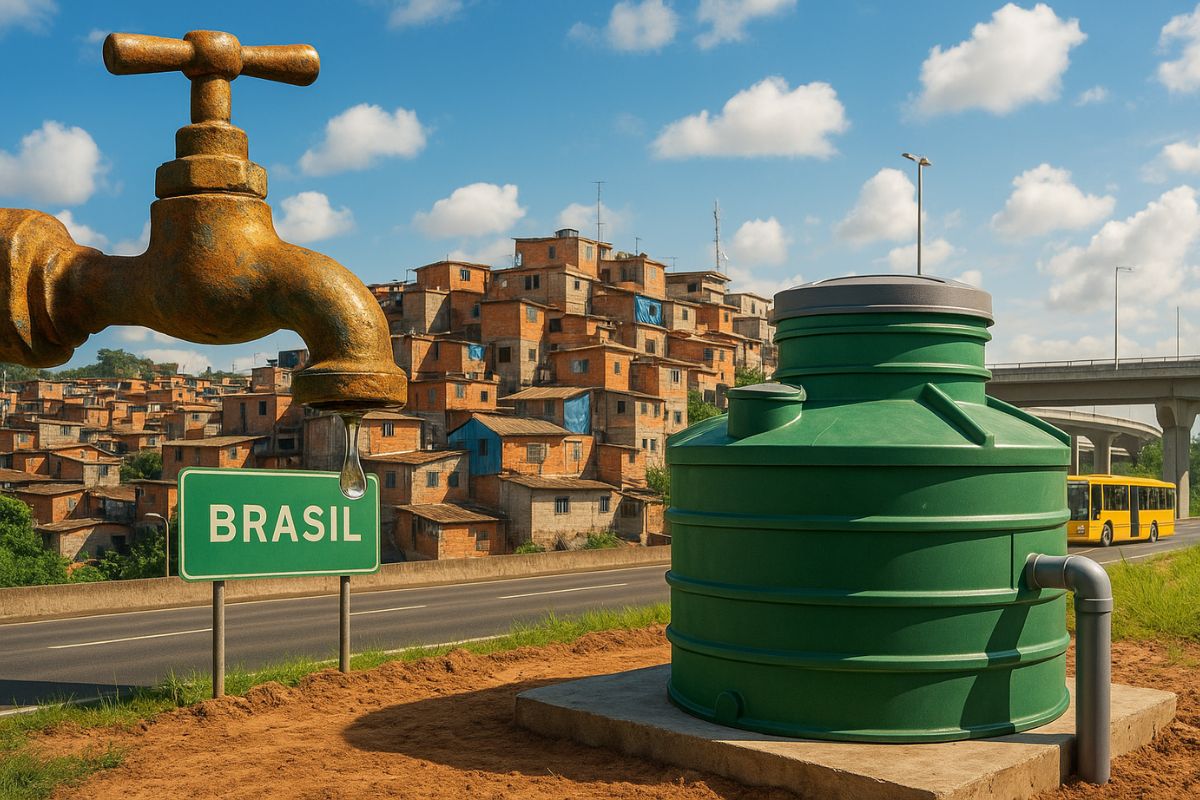
Innovative Solution Developed in Brazil Promises to Democratize Basic Sanitation with Low Cost, High Efficiency, and Operation Independent of the Electricity Grid.
More than 30% of the Brazilian population still lives without simultaneous access to running water and sewage, according to data from IBGE. The impact is direct on public health, the environment, and the dignity of millions of people who daily cope with the lack of basic infrastructure.
In light of this scenario, engineer Breno Pfister creates a sustainable microstation that promises to change the reality in rural, quilombola, indigenous communities, and even in isolated urban areas. The technology allows for the treatment of up to 95% of the generated sewage without relying on electrical energy, using only gravity to operate.
According to Breno Pfister, the innovation was born to meet the needs of regions where traditional sanitation is unfeasible. “The system was designed to be simple, efficient, and accessible, without the need for electrical energy, which ensures independence and greater social reach,” explained the engineer.
-
Millions of people have been eating yam for centuries without knowing that this humble tuber contains a compound called diosgenin, which scientists have now discovered can improve memory and help control blood sugar levels.

-
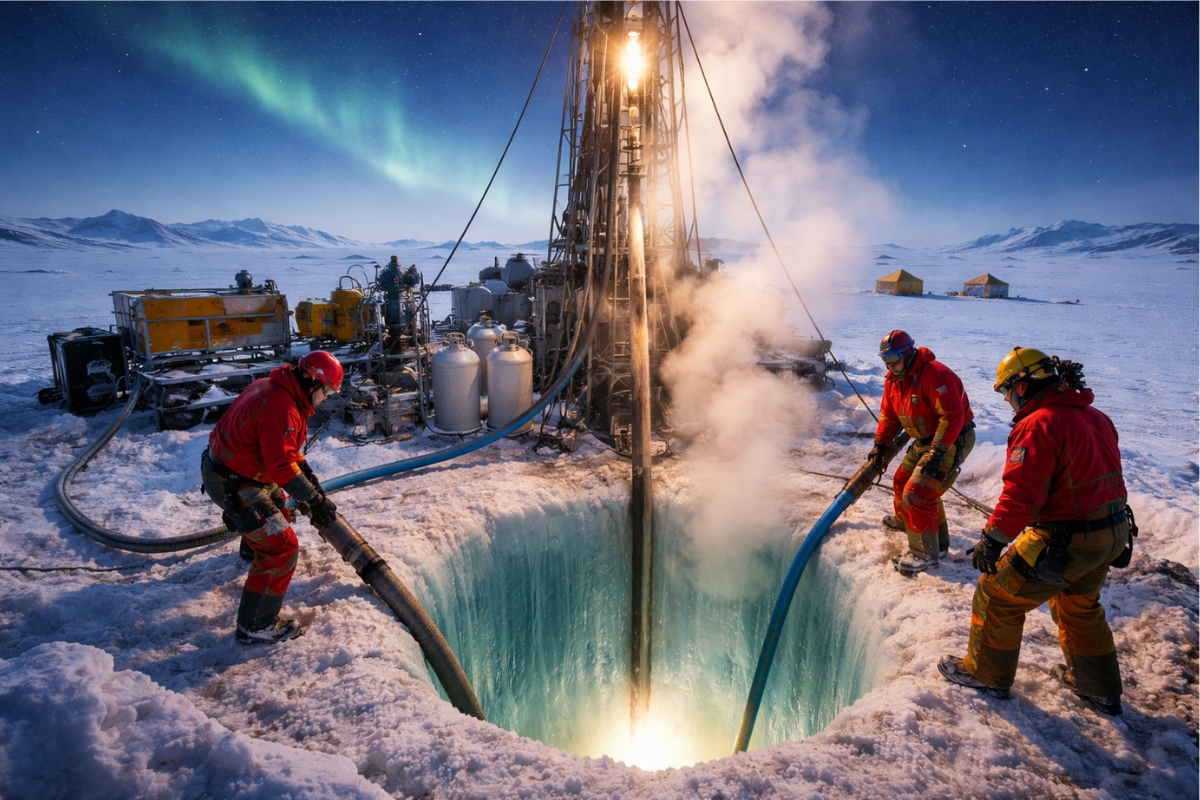
Scientists from an international project drill 1,800 meters of ice in Antarctica using hot water and discover details about one of the most intriguing places on planet Earth.
-
Seen from space, a colossal volcano nearly 5,000 meters high in Russia has released 1,600 km of smoke over the Pacific, forming “devil’s horns” of lava and revealing the brutal force of the Ring of Fire.

-
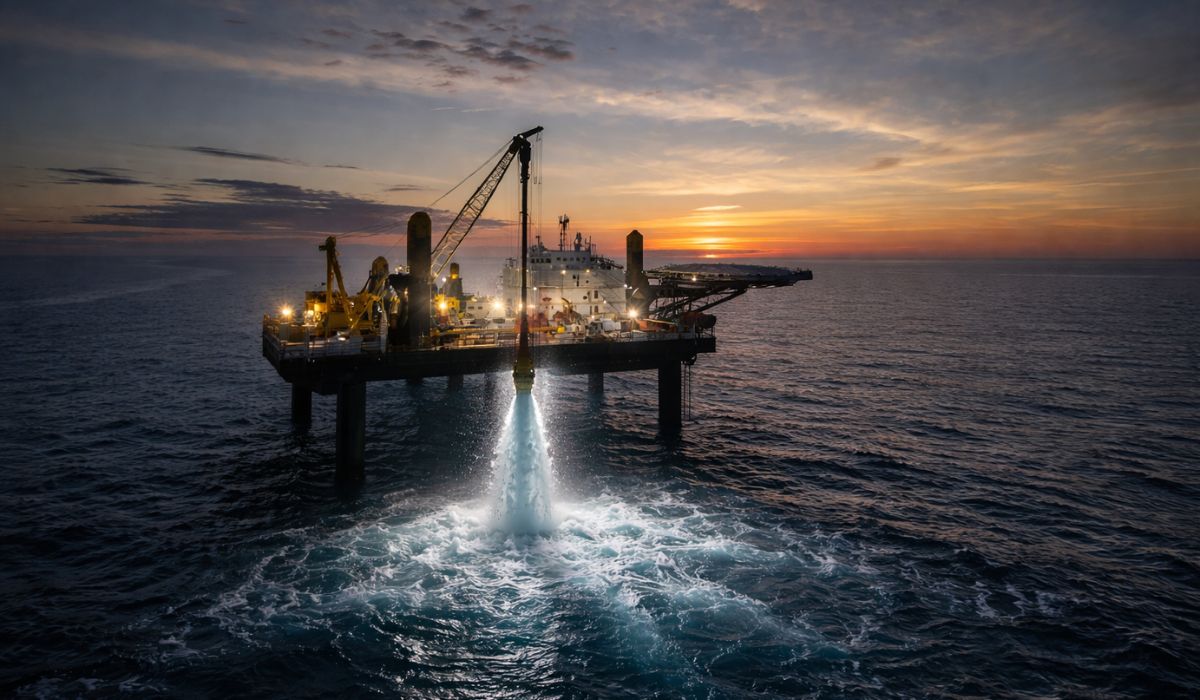
Expedition 501: Scientists drill into the ocean floor and discover a giant reserve of fresh water hidden beneath the sea, extracting nearly 50,000 liters and revealing an invisible system that could reshape the map of water scarcity.

The Structural Problem of Sanitation in Brazil
The sanitation deficit is one of the country’s biggest social hurdles. Although the Legal Framework sets the goal of 90% coverage by 2033, progress has been slow.
Traditional sewage network works are expensive, time-consuming, and often unfeasible in remote areas.
This leaves millions of families in situations of sanitary vulnerability, increasing cases of diseases, water pollution, and social inequality.
Without treated water and sewage collection, entire communities remain exposed to environmental risks and social exclusion.
It is precisely to address this structural void that more accessible and adaptable technological initiatives are emerging.
How the Sustainable MicroETE Works
The solution presented by the engineer is the MicroETE Aeko, a treatment microstation that dispenses with electrical energy.
The system was developed based on academic research and has been approved by sanitation companies like Sabesp and Copasa.
The process occurs in three stages:
- Primary: separation of solid waste;
- Secondary: decomposition of organic matter by natural bacteria;
- Tertiary: final removal of nutrients and pollutants to ensure the quality of the treated water.
This cycle fully complies with the new Brazilian technical standard NBR 17076/2024 and guarantees efficiency of up to 95% in treatment.
Practical Applications and Social Impact
In addition to efficiency, the microstation stands out for its low cost, easy installation, and minimal maintenance. It can be used in homes, schools, hotels, construction sites, temporary events, and even in environmental preservation areas.
This means that places previously ignored by conventional networks can now have access to quality sanitation.
The democratization of access can transform the lives of millions of people, helping Brazil achieve international sustainability and human dignity goals.
Sustainability and the Future of Sanitation
Another crucial point is that the microstation does not depend on the electrical grid, something essential in isolated areas or with unstable supply.
This ensures autonomy and reduces operating costs over the years.
With this innovation, the engineer creates a sustainable microstation that not only addresses Brazil’s historic deficit but also offers a viable alternative for developing countries facing similar challenges.
Brazil has been facing an alarming sanitation deficit for decades, but solutions like the MicroETE show that it is possible to innovate and expand access sustainably.
And you, do you believe that a sustainable microstation can really replace traditional sanitation models? Do you think the government should invest more in such technologies to accelerate universalization? Leave your opinion in the comments; we want to hear from those who experience this in practice.





Seja o primeiro a reagir!