





 Portuguese
  English
  Spanish
 5 min of reading
  0 comments


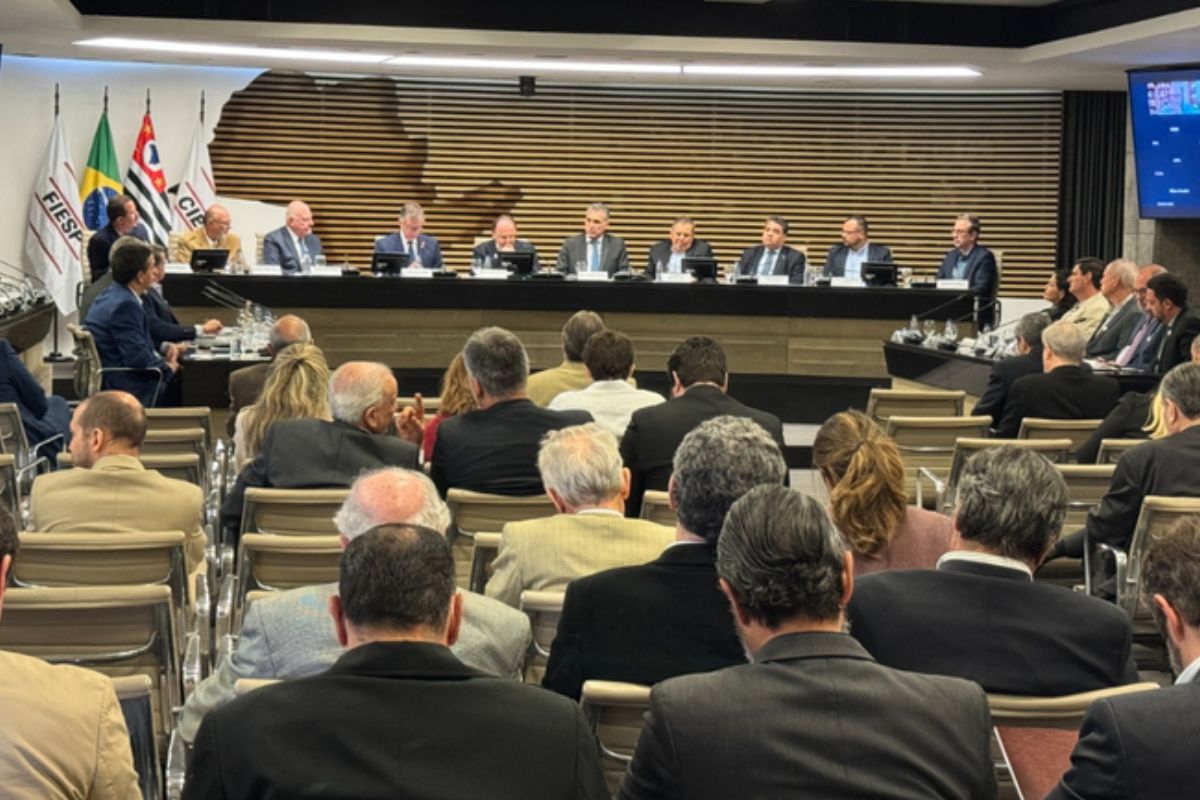
Brazil Took Another Step To Reduce External Dependence On Fertilizers At The Mapa Meeting With Fiesp. The Meeting Addressed Bill 699/2023, Known As Profert, Which Provides Tax Incentives, Encouragement For National Production, And Support For Bioinputs
Imagine relying on someone for almost everything you need at home. Now, think about that on a national scale when we talk about agriculture, food on the table, and even food security. That is exactly what happens to Brazil in relation to fertilizers.
Today, the country buys most of it from abroad, which raises concerns during international crises, price increases, or import difficulties.
In an attempt to change this scenario, the Ministry of Agriculture and Livestock (Mapa) met with representatives of agribusiness and the National Congress at Fiesp in São Paulo.
-
Havan will leave the shopping mall in Blumenau to inaugurate something that the chain has never done before: a megastore in half-timbered style in the Historic Center of the city, which is expected to be completed in May and change the landscape of local retail.

-
Brazil has just secured a secret route through Turkey to save agribusiness exports that were threatened by the closure of the Strait of Hormuz amid violent clashes in the Middle East.

-
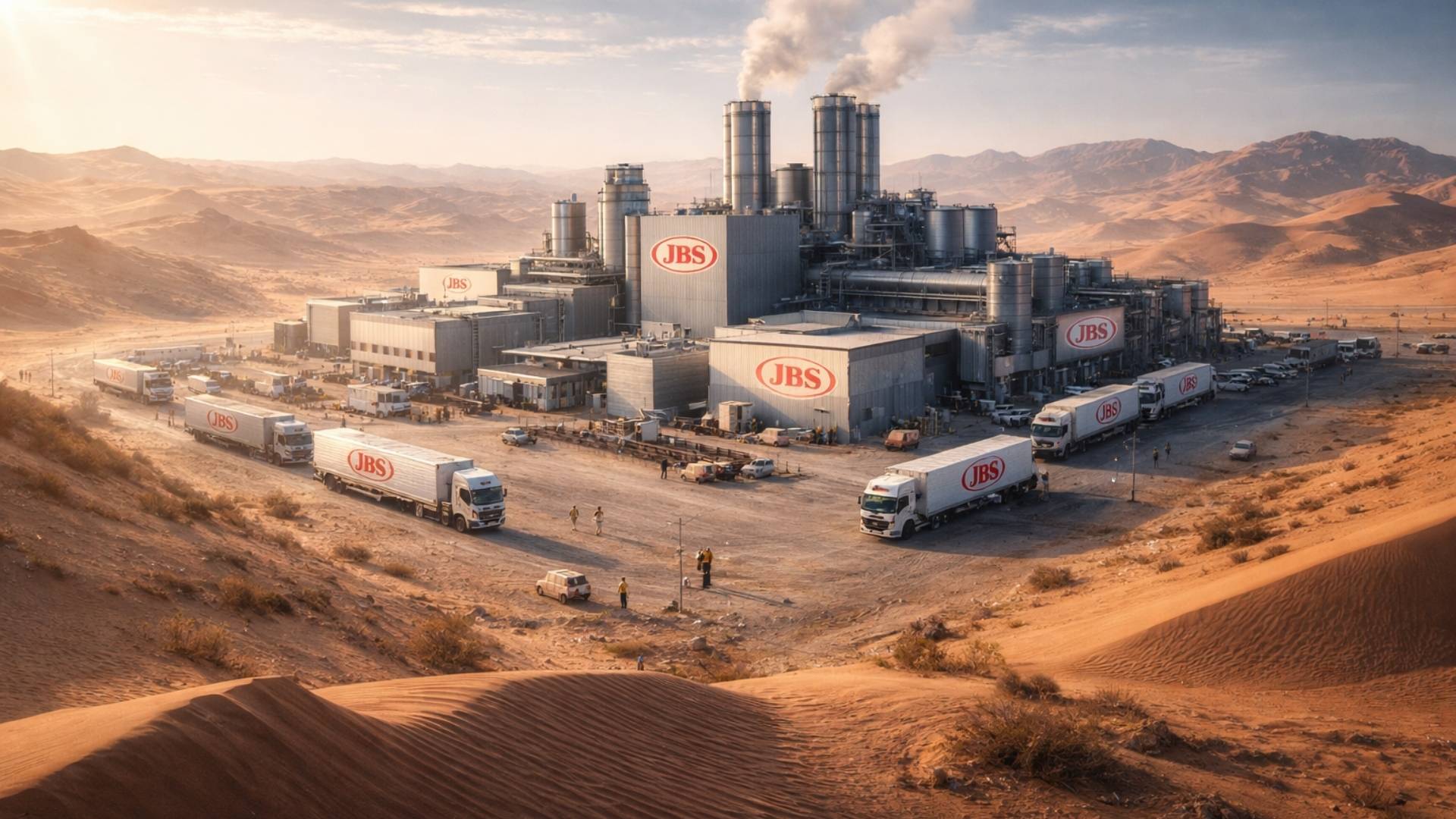
JBS, founded by the Batista brothers, continues to conquer the world: the entrepreneurs built a ‘factory in the desert’ with 3,000 jobs.
-
With only 1% of Brazilian territory, Santa Catarina has built one of the most competitive industrial parks in the country with 64,000 companies, nearly 1 million jobs, and a growth of 5.3% while the national industry is practically stagnant.


According to an article published on the agency’s website, the meeting had a very clear goal: to discuss a project that could help reduce external dependence on fertilizers and pave the way for a more nationalized production.
The topic may seem technical, but the truth is that it affects everyone’s life since it is directly linked to food prices and the future of Brazilian agriculture.
During the meeting, different voices showed that the issue is a priority and that there are proposals on the table to turn this challenge into an opportunity.
Among the solutions discussed are tax incentives for the national industry, encouragement for the use of bioinputs, and even new forms of financing.
The Urgency Of Reducing External Dependence On Fertilizers
The starting point of the meeting was a striking statistic: Brazil imports about 85% of all fertilizers it uses.
This number makes it clear how important it is to reduce external dependence on fertilizers so that the country does not become so vulnerable to changes in the international market.
During the meeting at Fiesp, Mapa’s National Secretary for Agricultural Policy, Guilherme Campos, emphasized that this dependence puts food security and national sovereignty at risk.
He reminded that the National Fertilizers Plan, launched in 2023 through Decree 11.518, has already established an ambitious goal: by 2050, the aim is to cut this dependence in half, from the current 85% to 50%.
Another point raised was the issue of costs. While imported fertilizers enter Brazil tax-free, the national industry faces tax barriers and still deals with high tariffs on natural gas, an essential input for production.
This scenario creates an uneven competition and makes internal growth difficult. Therefore, the debates on Bill 699/2023, authored by Senator Laércio Oliveira, were received with attention.
The proposal seeks to create incentives to balance this game and provide conditions for Brazil to advance in its own production.
What Profert Proposes And How It Can Help Reduce External Dependence On Fertilizers
Bill 699/2023, known as Profert, was one of the main highlights of the meeting. The central idea is to create a set of tax and financial benefits to stimulate national production and thus reduce external dependence on fertilizers.
Among the main points are the tax exemption on goods and services used both in domestic production and importation.
This includes tax exemption on natural gas used by factories, a cost that currently weighs heavily on the industry’s budget.
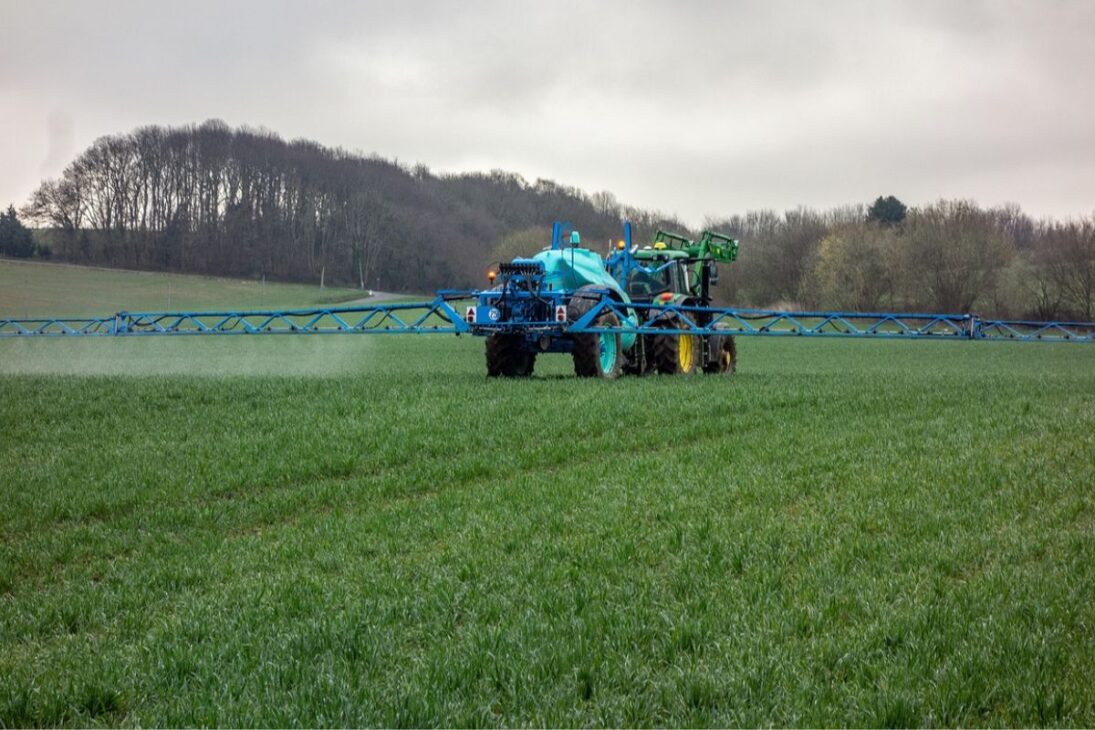
Another key point is the creation of presumed credit for PIS/Cofins, valued at 9.25%, for companies that manufacture fertilizers. This measure can bring more financial breathing room and stimulate new investments in the sector.
Furthermore, the project foresees a financing mechanism via incentivized debentures. In this model, individuals can invest and are exempt from income tax on the gains, which can attract private resources to expand production.
Senator Laércio Oliveira emphasized that strengthening the national industry is a matter of food security and sovereignty. The proposal, according to him, is not just about the economy but also about Brazil’s strategic role in the global scenario.
Opportunities Linked To The Goal Of Reducing External Dependence On Fertilizers
The advisor of the Executive Secretariat of Mapa, José Carlos Polidoro, presented figures that help to understand the scale of the opportunity.
He pointed out that the global fertilizer market is expected to reach US$ 240 billion by 2030, with US$ 82 billion related to green and technological solutions.
This movement shows that Brazil can take advantage of innovation trends while seeking to reduce external dependence on fertilizers.
Another revealed fact is that 60% of family farmers have never used fertilizers. This number shows that there is enormous space for internal growth if there is more access to national products.
Programs like Caminho Verde Brasil, aimed at recovering degraded areas, were also mentioned as potentially benefiting from greater supply of inputs in the country.
Polidoro also highlighted the connection with the climate agenda. Today, fertilizers account for about 20% of greenhouse gas emissions from the agricultural sector in Brazil.
In other words, while seeking to reduce external dependence on fertilizers, there is also a chance to adopt more sustainable solutions.
The executive director of the National Association for the Diffusion of Fertilizers (Anda), Ricardo Tortorella, reinforced the importance of a clear public policy.
He argued that expanding national production is essential not only to reduce risks but also to double Brazil’s agricultural capacity.
The Role Of Bioinputs In The Strategy To Reduce External Dependence On Fertilizers
In addition to traditional fertilizers, the meeting also brought bioinputs to the forefront. These solutions utilize microorganisms and natural processes to improve soil and productivity and were presented as part of the pathway to reduce external dependence on fertilizers.
Professor Átila Francisco Mogor from the Federal University of Paraná explained that bioinputs help increase productive efficiency and also contribute to restoring soil fertility.
Thus, in addition to decreasing the need for imported inputs, they also strengthen agricultural sustainability.
The researcher Cristhiane Oliveira Amâncio, head of Embrapa Agrobiology, highlighted the social and economic effects of bioinputs.
According to her, this market can generate jobs, increase the income of local communities, and boost regional development.
The potential to stimulate the bioeconomy and pave the way for new innovations was also emphasized.
At the end of the meeting, it became clear that the approval of Profert and the encouragement of bioinputs go hand in hand as part of the solution to reduce external dependence on fertilizers.
The intention of the participants is to mobilize political support in the National Congress and seek presidential sanction, showing that the topic is considered a priority for the future of Brazilian agribusiness.





Seja o primeiro a reagir!