





 Portuguese
  English
  Spanish
 6 min of reading
  0 comments


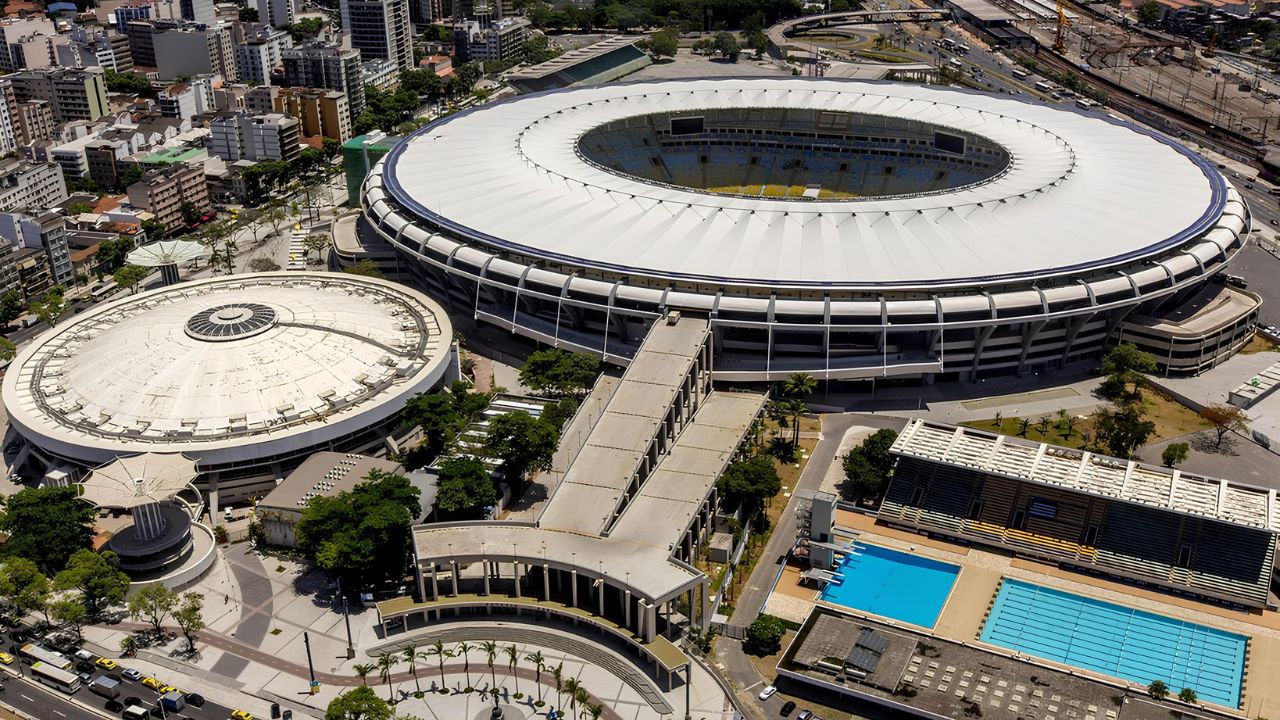
The Maracanã Begins Operation with Renewable Energy in the Free Market and Plans Significant Savings by 2027, Strengthening Sustainability, CO₂ Reduction, and More Efficient Energy Management
On November 18, 2025, the administration of the Maracanã Stadium confirmed that, since July, the arena has been operating entirely on renewable energy after migrating to the Free Market for electric energy.
The change, made in partnership with Liven Energia, is expected to generate a savings of 36% by December 2027 and a reduction of approximately 1,000 tons of CO₂ in the same period, thanks to the use of clean sources and international certification I-REC. This information was disclosed by various specialized outlets and the managing consortium itself.
Initial Highlights and Immediate Impact of the Change at the Maracanã
The adoption of renewable energy by the Maracanã is a significant milestone for the Brazilian sports sector because it combines sustainability, cost reduction, and alignment with global decarbonization trends.
-
Renewable energy advances over protected areas in Brazil, and a survey by the Energy Transition Observatory reveals silent impacts that challenge environmental conservation and pressure sensitive traditional territories.

-
Rio Grande do Sul accelerates energy transition: State invests in renewable technologies and consolidates decarbonization strategies and pathways to attract billions in new industrial investments.

-
With 160,000 m² of collectors, an area larger than 20 football fields, Silkeborg, in Denmark, hosts a solar thermal plant that heats 19,500 homes and could become the largest solar heating plant in the world.

-
A study reveals the expansion of renewable energy procurement in Brazil and shows how companies are taking advantage of opportunities to reduce expenses, ensure energy efficiency, and strengthen strategic environmental commitments.


Furthermore, this decision comes at a time of consistent growth in the Free Market in Brazil, which already accounts for a significant share of the national electricity consumption.
Among the key points already confirmed by the stadium’s management:
- Consumption will be 100% renewable, certified by I-REC.
- Expected financial savings are 36% between 2025 and 2027.
- Energy management will be monitored monthly by the company responsible for consulting and auditing.
- CO₂ emissions will be reduced by around 1,000 tons, reinforcing the arena’s environmental commitment.
For large-scale operations, such as a stadium of this size, the reduction in energy costs has a direct and significant impact on the annual budget.
Maracanã’s Migration to the Free Market
The Maracanã’s entry into the Free Market for Energy took place in July 2025. This environment, also known as ACL (Free Contracting Environment), allows large consumers to negotiate directly with generators or traders, ensuring greater autonomy and predictability regarding costs.
This decision aligns with the trend observed in companies, shopping centers, industries, and large sports complexes in Brazil. With the partnership established, Liven Energia conducted all feasibility studies, negotiations, and contract signings and now manages the monthly consumption, including comparative analyses, projections, and ongoing audits.
This specialized management allows for waste identification, renegotiation of terms, and detailed monitoring of energy behavior, which is essential for maintaining expected performance. By operating in the Free Market, the stadium gains more flexibility to define its energy matrix and greater security regarding tariff fluctuations that typically affect consumers in the captive market.
Certified Renewable Energy and International Recognition
One of the main differentiators of this movement is that the stadium now consumes only energy from renewable sources, such as wind, solar, or small hydropower plants. There is no public detail on the specific source used to supply the stadium, but it is confirmed that the avoided emissions were calculated for the period 2025–2027.
The I-REC (International Renewable Energy Certificate) certification guarantees that the electricity used comes from clean sources. This certificate follows international standards and is widely recognized in corporate sustainability practices, ESG reports, and environmental audits.
This recognition is important because it strengthens the Maracanã’s environmental credibility, adding institutional value, especially for high-visibility sports events.
Projected Savings and Direct Financial Benefits at the Maracanã
Between July 2025 and December 2027, the projection is that the Maracanã will achieve 36% savings on electricity expenses. This reduction has a significant impact, considering the high energy consumption of the arena during sporting events, concerts, and ongoing maintenance of lighting, panels, refrigeration systems, and technology.
The expected savings are due to three main factors:
- More competitive price negotiations for energy in the Free Market.
- Active consumption management, with specialized auditing.
- Adoption of renewable energy, which may have more accessible contractual terms depending on the source and negotiation.
For sports arenas, reducing operational costs without compromising infrastructure is a strategic move, especially as it allows for reinvestments in modernization, technology, and improvements for the audience.
Reduction of Approximately One Thousand Tons of CO₂
In addition to financial savings, the change generates direct benefits for the environment. The administration estimates a reduction of about 1,000 tons of carbon dioxide by the end of 2027.
This amount is roughly equivalent to:
- removing hundreds of cars from circulation for a year, or
- avoiding the consumption of thousands of liters of fossil fuels.
Although these comparisons are illustrative, they help gauge the positive impact in environmental terms. The reduction in emissions strengthens the stadium’s positioning as a reference in sustainability among major arenas in the country.
Panorama of the Free Market in Brazil and Relevance of the Maracanã’s Adherence
The growth of the Free Market in Brazil has been accelerating in recent years. Sector reports indicate a trend of continuous expansion, driven by the pursuit of competitiveness, autonomy, and sustainability among high-demand consumers.
Some relevant points of the national scenario:
- The free market share has already surpassed 40% of energy consumption in the country.
- Large consumers are migrating to reduce costs and directly procure renewable energy.
- The renewable sector continues to grow, despite fluctuations in long-term contracts.
In this context, Maracanã’s movement reinforces a trend that is expected to grow in the sports sector as well. Modern arenas and large event centers have been evaluating migration to the ACL as a way to reduce costs and meet sustainability demands.
Strategic Benefits of Adopting Renewable Energy at the Maracanã
In addition to savings, the decision brings long-term advantages in various areas.
Among them:
Increased Operational Efficiency
With monthly auditing and continuous monitoring, the stadium gains concrete data to make quicker and more accurate decisions regarding consumption.
Strengthening the Brand
The adoption of renewable energy reinforces the environmental commitment, creating a positive perception among fans, sponsors, and business partners.
Energy Autonomy
By avoiding dependence on regulated tariffs, the stadium has greater predictability and can plan with increased security.
Added Institutional Value
Having 100% clean and certified energy positions the Maracanã among the most sustainable arenas in Latin America.
Challenges Accompanying the Transition
Despite the many benefits, operation in the Free Market requires constant attention. Some challenges include:
- Price Volatility, which can occur depending on the sources and contract conditions.
- Specialized Management, as monitoring requires technical expertise.
- Regulation, which demands strict compliance with sector rules.
- Supply Guarantee, especially during periods of drought or high demand, depending on the contracted matrix.
Still, with a consolidated consultancy and well-structured contracts, these risks tend to be mitigated.
Relevance for the Sports Sector and Trend for the Coming Years
The adoption of renewable energy by the Maracanã should serve as a reference for other Brazilian stadiums. With high costs, intense energy demand, and increasing pressure for sustainability, it is natural that more arenas consider migrating to the Free Market and to clean energy contracts.
The Maracanã’s movement helps to consolidate a new standard of energy management, combining eco-efficiency, cost reduction, and environmental responsibility. This may encourage other arenas to take the same path, especially in light of the advancement of sustainable events and the demands of major international competitions.
The Maracanã’s decision to operate with 100% renewable energy and migrate to the Free Market stands out as a strategic, modern step aligned with global sustainability practices. With an expected savings of 36% and a significant reduction in CO₂ emissions, the stadium demonstrates that large sports facilities can successfully balance financial efficiency and environmental responsibility.









Seja o primeiro a reagir!