





 Portuguese
  English
  Spanish
 3 min of reading
  0 comments


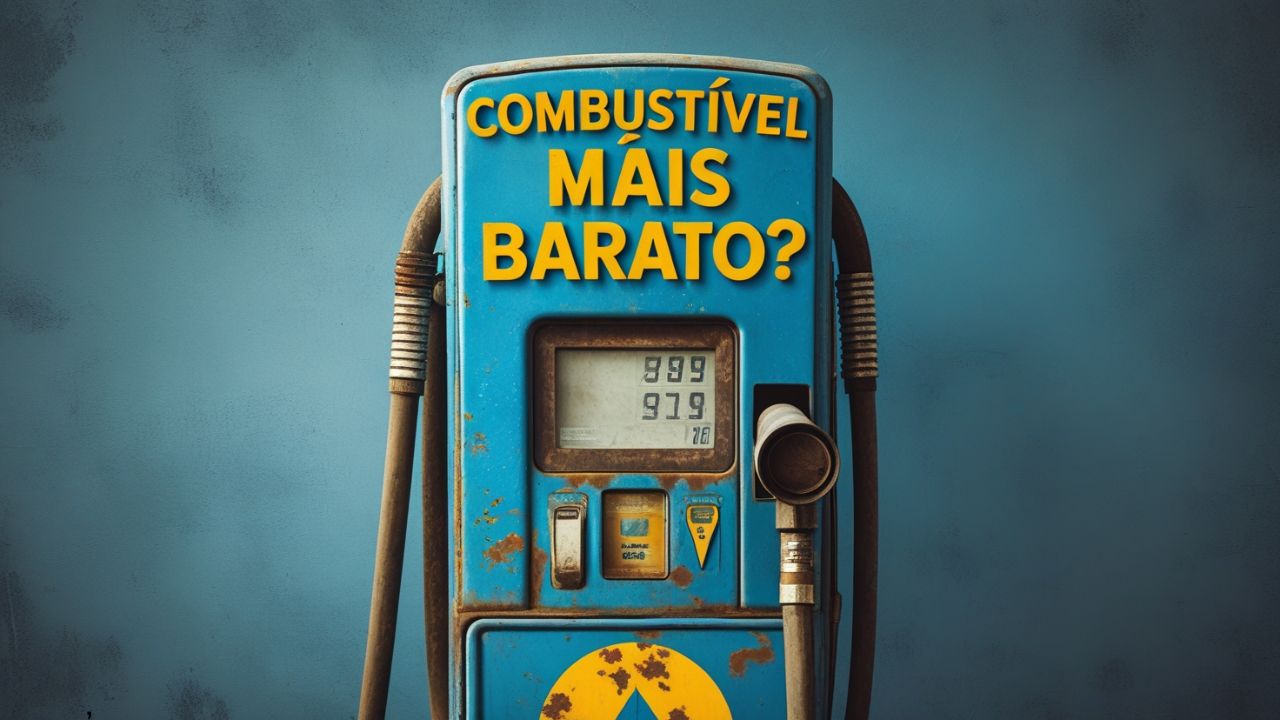
New Regulation Allows Ethanol Producers to Sell Fuel Directly to Stations in Maranhão, Eliminating Intermediaries and Reducing Costs. With This, the Price at the Pumps May Fall and Supply Become More Efficient!
The government of Maranhão has taken an important step in the commercialization of fuel in the state. With the signing of a new decree, ethanol producers will be able to sell directly to gas stations, without the need for intermediaries. This change could bring positive impacts both for the productive sector and for consumers.
The ceremony for the signing of the decree will take place this Thursday (20th), at 4:30 PM, at the Palácio dos Leões in São Luís, with the presence of Governor Carlos Brandão. But, after all, what does this change mean in practice?
What Changes with Direct Fuel Sales?

The new regulation allows agro-industries producing Hydrated Ethyl Alcohol to sell fuel directly to gas stations. Previously, this commercialization depended on intermediary distributors, increasing logistical and bureaucratic costs.
-
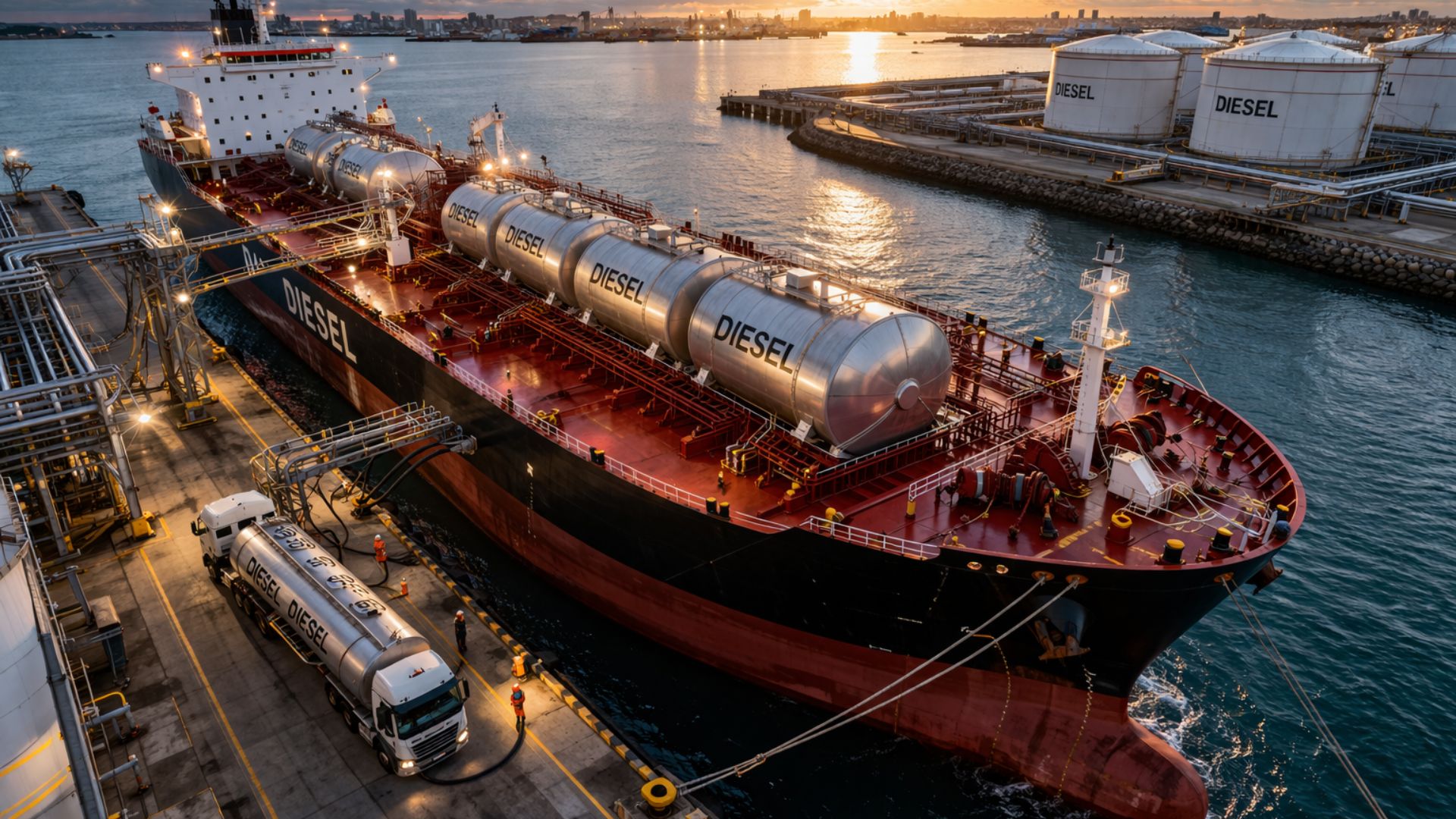
Former president of IBP highlights that dependence on diesel imports pressures prices in Brazil, increases vulnerability to global crises, and underscores the need for more robust and sustainable energy policies.
-
Middle East War Drives Up Oil Prices, And Petrobras Increases Diesel: Fuel Reaches R$ 3.65 Per Liter At Distributors
-
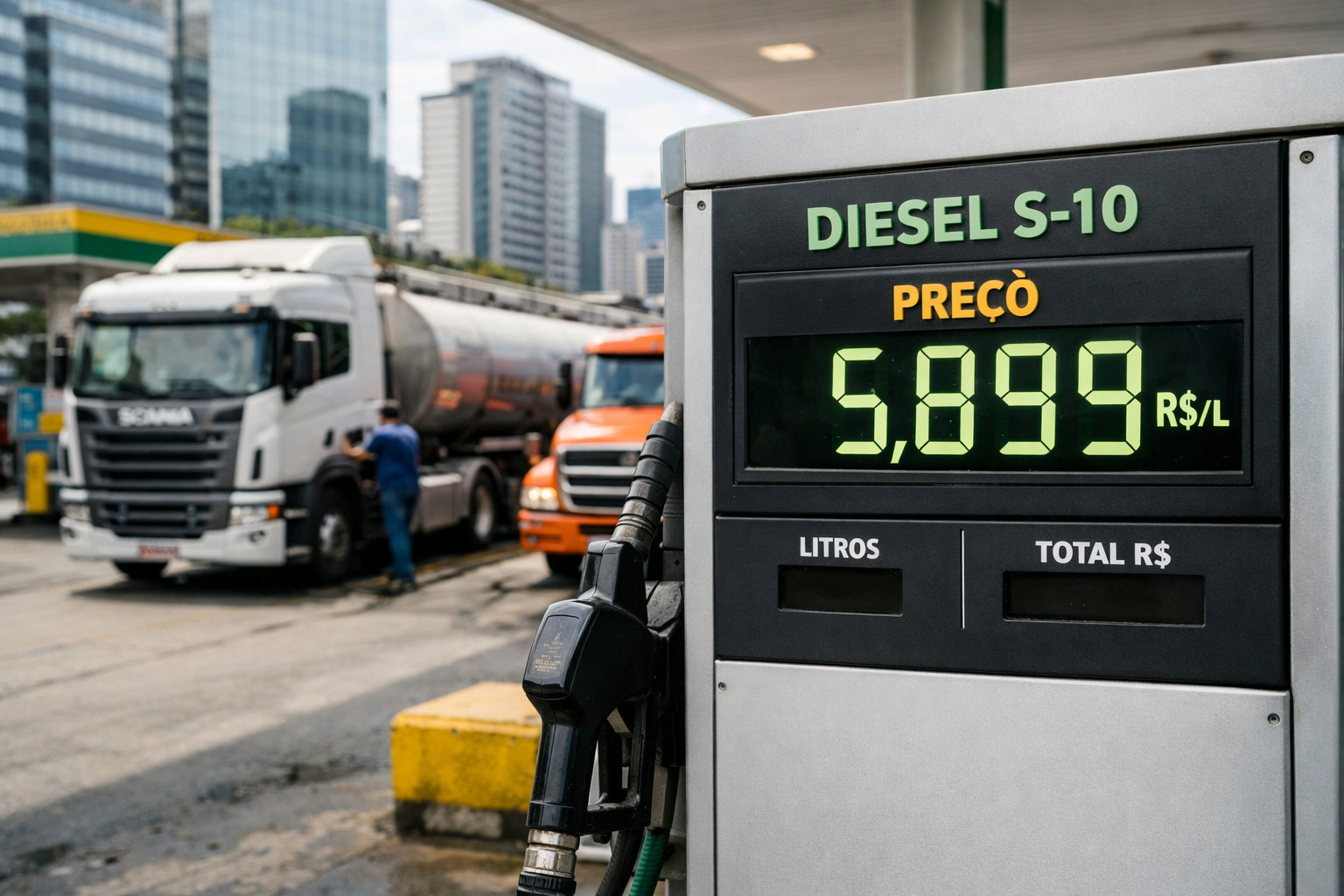
Oil Soars to Nearly $120, Middle East Tensions Shake Global Market, and a Little-Known Detail Returns to Energy Debate: The Gigantic Strategic Reserves Hidden by G7 Countries — See How Many Millions of Barrels Each Nation Holds in Reserve to Face a Global Crisis
-
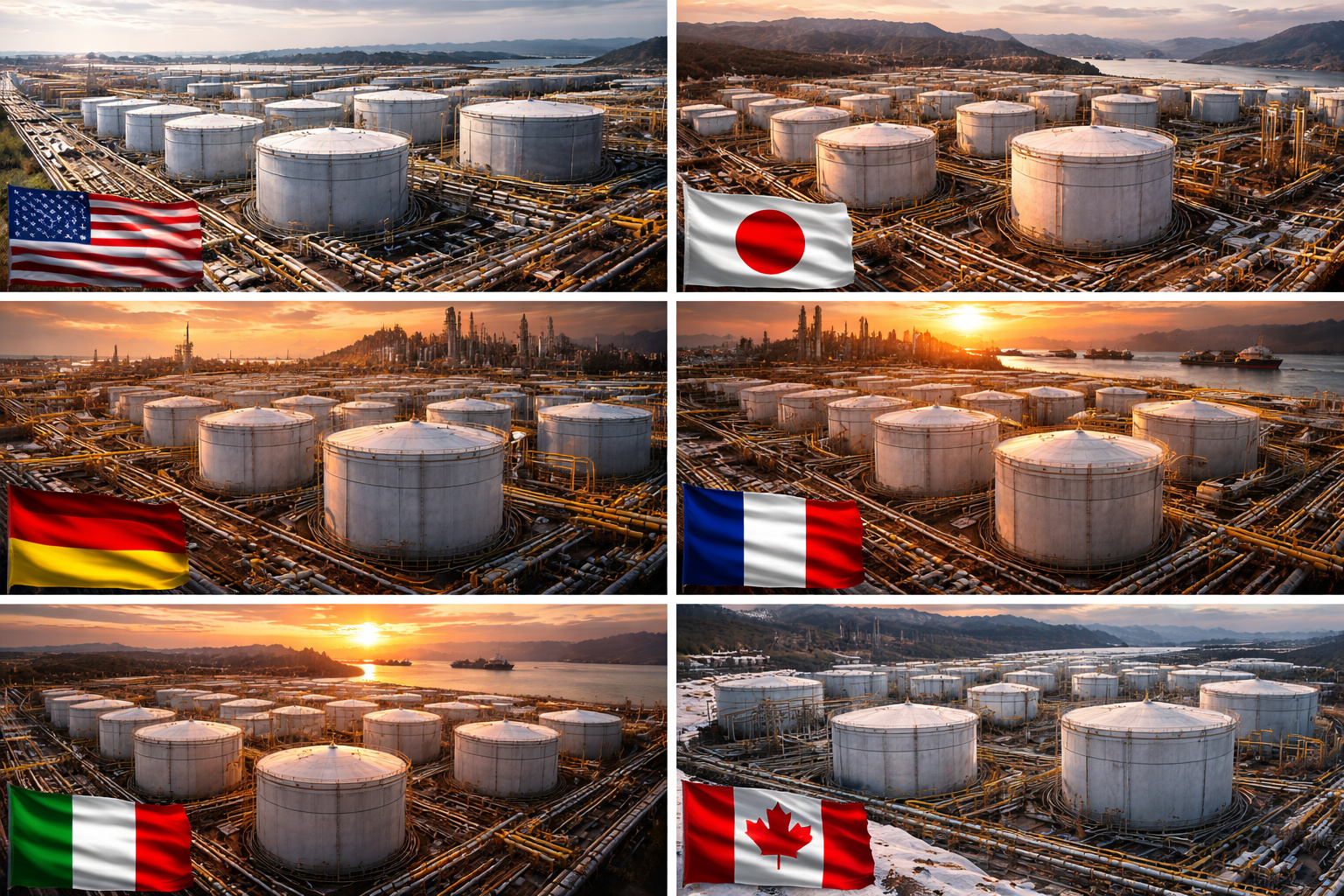
Gasoline And Diesel May Change Course In Brazil: International Oil Pressure Renews Debate On Prices And Direct Impact On Drivers’ Wallets
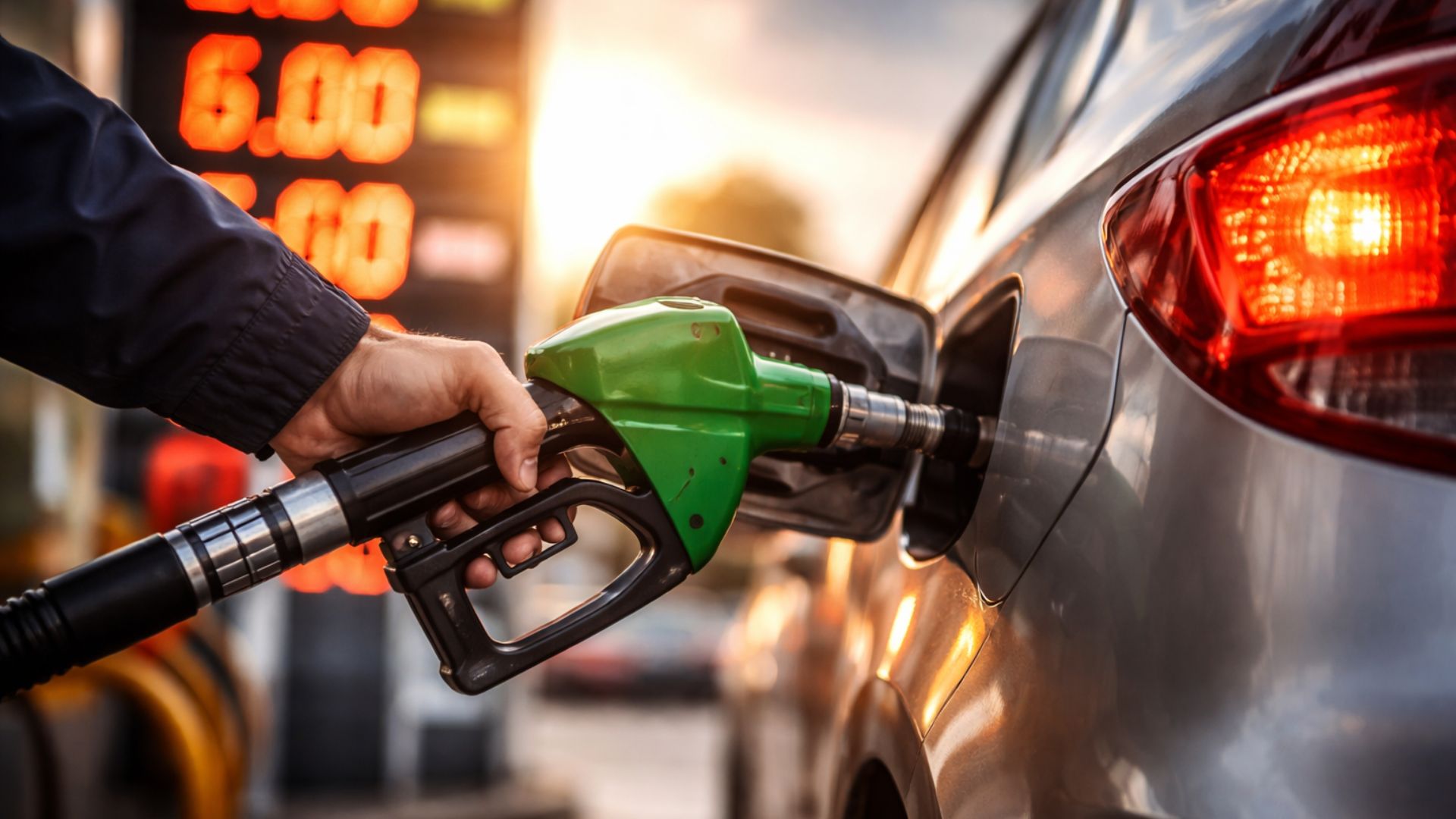

With direct sales, the distribution chain becomes more streamlined, allowing for greater flexibility in negotiations between producers and resellers. This could also encourage a more competitive market, benefiting consumers in Maranhão.
Advantages of Direct Sales for Consumers
One of the biggest expectations with this change is the reduction in the final price of fuel. As logistical costs will be lower, gas stations will be able to pass this savings on to consumers.
Direct sales can make refueling more efficient, reducing potential bottlenecks in fuel transportation and increasing product availability at gas stations.
Legal Basis for the Change
The regulation of direct ethanol sales did not arise from nowhere. It is based on Law No. 14.292/2022, which originated from Provisional Measure No. 1.100/2022. This MP was sent to Congress by the Federal Government and approved without amendments.
With this legislation, the fuel sector has gained more flexibility to negotiate directly, which has also influenced the way taxes such as COFINS, PIS, and ICMS are charged.
Who Can Sell and Buy Directly?
With this regulation, producers and importers of hydrated ethanol fuel are authorized to sell directly to:
- Fuel distributors
- Gas stations (retail resellers)
- Transport-retailer resellers
- External market
In other words, the measure opens new possibilities for the sector, allowing greater dynamism in fuel commercialization.
The Role of the Syndicate and Secretariats in Regulation
The change was the result of a joint effort between the productive sector and the government. The Syndicate of Sugarcane, Sugar, and Ethanol Producers of Maranhão and Pará (Sindicanálcool Bioenergia) requested this regulation to reduce bureaucracy in ethanol commercialization.
The proposal also had the support of various state secretariats, including the Secretary of Agriculture and Livestock (Sagrima), Industry and Commerce (Seinc), and Finance (Sefaz). These entities played a fundamental role in structuring the new direct sales policy.








Seja o primeiro a reagir!