





 English
  Francês
  Alemão
  Italiano
  Japonês
  Norueguês
  Portuguese
  Spanish
  5 min of reading
  0 comments


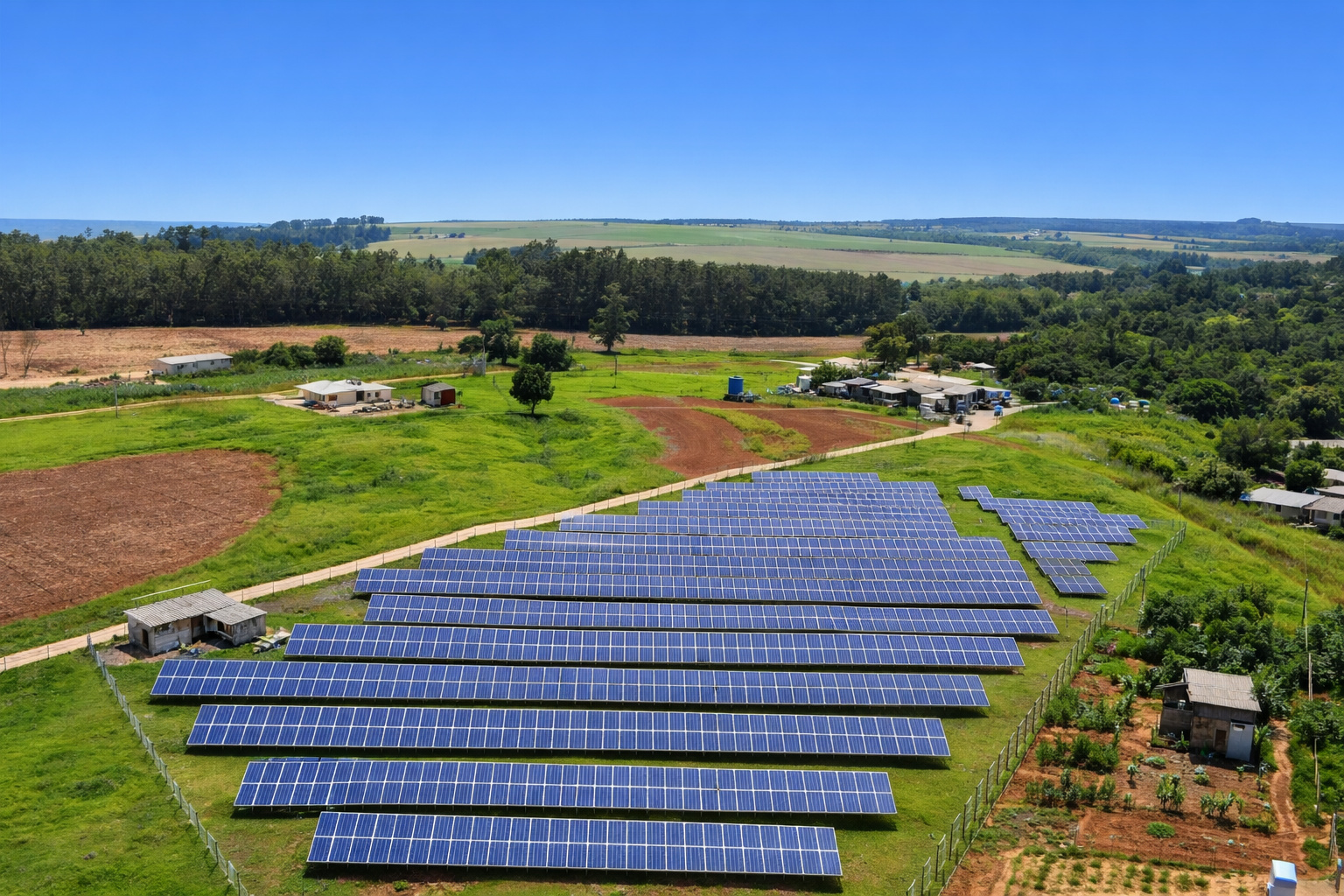
Discover How Solar Energy and Intelligent Management Help Reduce Costs in the Field, Bringing More Predictability, Efficiency, and Sustainability to Brazilian Agribusiness.
The costs in the field have historically always challenged those who live off agribusiness. Over time, rural producers had to deal, at the same time, with price fluctuations, unpredictable weather, high logistical costs, and ever-tightening margins. In this sense, since the first agricultural cycles in Brazil, the profitability of rural activity has directly depended on the ability to control expenses and, at the same time, adapt to constant market changes.
In the past, for example, Brazilian rural production relied little on electricity. At that time, producers used fewer machines, applied irrigation in a limited way, and almost never resorted to storage and refrigeration systems. Over the years, however, technological advancements in the field completely changed this scenario. Modernization, on one hand, increased productivity; on the other hand, significantly raised costs in the field, especially with electricity, automation, and equipment maintenance.
Thus, it became clear that productive efficiency and cost control need to go hand in hand. As new technologies arrive on the farm, the need to better manage energy resources also grows. Otherwise, expenses can compromise profitability. Therefore, gradually, energy ceased to play a secondary role and became part of the central strategy of rural management.
-
A study reveals the expansion of renewable energy procurement in Brazil and shows how companies are taking advantage of opportunities to reduce expenses, ensure energy efficiency, and strengthen strategic environmental commitments.

-
Mato Grosso do Sul excels in the sugar-energy sector: the state reaches a milestone of 22 operating mills and accelerates the production of clean energy in MS with a focus on sustainability.

-
National energy dilemma: Brazilians support clean energy but reject increases in tariff costs to finance the sustainable transition.
-
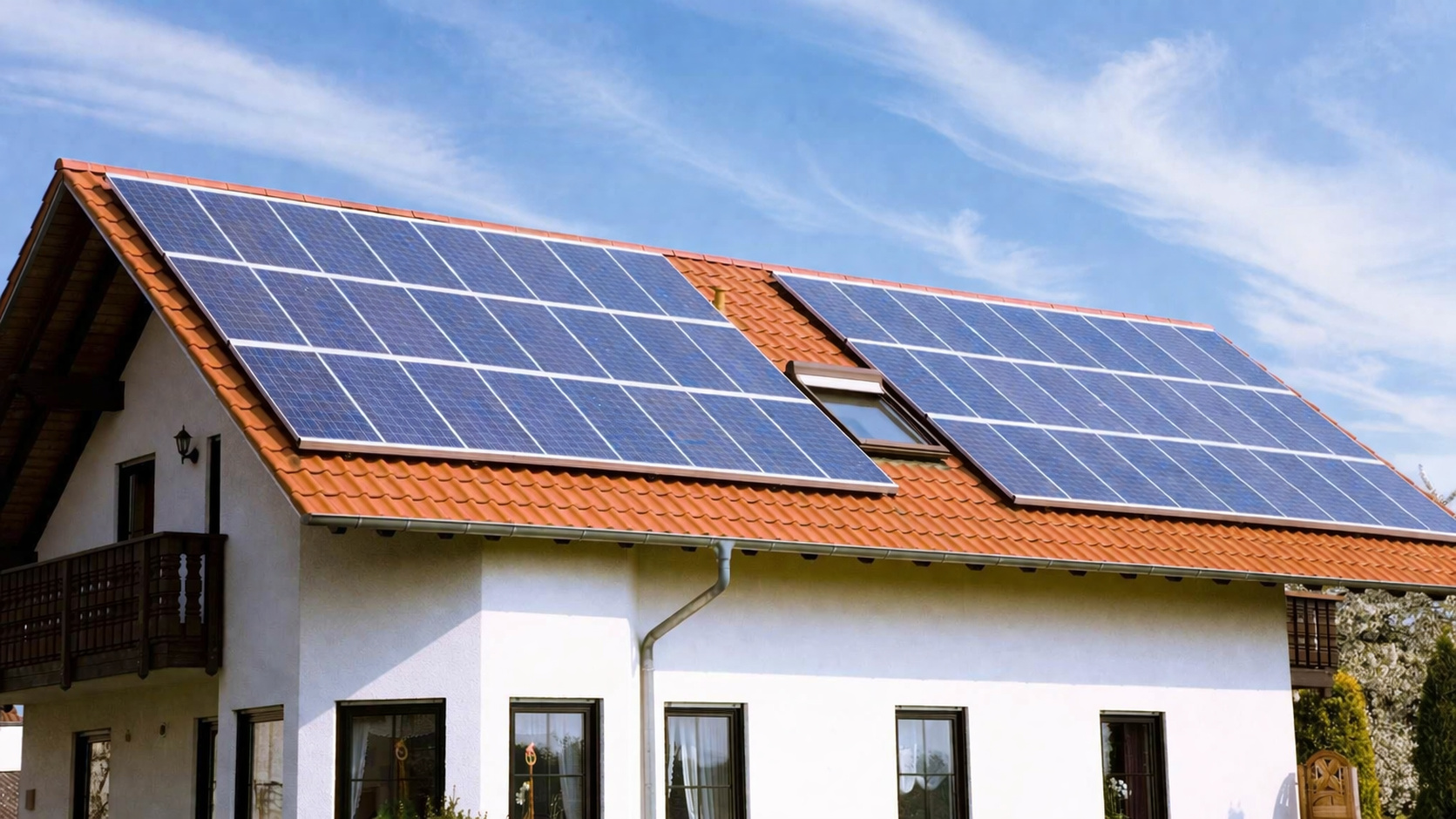
Research indicates that Brazilians support clean energy and wish to advance in the energy transition, but reject paying more on their electricity bill, showing a direct conflict between cost and sustainability.
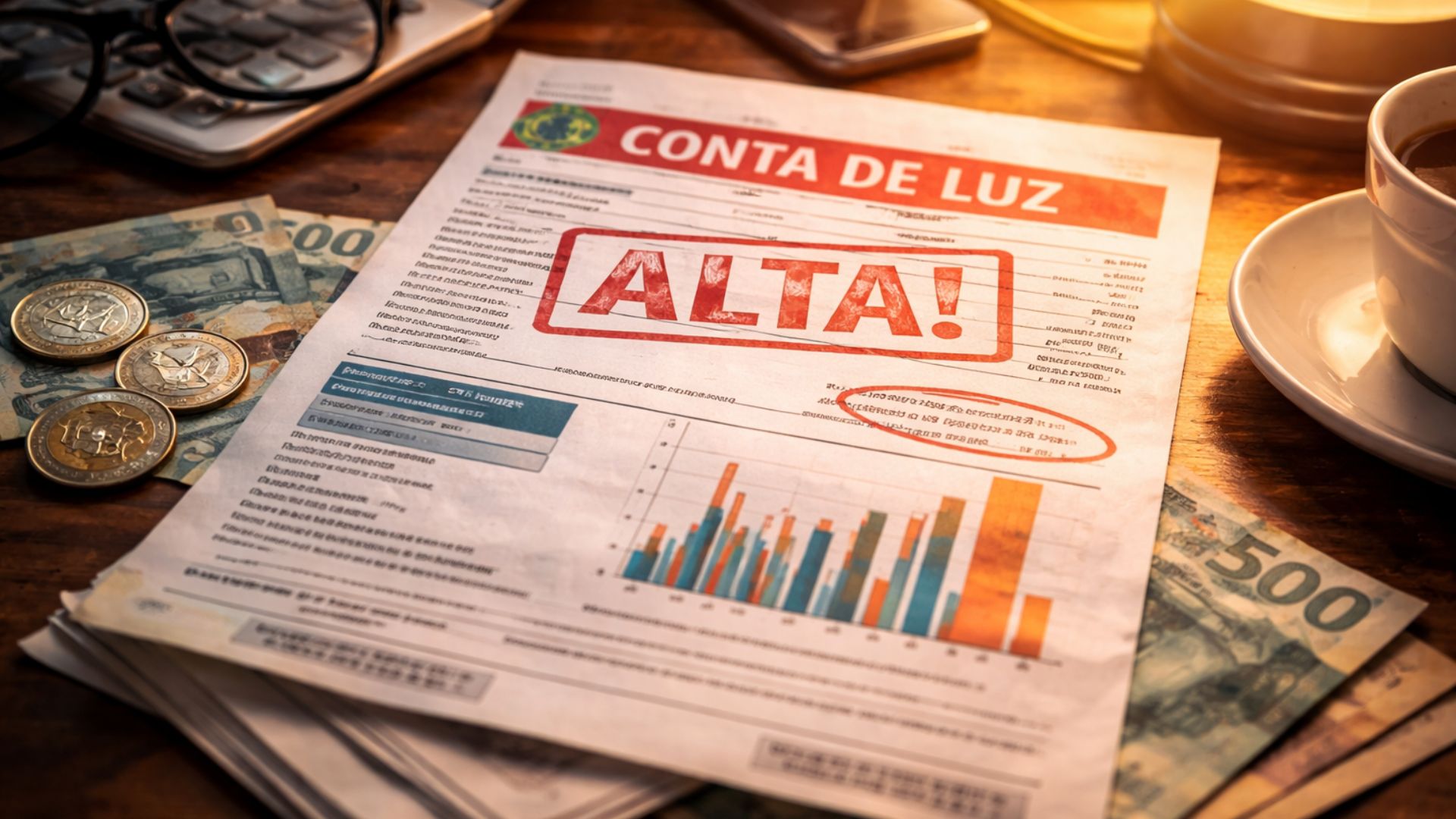
Energy as a Decisive Factor in Rural Production Costs
In this scenario, solar energy began to gain ground in the field. Initially, many producers viewed this technology as distant or limited to large properties. Over time, however, solar energy established itself as a viable, reliable, and economically advantageous alternative for different profiles of rural producers. Thus, by generating their own energy, the producer takes greater control over costs that used to depend exclusively on utilities.
Moreover, the adoption of solar energy progressed as the prices of photovoltaic systems fell and, at the same time, financing options became more accessible. In addition, Brazil has favorable natural conditions, with high solar incidence for practically the entire year. Therefore, self-generation began to represent not only an environmental choice, but also an effective strategy for reducing costs in the field and increasing financial predictability.
Consequently, activities such as irrigation, water pumping, grain drying, mechanized milking, climate control of barns, and food refrigeration, which consume large amounts of energy, began to weigh less in the budget. When the producer generates this energy on the property, the electricity bill drops significantly. Over time, this savings strengthens cash flow and, thus, helps to face periods of low prices or rising input costs.
Intelligent Management: The Next Step to Reduce Costs in the Field
Still, just generating energy does not solve all the challenges related to costs in the field. As properties become more complex, producers need to understand clearly how, when, and where they consume energy. In this context, energy management software and digital solutions aimed at agribusiness have consistently gained ground in recent years.
Through intelligent energy management, the producer monitors consumption in real time, identifies waste, and adjusts processes based on concrete data. In the past, many producers treated energy as an inevitable fixed cost. Today, however, that perception has changed. With clear reports, consumption alerts, and comparative analyses, the producer can make more precise decisions and, consequently, reduce losses and optimize resources.
In addition, management software allows for better planning of operations throughout the agricultural year. In periods of higher energy demand, such as irrigated crops or intensive drying and processing stages, the producer can anticipate and thus avoid surprises in the electricity bill. In this way, this level of control directly contributes to the reduction of costs in the field, especially in medium and large properties.
Energy, Technology, and Financial Predictability in Agribusiness
Another relevant point concerns the integration of energy management with other farm systems, such as production control, financial management, and climate monitoring. This integration provides a broader view of the rural business and shows, with greater clarity, how energy influences the final production cost. Thus, the producer no longer decides solely based on experience but begins to consider historical data, indicators, and projections.
At the same time, access to more modern energy contracting models fuels this transformation. For many years, rural consumers were subject to regulated tariffs and frequent adjustments. Currently, with the gradual opening of the market and the expansion of the Free Energy Market, producers with higher consumption have started to negotiate more advantageous contracts. As a result, this strategy allows for reducing costs in the field and increasing budget predictability.
When the producer combines the Free Energy Market with solar generation, the benefits expand even further. Thus, this combination balances self-generation and strategic energy purchase, reduces risks, and strengthens financial stability. In a sector sensitive to climatic and economic variations, this predictability, therefore, transforms into a significant competitive advantage.
Sustainability and Competitiveness as Long-Term Advantages
In addition to direct savings, reducing costs in the field through renewable energy and intelligent management generates indirect benefits. Today, sustainability is no longer just a differentiating factor for image but has begun to influence access to credit, financing conditions, and commercial partnerships. Increasingly, buyers and financial institutions value producers who adopt efficient and responsible practices.
From a historical perspective, this change represents a natural evolution of Brazilian agribusiness. Just as mechanization, agricultural modernization, and biotechnology transformed production in the past, digitalization and the energy transition shape the present and future of the field. Therefore, producers who understand this dynamic are better positioned to face economic and environmental challenges.
Finally, although adopting these solutions requires planning, technical analysis, and continuous monitoring, the results consistently appear over time. The combination of solar energy and management software thus creates a virtuous cycle, in which efficiency generates savings and, consequently, enables new investments and structural improvements.
In a scenario of increasingly tight margins, controlling costs in the field has ceased to be merely a survival issue. Today, this control defines the competitiveness and sustainability of the rural business. Regardless of economic or political circumstances, the search for energy efficiency and intelligent management will thus remain as a solid, timeless, and strategic path to strengthen Brazilian agribusiness.










Seja o primeiro a reagir!