





 Português
  Inglês
  Espanhol
  4 min de leitura
  0 comentários


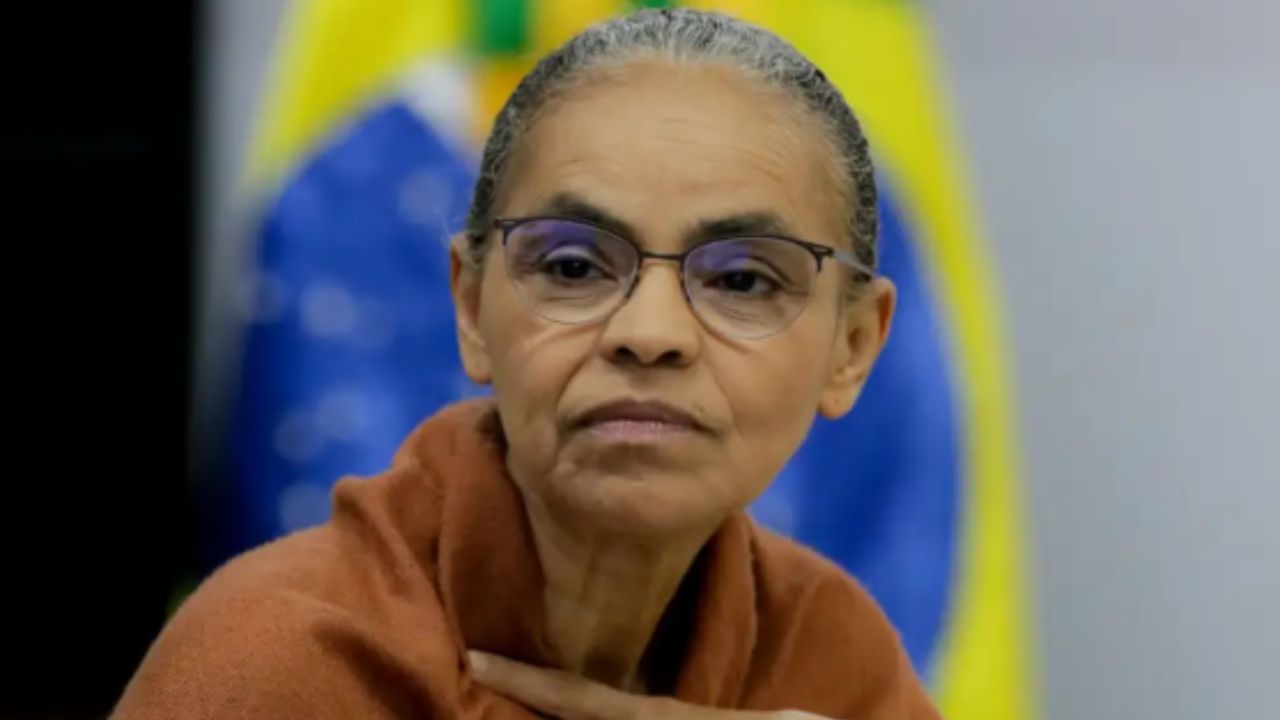
Minister Marina Silva Highlights Need for Balance Between Development and Environmental Preservation While Commenting on Oil Exploration in the Equatorial Margin During BRICS Summit in Rio.
During the BRICS Summit held on Sunday (6) in Rio de Janeiro, the Minister of the Environment and Climate Change, Marina Silva, advocated for solid and fair planning for energy transition in Brazil. When asked about investments in oil exploration in the Equatorial Margin, she acknowledged the contradictions of the global and national context but emphasized that the country is committed to overcoming them through sustainable and strategic solutions.
The Equatorial Margin, an area rich in biodiversity and energy potential that stretches from Rio Grande do Norte to Amapá, has been the subject of debates regarding its environmental and economic viability.
Oil exploration in this region, proposed by companies such as Petrobras, raises concerns among environmentalists, but according to the minister, the government seeks to reconcile development with climate responsibility.
-
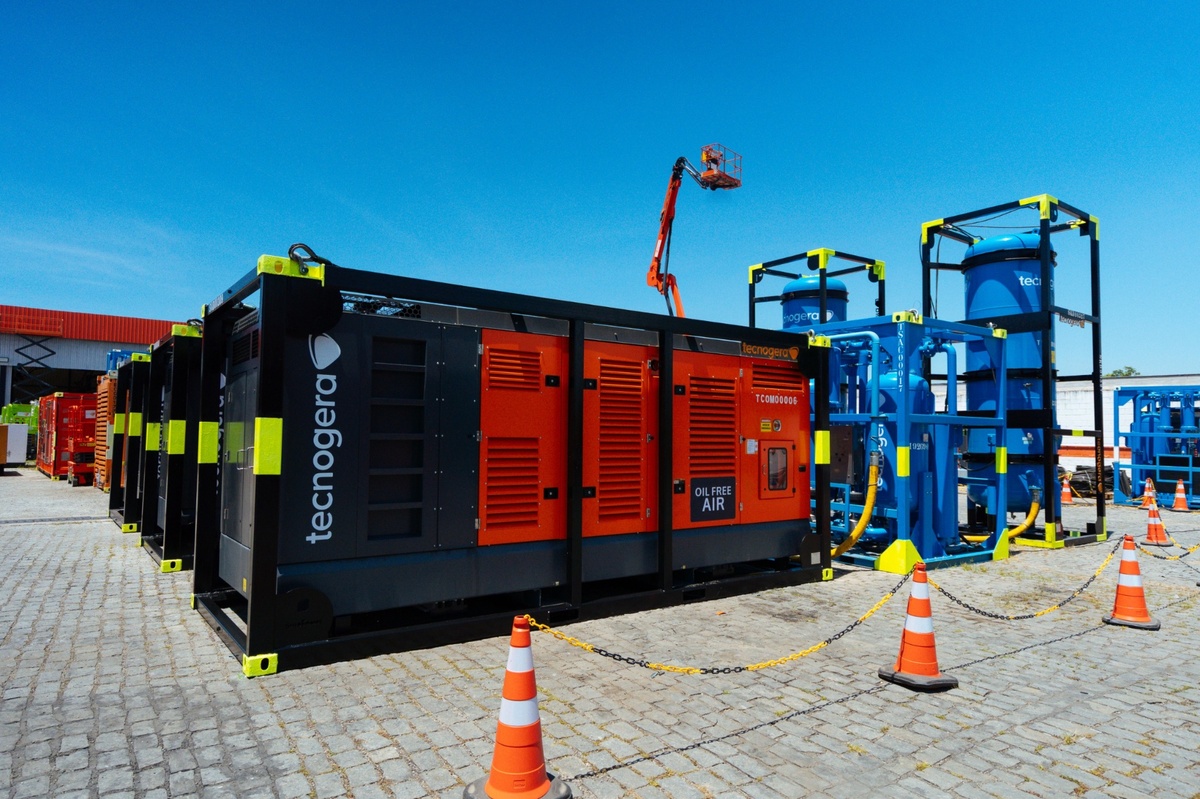
Offshore industrial demand in Macaé skyrockets with the recovery of oil and gas and could grow by up to 396% by 2026 in the Campos Basin.
-
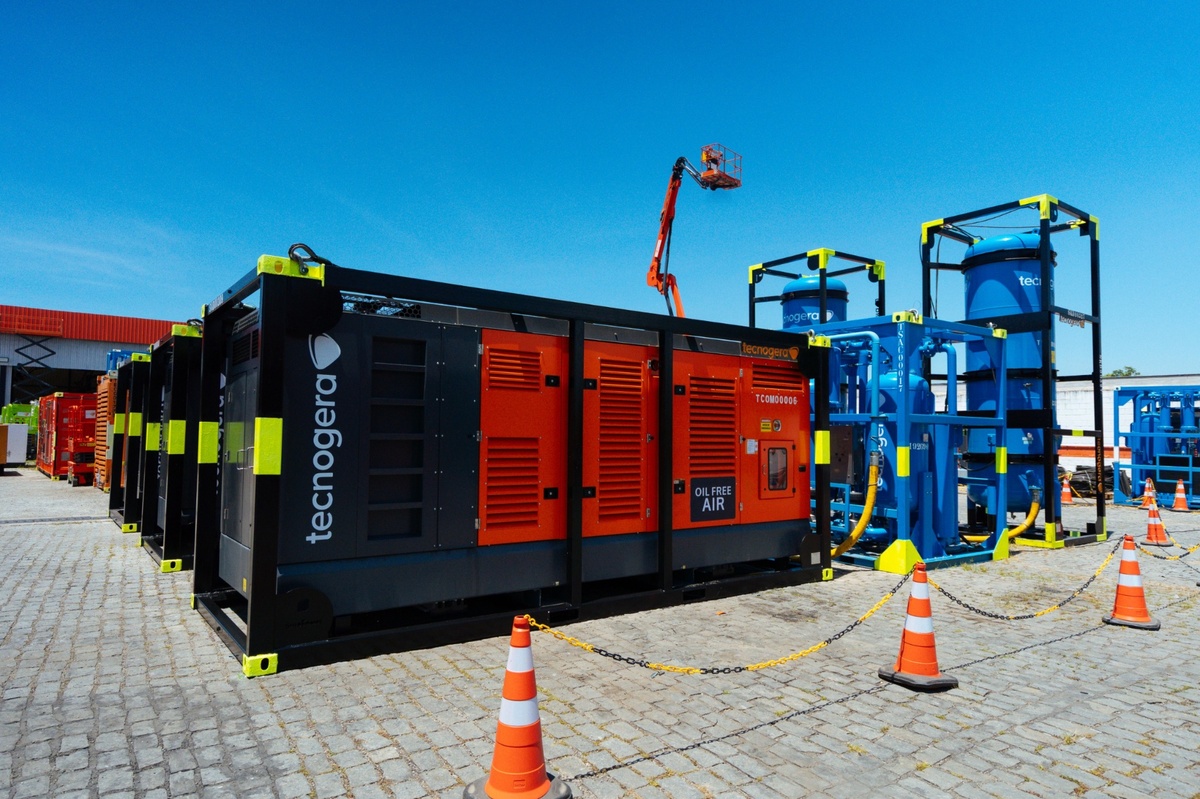
Offshore industrial demand in Macaé surges with the recovery of oil and gas and could grow by up to 396% by 2026 in the Campos Basin.
-
Brazilian giant expands borders in the Southeast: Petrobras confirms new oil discovery in ultra-deep waters in the pre-salt of the Campos Basin.

-
Alert in the global energy market: Severe tropical cyclone hits the coast and disrupts gas production at major plants in Australia, threatening global supply.

Energy Transition Requires Planning and Climate Justice, Says Marina Silva
For Marina Silva, addressing the climate crisis does not mean ignoring the complexity of Brazil’s social and economic demands.
According to her, it is essential to outline a “roadmap” that ensures a just and planned energy transition.
“The worst way to face an adverse situation, and it is adverse for everyone, is not to plan for it,” the minister stated.
She emphasized that at COP28 in Dubai, Brazil made ambitious commitments alongside other nations to advance towards the end of fossil fuels.
However, she stressed that developing countries like Brazil must receive financial and technological support from wealthier nations to make this transition effectively feasible.
Contradictions Between Oil Exploration and Environmental Goals
Marina did not overlook the challenges involving oil exploration, especially in the Equatorial Margin, a sensitive area from an environmental perspective. For her, recognizing these contradictions is part of the process of evolution in public policies.
“We are living in a moment of many contradictions, and the important thing is that we are willing to overcome them,” she declared.
The minister highlighted that oil exploration still weighs heavily on the Brazilian economy, but the country is committed to building a sustainable development model.
Marina Silva’s statement reinforces the stance of a government that seeks to lead by example, even amid tensions between economic growth and environmental preservation.
Environmental Results Are Already a Reality in Brazil
The minister took the opportunity to highlight recent achievements in the environmental sector. According to her, Brazil has managed to reduce deforestation in the Amazon by 46% and by 32% in the rest of the country. These advances have prevented the emission of more than 400 million tons of CO₂ into the atmosphere.
These results did not come at the expense of agribusiness. On the contrary, Brazilian agriculture grew by 15% in the same period, with an 11% increase in per capita income and the opening of more than 300 markets for national products.
“And look how interesting it is, we managed to reduce deforestation by this amount, we avoided releasing more than 400 million tons of carbon dioxide into the atmosphere, and at the same time, our agriculture grew by 15% and we had an increase in per capita income of over 11%, and Brazil managed to open more than 300 markets for its agriculture,” Marina emphasized.
Oil Exploration Requires Responsibility and Transparency
Despite the pressures for oil exploration in the Equatorial Margin, Marina Silva reiterated that the government seeks economic alternatives to avoid environmental setbacks.
One of the ongoing strategies is the creation of instruments to encourage preservation, such as compensating rural properties with excess legal reserves.
These policies aim not only at biodiversity conservation but also at generating jobs and income, combating inequality and promoting social justice.
Marina also recalled the role of tropical forests in regulating the global climate and highlighted the Brazilian project “Tropical Forests Forever,” which aims to raise up to US$ 4 billion annually for forest protection.
Brazil Aims to Lead by Action at COP30
With COP30 scheduled to take place in Belém, Pará, in 2025, Marina Silva stated that the event should be the “COP of Implementation.”
The Brazilian government’s objective is to ensure robust commitments, with climate financing and real emission reduction targets.
The minister also criticized the low volume agreed upon so far at COP29 in Baku, which established only US$ 300 billion per year in global financial support—a value still far from the target of US$ 1.3 trillion annually by 2035.
“All developing countries are unanimous that we need financial and technological resources,” Marina highlighted, defending the importance of technology transfer and climate financing.
Oil Exploration in the Equatorial Margin Is Still Under Debate
The proposal for oil exploration in the Equatorial Margin continues to generate controversies. Petrobras has projects under evaluation in the region, but environmental licensing faces resistance from regulatory agencies and civil society.
Marina Silva pointed out that any decision on the matter must consider socio-environmental impacts and the urgency of the climate crisis.
According to her, the country cannot forsake dialogue and environmental responsibility in the name of immediate interests.









Seja o primeiro a reagir!