





 Português
  Inglês
  Espanhol
  4 min de leitura
  0 comentários


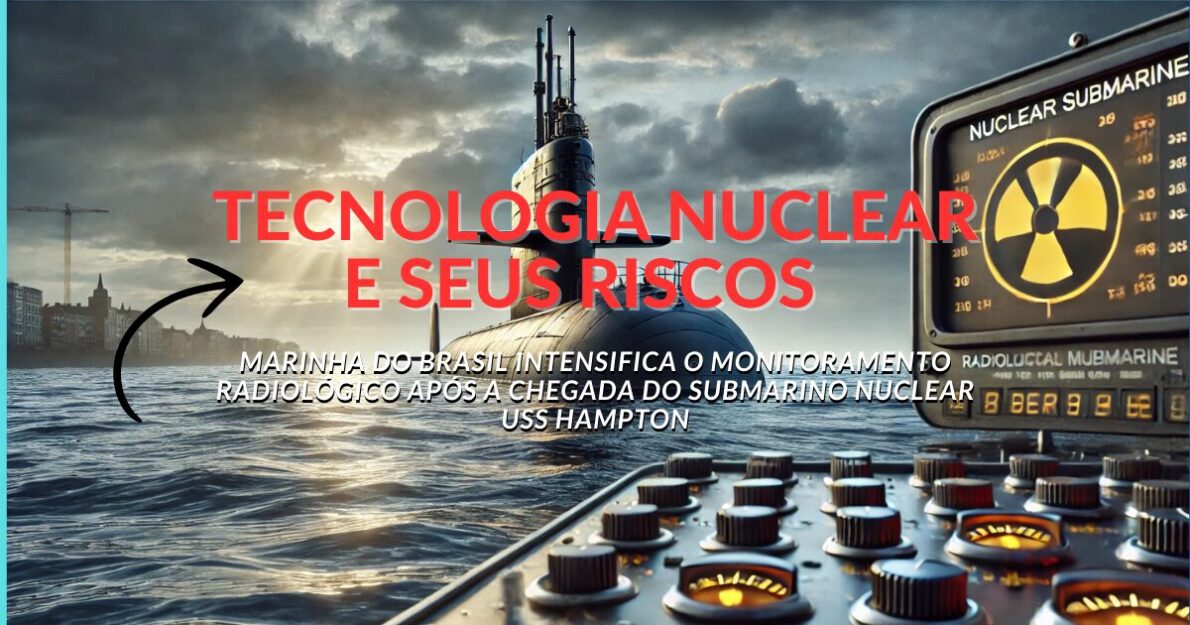
Brazilian Navy Intensifies Radiological Monitoring After Arrival of Nuclear Submarine USS Hampton in Rio de Janeiro. What Will Water and Sediment Analyses Reveal About Possible Radiological Leak?
The calm sea of Sepetiba Bay, in Rio de Janeiro, seemed agitated for an invisible yet potentially dangerous reason.
Last week, the presence of a nuclear visitor in Brazilian waters triggered an alert that goes far beyond the surface.
Nearby the Madeira Island Submarine Base in Itaguaí, the Brazilian Navy conducted rigorous radiological monitoring, raising questions about the real safety of the location and the risks that a nuclear incident could pose to the population.
-
With 11,000 tons and sensors capable of hunting submarines at long distances, the Type 055 has become one of the most feared floating arsenals of the Chinese navy.

-
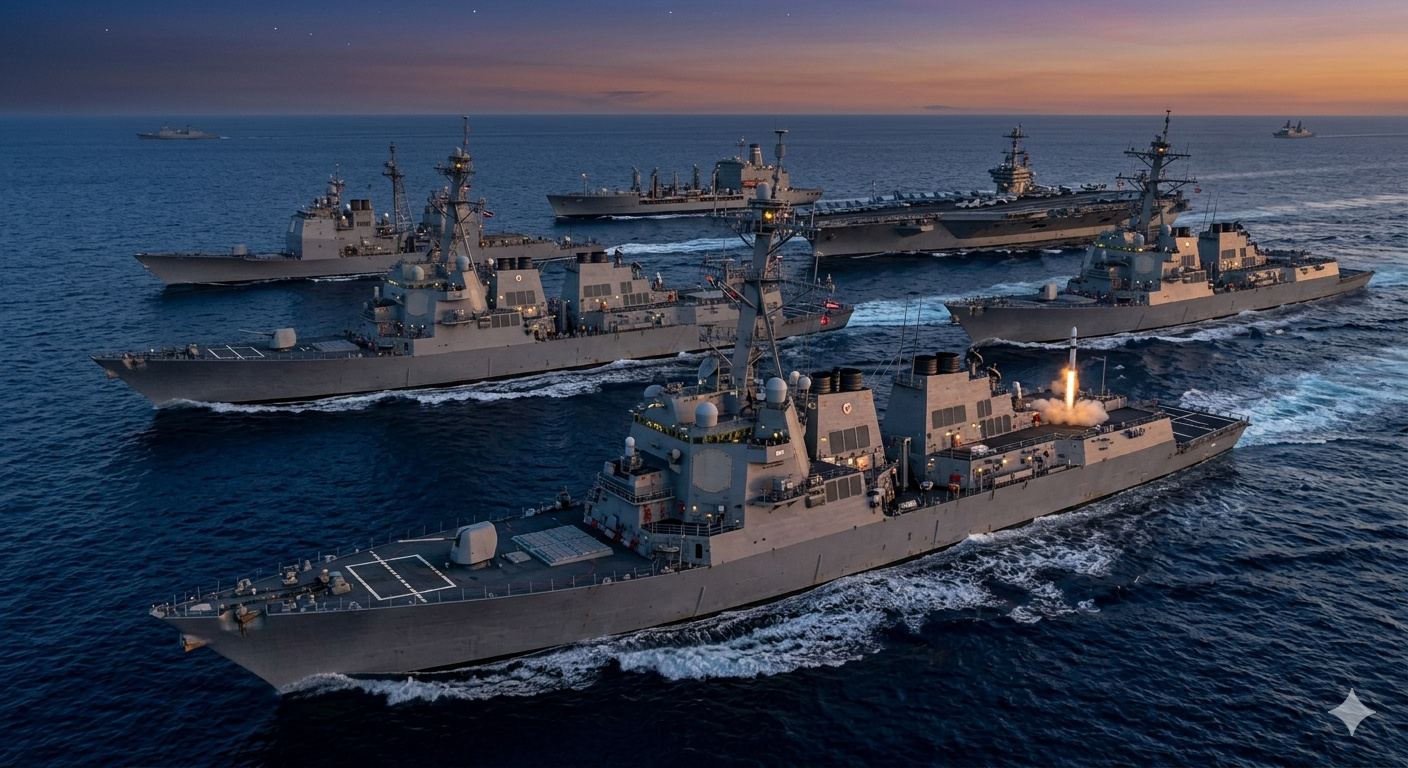
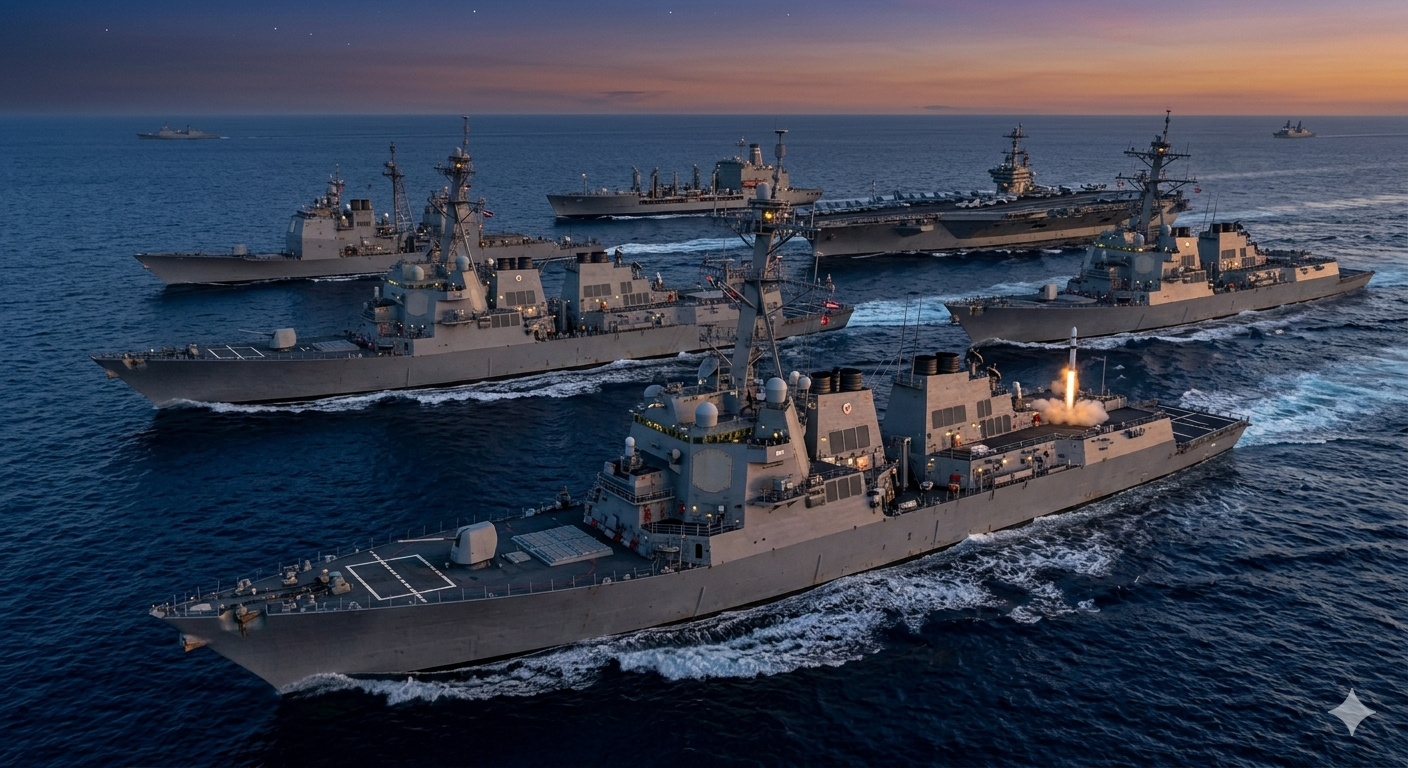
With over 15,000 tons, radars capable of tracking hundreds of targets simultaneously, and more than 120 missiles ready for launch in seconds, modern destroyers cease to be escorts and begin to dominate the naval battlefield.
-
With over 15,000 tons, radars capable of tracking hundreds of targets simultaneously, and more than 120 missiles ready for launch in seconds, modern destroyers cease to be escorts and begin to dominate the naval battlefield.
-
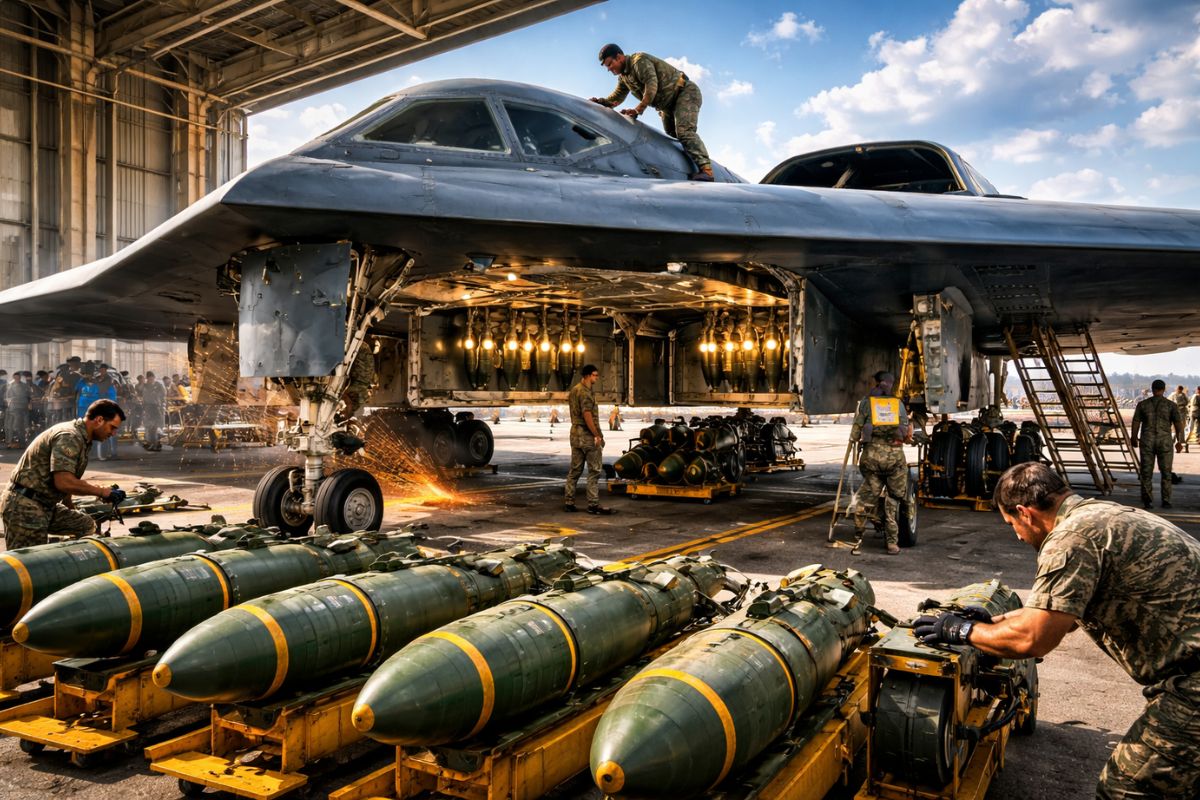
Valued at over $2 billion, the B-2 Spirit bomber requires meticulous inspection, bombs calibrated in a controlled environment, and extreme preparation to disappear from radar and launch attacks with lethal precision.

Although the Atlantic waters appear calm, a silent danger required Brazilian authorities to act with caution and precision.
The arrival of the nuclear submarine USS Hampton from the United States Navy for a brief stop in Itaguaí spurred a series of tests aimed primarily at verifying whether there were any signs of radioactive material leakage.
According to the Navy, samples of water and marine sediment were collected and are being analyzed by technicians from the Institute of Radioprotection and Dosimetry (IRD), a Brazilian institution specialized in nuclear monitoring.
Preventive Measures Around Itaguaí
With the USS Hampton’s presence along the coast of Rio de Janeiro, the Brazilian Navy’s safety protocols were activated to ensure that no harmful radiation was released into the environment.
According to the Naval Department of Nuclear Safety and Quality, responsible for regulating and overseeing the use of nuclear energy in ships and submarines, this type of monitoring is essential to prevent environmental disasters and protect the local population.
“This monitoring is part of a nuclear safety protocol that helps prevent radiological contamination from ships,” stated Vice Admiral Antônio Capistrano de Freitas Filho, Superintendent of Institutional Relations of the Navy.
The measurements include not only seawater but also air and ocean floor sediments. This intense surveillance is a direct response to the presence of the nuclear reactor aboard the USS Hampton, a technology that allows the submarine to remain submerged for long periods without needing to refuel.
However, this same innovation carries serious risks: in the event of a propulsion system failure, the population and the environment may be impacted irreversibly.
Nuclear Technology and Its Risks
The USS Hampton was in Brazil following its participation in the multinational military exercise “Unitas LXV,” which took place in September 2024 in the waters off Chile.
Brazil also participated in the event with the Liberal Frigate.
The submarine is powered by a nuclear reactor, a technology that, while providing significant operational advantages, can pose a serious threat if not properly controlled.
Nuclear technology, as highlighted by Vice Admiral Antônio Capistrano, is a strategic sector for the defense of any modern nation.
However, it also presents unique challenges, particularly in terms of safety. Any defect in nuclear propulsion machines can have disastrous consequences, which is why continuous monitoring of radiological conditions around the submarine is crucial.
History of Nuclear Monitoring in Brazil
This is not the first time the Brazilian Navy has had to take stringent radiological monitoring measures in the face of foreign nuclear vessels.
In May 2024, the American aircraft carrier USS George Washington docked in Guanabara Bay, Rio de Janeiro, after the completion of the “Southern Seas” military exercise.
Just as in the case of the USS Hampton, the Navy monitored the air, water, and marine soil to ensure that no radioactive leakage posed a risk to Brazilian jurisdictional waters.
Measurements were taken across the board, in addition to monitoring licensed crew members and discarded materials.
The Naval Department of Nuclear Safety and Quality plays a central role in these operations, tasked with regulating, licensing, and overseeing submarines, surface vessels, and other ships operating with nuclear reactors in Brazilian waters.
The primary objective is to ensure the safety of the crew, the local population, and the environment, protecting them from the risks of ionizing radiation.
What Happens Now?
The Brazilian Navy is still awaiting the results of the analyses conducted by the Institute of Radioprotection and Dosimetry.
The samples of water and sediments collected during the passage of the USS Hampton are under evaluation, and the results will determine whether or not there was a radioactive material leak.
So far, no irregularities have been detected, but caution remains.
The passage of nuclear vessels through Brazilian territory, although not unprecedented, always raises questions about the safety of this technology in populated areas.
With the increasing presence of nuclear ships and submarines in joint military exercises, Brazil will need to intensify its control measures to prevent any type of incident.
What is the Future of Nuclear Defense in Brazil?
The use of nuclear energy for military propulsion is expanding worldwide, and Brazil is not outside this scenario.
The country also plans to operate its own nuclear submarines as part of the Submarine Development Program (Prosub).
The difference, however, lies in the infrastructure and technical knowledge required to maintain a rigorous safety standard.
With this trend in mind, constant and rigorous monitoring of areas near naval bases and Brazilian ports must continue to be a strategic priority.
After all, any oversight could result in unimaginable environmental and public health consequences.
Is Brazil prepared to tackle the challenges that the future of nuclear energy in defense may bring? Leave your opinion in the comments!








Seja o primeiro a reagir!