





 English
  Francês
  Alemão
  Italiano
  Japonês
  Norueguês
  Portuguese
  Spanish
  4 min of reading


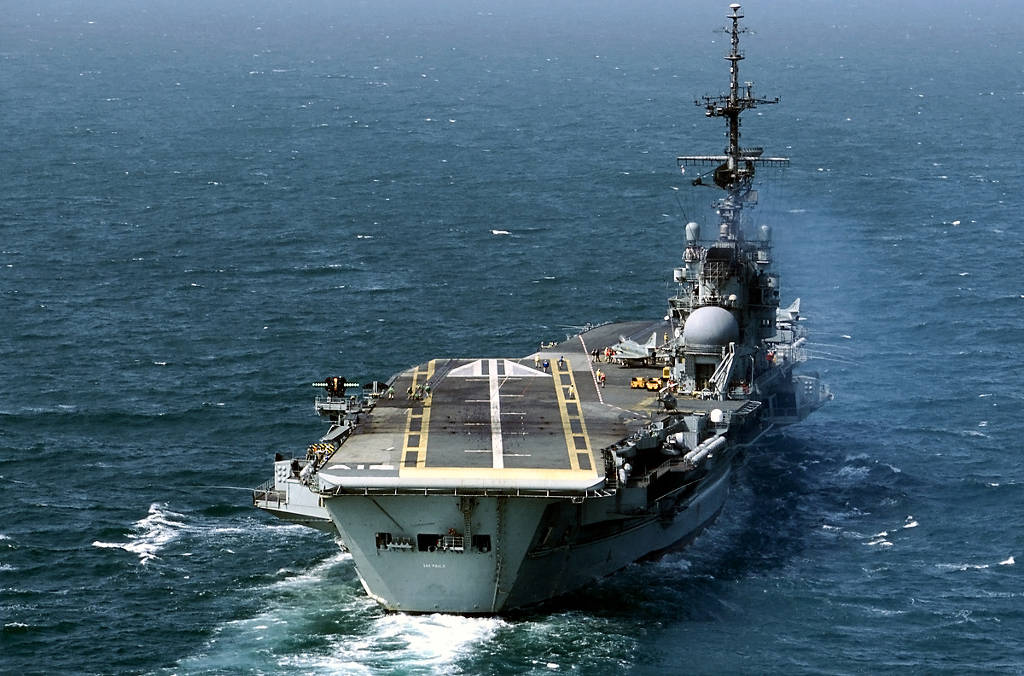
Vessel Prohibited From Docking in Brazil Due to Sanitary and Environmental Risks Seen Being Taken to International Waters, Surprising Responsible Companies
The Brazilian Navy took practical measures regarding its former aircraft carrier (NAe São Paulo), which is prohibited from docking at the country’s ports and shipyards due to the asbestos and mercury contained in its hull. It was determined that the vessel would be moved away from the coast of Pernambuco. This week, the ship was seen moving towards international waters, but until then, the military had not issued any statement, which caused shock and mystery.
The companies MSK Maritime Services & Trading and SÖK, responsible for the vessel and who later renounced ownership for not having permission to dock at Brazilian ports, expressed surprise at the movement of the former aircraft carrier, despite having stated that the hull was safe even with the renunciation.
The Navy conducted an inspection of the contaminated hull of the military ship and found “severe degradation of buoyancy and stability conditions.” The military also determined that the vessel does not have coverage from P&I Insurance (Protection and Indemnity), nor a contract for docking and repair with a company or shipyard capable of providing these services, which should have been the responsibility of SÖK.
-
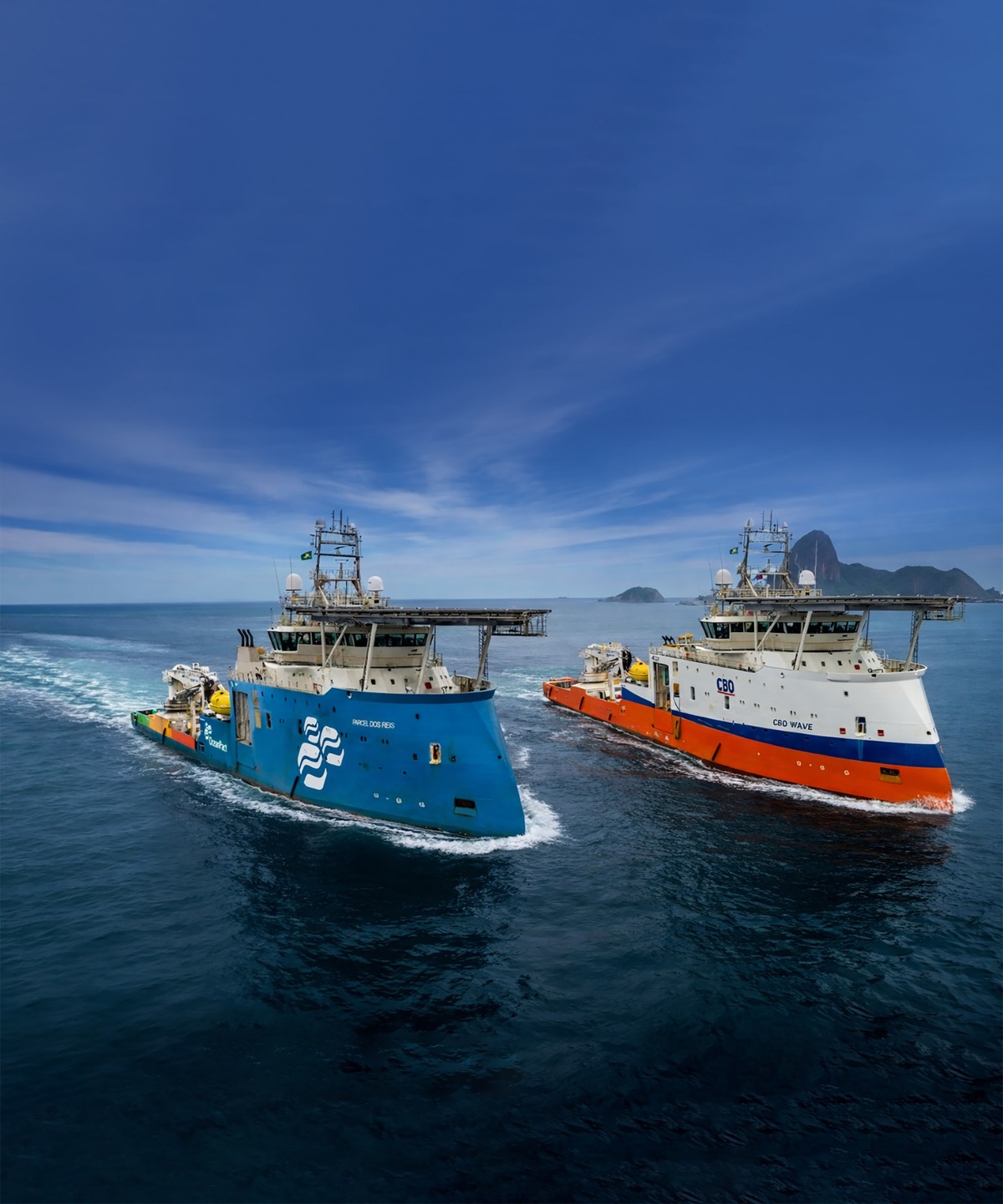
OceanPact Announces Acquisition of CBO and Creates One of Brazil’s Largest Maritime Support Structures with 73 Vessels, Annual Revenue Above R$ 4 Billion and R$ 14 Billion Backlog
-
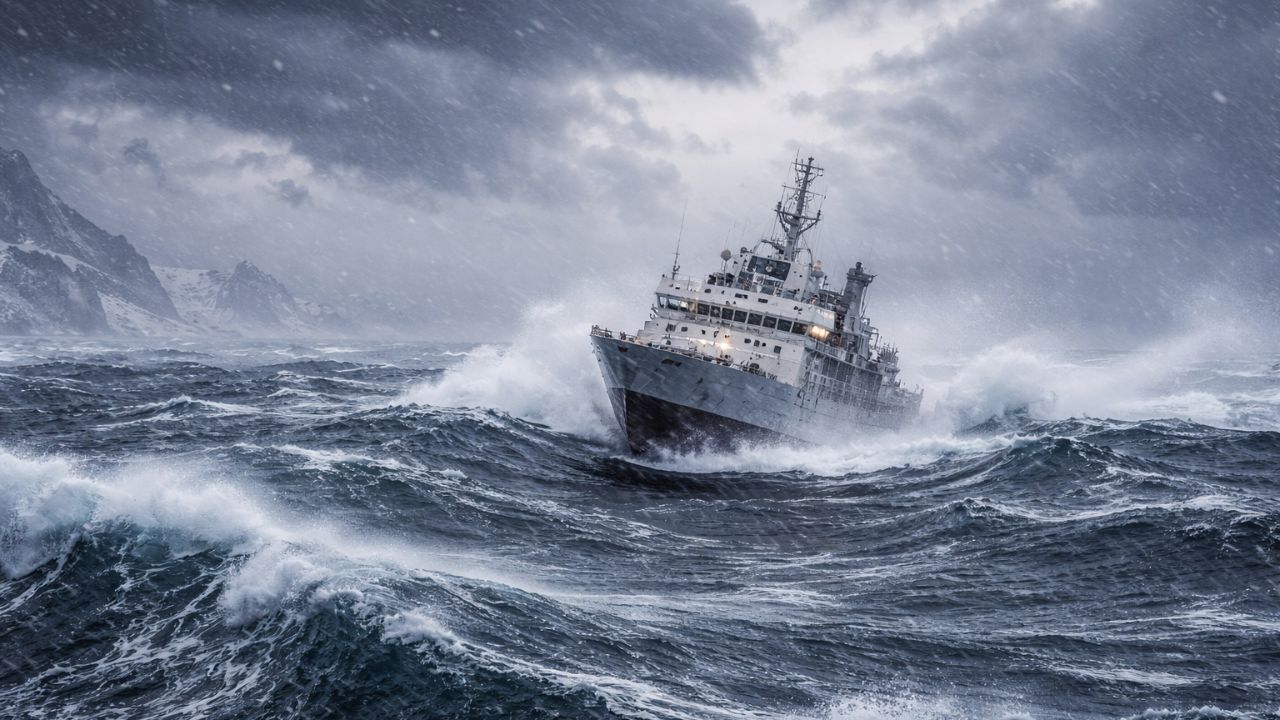
With Extreme Winds, Giant Waves, and Unrestricted Currents, Drake Passage Is Considered the Most Violent Stretch of the Oceans
-
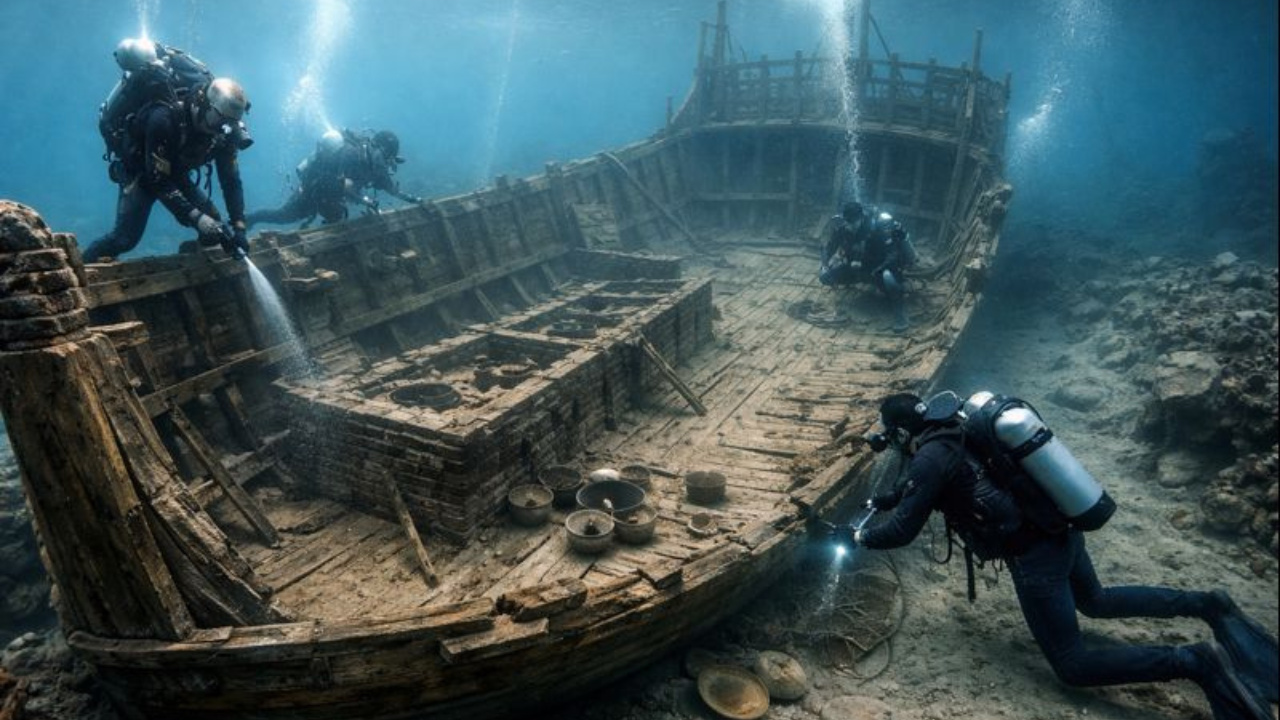
15th Century Merchant Ship Surprises Archaeologists
-
Odfjell Inaugurates First Operational Green Corridor Between Brazil and Europe Using Sustainable B24 on Maritime Routes and Reinforces Decarbonization Strategy

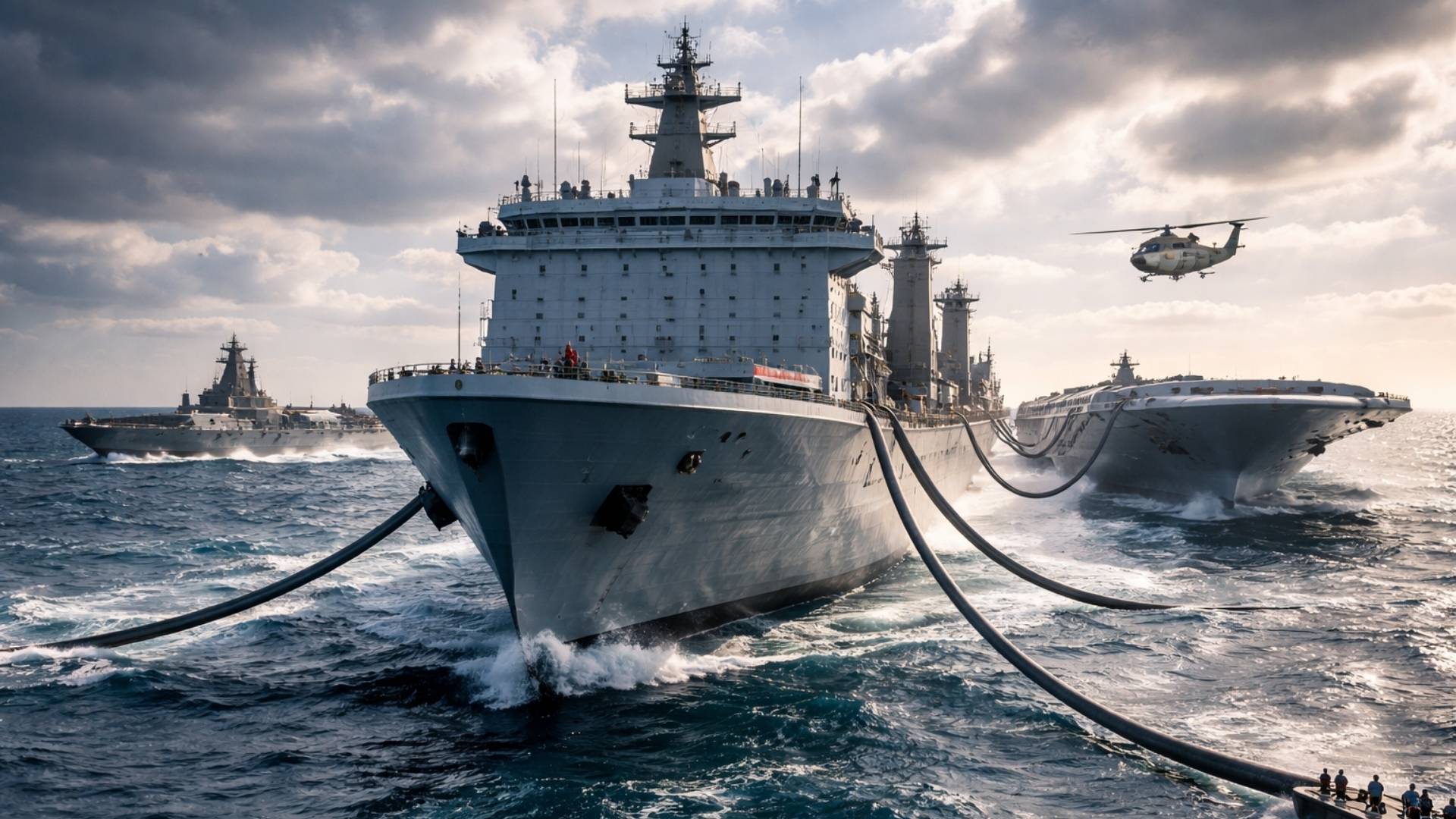
The former aircraft carrier and its tugboat must be moved to a region with greater depth. The frigate “União” and the Ocean Support Ship “Purus” are accompanying the tow. In a statement, the Navy says that “given the conditions in which the hull is, it will not authorize its approach to inland waters or port terminals, due to the high risk it represents, with the possibility of grounding, sinking, or blocking the access channel to a national port, causing logistical, operational, and economic damages to the Brazilian state.” Read the full statement here.
The Navy Itself Was One of the Characters Who Started This Controversy
The Navy’s decision to move its former aircraft carrier away from the Brazilian coast is a measure that seeks environmental preservation, especially since it was they who contributed to the beginning of the impasse. The incident occurred when the vessel was prohibited from reaching its destination – a shipyard in Turkey – after Greenpeace detected cancer-causing materials in its hull, in October, it ordered that the docking take place at the Brazilian port of Suape, in Pernambuco.
At the time, it was stated in a note that the asbestos currently present in the ex-NAe São Paulo posed no health risks.
The local government reacted to the order, filing a lawsuit in Federal Court to prevent the docking from occurring there, due to sanitary and environmental risks, and port operational issues. The case gained significant attention. Subsequently, no other port or shipyard accepted to receive the former aircraft carrier until the situation was resolved. The vessel, which came to be called a ghost ship, remained at sea (46 kilometers off the coast of Pernambuco) until it was towed under this new measure by the Navy.
The aircraft carrier, once the largest warship in the southern hemisphere, has not belonged to the Brazilian Armed Forces since 2020. It was sold to SÖK. The vessel was set to be dismantled this year. Throughout its time under Brazilian governance, the vessel has always caused controversies and significant losses.
The ship was purchased by Brazil in the year 2000 for US$ 12 million during Fernando Henrique Cardoso’s government. It measures 266 meters in length, has a beam of over 50 meters, and a displacement capacity of around 30,000 tons.
At least 500 aircraft launches and various other military exercises were conducted in the first three years under Brazil’s custody. However, in May 2004, three crew members died following an explosion in the ship’s steam system.
All systems for circulating water, steam, and fuel were replaced, along with upgrades to the electrical system and modernization of the propulsion system, among other improvements to defense systems, following the explosion.
In 2012, still not operational, an electrical fire resulted in the death of one crew member and left several others seriously injured. The ship then returned to the shipyard for further repairs. In 2015, with the vessel still out of operation, the Federal Government announced another major modernization project.
The goal was to extend the São Paulo’s useful life until at least 2039, allowing it to accommodate newly acquired aircraft. However, the government abandoned the idea due to the estimated cost: R$ 1 billion. Expenditures had already accumulated to US$ 150 million, and what was once meant to be the greatest asset of Brazil’s Defense has turned into a large piece of junk, aimless and still causing much controversy.







Seja o primeiro a reagir!