





 Português
  Inglês
  Espanhol
  3 min de leitura
  3 comentários


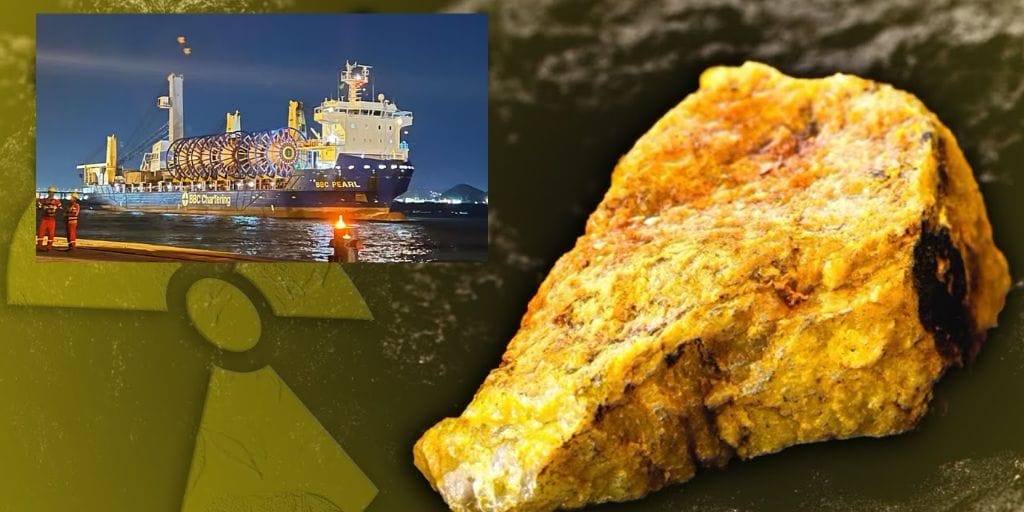

The Uranium coming to Brazil is originating from Sweden and Germany; the transport involved rigorous security measures to prevent possible terrorist threats and minimize environmental risks.
A complex transport operation, described as a true “war operation,” moved one ton of uranium from the Port of Rio de Janeiro to Resende.
The operation, coordinated by the Navy, Federal Highway Police, and Military Police, aimed to supply the Nuclear Power Plants Angra 1 and 2 with material imported by Nuclear Industries of Brazil (INB).
Maximum Security in the Port Zone
The operation took place on June 5, but was only revealed this Wednesday (19) by the newspaper O Globo, which also reported that to ensure the security of the transport, the State Public Security Commission in Ports, Terminals, and Navigable Ways of Rio de Janeiro (Cesportos-RJ) increased the level of protection at the Port Zone facilities.
-
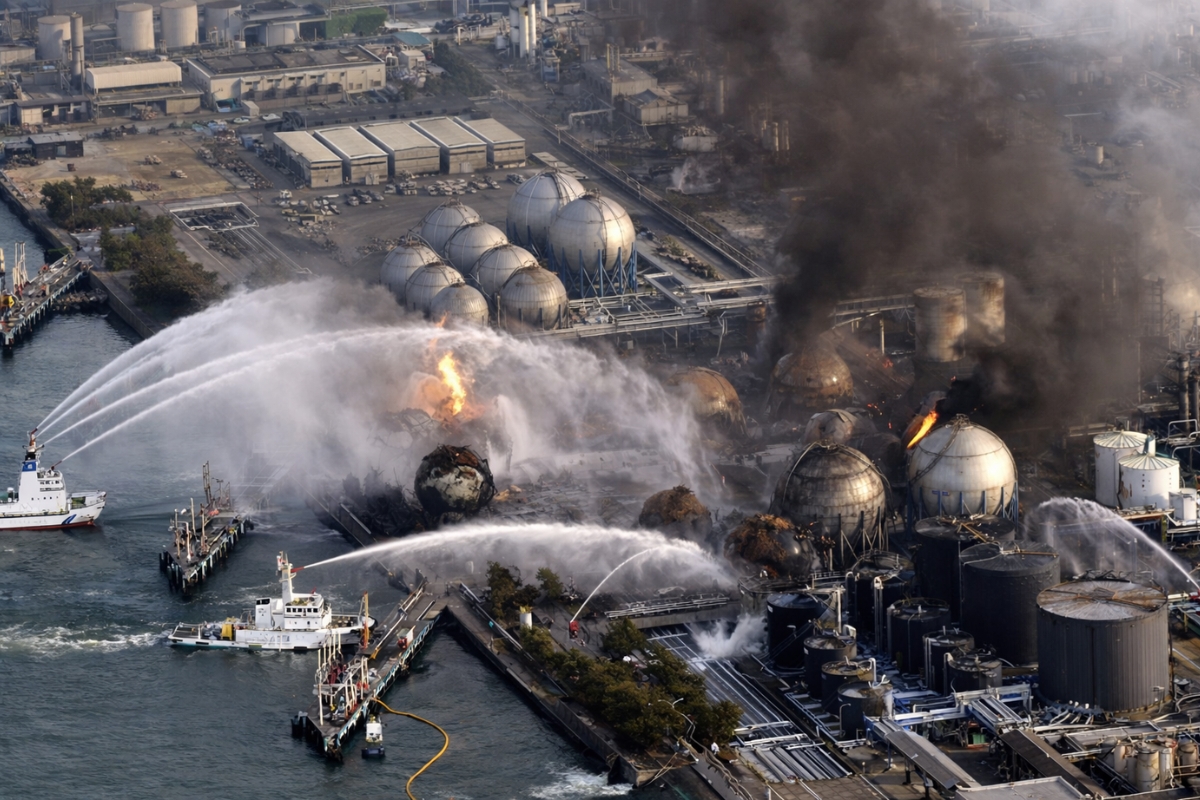
Fukushima Marks A Turning Point In Japan’s Energy Policy: After The Disaster, The Country Shut Down Its 54 Nuclear Reactors And, 15 Years Later, Only A Small Portion Have Returned To Operation
-
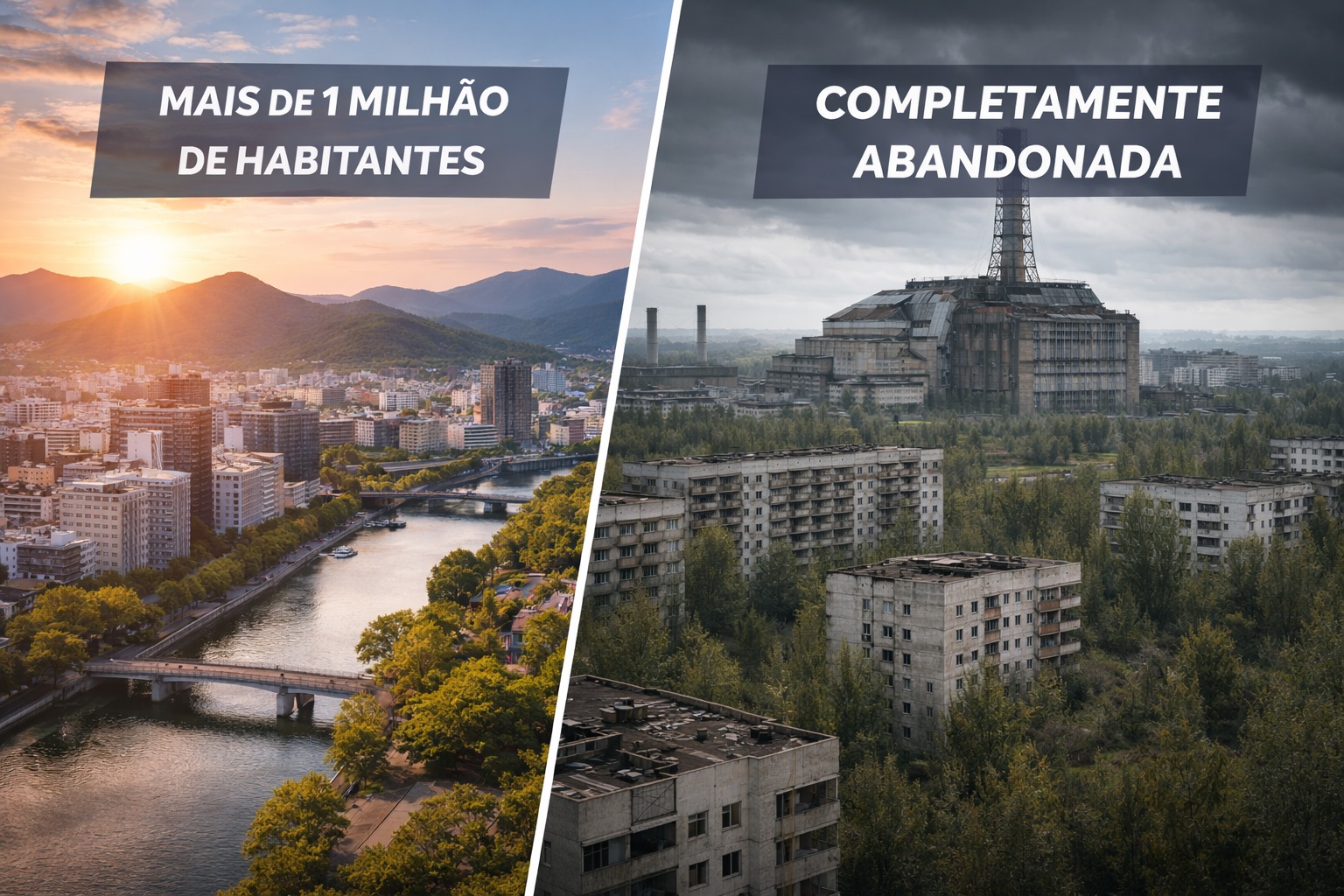
How Japan Overcame The Nuclear Bomb And Now Houses Millions In Hiroshima, While Ukraine Lost Chernobyl?
-
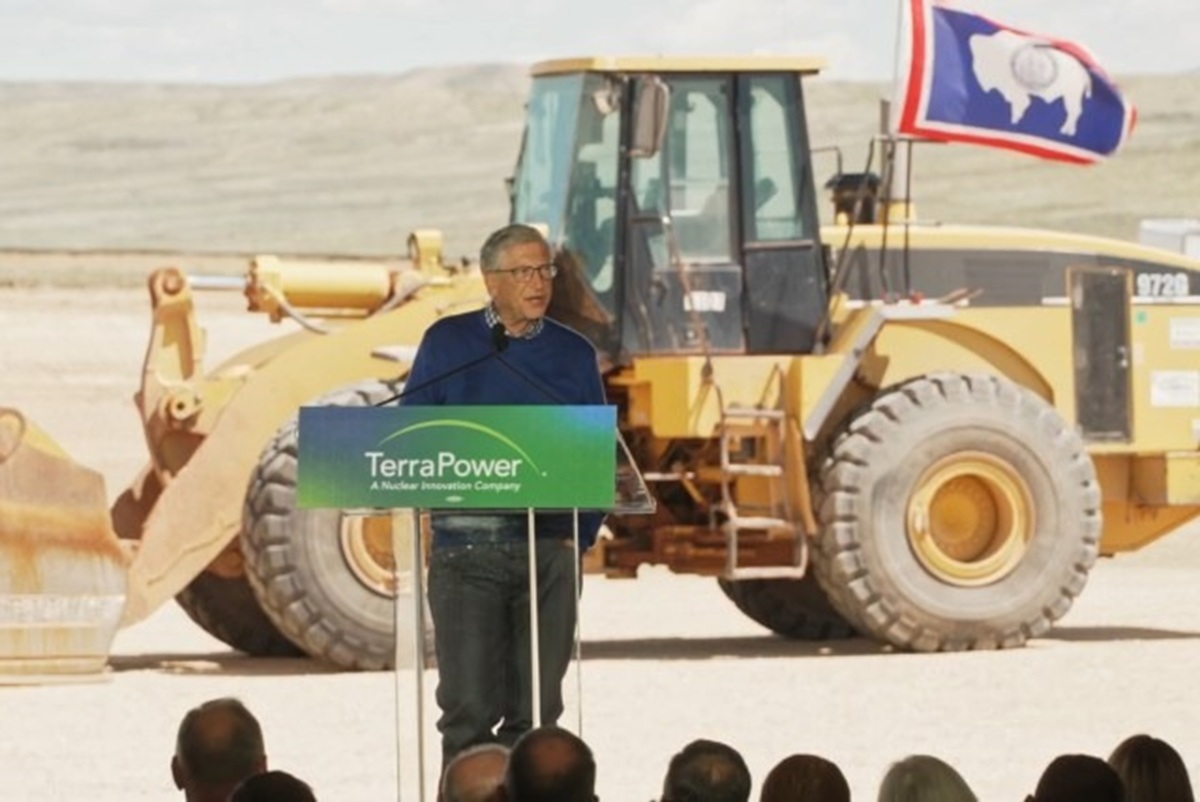
Bill Gates Receives Historic Approval to Build Giant 345 MW Nuclear Plant in the U.S. and Promises to Generate Up to 500 MW of Energy with Innovative Technology
-
India Opens Nuclear Energy to Private Capital to Accelerate Projects and Attract Billions, While Brazil Remains Stalled at Angra 3 and Discusses Who Will Foot the Bill for Completion
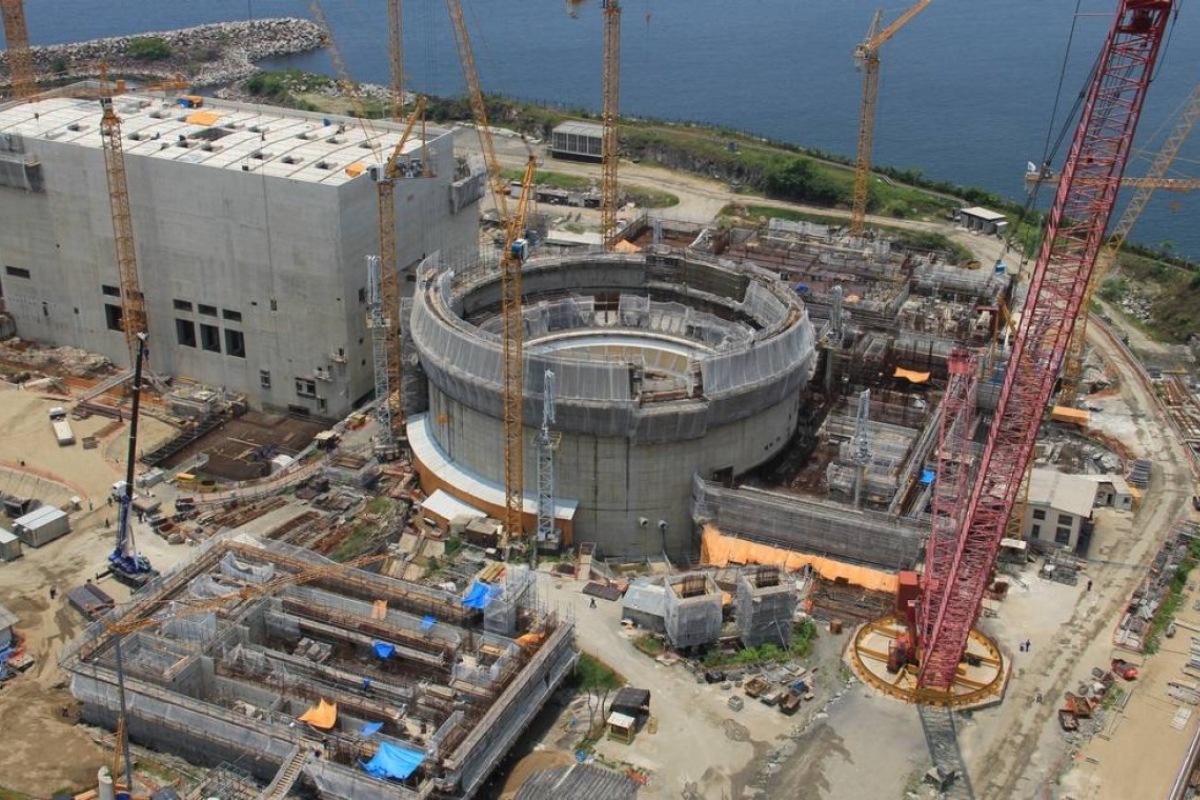

The uranium, originating from Sweden and Germany, arrived in two containers aboard the ship BBC PEARL. Upon arrival, among the enhanced security measures were continuous monitoring of the operation and the perimeter, an increased number of guards, implementation of barriers up to the side, and strict access control to the terminal. Before the ship’s arrival, boats from the Brazilian Navy conducted a sweep of the channel to ensure there were no threats.
Uranium is a Target for Terrorists and Criminals
Uranium, a radioactive element, is extremely dangerous. It is a target for terrorist groups and criminals seeking to manufacture nuclear weapons or radiological devices.
Additionally, it poses a serious environmental risk, as it can contaminate soil and water. The decontamination process of affected areas is complex, costly, and time-consuming, raising concerns about the safety of its transport.
Rigorous Escort and Transport
According to O Globo, the Special Maritime Police Unit of the Federal Police (Nepom/PF) was responsible for the escort and close security of the ship to the port. The entire unloading operation was monitored by the port guard.
The land transport of uranium to Resende was carried out in an escorted convoy, which included two vehicles from the Federal Highway Police (PRF), a vehicle from the Tactical Operational Command of the Federal Police, two trailers carrying the cargo, and a support vehicle.
Storage and Utilization Process
According to the INB, the uranium was distributed in approximately 500 fuel rods. The uranium pellets are stacked in rods made of zircaloy, a strong alloy. This set of rods is held rigidly by grids, ensuring the safety of the material during transport and storage.
Uranium: Where to Find and Why So Dangerous
Uranium is a natural element that can be found in small quantities in rocks, soil, and water. However, enriched uranium, used as nuclear fuel, is obtained through a complex and costly process that increases its concentration.
This type of uranium is especially dangerous due to its radioactivity and potential use in nuclear weapons, and the associated risks are numerous.
In this sense, aside from the danger of use in nuclear weapons, exposure to uranium can cause serious health problems, such as cancer, due to its radioactivity.
Environmental contamination is another significant risk, as uranium can pollute soil and water, affecting entire ecosystems and putting public health at risk.
The recent transport operation of uranium from the Port of Rio to Resende highlights the complexity and risks involved in handling this dangerous material.
With rigorous security measures and coordination of various security forces, the operation was successfully carried out, ensuring the supply of the Nuclear Power Plants Angra 1 and 2. However, continuous monitoring and security protocols are essential to mitigate the risks associated with the transport and storage of uranium, protecting both the population and the environment.







BOA NOITE 🌙 BRASIL, BOA NOITE 🌙 MUNDO 🌎 EU, SOU TÉCNICO EM ELETRÔNICA, INSTRUMENTAÇÃO, AUTOMAÇÃO E INSTRUTOR EM INSTRUMENTAÇÃO E CONTROLE DE PROCESSOS INDUSTRIAIS, TRABALHEI NA ÁREA DE PETRÓLEO E GÁS MAIS DE 27 ANOS EM REFINARIAS DE PETRÓLEO, PLANTAS QUIMICAS, PLANTAS PETROQUÍMICAS, PLANTAS DE PAPEL E CELULOSE EM MAIS DE 30 PLATAFORMAS DE PETRÓLEO, PLATAFORMAS FIXAS, SEMI SUBMERSIVEIS, NAVIOS PLATAFORMAS FPSO E FPU E SUBMARINOS. COMISSIONAMENTO DA USINA NUCLEAR DE ANGRA 2, OBS…O URÂNIO É A MATÉRIA PRIMA PRÁ GERAR ENERGIA NUCLEAR E ABASTECER OS REATORES NUCLEARES. ESPERAMOS A CONSTRUÇÃO DO SUBMARINO NUCLEAR ALVARO ALBERTO, PRO BRASIL, SER ALTO SUFICIENTE NUM EQUIPAMENTO ALTAMENTE ESPECIAL, Q VAI FAZER TODA DIFERENÇA NO EQUIPAMENTO DE GUERRA NA AMÉRICA DO SUL. ESTAMOS A BORDO. Q DEUS, NOS PROTEJA…AMÉM.
Nunca vi tanta besteira numa reportagem só. O Urânio natural ou levemente enriquecido não é perigoso, sua radioatividade é baixíssima, não oferecendo qualquer perigo. Também não se presta ao uso em armas nucleares, que exige um alto enriquecimento, acima de 80, 90%.
O urânio usado nos nossos reatores PWR é enriquecido apenas em torno de 3%. Por que, antes de falar sobre coisas que vcs nada entendem, não leem sobre o assunto ou consultem um especialista?
Gastando dinheiro desnecessariamente..
Nós temos a tecnologia para enriquecimento e temos as máquinas.Alguem sabe porque a maioria das Centrifugas estão paradas ?