





 Português
  Inglês
  Espanhol
  3 min de leitura
  0 comentários


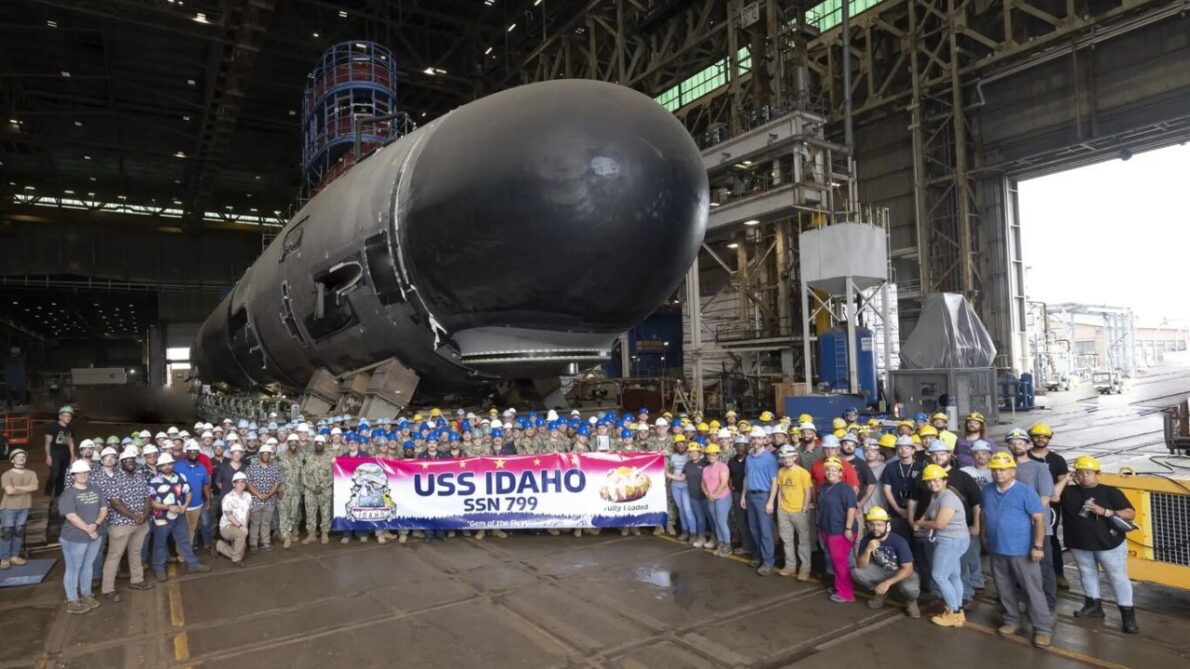
The USS IDAHO (SSN 799), New Nuclear Submarine of the U.S. Navy, Is Now in the Water and Ready for the Final Stage
The U.S. Navy has just taken another significant step to strengthen its naval power with the launch of the new nuclear submarine USS IDAHO (SSN 799), the latest and most advanced submarine of the Virginia class. The launching debut, or “float off,” occurred on the Thames River in Connecticut, marking the beginning of the final outfitting phase before its commissioning, scheduled for spring 2025.
The new nuclear submarine USS IDAHO is one of the most ambitious and advanced projects of the U.S. Navy, reflecting years of meticulous development and construction. Initiated in 2020, the submarine is now in direct contact with the water, an important milestone that symbolizes the completion of primary construction and the start of final testing and adjustments.
New Nuclear Submarine of the U.S. Navy Goes for Testing
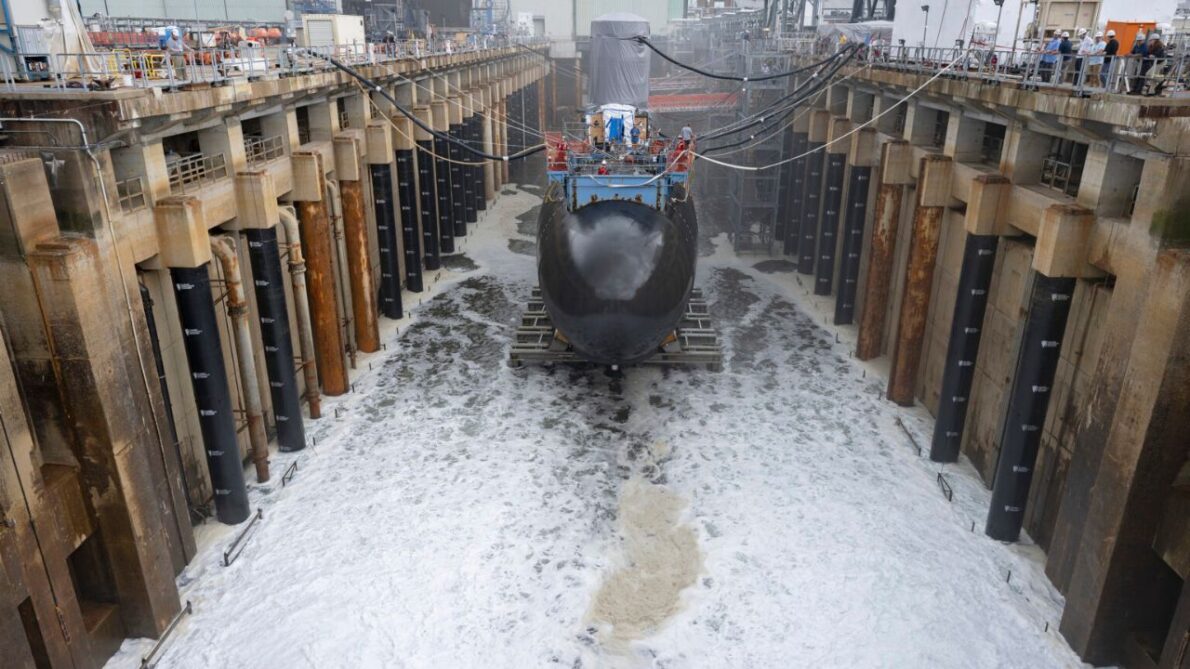
Over the next few months, Newport News Shipbuilding and General Dynamics Electric Boat, responsible for the construction, will work on installing the final equipment and will conduct a series of rigorous tests to ensure that the USS IDAHO is ready for its mission.
-
With 11,000 tons and sensors capable of hunting submarines at long distances, the Type 055 has become one of the most feared floating arsenals of the Chinese navy.

-
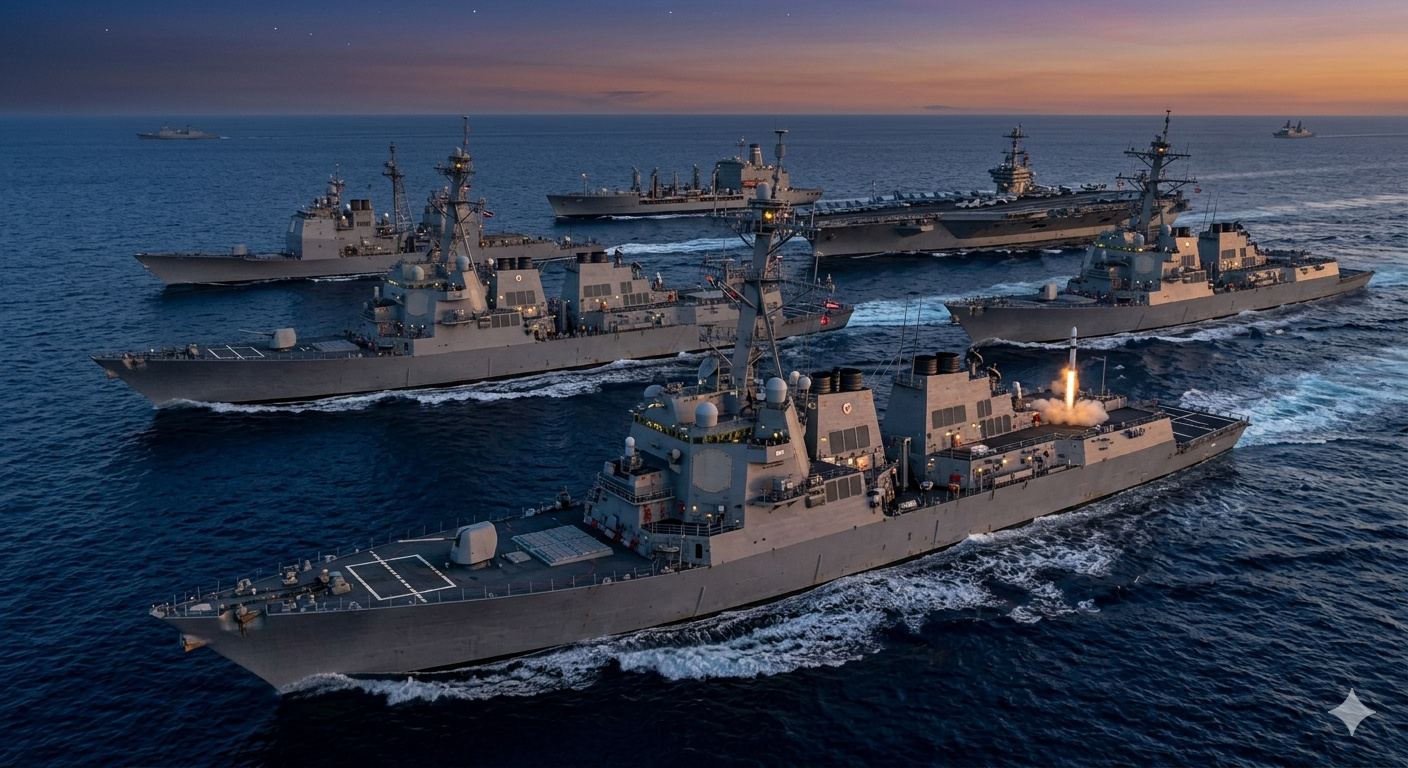
With over 15,000 tons, radars capable of tracking hundreds of targets simultaneously, and more than 120 missiles ready for launch in seconds, modern destroyers cease to be escorts and begin to dominate the naval battlefield.
-
With over 15,000 tons, radars capable of tracking hundreds of targets simultaneously, and more than 120 missiles ready for launch in seconds, modern destroyers cease to be escorts and begin to dominate the naval battlefield.
-
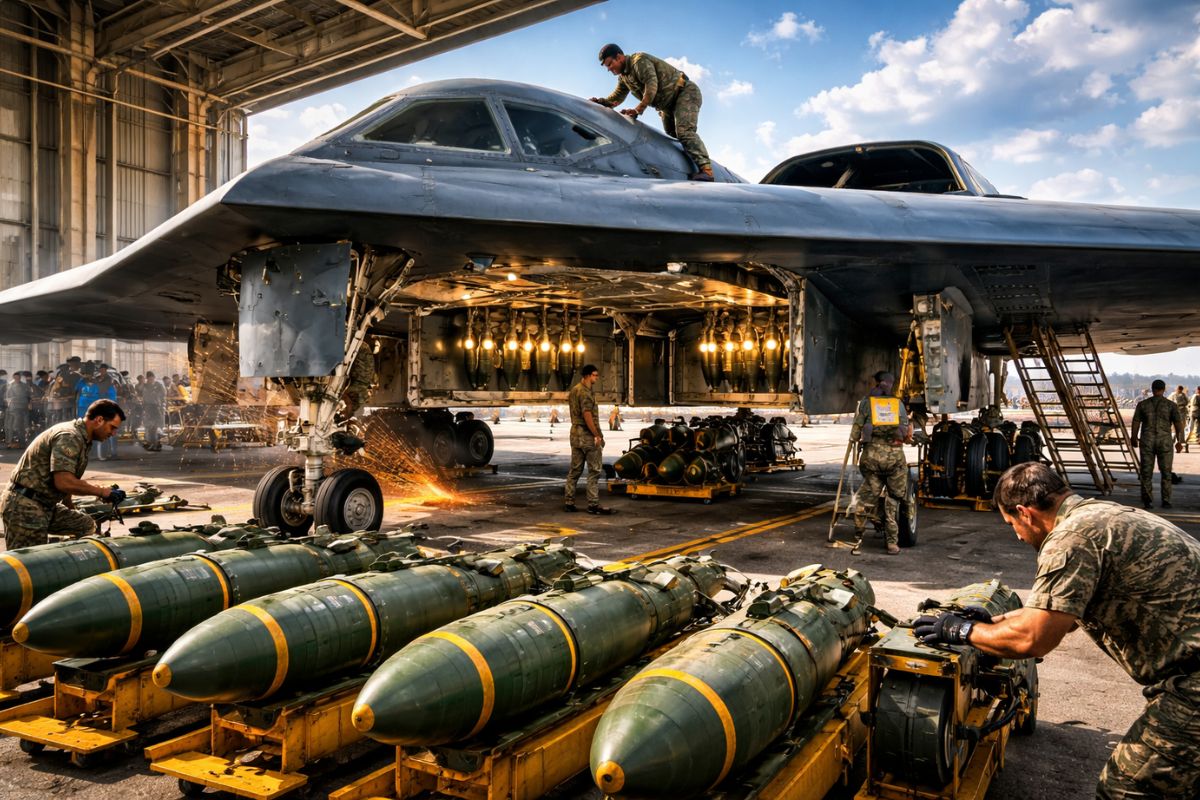
Valued at over $2 billion, the B-2 Spirit bomber requires meticulous inspection, bombs calibrated in a controlled environment, and extreme preparation to disappear from radar and launch attacks with lethal precision.

20 Virginia Class Submarines
The USS IDAHO is expected to enter service in spring 2025, adding to an already formidable fleet of approximately 20 Virginia class submarines. The U.S. Navy continues to invest heavily in this class of nuclear submarines, with a dozen other units in various stages of construction.
Stealth Aspect
What makes submarines of the Virginia class, like the USS IDAHO, so sophisticated is their ability to operate with an extremely low acoustic signature. This means they are hard to detect by enemy instruments, allowing them to operate with greater stealth. This stealth aspect is one of the main differentiators of modern nuclear submarines, and the USS IDAHO is no exception.
S9G Nuclear Reactor of 210 MW
With a 210 MW S9G nuclear reactor and an auxiliary diesel propulsion motor, the new nuclear submarine is capable of generating enough electrical power to operate its “pumpjet” propulsion system, developed by BAE Systems. Unlike traditional propeller systems, this system ensures quieter and more efficient operation.
The USS IDAHO Incorporates Several Technological Innovations
Its masts are modular and include a photonic mast, which can be controlled with a joystick similar to an Xbox – an innovation that not only facilitates control but also reduces costs. Speaking of savings, the use of commercial off-the-shelf (COTS) components has been a strategy adopted to cut costs without compromising efficiency or safety.
Built with an open architecture, the USS IDAHO is prepared to receive upgrades over time, ensuring it remains ahead in terms of naval technology. It will be capable of launching Tomahawk cruise missiles, UGM-84 Harpoon missiles, and Mk-48 torpedoes, making it a true force to be reckoned with.
U.S. Navy Reaffirms Its Leadership Position
With the launch of the USS IDAHO, the U.S. Navy reaffirms its leadership position in submarine military technology, continuing the tradition of innovation and naval power that has been its hallmark for decades. The new nuclear submarine not only strengthens the existing fleet but also represents a step forward in defending U.S. interests in deep waters.








Seja o primeiro a reagir!