





 English
  Francês
  Alemão
  Italiano
  Japonês
  Norueguês
  Portuguese
  Spanish
  4 min of reading
  0 comments


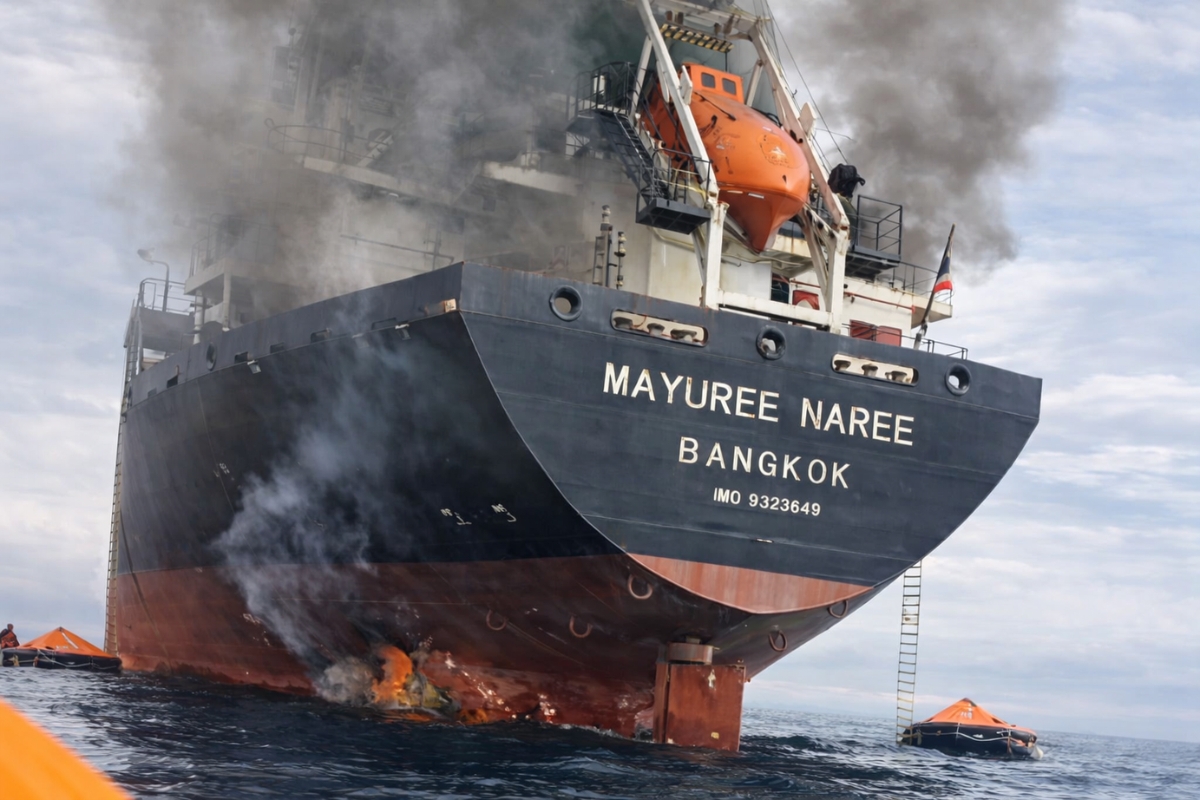
About 20 Thousand Sailors Stranded Between Iran and the Strait of Hormuz See Drones, Missiles, and Fighters Crossing the Sky, Face Communication Failures, Water Shortages, and Growing Fear Aboard Ships in a Crisis Pressuring the Entire Region
The routine of oil tankers and cargo ships in the Persian Gulf has changed dramatically. Amid the military escalation in the region, sailors report drone flights, low-altitude missiles, and fighters crossing the sky while work continues onboard.
The practical effect is immediate. Besides the fear of a direct attack, crews contend with communication failures, difficulties in navigation, and the fear of running out of water, food, and fuel in one of the most sensitive areas of global maritime trade.
Attacks and Threats Increase Risk in the Strait of Hormuz
Tensions have grown following threats to open fire on vessels attempting to cross the Strait of Hormuz, a vital passage for the transport of energy and goods. For those on board, the feeling is one of total exposure, with no safe place within the ship itself.
-
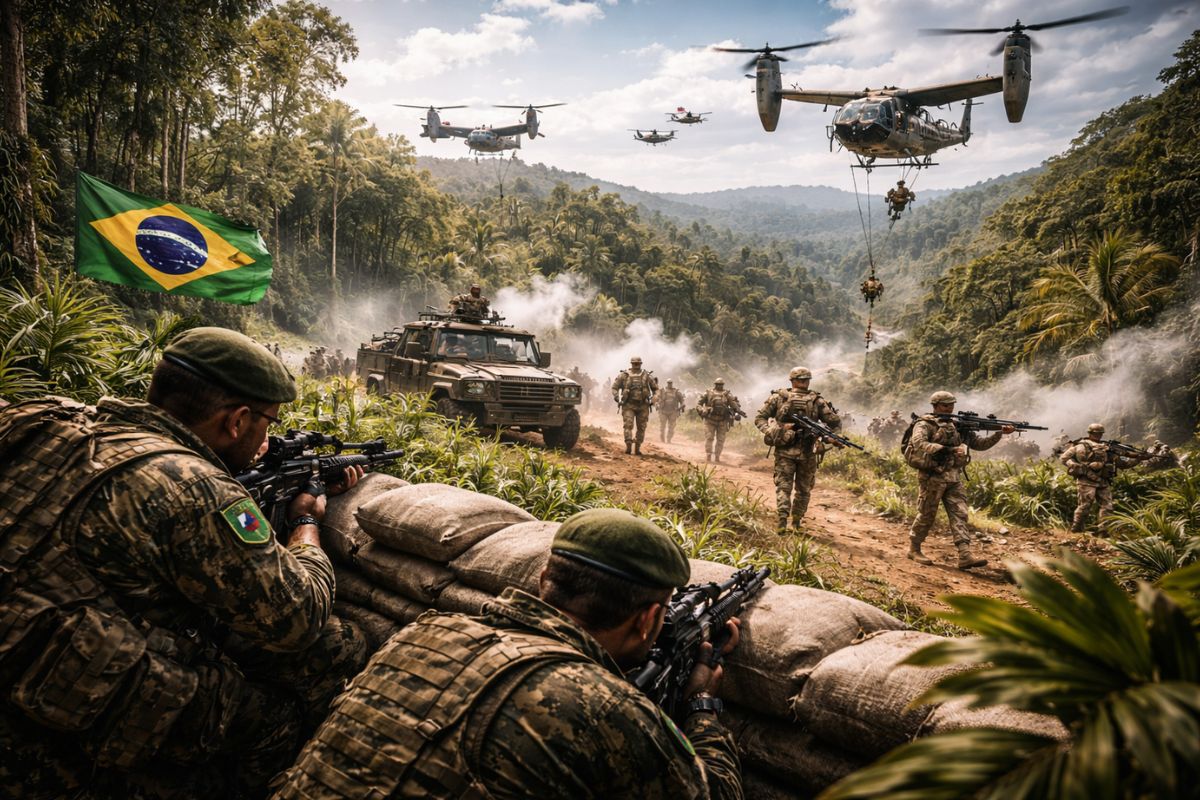
If the USA were to go to war with Brazil, Washington’s greatest fear would not be the attack itself, but facing a vast territory, prolonged resistance, and a costly, chaotic, and unpredictable occupation.
-
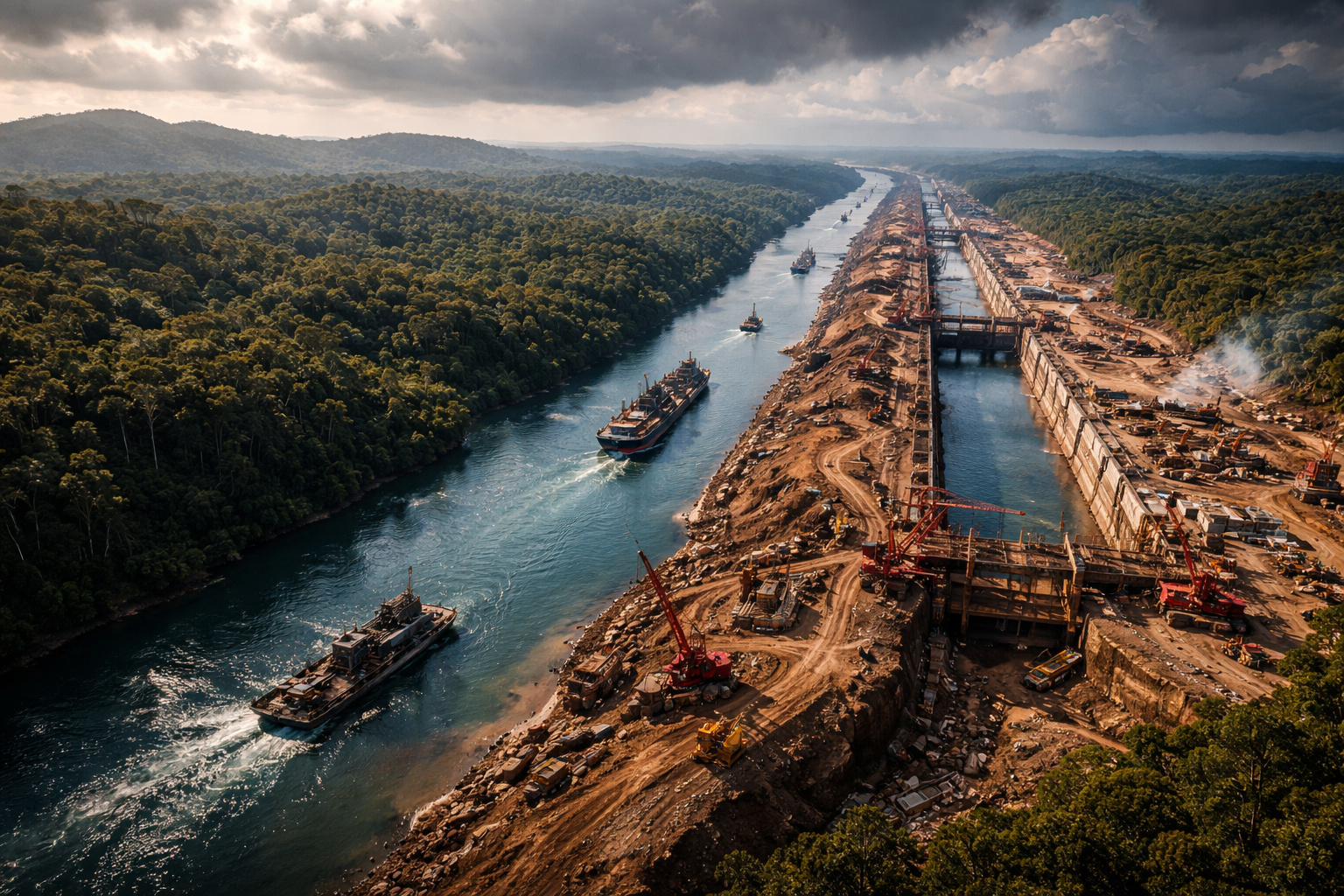
In 2013, Nicaragua sold the concession for a canal to rival Panama to a Chinese billionaire who lost 85% of his fortune, disappeared, and was declared bankrupt. Now the project resurfaces with a new route, a new Chinese partner, and a cost of $64.5 billion.
-
The USA announces a mysterious billion-dollar vault project to store critical minerals, but what intrigues experts is not just the plan itself, but why Latin America, including Brazil, has entered the center of this global dispute against China.

-
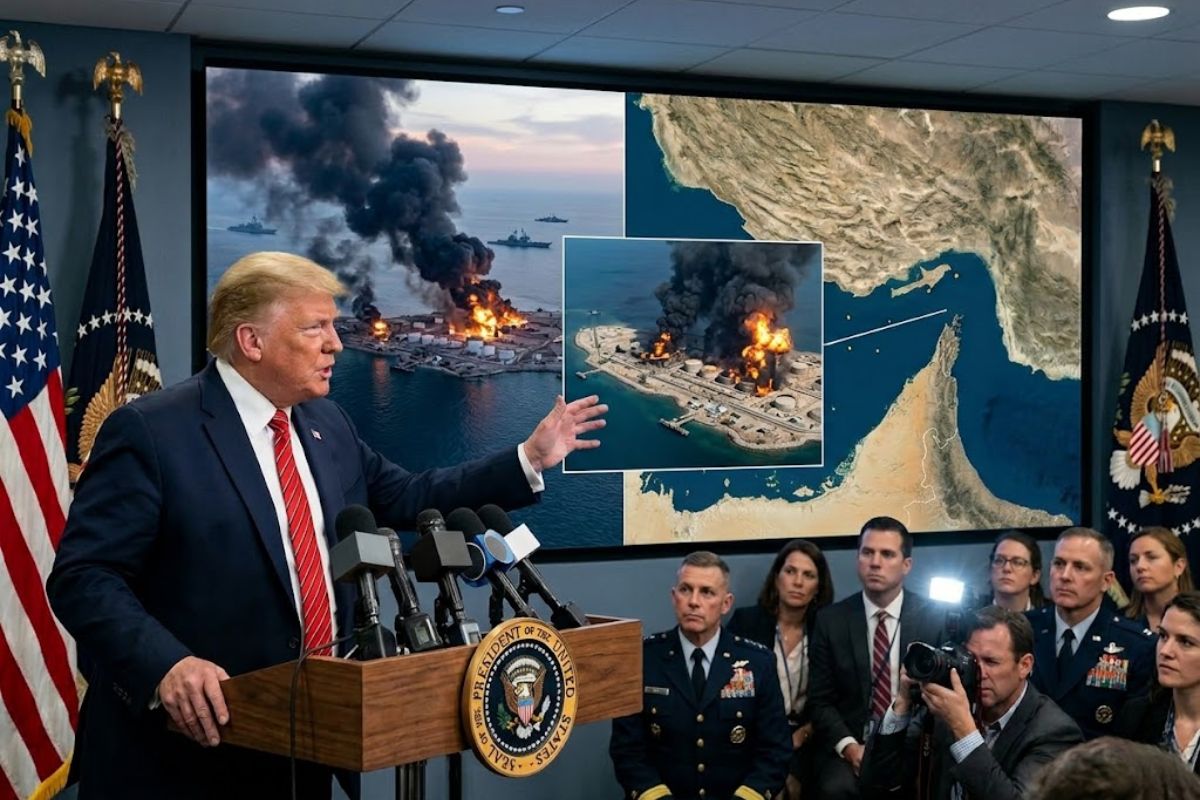
Trump Announces Bombing of U.S. Military Targets on Iranian Island Responsible for About 90% of Iran’s Oil Exports, Warns of Further Attacks if Navigation in Strategic Strait of Hormuz Is Threatened

Sailors still in the area describe daily scenes of confrontation in the air and the fear that debris from intercepted drones or missiles will hit the deck. On large vessels, the crew must continue operating even under elevated risk.
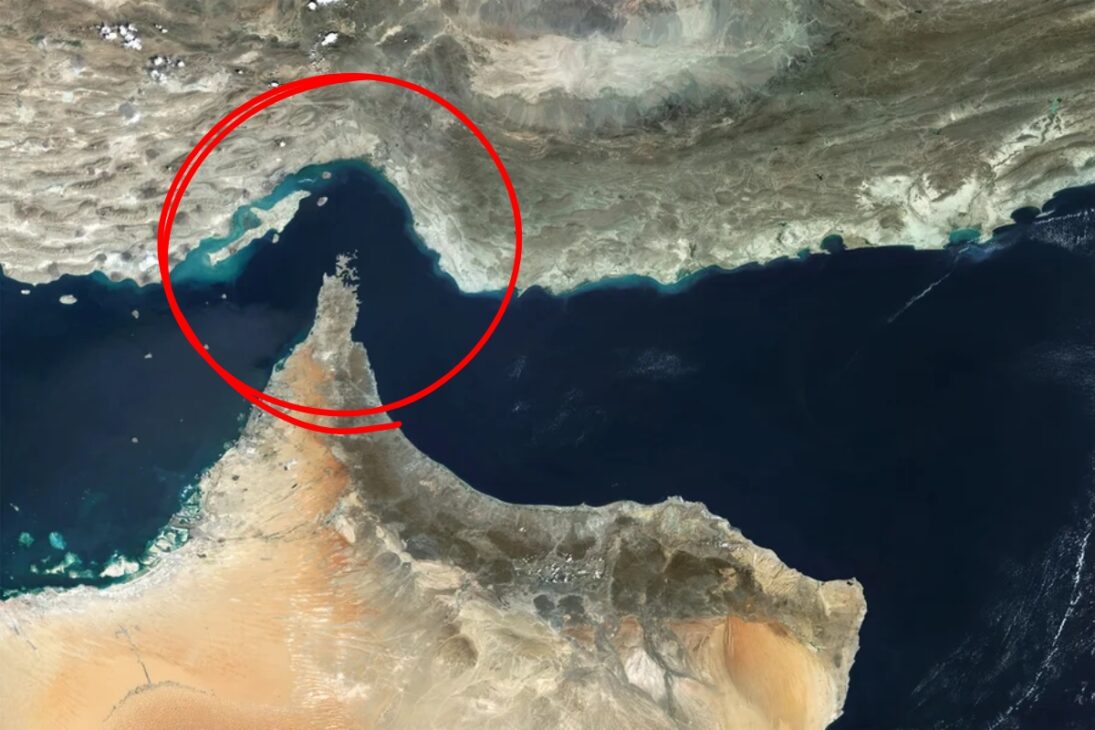
Ports and Open Seas Become Unsafe Zones
The perception that docking would guarantee protection has weakened. There are reports of vessels being hit even while anchored, which has increased uncertainty among companies and workers in the sector.
Estimates from maritime organizations indicate about 20 thousand sailors stranded in the region. Some are at sea and others remain in ports, but the assessment is that danger has spread across both scenarios.
Seven Damaged Ships and Death Increase the Climate of Trauma
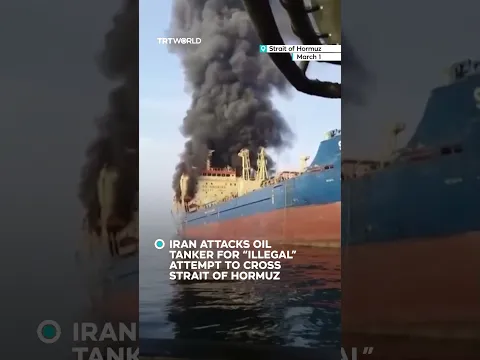
According to BBC, the UK public broadcasting network, at least seven ships have been hit by projectiles and suffered damage during the war. On March 1, a sailor died aboard the oil tanker Skylark, registered in the Republic of Palau.
The incident deepened the trauma among survivors. There was a fire in the engine room, and the crew had to be evacuated, reinforcing the notion that even large and experienced vessels are now operating under constant threat.
Internet and GPS Failures Aggravate the Crisis Aboard
The blockage of internet and phone networks has made contact between sailors and families more difficult. In some cases, access returns for a short time, but with no predictability, which increases the desperation of those waiting for news on land.
At the same time, commanders report GPS interferences that hinder maneuvers and port entry. Navigating without satellite guidance in a congested area increases the risk of operational errors and further pressures the safety of the journey.

Water, Food, and Fuel Enter the Crew’s Radar
On some ships, the remaining fresh food is expected to last only 15 days. The water supply is also a concern, as on-board production through desalination becomes more complicated when the vessel remains idle for long periods.
Other reports show severe rationing. Where once there were more complete meals, now part of the crew receives smaller portions and lives in fear that stocks will run out before the route normalizes.
Held Passports and Blacklists Hinder Seafarers’ Exit
Even when they manage to reach a safer port, many workers face another blockade. There are cases where companies keep the passports, which limits immediate departure from the region.
In addition, the fear of professional punishment weighs heavily. Those who abandon their contracts out of fear may find it difficult to secure new placements in the future, a scenario that leaves many sailors trapped between physical risk and economic pressure.
The crisis around the Iran extends beyond the military arena and heavily impacts commercial navigation. The effect falls on workers who do not participate in the conflict but remain exposed to attacks, technical failures, and shortages aboard the ships.
With threatened routes, crews under stress, and increasingly unstable logistics, the situation pressures maritime transport in the Persian Gulf and changes the strategic understanding of the region.









-

Uma pessoa reagiu a isso.