





 Portuguese
  English
  Spanish
  4 min of reading
  0 comments


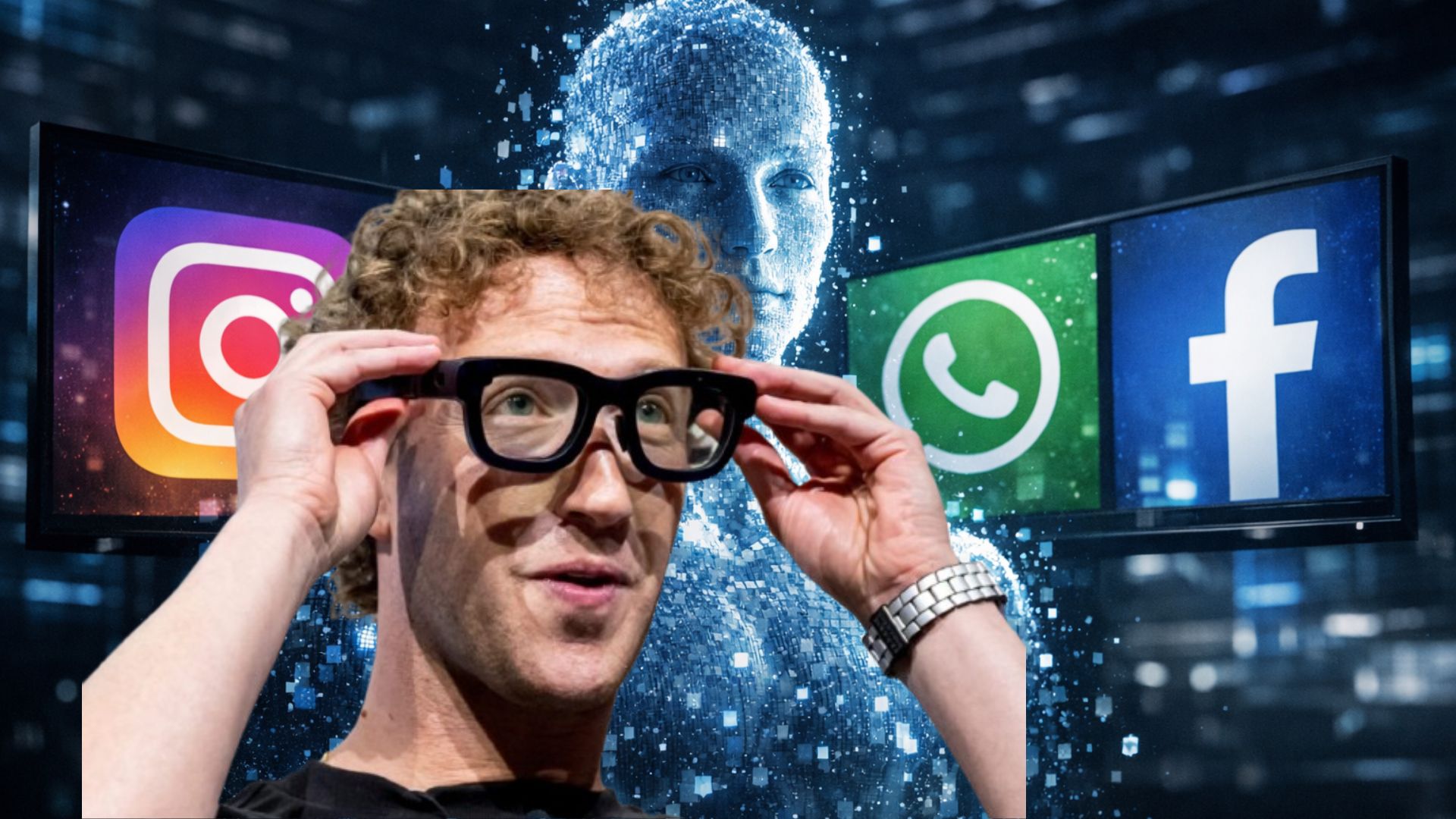
Technology Described in Meta Document Predicts Creation of “Digital Clones” Trained with Complete Interaction History, Raising Ethical, Emotional, and Commercial Debates about the Future of Social Media
Meta, a company controlled by Mark Zuckerberg and responsible for platforms like Facebook, Instagram, and WhatsApp, obtained a patent in December that describes the use of artificial intelligence to simulate user activity on social networks — even after long periods of inactivity or after death. The proposal, although not yet in active development, has reignited deep discussions about digital identity, grief, and the ethical limits of AI.
The information was released by Business Insider, which analyzed official documents from the patent granted at the end of December, although the original application was filed back in 2023. According to the material, the technology would allow for the creation of a “digital clone” capable of replicating the user’s online behavior with a high degree of fidelity, based on historical data accumulated over the years.
In this sense, the central idea is simple but disturbing: even in the definitive absence of the user, their digital presence could remain active, interacting with friends, followers, and family as if nothing had happened.
-
Motorola launched the Signature with a gold seal from DxOMark, tying with the iPhone 17 Pro in camera performance, Snapdragon 8 Gen 5 that surpassed 3 million in benchmarks, and a zoom that impresses even at night.

-
Satellites reveal beneath the Sahara a giant river buried for thousands of kilometers: study shows that the largest hot desert on the planet was once traversed by a river system comparable to the largest on Earth.

-
Scientists have captured something never seen in space: newly born stars are creating gigantic rings of light a thousand times larger than the distance between the Earth and the Sun, and this changes everything we knew about stellar birth.

-
Geologists find traces of a continent that disappeared 155 million years ago after separating from Australia and reveal that it did not sink, but broke into fragments scattered across Southeast Asia.

How the “Digital Clone” Described in the Patent Would Work
According to the technical document, the system would be based on an LLM (Large Language Model) trained exclusively with specific data from the user’s account. Among the inputs cited in the patent are old posts, comments, likes, direct messages (DMs), and recurring interaction patterns, such as activity times, tone of language, and most discussed topics.
From this data set, the AI would be able to learn not only what the user said but also how they behaved on social networks. Thus, the model could be triggered “to simulate the user when they are absent from the social network system, for example, during a long break or if they are deceased,” as literally described in the text of the patent.
Moreover, the digital clone would have the autonomy to perform various actions. These include liking and commenting on third-party posts, responding to private messages, posting new content in the user’s style, and even participating in simulated audio and video calls. In other words, the account could remain “alive” digitally, even without the physical presence of its owner.
This point becomes even more sensitive when the document argues that the absence of a user negatively impacts the experience of their followers, especially in the case of content creators, influencers, or public figures with active communities. According to the patent, “the impact is much more severe and permanent if the user is deceased and can never return to the platform.”
Meta Claims No Plans to Implement the Technology
Despite the repercussions, Meta sought to calm the situation. In a statement to Business Insider, a company spokesperson stated that there are no concrete plans to implement this technology as described in the document. According to the company, patent registration is meant to protect exploratory ideas and concepts, but that does not mean they will actually be developed or put into practice.
Still, the fact that the patent exists indicates that the company is studying extreme scenarios to maintain engagement on its platforms. Currently, social networks already offer options to turn deceased user profiles into memorialized accounts or allow their deletion upon family request. The proposal for an AI that actively replaces the user, however, goes far beyond these practices.
Not coincidentally, the main author of the patent is Andrew Bosworth, CTO of Meta and one of Zuckerberg’s closest executives, reinforcing that the topic is treated at strategic levels within the company.
Ethical Debate, Digital Grief, and the Limits of Artificial Intelligence
The possibility of an AI maintaining active accounts after death raises a series of ethical and emotional questions. Among the main points are post-mortem consent, the psychological impact on family and friends, the commercial use of digital images, and the moral limits of using personal data to simulate identity.
In many cases, grief involves precisely absence, silence, and closure of cycles. A continuous artificial presence can generate emotional confusion, hinder the goodbye process, and create bonds with something that is no longer human but is also not entirely artificial. Furthermore, the question arises of who would control this digital clone and for what purposes it could be used.
It is worth noting that, in previous interviews, Mark Zuckerberg has suggested that virtual avatars could take on relevant social roles in the future, even serving as companionship for lonely users. In this context, the patent does not appear as an outlier but as part of a broader vision of the integration between artificial intelligence, identity, and human relationships in the digital environment.
Whether this technology will ever come to fruition is still uncertain. However, the debate has already begun — and it raises an increasingly inevitable question: how far does our digital existence go when real life comes to an end?







-

-

-

-

6 pessoas reagiram a isso.