





 English
  Francês
  Alemão
  Italiano
  Japonês
  Norueguês
  Portuguese
  Spanish
  7 min of reading
  0 comments


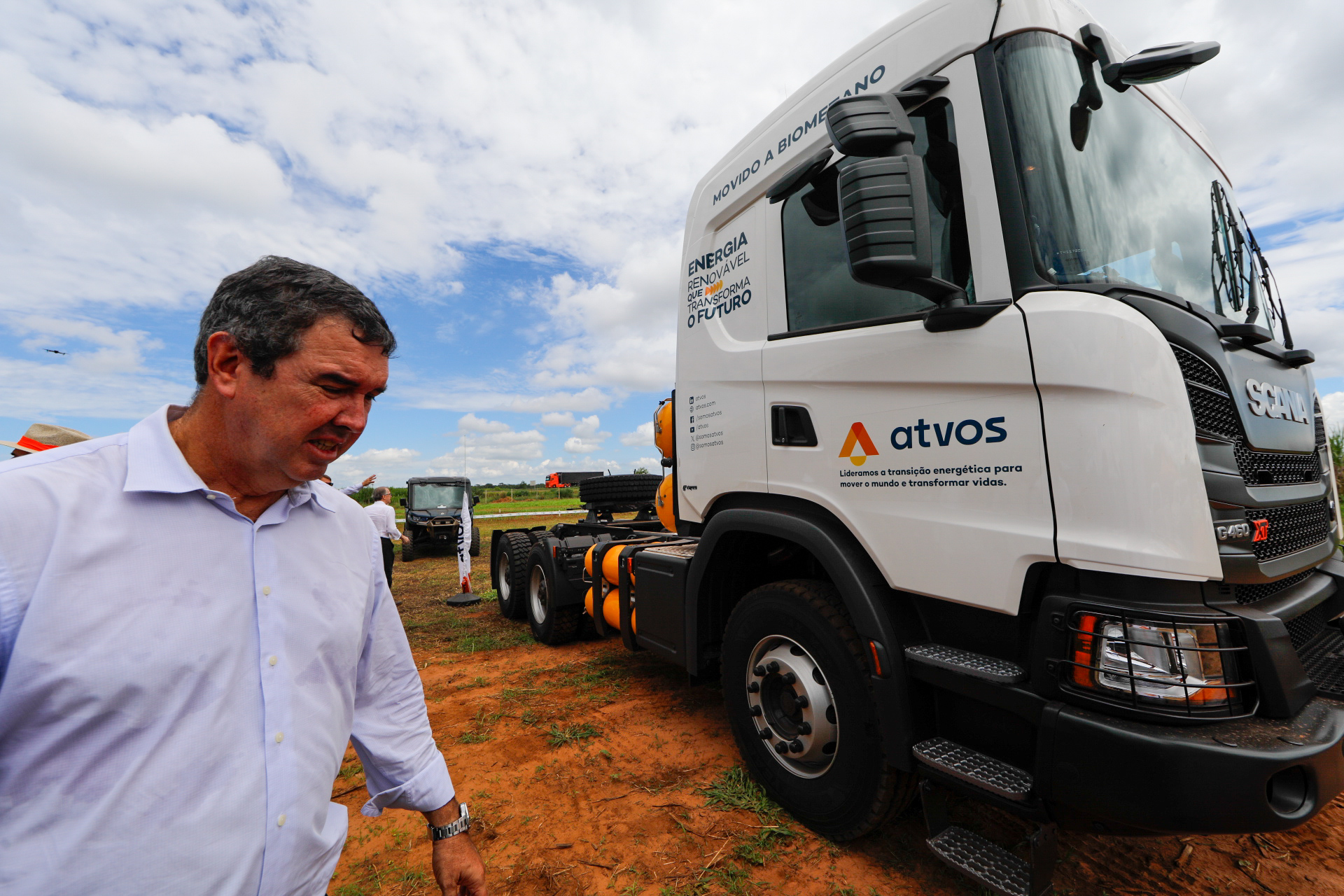
With the strength of the sugar-energy sector and the advancement of biomass, the state of Mato Grosso do Sul consolidates the production of clean energy in MS as a national reference for the energy transition and regional economic development.
Mato Grosso do Sul has just reaffirmed its strategic position on the Brazilian energy map by registering 22 plants in full operation, boosting the production of clean energy in MS through sugarcane processing.
During Expocanas, an event that brings together the main leaders of the sector, the state government and industry representatives highlighted how the state transformed the countryside into a true factory of renewables.
The processing of biomass and the production of ethanol not only supply the fuel market but also inject electricity directly into the national grid, ensuring energy security and reducing the country’s carbon footprint.
-
A study reveals the expansion of renewable energy procurement in Brazil and shows how companies are taking advantage of opportunities to reduce expenses, ensure energy efficiency, and strengthen strategic environmental commitments.

-
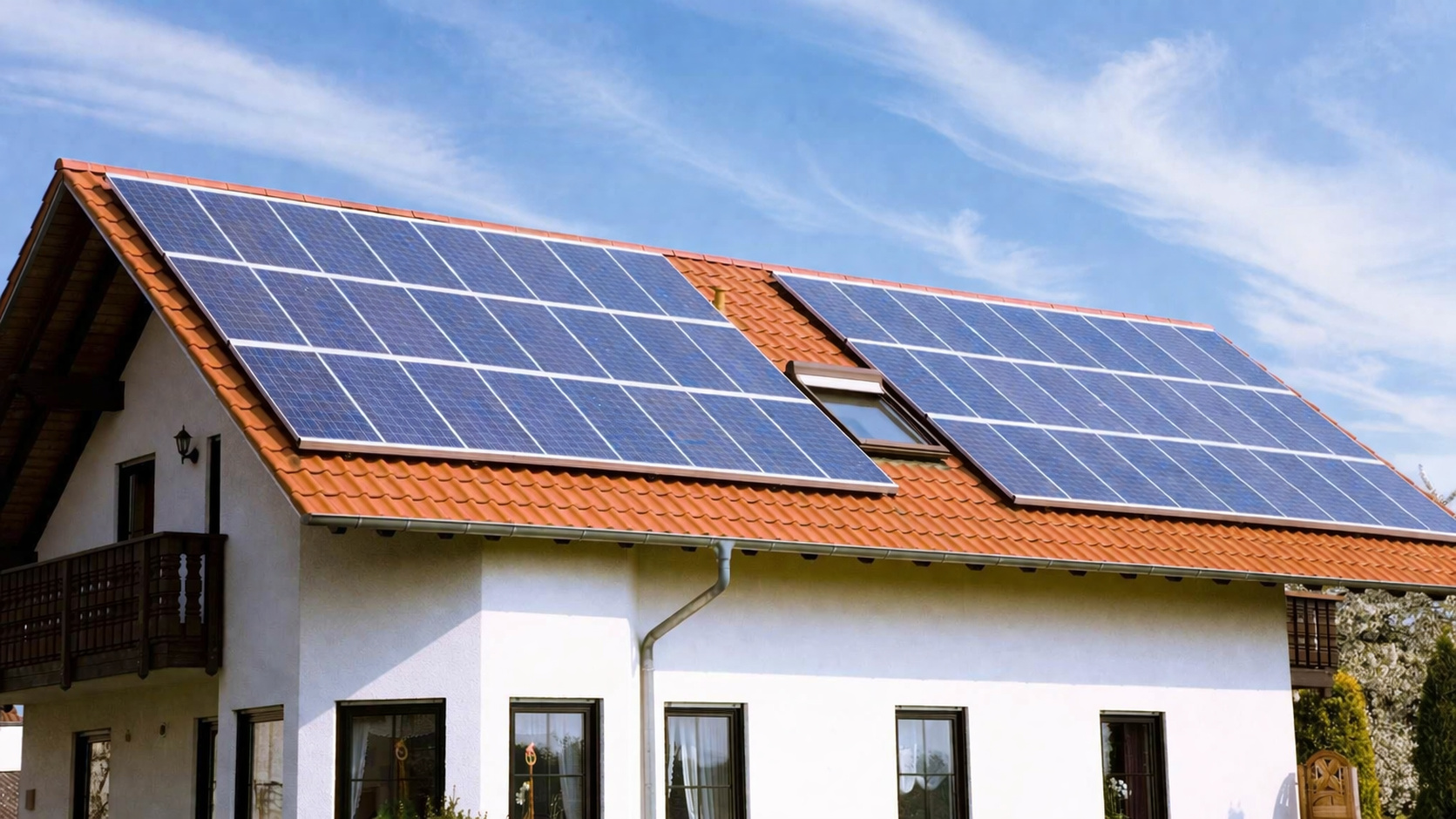
National energy dilemma: Brazilians support clean energy but reject increases in tariff costs to finance the sustainable transition.
-
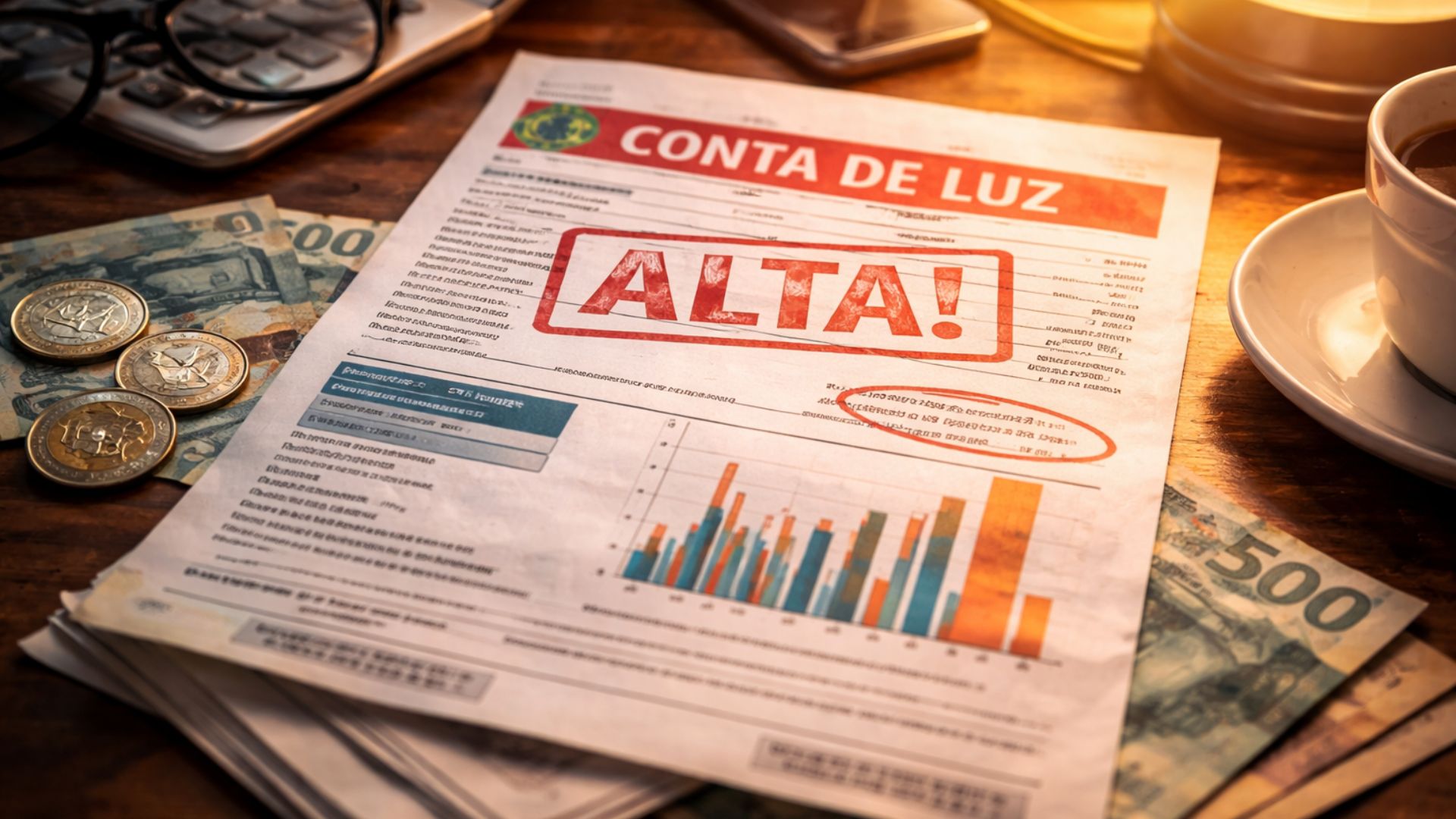
Research indicates that Brazilians support clean energy and wish to advance in the energy transition, but reject paying more on their electricity bill, showing a direct conflict between cost and sustainability.
-
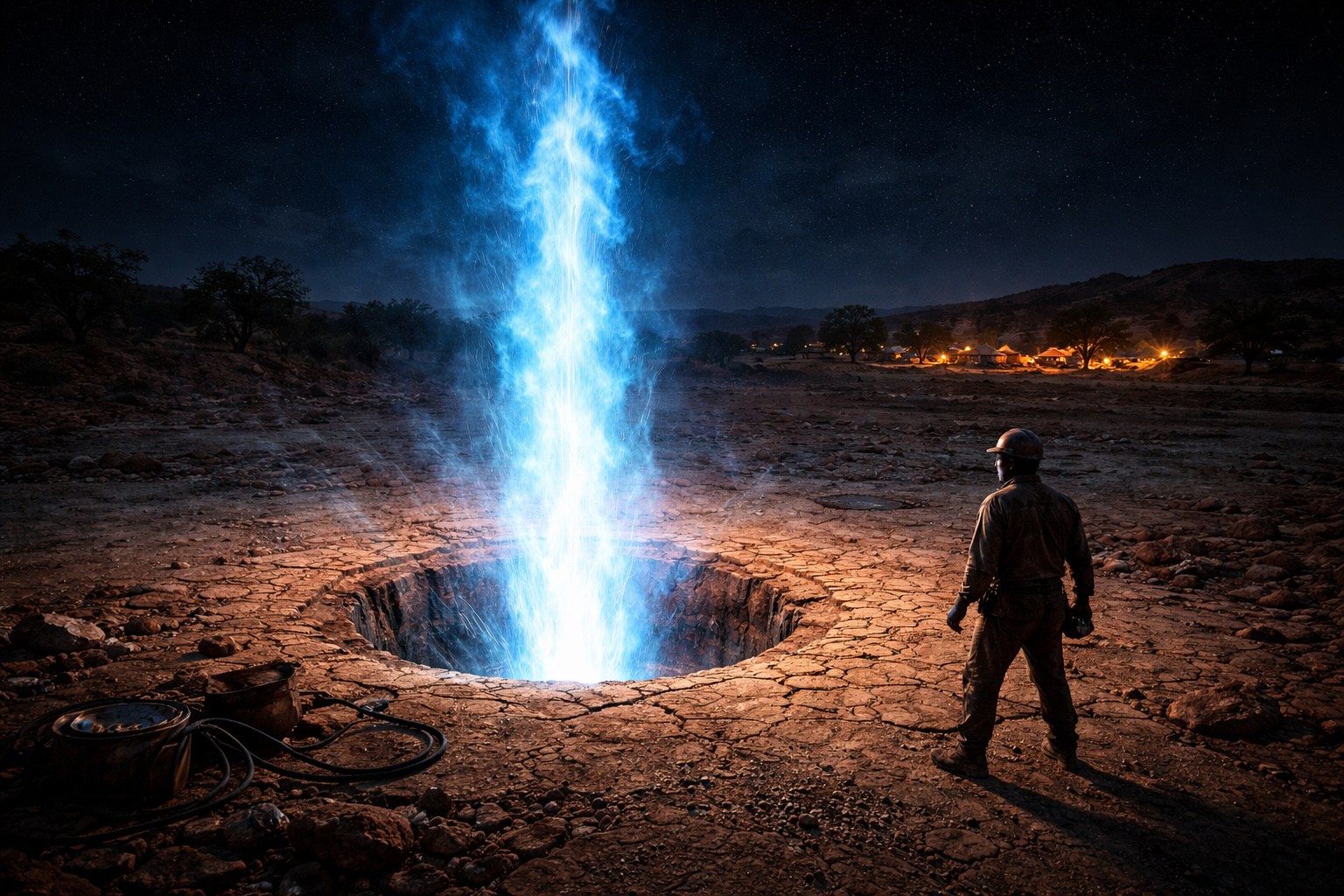
The only natural hydrogen field in commercial operation on the planet was discovered by accident when a driller lit a cigarette over a dry well in Mali; the fire lasted for weeks, the well was capped and forgotten for 24 years because no one knew it was hydrogen, and today it supplies an entire village with clean energy.
Today, Mato Grosso do Sul ranks among the largest producers of bioenergy in Brazil, attracting billion-dollar investments that modernize industrial plants and generate thousands of qualified jobs in the interior of the state.
The integration between high-yield agricultural production and efficient industrial conversion defines the success of the Mato Grosso do Sul model, which serves as an example for other federations seeking alternatives to fossil fuels.
Technological advancement drives the production of clean energy in MS
The growth of clean energy production in MS reflects the intensive use of technology in the field and in industrial units. The 22 plants installed in the state adopt cogeneration processes, where the sugarcane bagasse left over from juice extraction becomes fuel for high-pressure boilers.
This steam drives turbines that generate enough electricity to maintain the plant itself and still export the surplus to the National Interconnected System (SIN). This complete utilization of plant waste demonstrates the efficiency of the circular economy applied to modern agribusiness.
In addition to electricity, Mato Grosso do Sul is heavily investing in biotechnology to increase ethanol yield. The state already produces significant volumes of corn ethanol and second-generation ethanol (E2G), thus utilizing technologies that extract more energy from the same planted area.
This diversification of raw materials ensures that renewable production occurs year-round, reducing machine downtime during the off-season for sugarcane. The result is reflected in the numbers: the state exports energy to major consumer centers, such as São Paulo and Paraná, balancing national supply with a stable and predictable source.

Expocanas reveals the billion-dollar potential of the sugar-energy sector
The Expocanas fair serves as a showcase for the advancements that support the production of clean energy in MS. During the event, entrepreneurs and public managers discussed, for example, the expansion of new plants and the modernization of current units.
Mato Grosso do Sul offers a favorable business environment, with legal security and tax incentives that attract multinational groups. The privileged geographical location facilitates the flow of production to ports and the domestic market, consolidating the state as a logistics hub for bioenergy.
The investments announced during the fair exceed millions of reais, focused mainly on automation and precision agriculture. The use of drones, soil sensors, and satellite-guided harvesters optimizes harvesting, ensuring that the raw material reaches the plant with maximum sugar content.
This efficiency in the field directly reflects on the energy generation capacity of industrial plants. The state government emphasizes that the sugar-energy sector is one of the pillars of the GDP of Mato Grosso do Sul, generating tax revenue that allows for new investments in infrastructure and technical education for the local population.
The socioeconomic impact of the 22 plants in operation
The presence of 22 operational plants transforms the reality of the cities in the interior of Mato Grosso do Sul. The production of clean energy in MS creates an ecosystem of services that goes far beyond the fences of the farms.
Mechanical workshops, logistics companies, chemical analysis laboratories, and environmental consultancies thrive around the industrial plants. This economic movement prevents rural exodus, keeping workers in the countryside with competitive salaries and access to specialized training offered by the sector’s own companies.
Regional impact studies show that municipalities hosting plants have Human Development Index (HDI) scores above the national average. The demand for skilled labor drives the creation of technical courses and partnerships with local universities.
Agricultural engineers, industrial electricians, and logistics managers find in Mato Grosso do Sul a heated and constantly expanding job market. The sugar-energy industry thus functions as a driver of social mobility, transforming the lives of thousands of families in Mato Grosso do Sul through the green economy.

Sustainability and decarbonization of the Brazilian matrix
The production of clean energy in MS plays a fundamental role in meeting Brazil’s environmental goals. The ethanol produced in the state replaces millions of liters of gasoline, avoiding the emission of greenhouse gases into the atmosphere.
When considering the complete life cycle, from planting to burning in the engine, the renewable fuel from the state presents an extremely favorable carbon balance. Furthermore, the burning of sugarcane bagasse to generate electricity is considered carbon neutral, as the plants absorb CO2 during growth in the field.
Mato Grosso do Sul also stands out for preserving reserve areas and for the rational use of water in industrial processes. The plants operate with water reuse systems, minimizing the extraction from rivers and aquifers.
The application of vinasse, a byproduct of distillation, as a natural fertilizer reduces the need for synthetic chemical inputs, protecting the soil and lowering production costs. This rigorous environmental management allows the state to seek decarbonization credits (CBIOs) in the RenovaBio program, generating extra revenue that further encourages the preservation of nature.
Challenges of clean energy production in MS and infrastructure for energy flow
Despite the success, the production of clean energy in MS faces logistical challenges that require constant attention. The flow of ethanol and electricity demands an efficient transportation network and modern transmission lines.
The government of Mato Grosso do Sul invests in paving rural roads and improving state roads to facilitate the transit of trucks transporting sugarcane. In the electricity sector, the challenge lies in expanding substations so that the energy generated by the plants reaches major centers without high technical losses.
Modal integration also enters the priority agenda. The use of railways and waterways for transporting renewable fuels can drastically reduce freight costs and noise and air pollution.
The infrastructure market monitors privatization and concession projects for railways that cross the state, seeing them as the key to increasing the competitiveness of sugar and ethanol from Mato Grosso do Sul abroad. Overcoming these bottlenecks will ensure that Mato Grosso do Sul maintains its growth trajectory and consolidates its dominance in the renewable sector.
The future of bioenergy: Biogas and Green Hydrogen
The prospects for clean energy production in MS point to technological diversification. The plants are already studying the installation of biogas plants to utilize filter cake and vinasse, waste that has high energy potential.

Biogas can be converted into biomethane to replace diesel in the truck fleets of the plants themselves or transformed into additional electricity. This new technological frontier promises to elevate the efficiency of the 22 plants to an unprecedented level in Brazil, extracting energy from every fiber of the plant.
Another long-term bet is the production of green hydrogen from ethanol. Brazil has a unique competitive advantage by using biofuel as a “carrier” of hydrogen, thus facilitating the transport and distribution of this energy of the future.
Mato Grosso do Sul, with its established infrastructure and abundance of raw materials, positions itself as a natural candidate to host the first commercial green hydrogen plants in Latin America. Continuous innovation ensures that the state not only produces energy but also develops the solutions that the whole world is looking for to address the climate crisis.
Mato Grosso do Sul as the renewable beacon of the Midwest
The registration of 22 operational plants and the discussions at Expocanas confirm that the production of clean energy in MS is experiencing its best moment. The state has united agricultural vocation with industrial capacity, creating a development model that respects the environment and generates real wealth for the population.
The bioenergy from Mato Grosso do Sul is now a strategic asset for Brazil, ensuring that the country continues to lead the global energy transition with its feet on the ground and a focus on results.
While the world discusses the end of the oil era, Mato Grosso do Sul is already living the era of renewables. The sun, the soil, and sugarcane form the triad that sustains the state’s growth. With constant investments and a focus on innovation, Mato Grosso do Sul proves that sustainable development is possible, profitable, and essential.
The future of Brazilian energy necessarily passes through the plants in MS, which therefore continue to transform the potential of nature into progress for all Brazilians.








Seja o primeiro a reagir!