





 Portuguese
  English
  Spanish
  4 min of reading
  0 comments


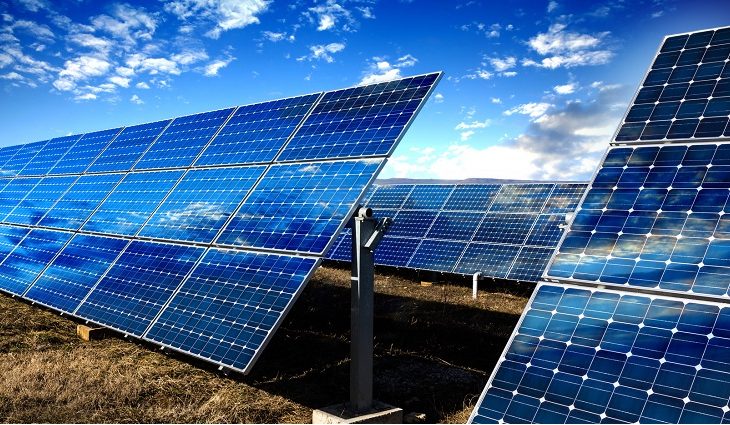
Discover How Mato Grosso do Sul Is Leading Clean Energy Generation in Brazil with Hydropower, Biomass, and Solar. See Investments, Impacts, and the Future of Energy Sustainability in the State.
Mato Grosso do Sul Has Distinctively Established Itself as a National Reference in Clean Energy Generation.
According to the State Government’s website, in 2024, the total installed capacity reached 9,843 MW, an increase of 11% compared to the previous year. This growth reflects the advancement of clean energy projects.
Of this total, 84.58% comes from renewable sources, such as hydropower, biomass, and solar. This percentage demonstrates the state’s commitment to sustainability and the diversification of the energy matrix.
In addition to meeting internal demand, this diversified energy matrix brings significant environmental benefits. Firstly, it reduces carbon emissions. Secondly, it directly contributes to the Brazilian energy transition.
-
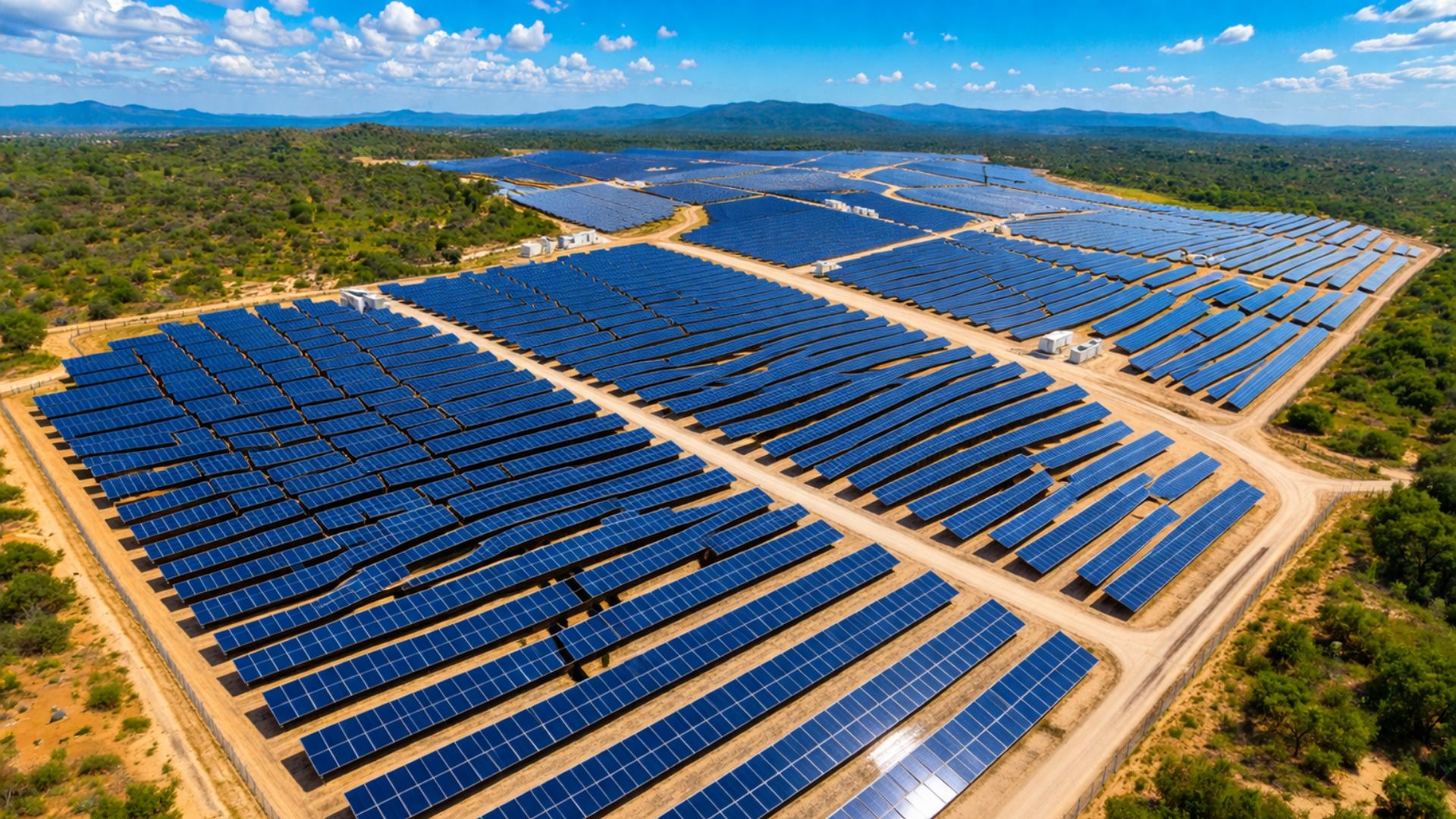
The Sol do Agreste Photovoltaic Complex begins operations in Pernambuco and accelerates the expansion of solar energy in Brazil, directly impacting the reduction of emissions and strengthening the sustainable energy matrix.
-
The Sol do Agreste Photovoltaic Complex begins operations in Pernambuco and accelerates the expansion of solar energy in Brazil, directly impacting the reduction of emissions and strengthening the sustainable energy matrix.
-
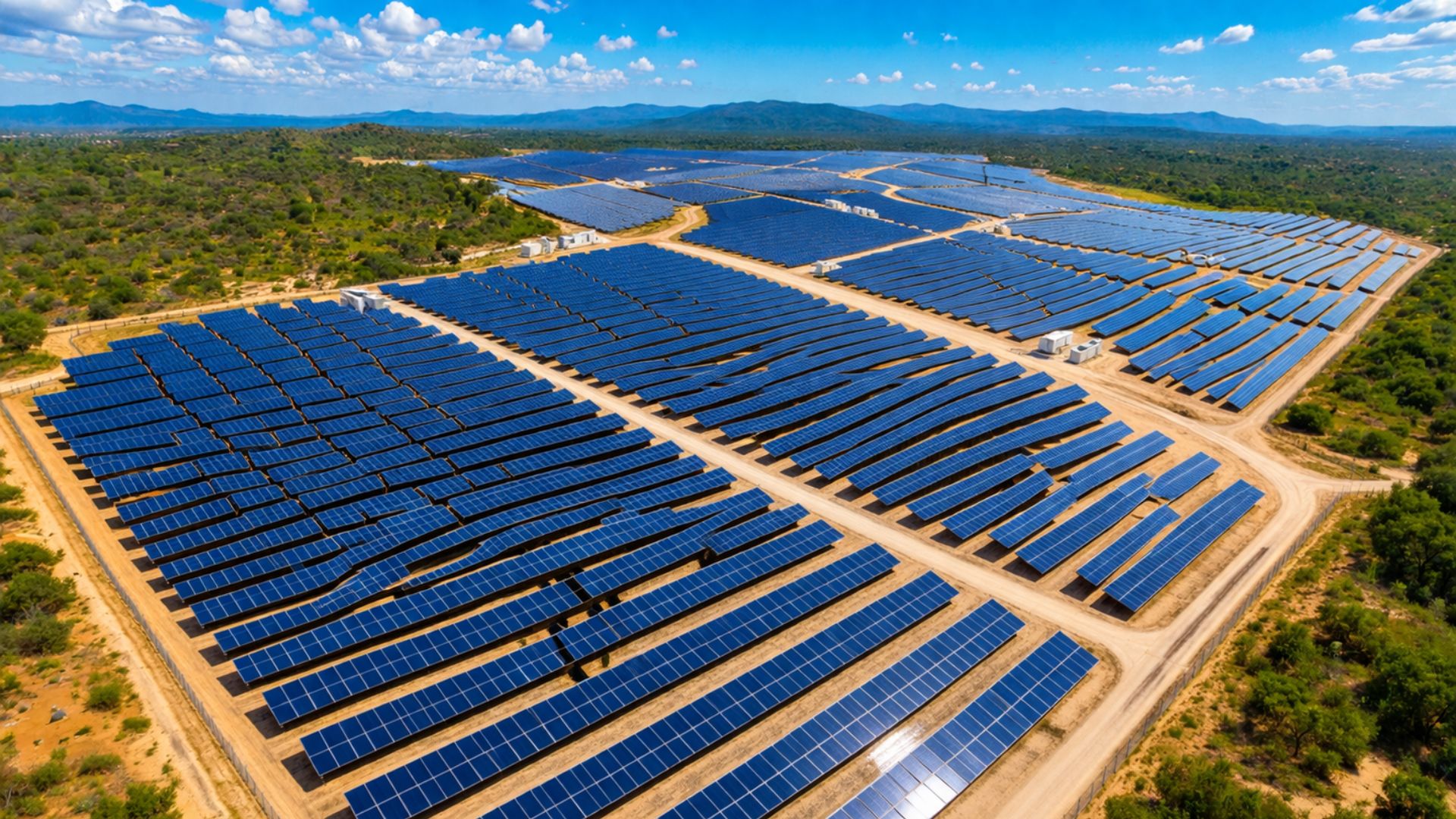
Renewable energy advances over protected areas in Brazil, and a survey by the Energy Transition Observatory reveals silent impacts that challenge environmental conservation and pressure sensitive traditional territories.

-
Rio Grande do Sul accelerates energy transition: State invests in renewable technologies and consolidates decarbonization strategies and pathways to attract billions in new industrial investments.


Thus, Mato Grosso do Sul is not only advancing in the sector but also taking on a strategic role in the clean energy revolution in the country.
Moreover, the state energy policy focuses on sustainable development and increasing the use of renewable energy. As a result, companies and investors have been attracted to the state, further strengthening the local economy.
Therefore, Mato Grosso do Sul remains firm as one of the largest energy innovation hubs in Brazil.
Solar Energy: The Main Bet of Distributed Generation in the State
In recent years, solar energy has taken on a central role in the state’s energy matrix.
With increasing investments in technology and government incentives, the sector has made significant progress. Additionally, the demand for sustainable electricity sources has never been higher.
As a result, distributed generation has expanded rapidly. Small consumers, such as households and businesses, have begun to produce their own energy.
Consequently, electricity costs have decreased, and energy independence has become a reality. With a high solar potential, Mato Grosso do Sul offers an ideal environment for the expansion of this market.
Additionally, tax incentives and accessible credit lines have further facilitated the adoption of solar photovoltaics.
This is why large solar plants are emerging alongside small residential installations. This creates a scenario of widespread energy decentralization.
Furthermore, technological advancement plays a crucial role.
Currently, more efficient and accessible solar panels are available on the market. Thus, consumers of different profiles can adopt this technology and contribute to the transformation of the state’s energy matrix.
With all these factors, it is evident that solar energy has solidified as one of the sector’s greatest bets.
Biomass and Hydropower: Strategic Pillars of the Energy Matrix
Although solar energy is growing rapidly, biomass and hydropower continue to be fundamental for the stability of the state energy matrix.
Both ensure continuous and reliable generation. This factor is essential for the state’s energy security.
Biomass represents a highly sustainable solution.
By transforming agro-industrial waste, such as sugarcane bagasse and wood scraps, into energy, this sector reduces waste and strengthens the concept of a circular economy.
Moreover, the strong presence of agribusiness in the state drives this energy model. This guarantees abundant raw materials.
Meanwhile, hydropower remains the backbone of the state’s electric generation.
With several plants operating in its territory, Mato Grosso do Sul ensures an efficient and stable energy supply.
Additionally, the combination of solar, biomass, and hydropower balances the matrix, reducing dependence on fossil fuels.
Thus, Mato Grosso do Sul is advancing toward a greener and more resilient economy.
Another relevant point is that the state government has heavily invested in modernizing hydropower plants.
This means that, in addition to increasing generation capacity, the state aims to reduce environmental impacts and enhance process efficiency.
With all these strategies, Mato Grosso do Sul maintains its prominent position in the renewable energy sector.
The state not only uses its natural resources intelligently but also constantly innovates to ensure a more sustainable future.


Investments and the Future of Renewable Energy in Mato Grosso do Sul
The advancement of renewable energy in Mato Grosso do Sul reflects a well-defined strategy.
As part of the Brazilian energy transition, the state is increasingly investing in infrastructure, innovation, and energy efficiency.
In this way, it strengthens its role as a model for other regions of the country.
Moreover, the expansion of installed renewable energy capacity reinforces the environmental and economic benefits for the population.
A more sustainable matrix generates jobs, attracts investments, and improves quality of life.
On the other hand, the state government also plays a fundamental role in this growth.
With incentives for new projects and facilitation of access to credit lines, the expansion of clean sources becomes even more accelerated.
As a consequence, energy production becomes more accessible and efficient.
Looking ahead, the prospects are extremely positive.
In the coming years, Mato Grosso do Sul should continue to expand its sustainable generation capacity.
The state will establish itself as a national reference in the renewable energy sector.
Thus, Mato Grosso do Sul is preparing to lead the Brazilian energy transition.
With a favorable scenario and rising investments, Mato Grosso do Sul positions itself as one of the most innovative, sustainable, and prepared states for the energy challenges of the future.








-

Uma pessoa reagiu a isso.