





 Português
  Inglês
  Espanhol
  8 min de leitura
  3 comentários


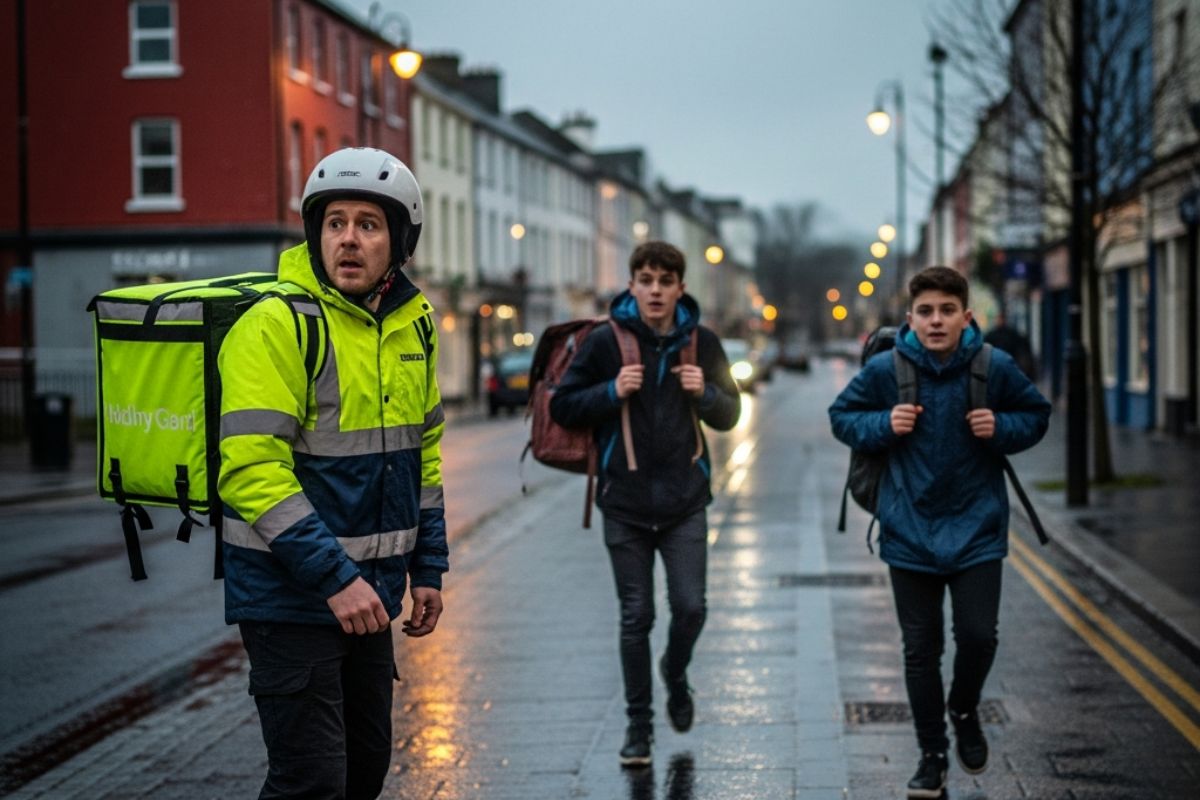


Reports of Assaults on Brazilians in Ireland Since 2021, Attacks on Food Deliverers in Dublin, Monitored Routine in Gort Ireland, and Doubts About Exchange in Ireland Expose Security Vulnerabilities in Ireland Felt by Students, Families, and Small Brazilian Entrepreneurs in Peripheries, Urban Centers, and Rural Areas Today
In January 2021, a Brazilian deliverer was tried after stabbing an Irish teenager during a bicycle dispute in Dublin, a case that ended with acquittal for self-defense. In 2019, another Brazilian reported being beaten with a steel rod by a canal, and in June 2023, a marathon runner was attacked with a metal stick in the Finglas neighborhood in the northwest of the capital. In November 2023, new scenes of tension took over the streets when a man stabbed children at the school door, and a Brazilian reacted, triggering unprecedented anti-immigration protests. These episodes help explain why the phrase Brazilians in Ireland today carries, at the same time, stories of opportunity and fear.
During the same period, the Garda reported that it is investigating officially recorded cases of assaults, while the Brazilian embassy recorded 10 services to victims in a single year, most of them food deliverers. In contrast, Ireland still ranks among the countries with the lowest homicide rates in Europe, with a rate of around 0.88 per 100,000 inhabitants, lower than France and other neighbors. In this ambiguous scenario, the country that was once synonymous with affordable and welcoming exchange in Ireland is being re-evaluated by those crossing the Atlantic in search of work, study, and security in Ireland in their daily lives.
Fear and Adaptation in the Daily Lives of Brazilians in Ireland

For many Brazilians in Ireland, especially in Dublin, the routine is now marked by silent adjustments.
-
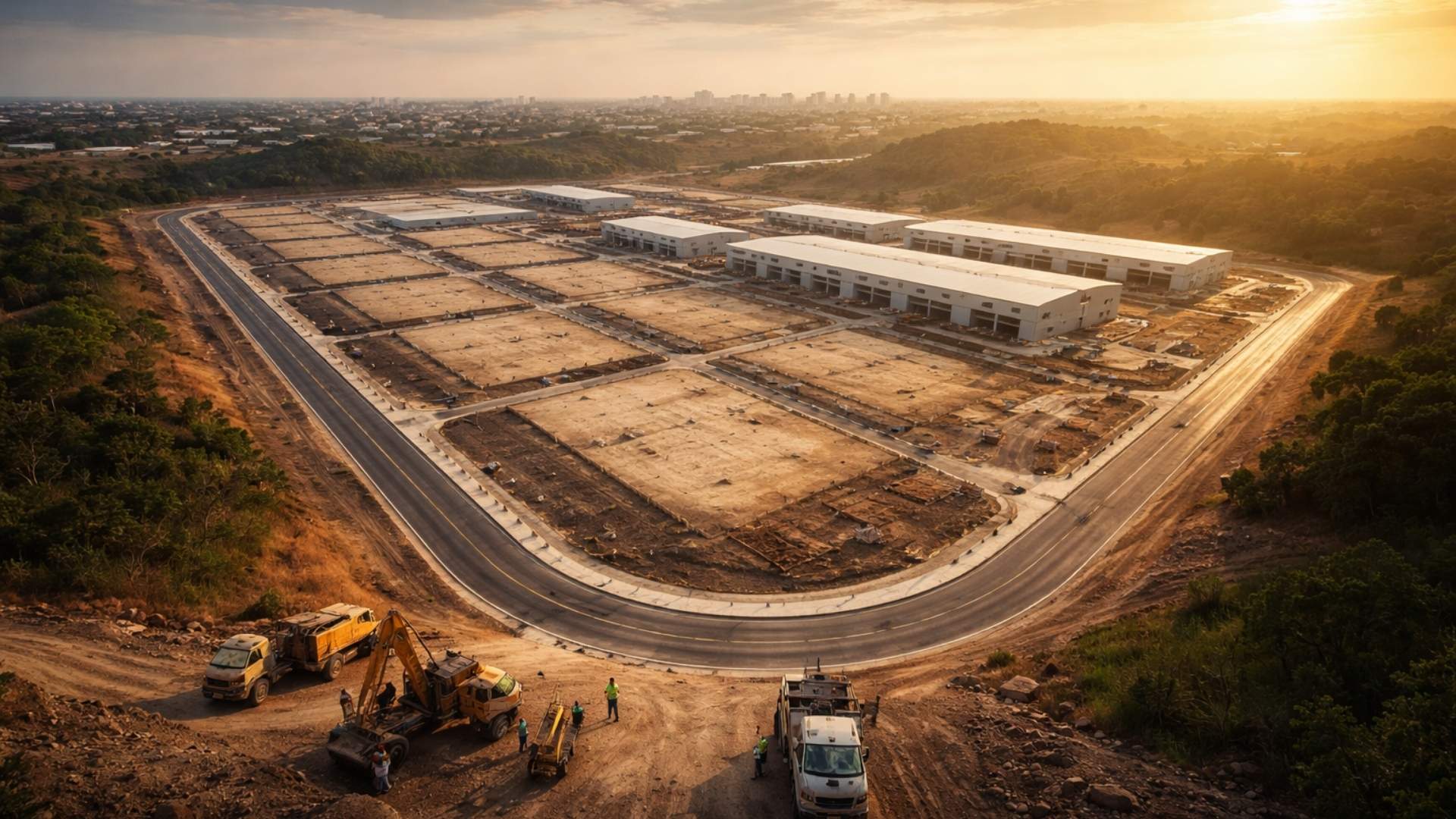
Brazilian city gains industrial hub for 85 companies that is equivalent to 55 football fields.

-
Peugeot and Citroën factory in Argentina cuts production by half and opens a layoff program for more than 2,000 employees after Brazil drastically reduced purchases of Argentine vehicles.

-
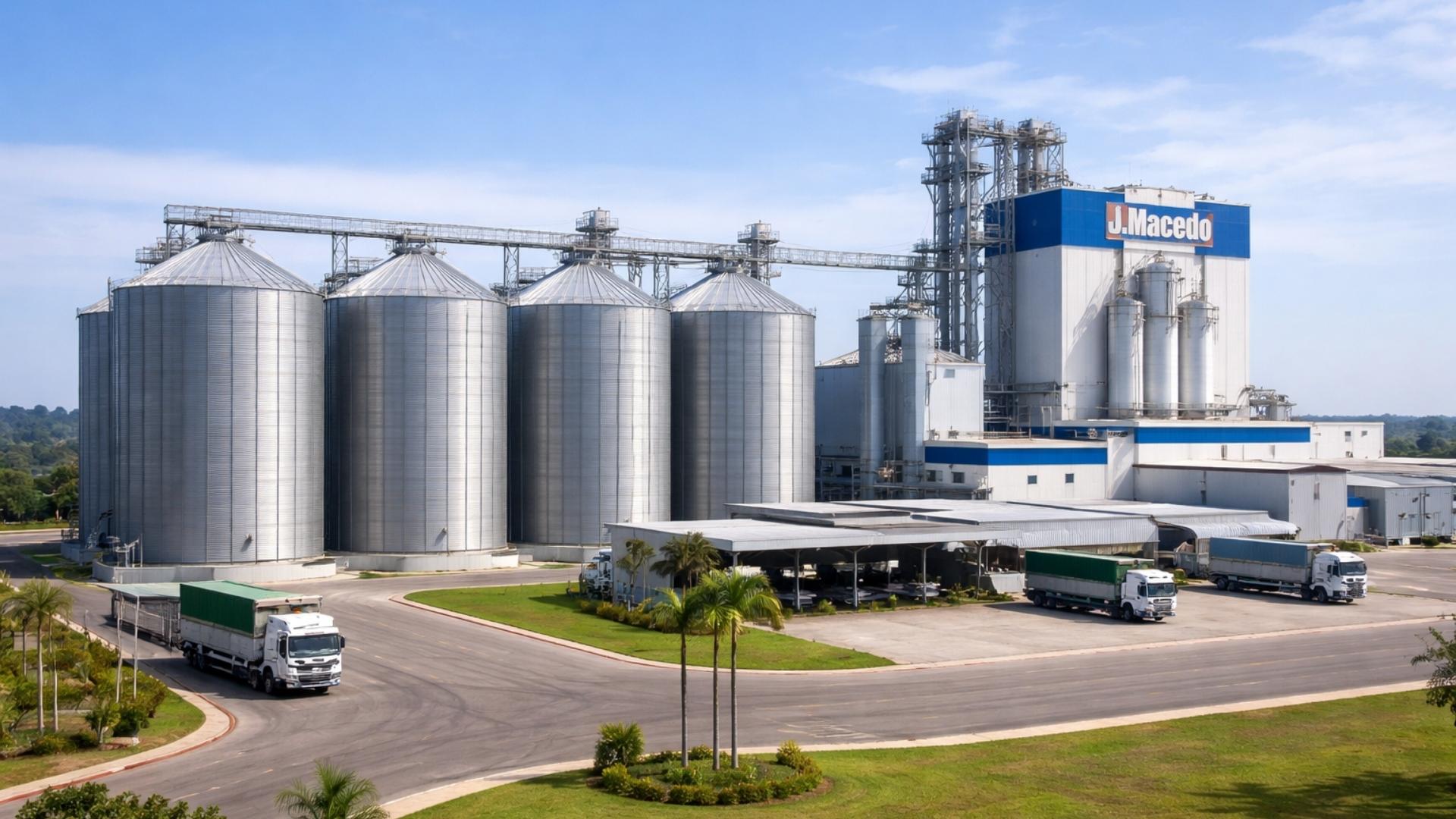
A Brazilian city gains a factory worth R$ 300 million with the capacity to process 200 thousand tons of wheat per year, a mill of 660 tons/day, silos for 42 thousand tons, and an industrial area of 276 thousand m².
-
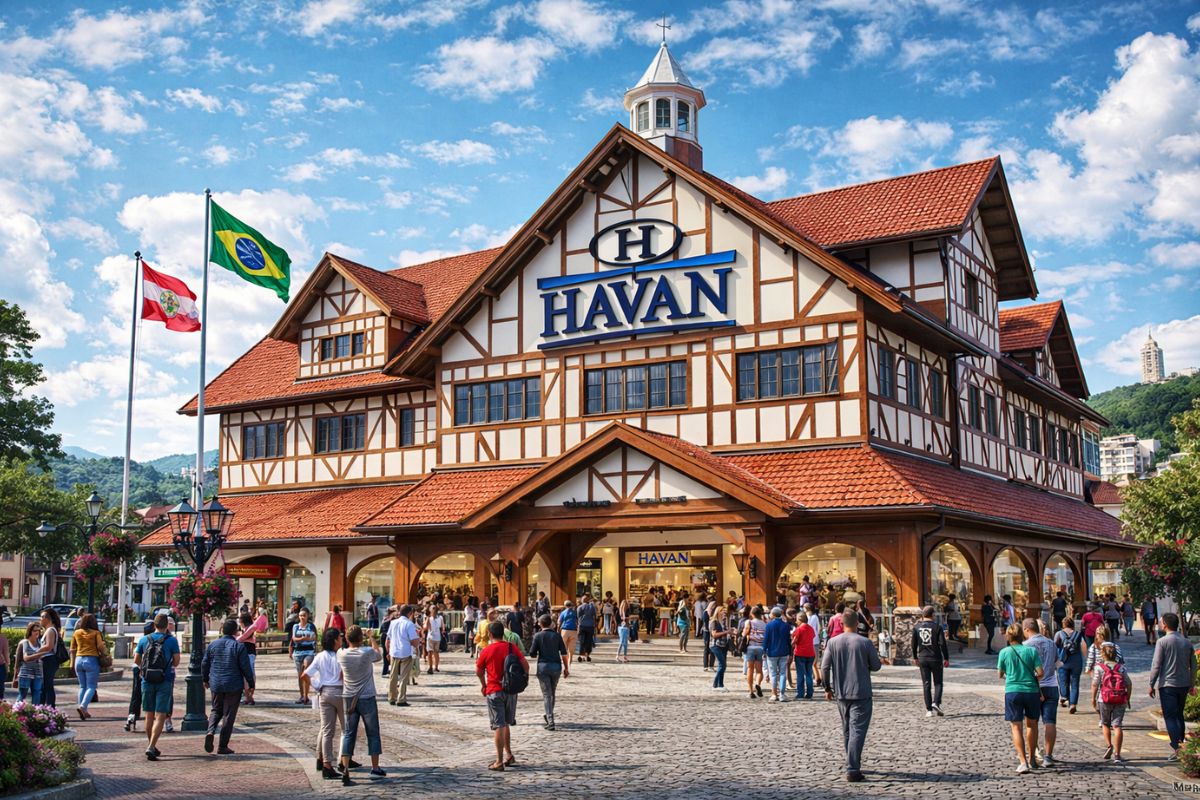
Havan will leave the shopping mall in Blumenau to inaugurate something that the chain has never done before: a megastore in half-timbered style in the Historic Center of the city, which is expected to be completed in May and change the landscape of local retail.

Delivery workers, English students, skilled workers, and families report changing schedules, routes, and even neighborhoods to reduce risks, especially after sunset.
The feeling described by characters in the report is that small groups of Irish youths can turn a food delivery or a simple trip into an episode of physical or verbal violence.
At the same time, the presence of Brazilians in Ireland has never been more visible.
In different regions of Dublin, hearing Portuguese in the streets has become common.
Bars, gyms, beauty salons, and small businesses created by immigrants have become part of the urban landscape.
For experts, this visibility reinforces the economic and cultural role of the Brazilian community, but it also exposes it to conflicts in a context of housing crisis, rising rents, and increasing anti-immigration rhetoric that pressures security in Ireland in areas of greater social tension.
Food Deliverers Become Recurring Targets on the Streets of Dublin

The category of food deliverers concentrates some of the most serious cases.
Giancarlo, a cyclist in Dublin, reports shifts that start at five in the morning and can add up to around 80 kilometers in a single shift, often passing through areas classified as D11 or other problematic areas.
In 2019, he recounts being attacked by a group of men armed with steel rods, who demanded money and knocked him down near a canal.
The episode left physical and psychological scars and redefined his travel criteria.
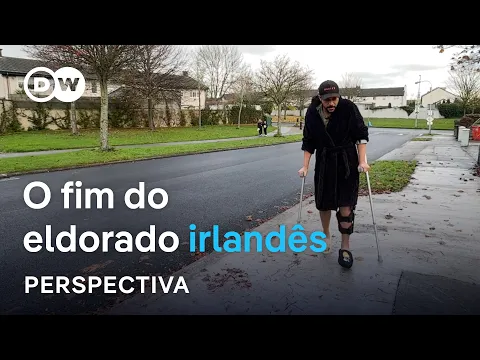
Another emblematic case involves Alan, a former marathon runner who worked as one of the food deliverers in the capital.
In June 2023, he was hit in the face by a metal stick in an attempted bike robbery and ended up needing surgery.
Months later, in October of the same year, he suffered another assault after being knocked down and hit with a garbage bin, resulting in a fractured leg and prolonged recovery time.
The experience led him to leave the country after seven years, reinforcing the perception that security in Ireland is not experienced the same way by those cycling through the peripheries with thermal backpacks.
Cases like these help explain why many food deliverers avoid certain areas at night, only accept orders in quieter neighborhoods, or work exclusively during peak pedestrian hours.
Although authorities and experts point out that it is still a limited number of incidents compared to the total number of daily deliveries, for Brazilians in Ireland who live with the risk up close, statistics matter little when physical integrity is at stake.
Gort Ireland, the “Little Brazil” Between Nostalgia and Alert

Far from the capital, Gort Ireland has established itself as a Brazilian migration laboratory on a small scale.
It was there that, in the early 2000s, a local slaughterhouse hired a large contingent of workers, many from Goiás.
The flow was so intense that by the middle of that decade, nearly half of the city’s population came to be formed by Brazilians.
Today, it is estimated that between 20 and 30 percent of the residents are still Brazilian, keeping the nickname “Little Brazil” alive.
On the streets of Gort Ireland, it is possible to find bakeries, snack bars, markets, and beauty salons run by Brazilians.
Customers converse in Portuguese about nostalgia, remittances to Brazil, and future plans.
Many report feeling a small-town atmosphere, with neighbors greeting each other at the door, despite noticing that the peace is not the same as it was 25 years ago.
Episodes of violence in nearby cities, such as the attack on a Brazilian student in Limerick, about 60 kilometers away, cause residents to follow the news closely.
For consultants mapping the community, Gort Ireland shows that migration is not homogeneous.
The first wave brought slaughterhouse workers, the second students, and the third, starting in 2011, skilled professionals in critical demand areas.
These different trajectories coexist in the same territory, where the feeling of welcome is still strong, but the narrative about Brazilians in Ireland has changed.
What was once just a story of ascension in “little Brazil” now includes conversations about risks, policing, and the limits of security in Ireland even in smaller towns.
Exchange in Ireland is No Longer an Automatic Synonym for Dream and Party
For years, exchange in Ireland was presented to young Brazilians as a rare combination of relatively lower costs compared to other English-speaking destinations, the possibility of working while studying, and the reputation of an open and relaxed people.
Dublin, Cork, and other cities began to receive successive waves of students starting in the mid-2000s, consolidating the country as one of the most sought-after routes to improve English.
Today, the exchange in Ireland still attracts thousands of people, but the picture is more complex.
The housing crisis, with rising rents, means that some of the rooms occupied by students become overcrowded, fueling an internal debate about service overload and pressures on the real estate market.
In parallel, far-right groups began to use isolated episodes of violence to advocate for anti-immigration agendas, as occurred after the attack in November 2023 in front of a school in Dublin.
At the time, Brazilian deliverer Caio Benício was hailed as a hero for restraining the attacker, but the case was also used as a trigger for violent protests in the streets.
Experts in social studies at the University of Galway point out that the recent increase in hostility is mainly linked to the housing crisis and the arrival of large contingents of immigrants and refugees from various backgrounds, not just Brazilians in Ireland.
Still, students considering exchange in Ireland today include in their equation factors such as cost of living, reports of attacks on food deliverers, and the perception that security in Ireland can no longer be treated as a given.
Brazilian Networks and the Sense of Security in Ireland in Dispute
At the same time that concern grows, many points on the Irish map record stories of building successful businesses and cultural projects linked to the Brazilian community.
Caroline, for example, set up a candy business and rents space in a shared kitchen to produce brigadeiros and other pastry items, reconstructing her career abroad that she had in Brazil.
Rosely, in turn, organizes carnival performances, accumulates props and costumes at home, and has even been invited to official events, transforming her own business into a tool for integrating cultures.
According to teachers consulted in the report, the Brazilian community is now a relevant part of Irish society.
It is estimated that one quarter of Brazilians have Irish partners, and there are bars, clubs, gyms, and services that operate almost exclusively with Brazilian public and management.
These positive examples coexist with the narrative of vulnerability faced by Brazilians in Ireland who work in the streets or live in more exposed neighborhoods.
Security in Ireland begins to be perceived as a mosaic: low homicide rates, but failures in visible policing in urban areas, especially in Dublin.
For some public security experts, the country needs to reinforce the Garda’s workforce and increase the presence of police in regular patrolling, with more deterrent power.
The reading is that antisocial behavior has increased in urban centers, even though the situation in smaller towns and rural areas is very different.
In Gort Ireland, for example, the small-town atmosphere and strong community networks help mitigate risks, although reports of fear have become more frequent among mothers, teenagers, and workers returning home late.
Between Official Statistics and Daily Fear, the Future of Brazilians in Ireland
From an institutional point of view, Garda and the Brazilian embassy reiterate that cases of assault against Brazilians in Ireland are being investigated and that many episodes continue to be treated as isolated occurrences.
The absolute numbers are still small compared to the overall immigrant population, but underreporting and the psychological impact of each attack feed the feeling that the environment has become more hostile, especially for food deliverers and young people traveling alone at night.
At the same time, Ireland maintains relatively low crime indicators and continues to attract interest from those planning exchange in Ireland or moving countries in search of opportunity and stability.
The central question for many becomes how to balance the promise of income, study, and international experience with the emotional cost of living in constant alert.
In practice, what is seen is a community in permanent adaptation, divided between the pride of having transformed neighborhoods and cities like Gort Ireland into cultural reference spaces and the fear that new waves of hostility may limit the future of those who work, study, and raise children in the country.
In your opinion, should Brazilians in Ireland continue to bet on the country as a destination for work and study, or is it time to rethink exchange in Ireland in light of the doubts about security in Ireland?









Esses jovens xenófobos desocupados de cargos ou categorias de empregos que eles nao fazem, ou seja, mao de obra escassa, isto ja é uma realidade na Europa há mais de 25 anos, acontece na Inglaterra, areas rurais principalmente, jovens que vivem as custas de avós entre outras desatividades.
Agredir quem trabalha é recalque e crueldade.
Boa noite meu nome é Márcia Borges, sou aqui do Brasil/ São Paulo Capital, fiquei muito chocada com tudo que li sobre os ataques de violência na Irlanda contra os trabalhadores brasileiros, é inadmissível todo esse ataque! Acho que providências devem ser tomadas, pois não se pode cruzar os braços e fazer vista grossa, pois algo tem que ser feito!
Pais bom de se morar o o Brasil.