





 Portuguese
  English
  Spanish
  4 min of reading
  20 comments


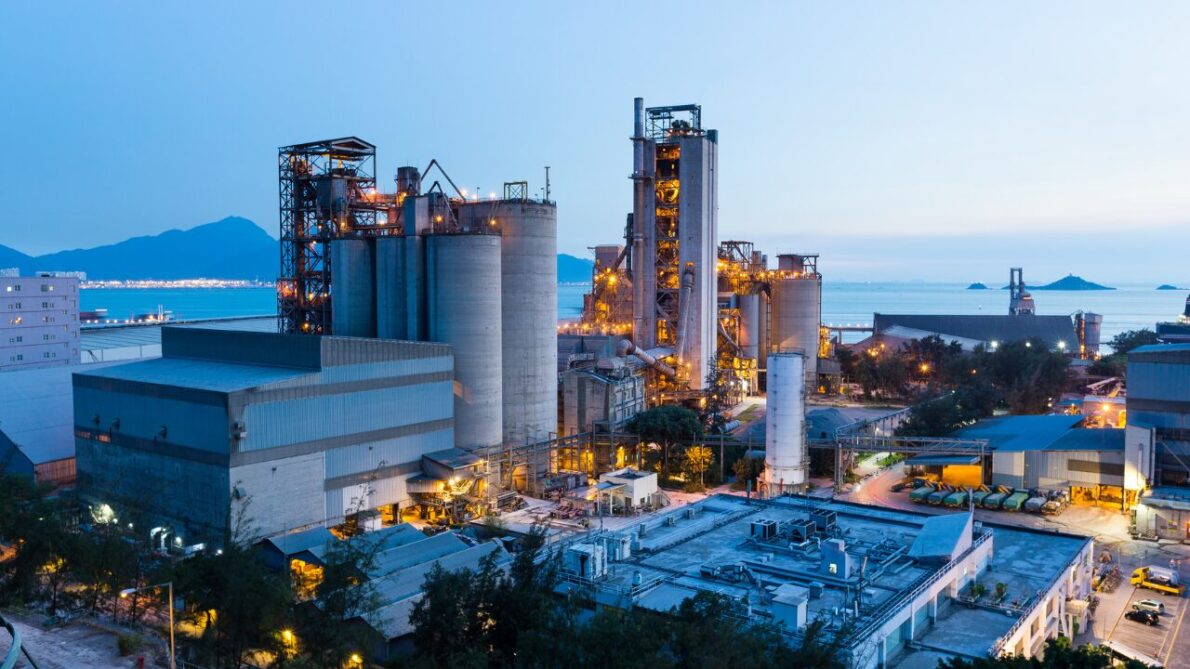

New Investment of R$ 3 Billion in Factory Creates 800 Jobs and Strengthens National Production of Nitrogen Fertilizers.
The city of Sapopema, in Paraná, is preparing to welcome a project that promises to transform the local economy and reduce Brazil’s dependence on fertilizer imports. Paranafert, the company responsible for the project, announced an investment of R$ 3 billion in the construction of a factory for nitrogen fertilizers. With a capacity to produce 520,000 tons of fertilizers per year, equivalent to 7% of national consumption, the new unit aims to meet the agribusiness needs and generate around 800 direct job openings in the region.
Production Capacity and Job Creation at the Factory
The new factory will have an annual production capacity of approximately 520,000 tons of fertilizers, corresponding to about 7% of national consumption.
Additionally, the unit will also produce 13,000 tons of sulfur and derivatives per year.
-
Historic bankruptcy of Centauro shocks the market, and the century-old company puts more than 500,000 products, machines, and complete infrastructure up for online auction.

-
New shoe factory in Ceará is expected to create 400 jobs and strengthen the local economy.
-
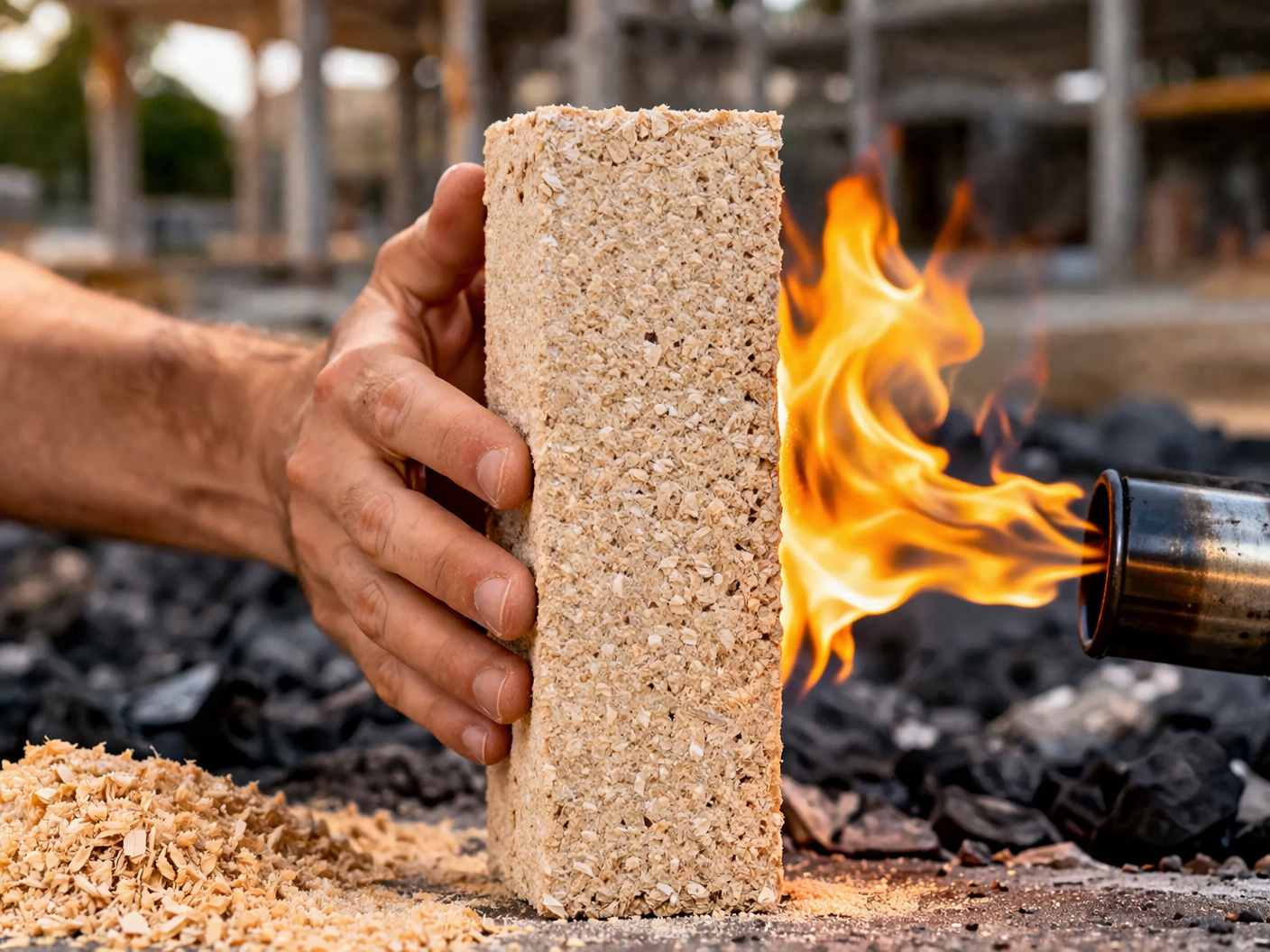
No one imagined it, but a mixture of sawdust with a mineral that fights fires surprises scientists with a result that changes the course of fire-resistant construction.
-
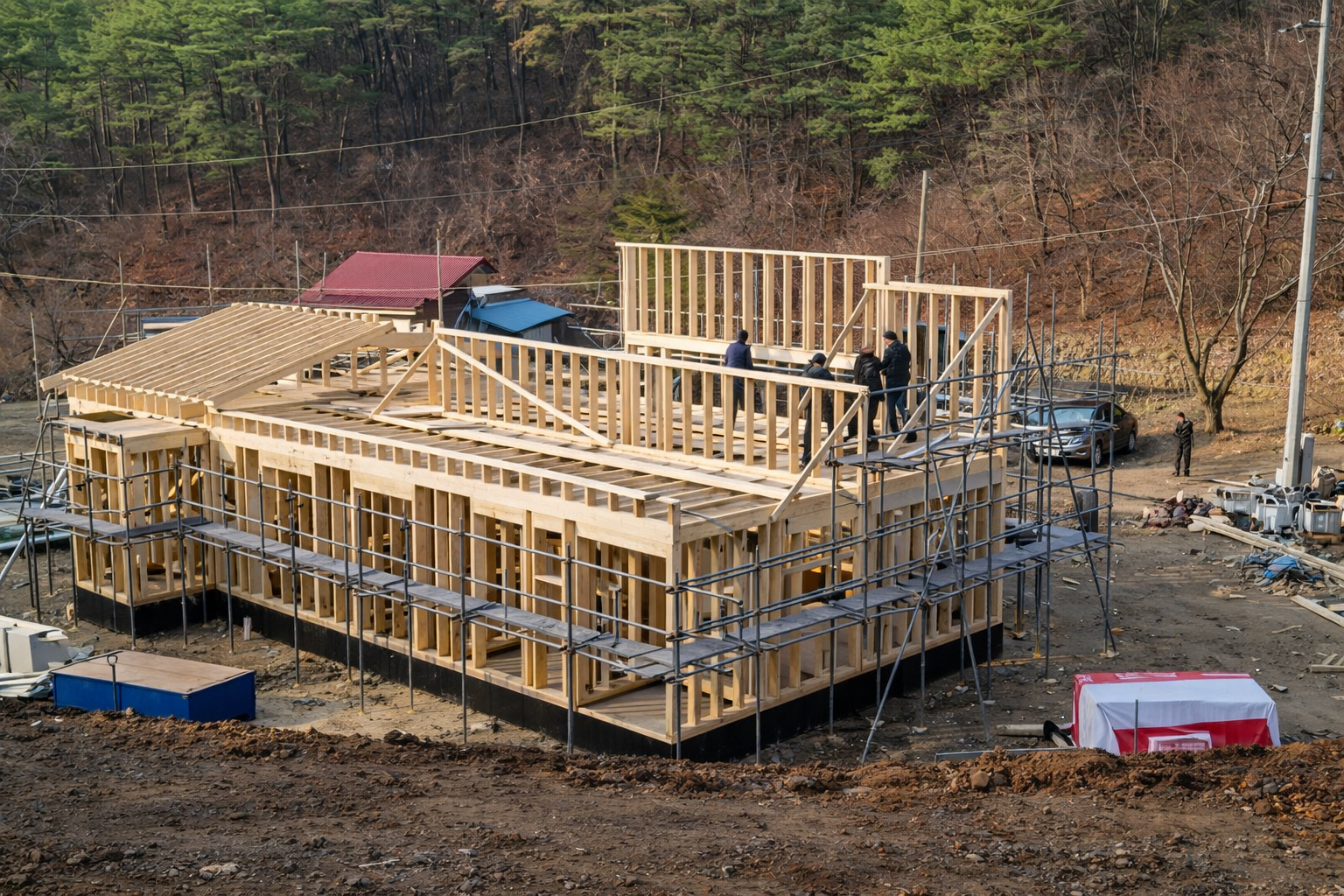
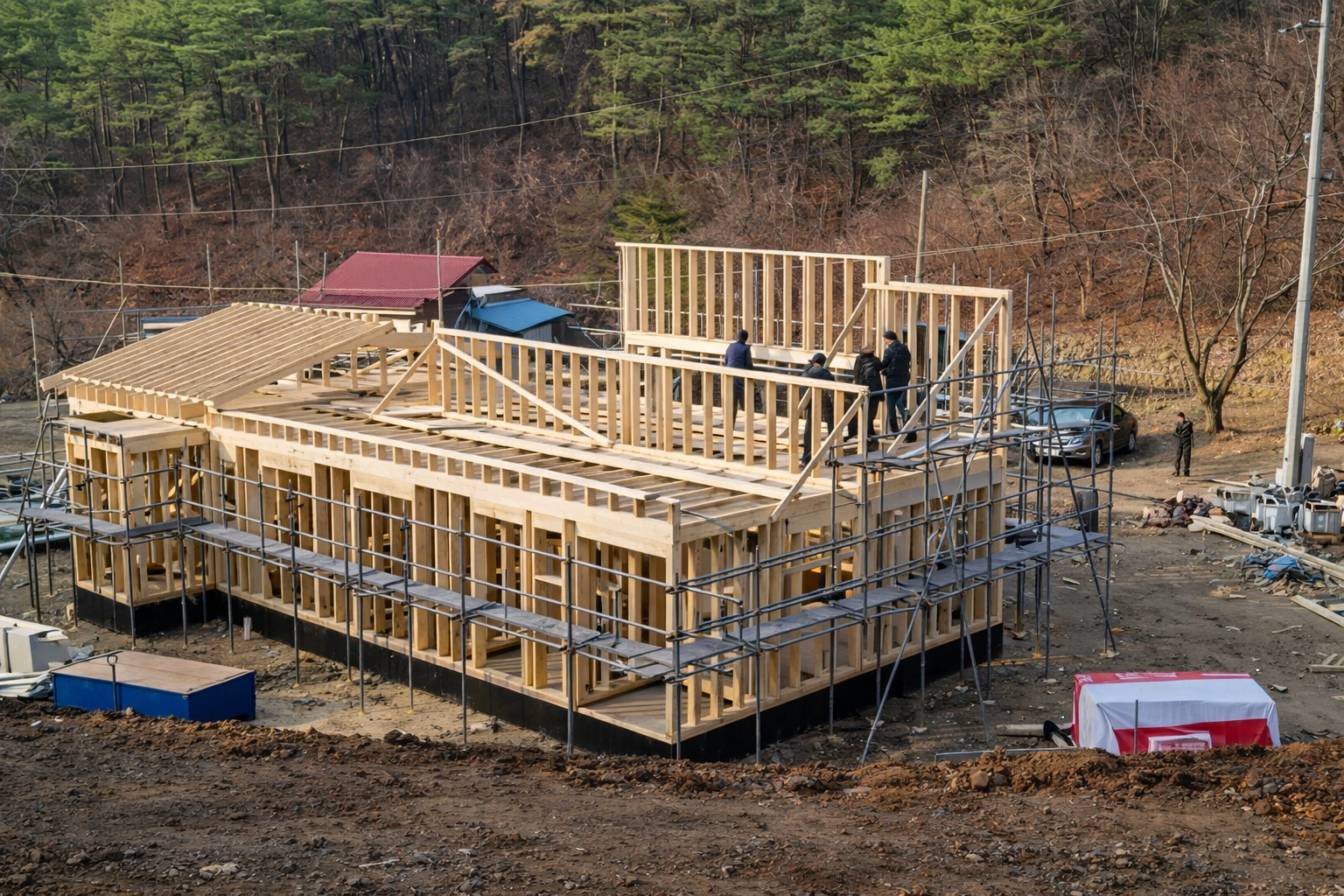
From empty land to a high-end house, wooden construction uses a lightweight system, metal structure for the foundation, ventilated ceramic cladding, and special windows to create an efficient and comfortable living space throughout the year.

This increase in national fertilizer production is considered a significant advancement for Brazilian agribusiness, especially at a time when the country aims to reduce its dependence on imports.
Currently, Brazil is the world’s largest importer of fertilizers, with about 86% of its needs met by other countries.
The high demand for fertilizers, driven by agribusiness, makes the new factory in Sapopema even more relevant.
The expectation is that local production will help stabilize the internal market and ensure greater security in the supply of essential inputs for agriculture.
The construction project for the factory also brings an important perspective for job generation in the region.
The estimate is that around 800 direct job openings will be created during the installation and operation process of the unit.
These jobs will represent a significant opportunity for residents of Sapopema and neighboring municipalities, in addition to contributing to the region’s economic development.
Construction Schedule
The schedule for the project foresees that obtaining the necessary environmental licenses and other legal authorizations for the construction of the factory will occur within one year.
After this phase, the construction should be completed in an additional period of two years.
This planning highlights the importance of an efficient environmental licensing process, which is being conducted by the Water and Land Institute (IAT), with support from the state government.
According to José Luiz Scroccaro, president of the IAT, discussions with Paranafert are already underway to ensure that all environmental requirements are met.
The agency requested from the company the Simplified Environmental Report (RAS), which will allow for a detailed analysis of the environmental impact of the new factory.
“We are awaiting the project’s details to proceed with the issuance of the installation license,” Scroccaro stated.
Sustainability in Fertilizer Production
The production of nitrogen fertilizers, such as urea, is essential for plant growth and, consequently, for increasing agricultural productivity.
Urea, in particular, is widely used worldwide as a source of nitrogen for agricultural crops.
The factory in Sapopema will utilize coal gasification technology, a technique already employed in countries such as China, India, and South Africa.
This technology is considered advanced and efficient, and allows for a more sustainable management of fertilizer use.
When applied appropriately, urea contributes to healthy plant development, with fewer inputs and less environmental impact.
The state secretary of Sustainable Development, Everton Souza, highlighted the importance of this production model, which, according to him, enhances the use of Paraná’s natural resources and reduces the dependence on imports.
The investment in the Sapopema factory is also aligned with the National Fertilizer Plan (PNF/2050), approved by the National Council of Fertilizers and Plant Nutrition (Confert) in 2023.
This plan establishes that national fertilizer production must be capable of meeting between 45% and 50% of the national demand by 2050.
In this context, the new factory in Paraná is seen as a strategic step towards achieving this goal.
Expectations for the Future of the Factory
Governor Ratinho Junior emphasized the positive impact that the investment will bring not only to Sapopema but to all of Paraná.
He highlighted that the factory will help the state and the country to rely less on imported fertilizers, in addition to boosting regional economic development.
“This is a project that brings benefits to the entire agribusiness chain and to the local economy. We are creating job opportunities and strengthening our productive capacity,” the governor stated.
The meeting also included the presence of other authorities, such as Vice Governor Darci Piana, State Secretary of Planning Guto Silva, and deputies Luísa Canziani and Luiz Claudio Romanelli.
All expressed support for the project and emphasized the importance of ensuring an agile and transparent licensing process for the factory’s installation.
The construction of the nitrogen fertilizer factory in Sapopema represents a milestone for Brazil’s agricultural sector. With a billion-dollar investment, the creation of hundreds of jobs, and a production capacity that will meet a large part of the national demand, the project is seen as a necessary boost to reduce import dependence and strengthen the national agribusiness.








Pessoal! Eu trabalhei em uma planta da petrofértil no triângulo mineiro em 2016 na cidade de Uberaba, no projeto de fertilizante nitrogenado, que já tinha essa visão de ser auto suficiente na produção desse fertilizante e não mais depender da importação. Essa meta visava também uma questão de soberania nacional Jaque teríamos segurança na utilização desse produto em nossos campos de produção do agro negócio. Mais por falta de alinhamento político o projeto foi embargado e até hoje está estagnado lá.
É um ciclo incontestável de investimentos no Brasil. Está de parabéns o governo Lula, que além de ser o responsável pelo maior Plano Safra da história, ainda da estabilidade institucional ao país.
No passado o saudoso Antônio Ermínio de Morais do Grupo Votorantim dizia : “Os estrangeiros têm a tecnologia e dinheiro, o Brasil tem água e alimentos”.