





 Português
  Inglês
  Espanhol
 4 min de leitura
  0 comentários


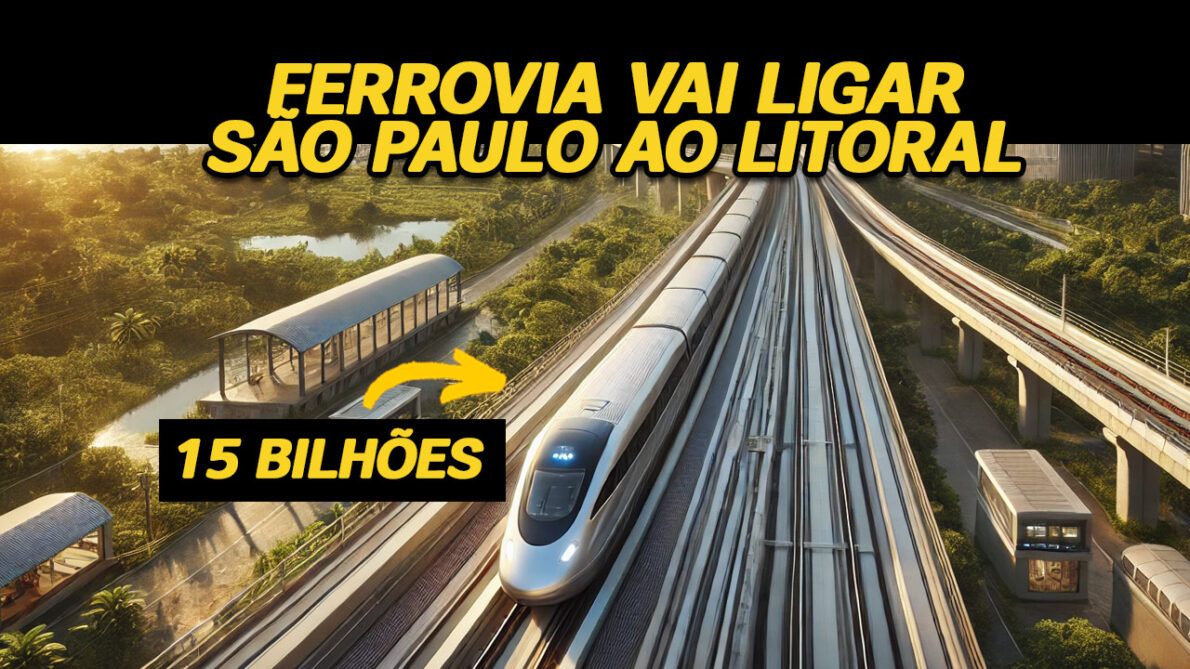
R$ 15 Billion Train That Will Connect São Paulo to the Coast Promises to Change Transportation for 1.8 Million People.
For years, the connection between São Paulo and Baixada Santista has been synonymous with long hours in traffic, especially during peak season.
Now, the São Paulo government is launching an ambitious promise: an intercity train that promises to change the dynamics of mobility between the capital and the coast.
With a surprising budget of R$ 15 billion, the project already has a start date: 2026. But will it be able to overcome the challenges that large construction projects face in Brazil?
-
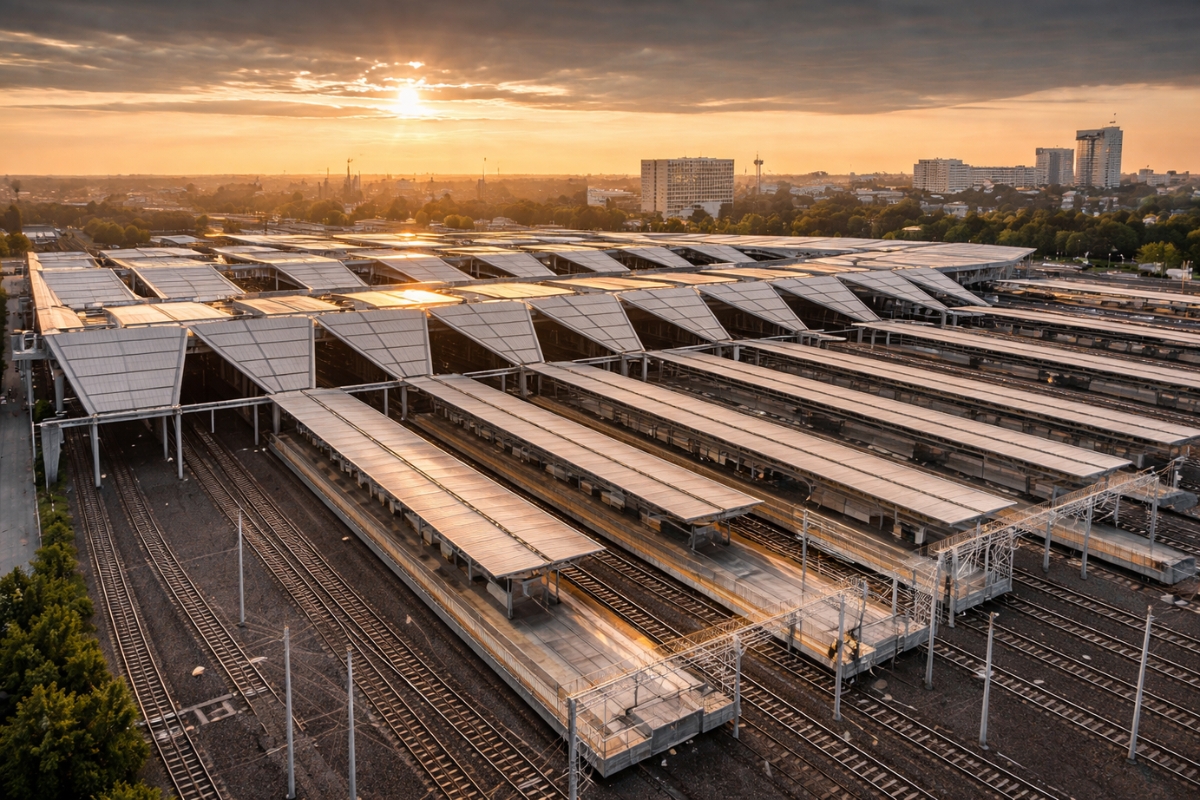
In A European City, The Country’s Largest Railway Junction Was Modernized Without Closing Its Doors, Kept Trains Running During Years Of Construction, Now Serves Up To 60,000 Passengers Per Day, And Installed Solar Panels That Generate About 30% Of Its Energy
-
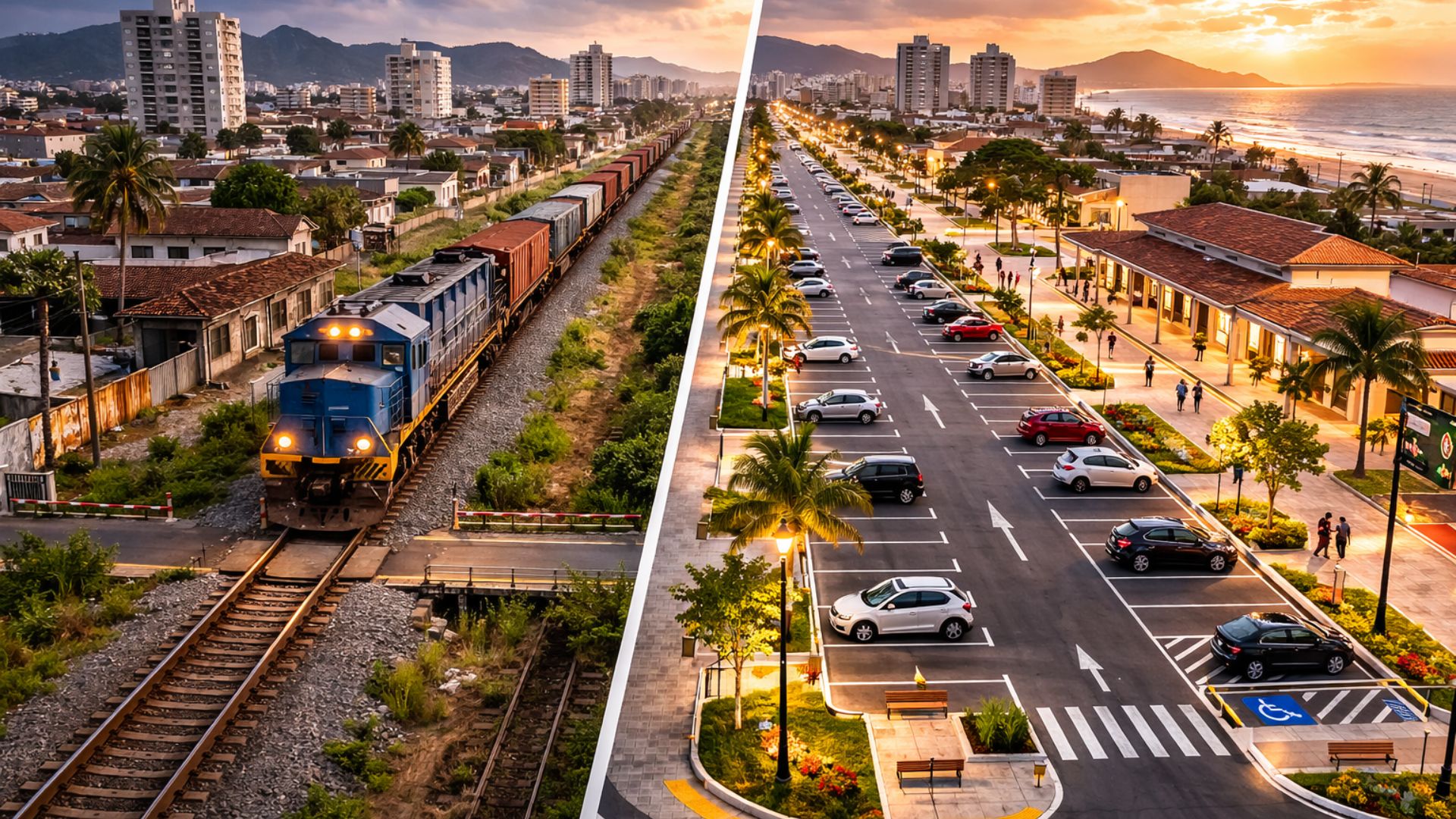
Famous Brazilian Railway May Become a Parking Lot
-
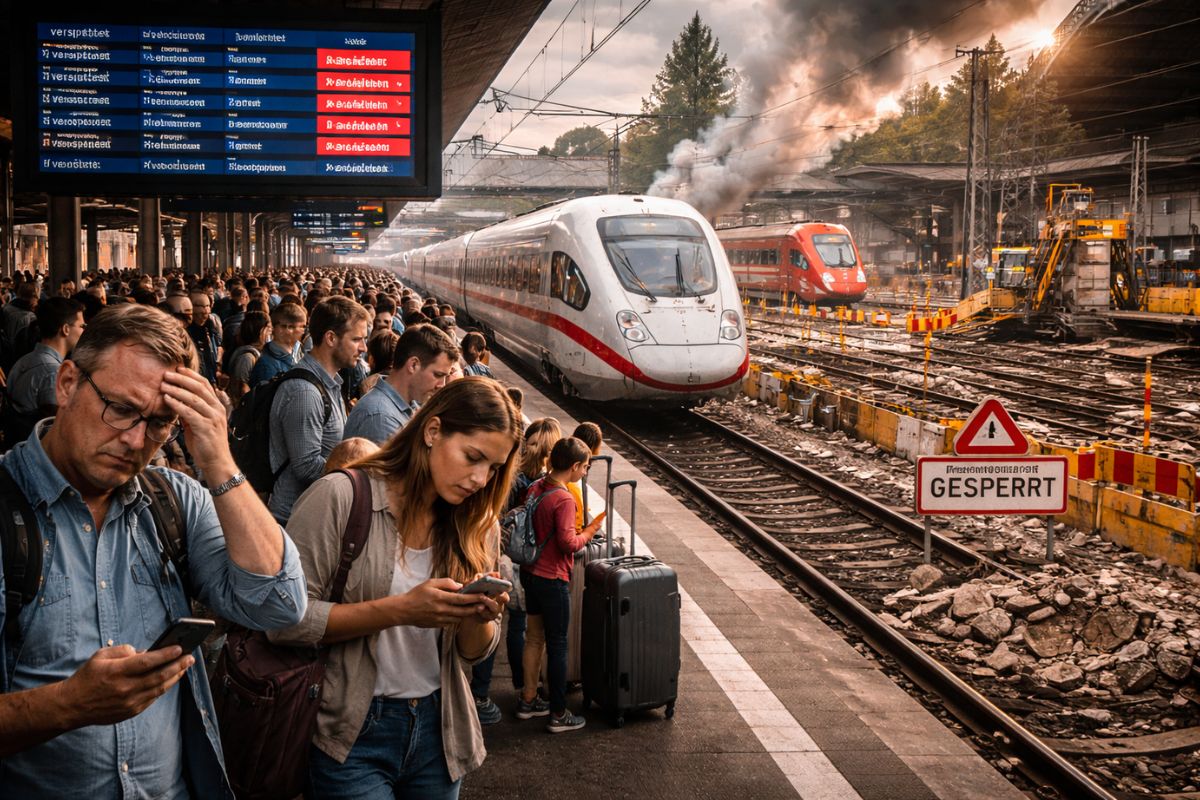
The Country of “Punctual As a Train” Admits It Has Lost Control: High-Speed Trains Delay, Stop, Disappear from the Map and Turn 6-Hour Trips into 10, While Deutsche Bahn Promises Restructuring in 2026 But Faces 19th Century Infrastructure, Staff Shortages and Sections Closed for Months
-
With an Investment of R$ 700 Million in One of the Country’s Main Rail Networks, VLI Reinforces Infrastructure, Receives 8 New Locomotives, and Expands the Corridor Connecting 7 States, Boosting Jobs and the Transportation of Grains, Ore, and Oil Products to the Port of Santos
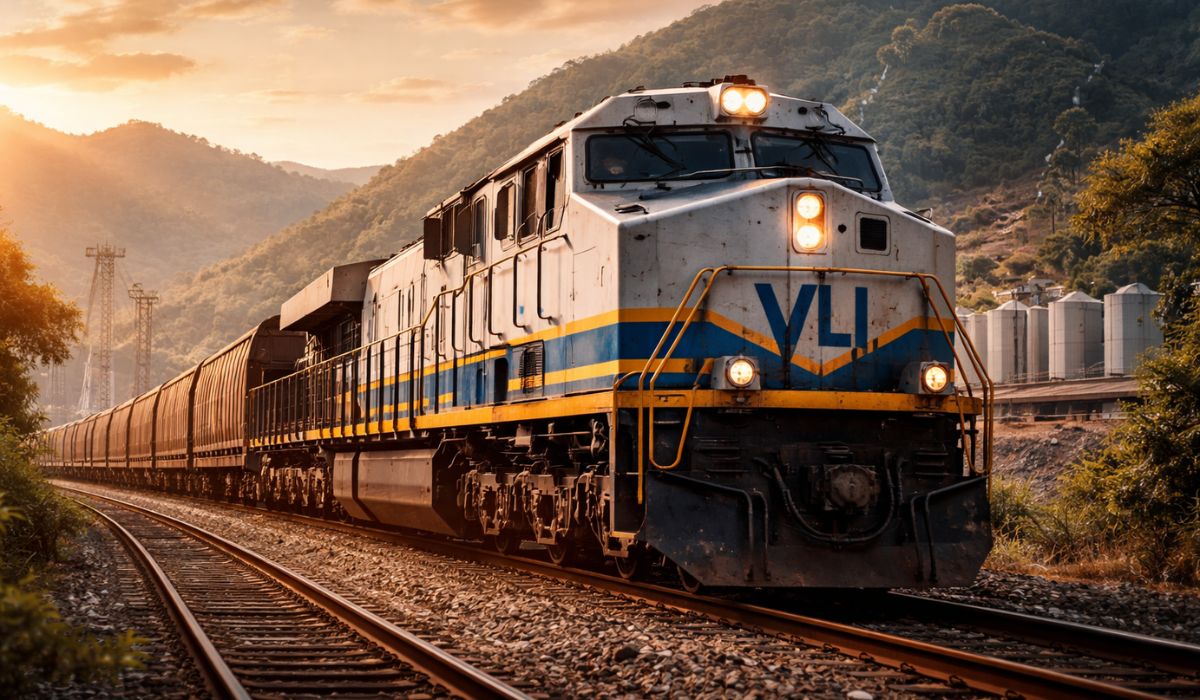

The Intercity Train (TIC) Southern Axis, which will make the railway connection between São Paulo and the Coast, is one of the state government’s bets to alleviate traffic in the traditional Anchieta-Imigrantes System and offer a new transportation option.
The project, which will directly benefit nine municipalities, is in the feasibility studies and business modeling phase.
According to Tarcísio de Freitas’s administration, the train will serve 1.8 million people and generate 13,000 direct jobs during construction.
The Train That Could Revolutionize Transportation in the State of São Paulo
According to the state government, the TIC Southern Axis will be an alternative to the chaotic traffic that connects the São Paulo Metropolitan Region to the coast.
The route could be between 80 and 130 kilometers long and will take 90 minutes to complete.
The great expectation is that the train will succeed in attracting those who, until now, have relied exclusively on highways.
If completed by 2026, as planned, the commercial launch of the TIC is expected to occur in 2027, providing a fast and modern solution for over 1.8 million people.
The project is estimated at R$ 15 billion, a staggering amount, but considered essential for transforming the state’s transportation infrastructure.
According to the government, in addition to mobility benefits, the project is expected to directly impact the economy by creating thousands of jobs.
Investment in rail transportation, especially with the increase of people traveling to the São Paulo coast, is seen as an urgent necessity. The feasibility of routes is still being studied, with three possible routes under analysis.
More Projects on the Radar of SP Nos Trilhos
In addition to the TIC Southern Axis, other rail transportation projects are on the agenda of the recently launched SP Nos Trilhos program.
One of them is the TIC Eastern Axis, which will connect São Paulo to São José dos Campos and other cities in the Vale do Paraíba, directly benefiting four municipalities and an estimated population of 2.7 million people.
The feasibility study is also underway, but the completion deadline is the same as for the TIC Southern Axis: 2026.
Another significant project is the TIC Western Axis, which will connect to the city of Sorocaba.
With a length of 100 kilometers, the project will have four new stations and an estimated investment of R$ 10 billion.
The auction for the Western Axis is scheduled for the second half of 2025, and the journey is expected to take only one hour.
For Baixada Santista, the government has also included the expansion project for the VLT (Light Rail Vehicle) on the priority list.
Sections 2 and 3 of the VLT have an estimated cost of R$ 1 billion and will cover a distance of 15 kilometers, directly benefiting the cities of Santos and São Vicente.
These branches, in addition to increasing the transportation supply for the local population, are expected to provide another option on the already known route between Santos and São Paulo.
The Challenges Ahead
While the schedule appears promising, the history of railway projects in Brazil leaves many doubtful about the success of these promises.
The Anchieta-Imigrantes System, despite being efficient, suffers from constant congestion, and rail transport is viewed as a promising alternative to alleviate the flow.
However, experts point out that large projects in Brazil face challenges that go beyond initial planning.
According to data from September 2024, the feasibility studies and negotiations with investors are still ongoing.
Will There Be Enough Time for Completion by 2026?
Many Brazilians are eager to see if the train will truly become a reality or just another forgotten promise.
The Intercity Train promises to be a landmark in São Paulo’s transportation infrastructure, but will it manage to break the curse of large projects in Brazil?
The future of transportation between São Paulo and the Coast is at stake, and the coming years will be decisive in determining if the dream of a fast and efficient train will become a reality.
And you, do you believe this promise will be fulfilled or will it remain on paper? Comment below and share your opinion!









Seja o primeiro a reagir!