





 Portuguese
  English
  Spanish
  3 min of reading
  0 comments


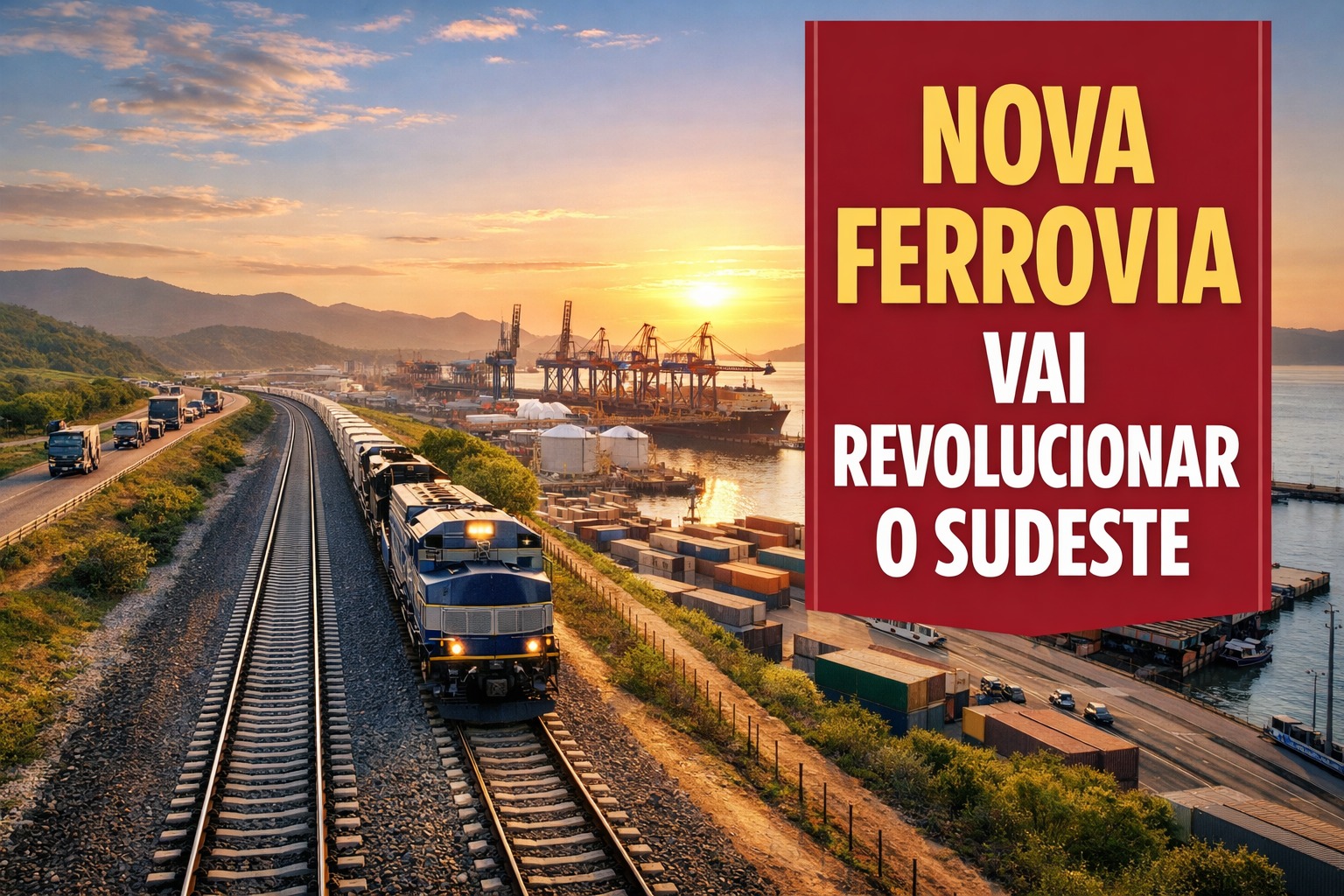
Logistical and Economic Impact of the New 575-Kilometer Railway, Evaluated at R$ 4.5 Billion, After Unanimous Technical Assessment, with Port Integration, Transport Cost Reduction, Regional Competitiveness Increase, and Expectation of Structural Transformation in Southeastern Brazil
A large-scale railway project, spanning 575 kilometers, has advanced in the Southeast after receiving unanimous technical approval, connecting Espírito Santo to Rio de Janeiro, focusing on logistics, port integration, and a planned concession.
Technical Assessment and Detailed Institutional Proceedings of the Railway Project Approved Unanimously, with Formal Sequence of Analyses, Defined Regulatory Deadlines, and Expectation of Publication of the Concession Notice
The Technical, Economic, and Environmental Feasibility Study received unanimous approval from the National Land Transportation Agency, allowing the project to be sent for analysis by the Federal Court of Accounts.
With the completion of this stage, the official schedule foresees the publication of the concession notice in March 2026, a milestone considered crucial for attracting private investors.
-
A new law being voted on in Brazil proposes a minimum fare of R$ 10 per trip and R$ 2.50 per kilometer for Uber and 99 drivers, and promises to ensure they earn as well as taxi drivers did during the golden age of taxis in the country.

-
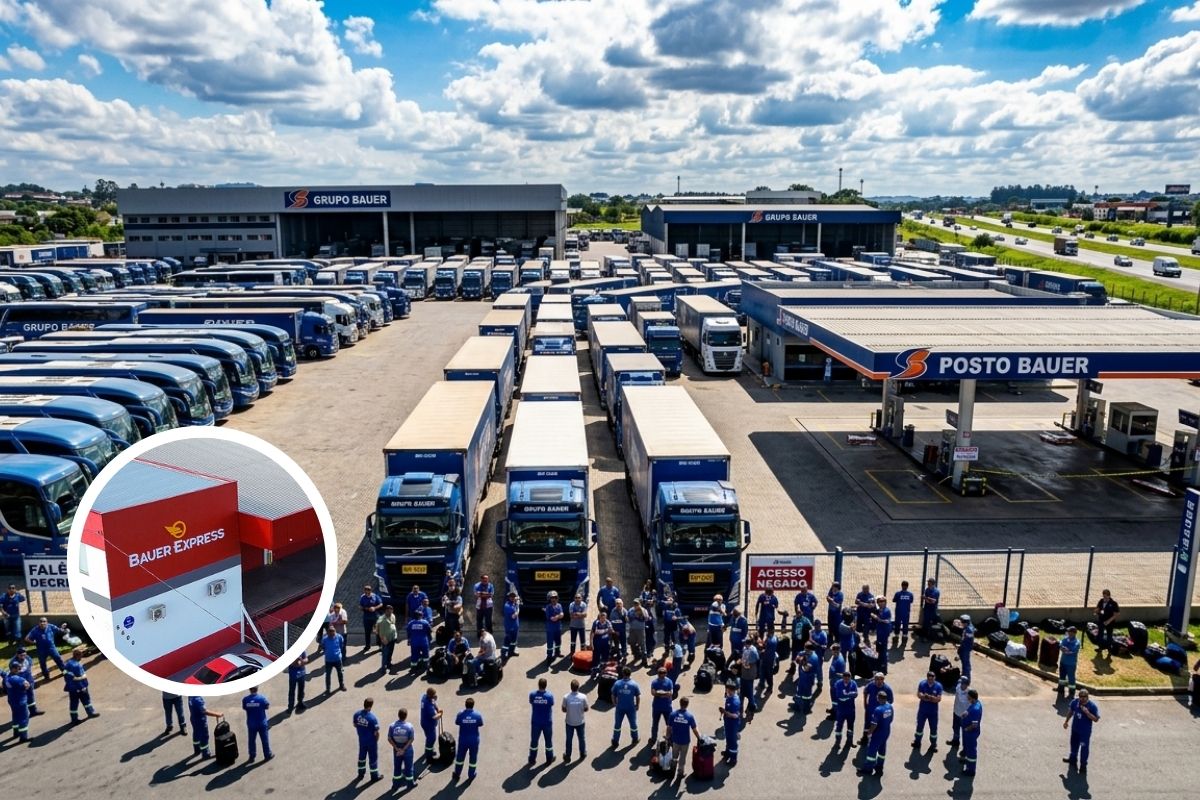
Bauer Group collapses after failed judicial recovery: 25 years, 800 vehicles, and a network of gas stations leave a debt of R$ 50 million and 100 layoffs, exposing costs, tight margins, and expensive credit in Brazil.
-
Premium Brazilian brand born during the pandemic brings fine cocoa from Bahia to Switzerland, Germany, and France, has won 9 awards, and claims to have the 2nd best milk chocolate in the world: meet Luz Cacau.

-
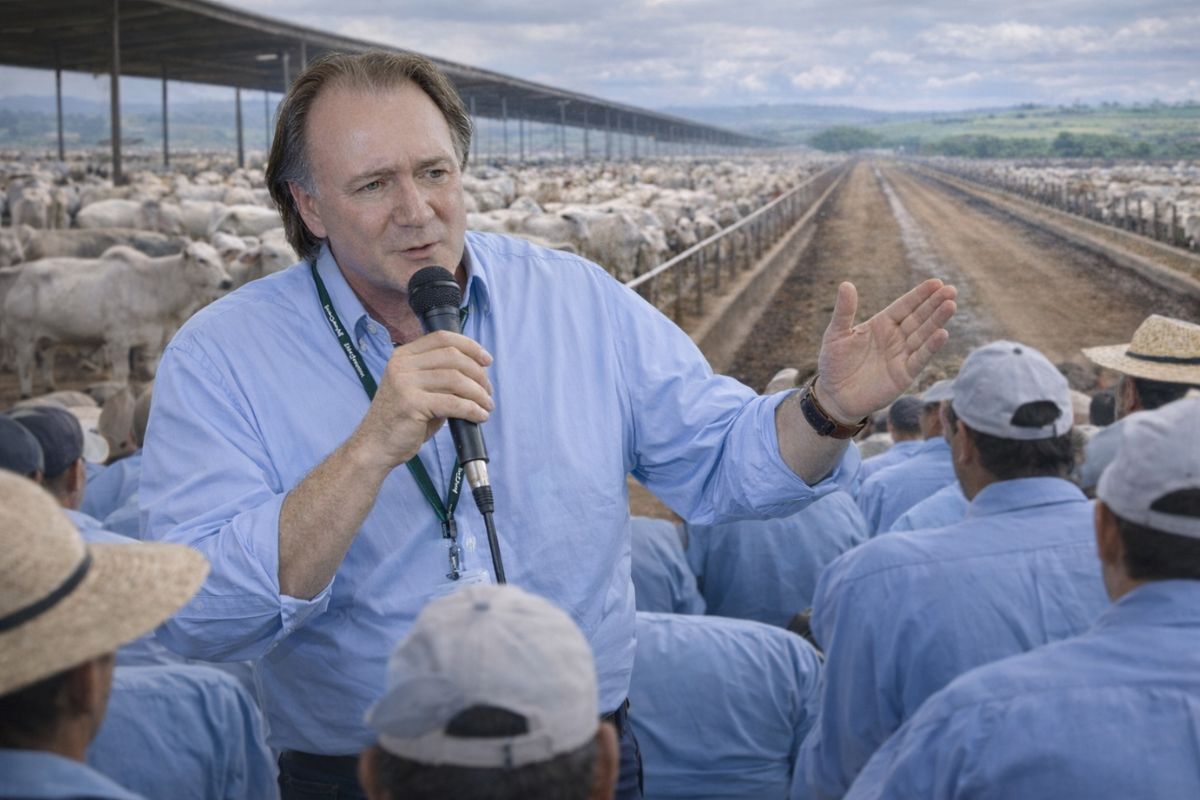
Júnior Friboi has just purchased one of the largest feedlots in all of Brazil, located in Goiás, with the capacity to produce 180,000 cattle per year, and the manager has already come forward to reassure employees about layoffs.

The proposal establishes a structured concession model to make the railway feasible, maintaining regulatory predictability and reducing initial risks associated with the implementation of the venture.

Division into Two Operational Stages to Reduce Construction Risks, Prioritize Strategic Segments, and Economically Enable the Railway from the Initial Phase of the Venture
The construction of the Southeastern Railway Arch has been organized into two distinct stages, a strategy adopted to facilitate execution and minimize technical risks.
The first phase is considered essential to unlock the economic potential of the project, focusing efforts on the most strategic segment of the route.
This initial segment will be approximately 250 kilometers long, connecting Santa Leopoldina in Espírito Santo to São João da Barra in northern Rio de Janeiro.
The endpoint of this segment will be the Porto do Açu, chosen for its logistical relevance and operational capacity.
Port Integration, Service to Productive Areas, and Expected Impact on Logistics Cost Reduction for Agricultural and Mineral Freight Transported by the New Railway
Porto do Açu is identified as the main logistical hub of the railway, being one of the largest private terminals in Latin America.
In addition to the direct port connection, the route will serve agricultural and mineral producing regions, expanding options for drainage and efficiency in transportation.
The expectation is that the new railway will contribute to reducing logistics costs, improving deadlines, and increasing the competitiveness of the productive chains served.

Concession Model Estimated at R$ 4.5 Billion, Criterion of Minimum Public Support and Financial Complementation through Investments Secured in Advance
The concession auction is estimated at R$ 4.5 billion and will adopt a novel model based on the lowest amount of public support requested.
This format aims to increase competition among interested parties, balancing economic returns and the necessity for state investment in the railway project.
There are also investments secured through contract renewals of other railways, which complement the financing and reinforce the feasibility of the venture, even after the initial technical approval.
With information from Diário da Região.




-

Uma pessoa reagiu a isso.