





 Portuguese
  English
  Spanish
  3 min of reading
  0 comments


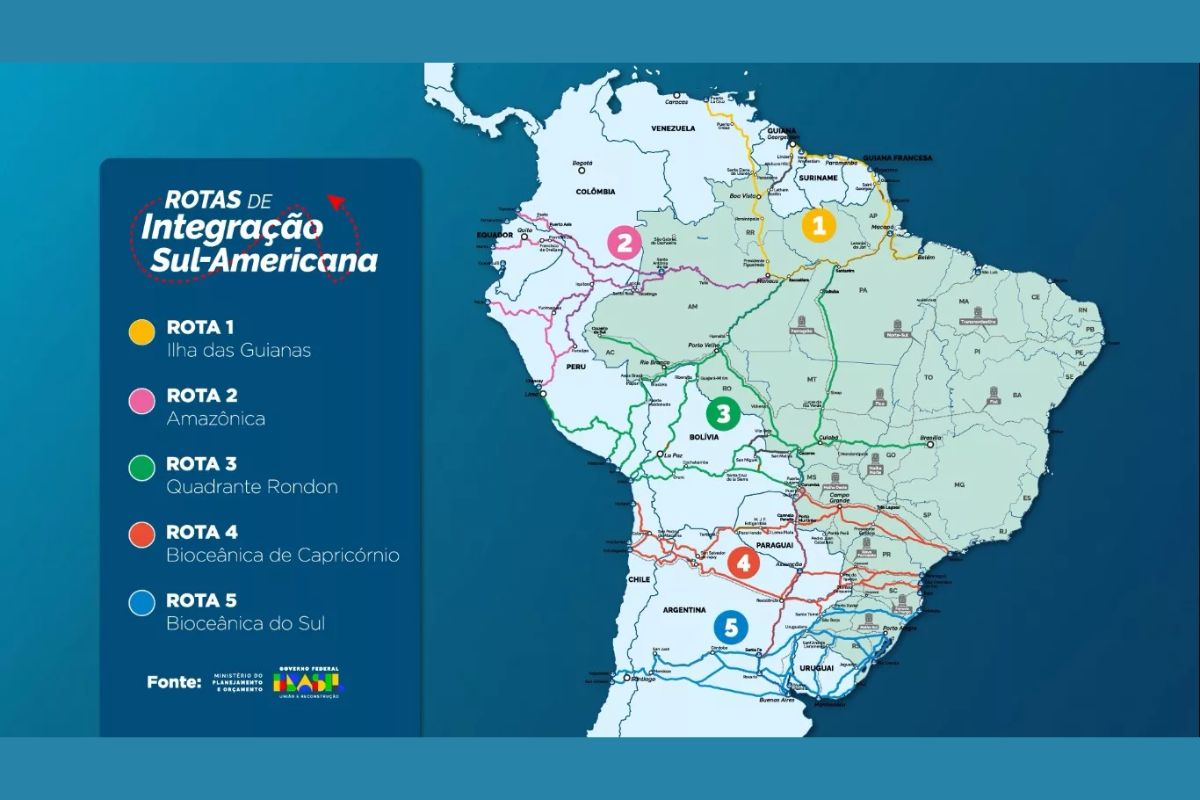
Understand How the Megaproject With 190 Works in Brazil, the Integration Routes, Will Connect the Country to the Pacific, Reduce Export Costs, and Boost the Economy of 11 States.
The Brazilian government is bringing to life one of the most ambitious infrastructure plans of recent decades: the South American Integration Routes. This is a megaproject with 190 works in Brazil, designed to connect the country to 11 neighboring nations, creating new logistics corridors that promise to revolutionize foreign trade and regional development.
Led by the Ministry of Planning and Budget (MPO), under the leadership of Minister Simone Tebet, the initiative aims to go far beyond the simple paving of roads. The plan envisions a multimodal integration, with investments in railways, waterways, ports, and airports, with the strategic goal of creating outlets to the Pacific Ocean. This should shorten distances, lower freight costs, and increase the competitiveness of Brazilian products, especially agribusiness, in the Asian market.
What Are the Integration Routes?
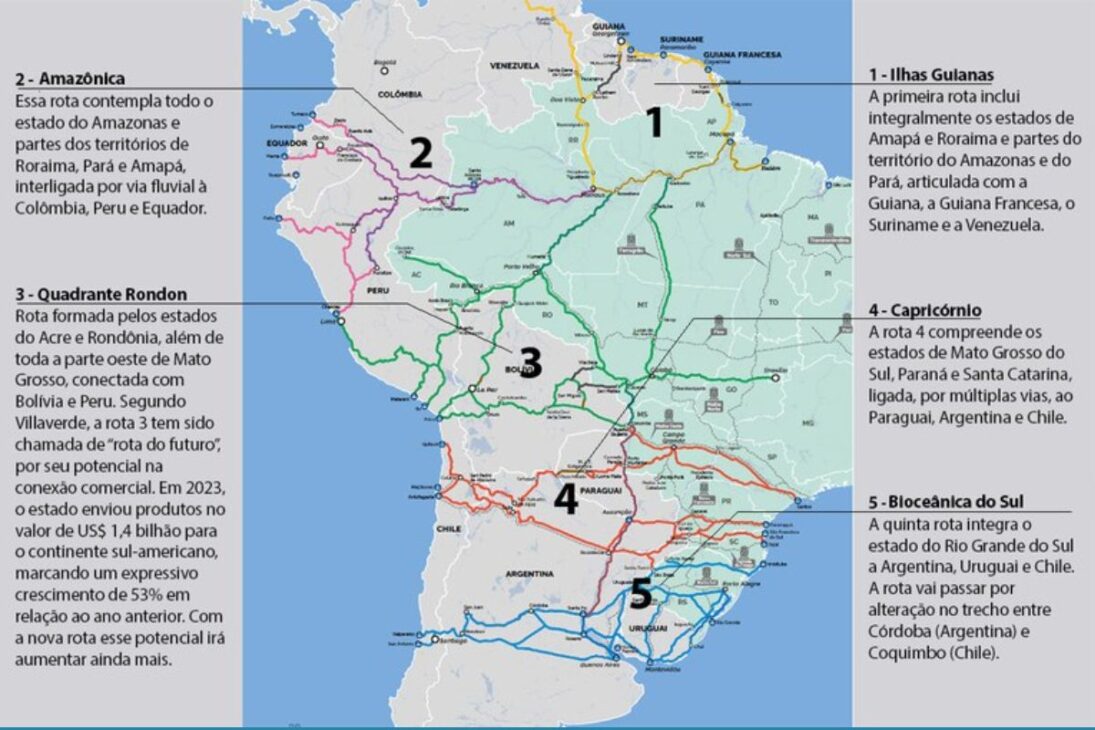
The megaproject with 190 works in Brazil has been structured into five major axes, each with a specific geographic and economic focus. The idea is to create routes that optimize the flow of production and strengthen commercial ties with neighboring countries. The 190 works were selected from over 9,700 projects from the New PAC (Growth Acceleration Program).
-
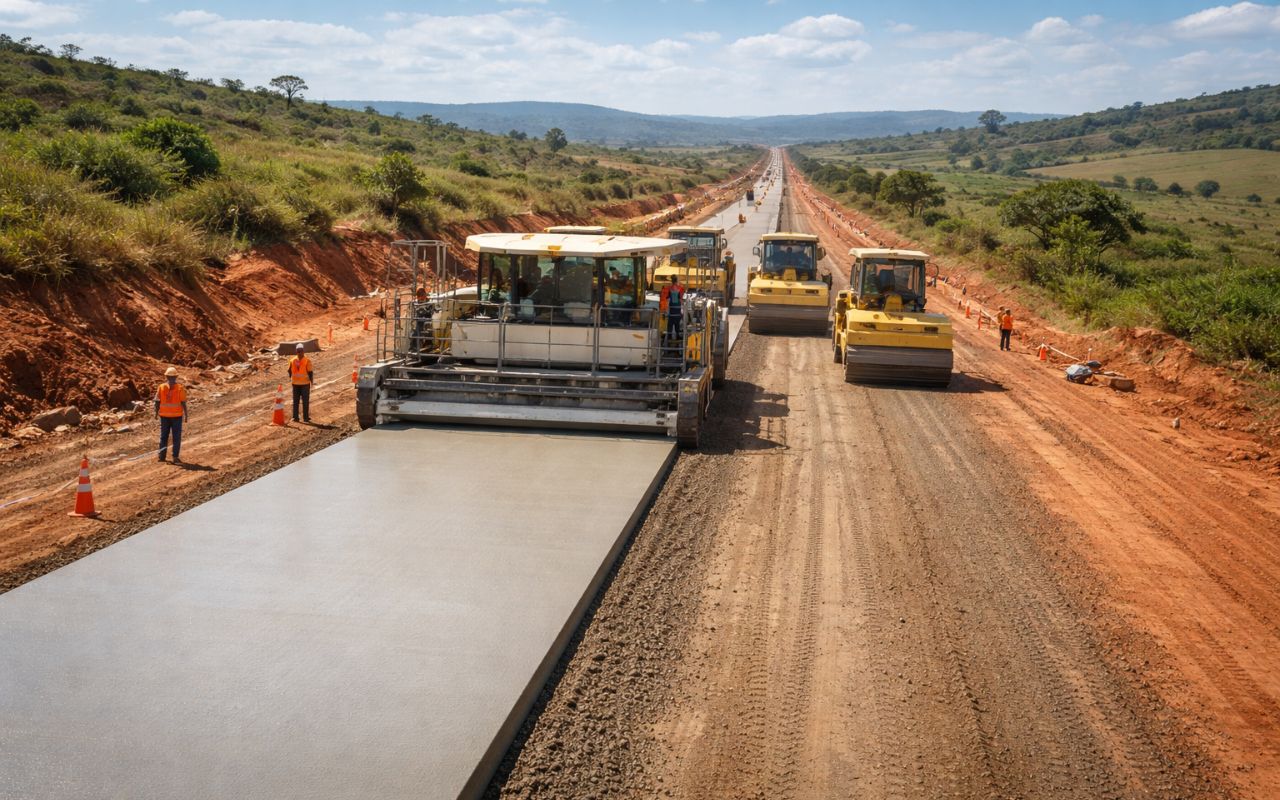
New CCR concrete paving technology promises roads up to 3x more durable, less maintenance, and cost reduction in Brazil.
-
Made from recycled plastic, plastic wood is gaining space in the construction industry because it does not rot, resists moisture, and reduces maintenance costs over the years.

-
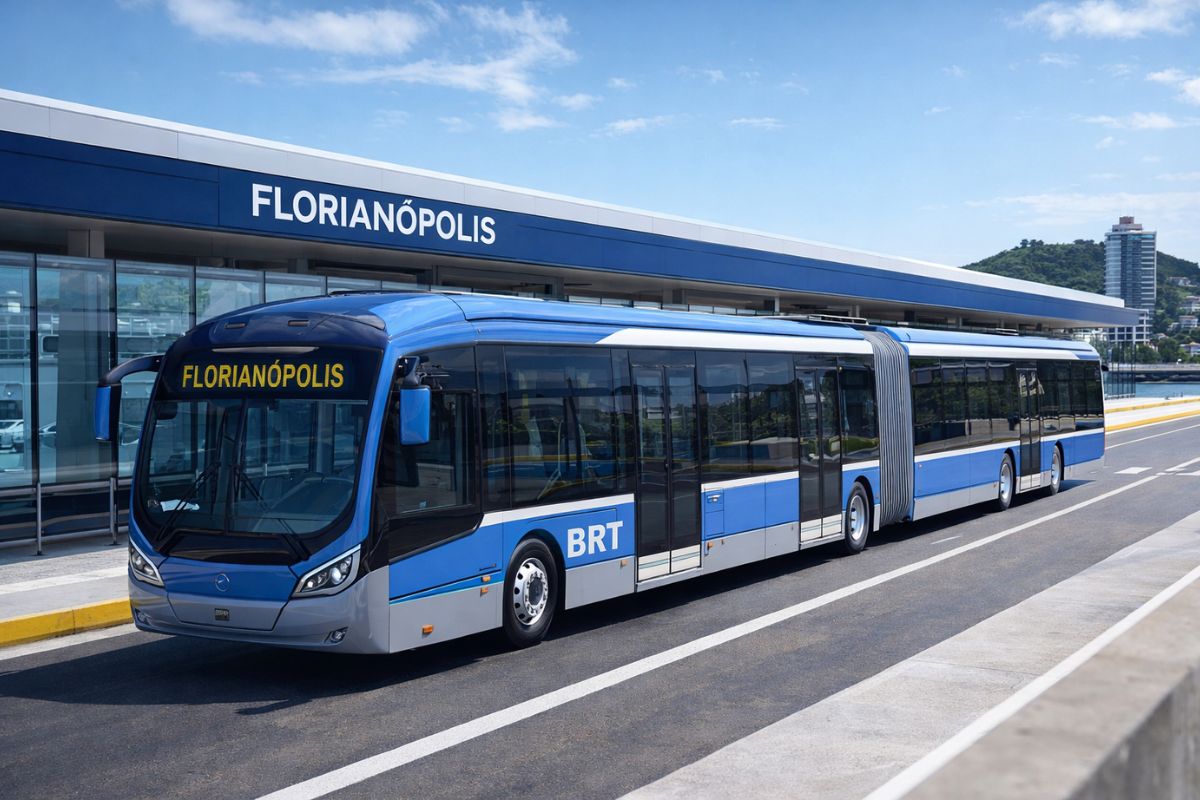
Florianópolis will receive a million-dollar BRT that will begin construction in 2026 with nearly 400 million in funding from the federal government and the Inter-American Development Bank, and the map already shows the routes for the exclusive bus corridors.
-
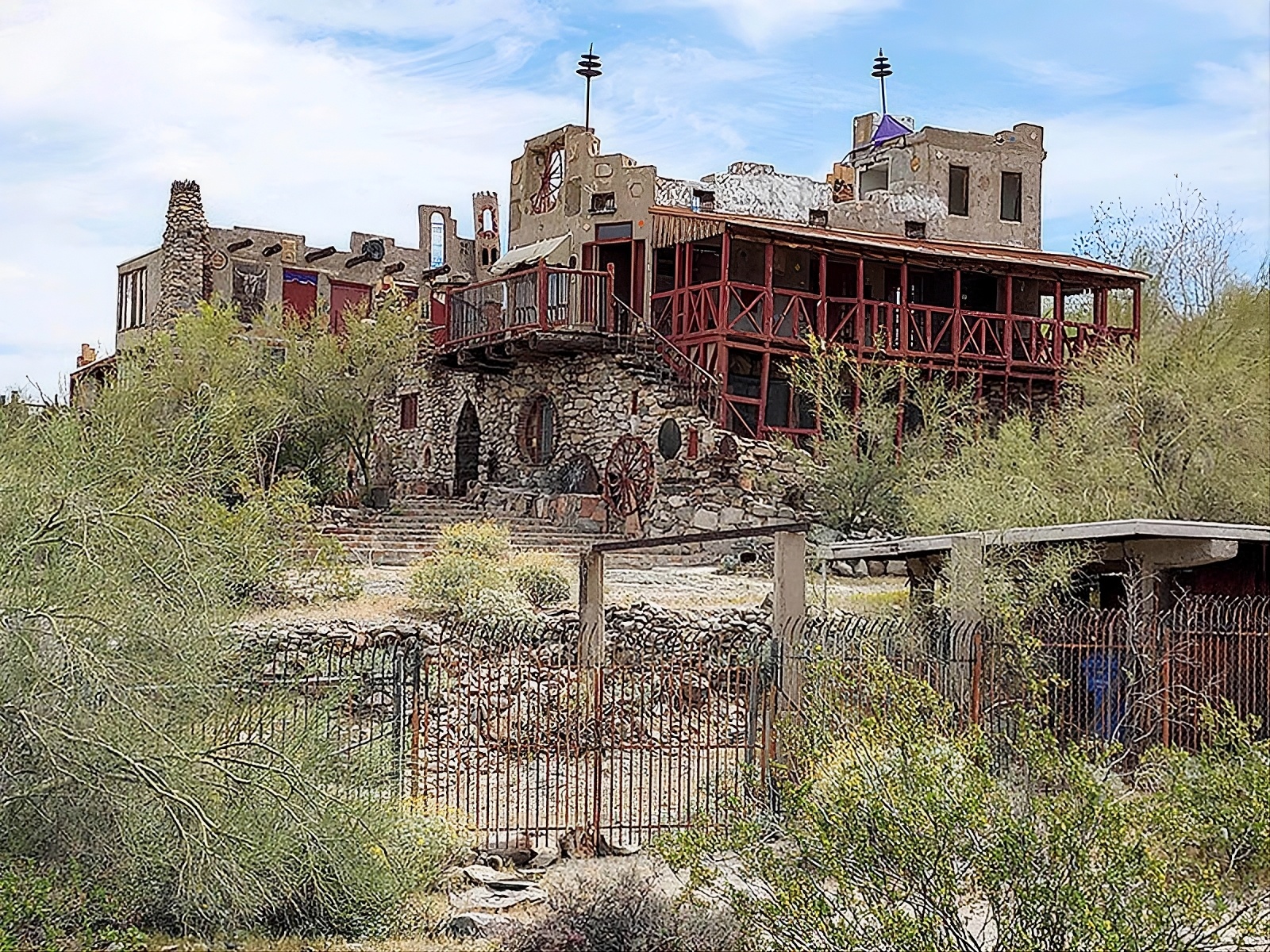
Without a blueprint, without an engineer, and using scrap from the dump, a father spends 15 years building an 18-room castle for his daughter, featuring tram tracks, 13 fireplaces, and over 700 m², which may now be demolished.
The Five Major Routes and Their Objectives
Rondon Quadrant Route: Considered one of the most strategic, it will connect the heart of agribusiness in Mato Grosso and Rondônia to ports in Peru, via Bolivia. The most iconic work is the bioceanic bridge over the Paraguay River, which will connect Porto Murtinho (MS) to Carmelo Peralta (PY).
Amazônica Route: Focused on river integration, it will connect the North Region to Peru, Ecuador, and Colombia through the Amazon and Solimões rivers. The first stage aims to be completed by COP30, in November 2025, in Belém (PA).
Mercosur-Chile Route: Aims to connect the industrialized South of Brazil to Chilean ports, passing through Argentina. The most ambitious project of this axis is the construction of the Andean tunnel (Agua Negra Tunnel).
Guiana Shield Route: Will connect the north of Brazil (Amapá and Roraima) to Guyana, Suriname, and Venezuela, creating an exit to the Caribbean and from there to Asia.
Paraguay-Paraná Waterway Route: Will strengthen the integration of the Southern Cone, optimizing river transport between Brazil, Paraguay, Argentina, and Uruguay.
Economic Impact: Jobs and Foreign Trade
The expected impact of the megaproject with 190 works in Brazil is tremendous. The main advantage will be the reduction in time and cost of freight to Asia, which can decrease by up to three weeks and 30%, respectively. This will make products like soybeans, iron ore, and meat much more competitive.
The plan is financed by resources from the New PAC and by development banks, such as BNDES, IDB, and CAF, with an expected US$ 10 billion in investments by 2026. The expectation is the generation of thousands of direct and indirect jobs, boosting development in 11 border states.
Challenges and Sustainability
Despite the optimism, the megaproject with 190 works in Brazil faces significant challenges, especially in the environmental area. The construction of roads and waterways in the Amazon requires rigorous planning to mitigate the impacts on the bioma and indigenous and riverside communities.
The government claims that sustainability is a pillar of the project, prioritizing low-carbon transportation modes. The success of the plan will depend on Brazil’s ability to balance economic development with environmental protection and respect for the peoples of the region.
And you, what do you think about this megaproject with 190 works in Brazil? Do you believe it will be the key to unlocking the country’s logistics potential? Leave your opinion in the comments!









Seja o primeiro a reagir!