





 Portuguese
  English
  Spanish
  4 min of reading
  15 comments


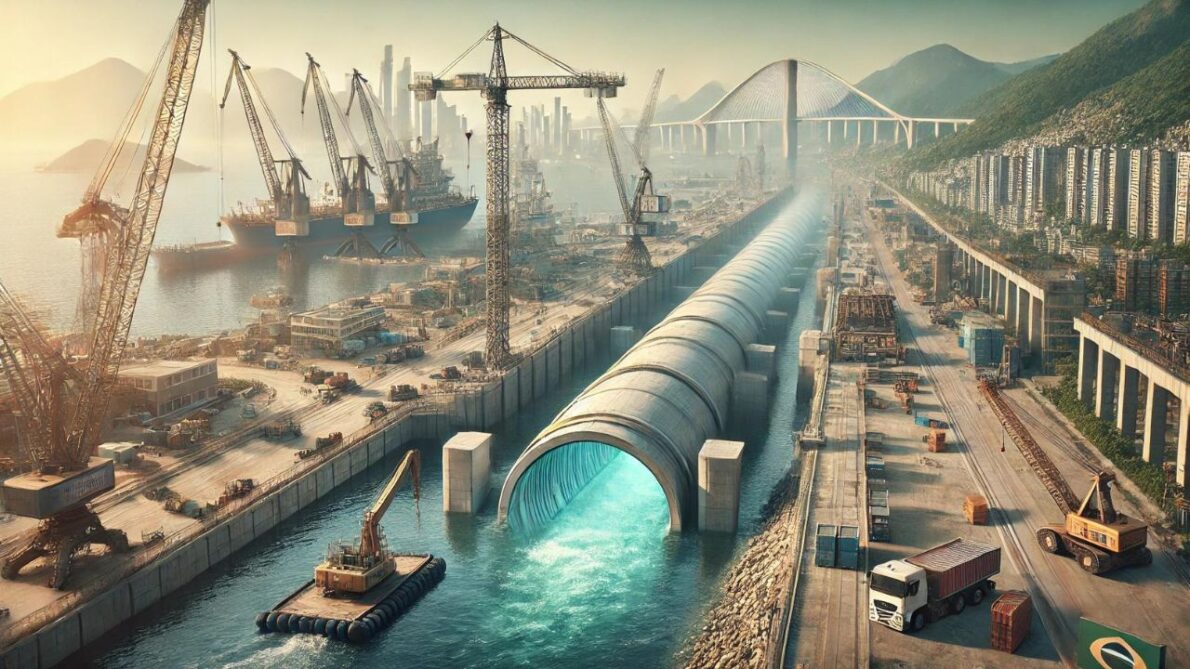


Get Ready for a Revolution in Brazil’s Infrastructure with the Country’s Megaprojects in 2024. From Underwater Tunnels to Futuristic Ports, These Works Promise to Change the Face of the Country and Boost the Economy.
If you think you’ve seen everything in terms of large-scale works, wait until you learn about Brazil’s megaprojects in 2024. These ventures are not just grandiose; they are redefining the concept of infrastructure and construction in the country. Imagine roads that defy mountains, submerged tunnels connecting cities, and ports that promise to handle millions of tons of goods. Sounds exaggerated? It may be, but this is exactly what’s happening. And no, we are not talking about science fiction.
Florianópolis Bypass
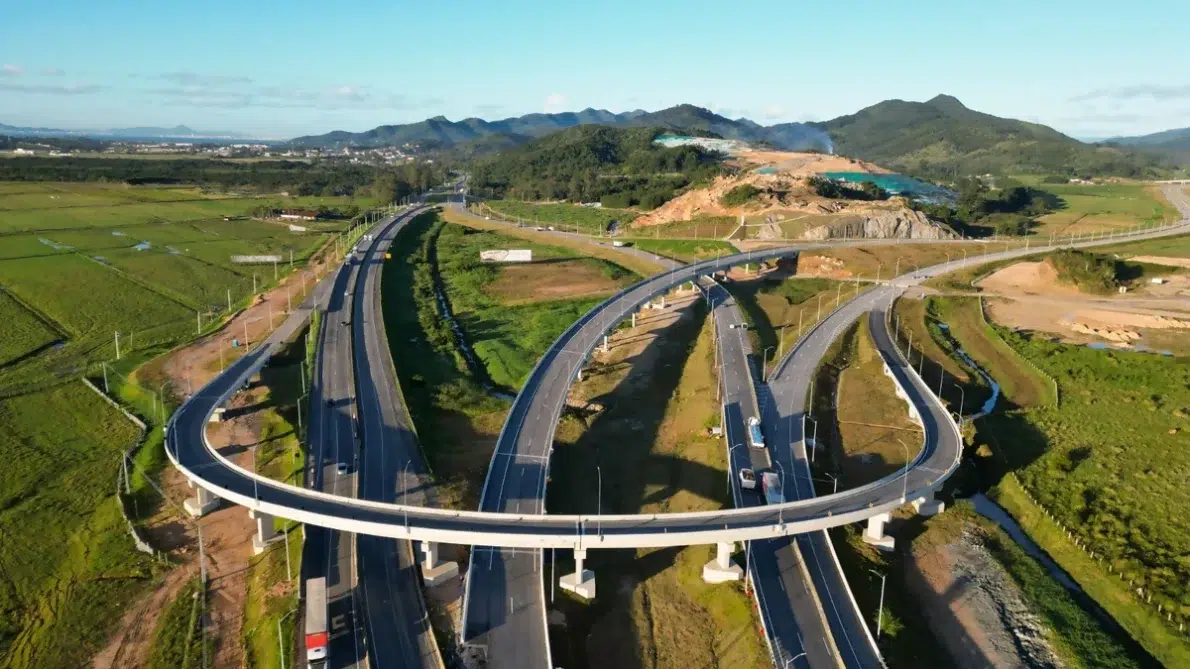
One of the most anticipated megaprojects in Brazil in 2024 was the Florianópolis Bypass, a highway with characteristics of a motorway that aims to ease traffic in the Santa Catarina capital. With a length of 50 km, this work has been planned for over a decade, but faced several delays, including the need to build tunnels not initially foreseen. Despite the challenges, it was finally completed this year. The construction of the Bypass will not only alleviate traffic but is also considered one of the largest road works in the country.
Porto Sul: The Logistic Giant of the Northeast
Another highlight among Brazil’s megaprojects in 2024 is Porto Sul, located in Ilhéus, Bahia. This venture is poised to become the third largest port in the country, with an area of influence that encompasses states such as Bahia, Goiás, Tocantins, and Minas Gerais. The construction, which is budgeted at R$ 5.6 billion, will have a direct impact on the Northeast’s economy and promises to transform the logistics of grain and mineral export and import. However, Porto Sul also faces criticism regarding its environmental impact, especially on the Atlantic Forest.
-
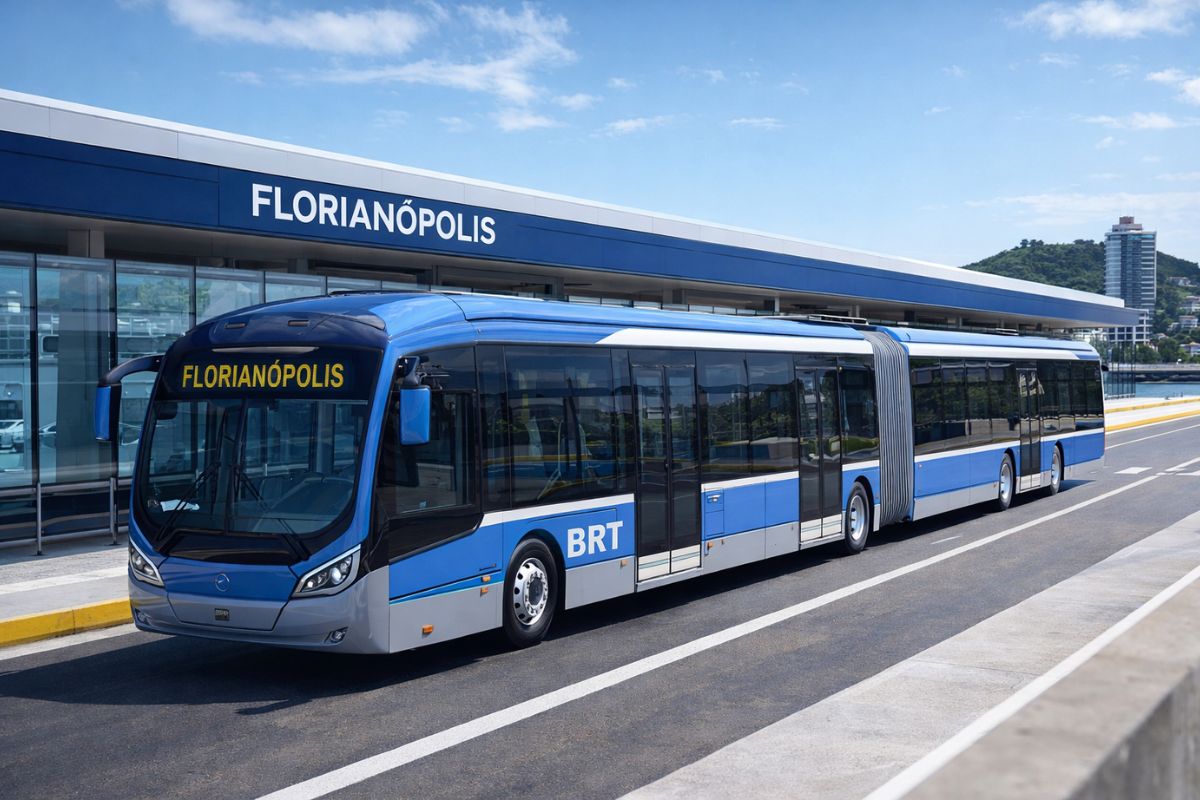
Florianópolis will receive a million-dollar BRT that will begin construction in 2026 with nearly 400 million in funding from the federal government and the Inter-American Development Bank, and the map already shows the routes for the exclusive bus corridors.
-
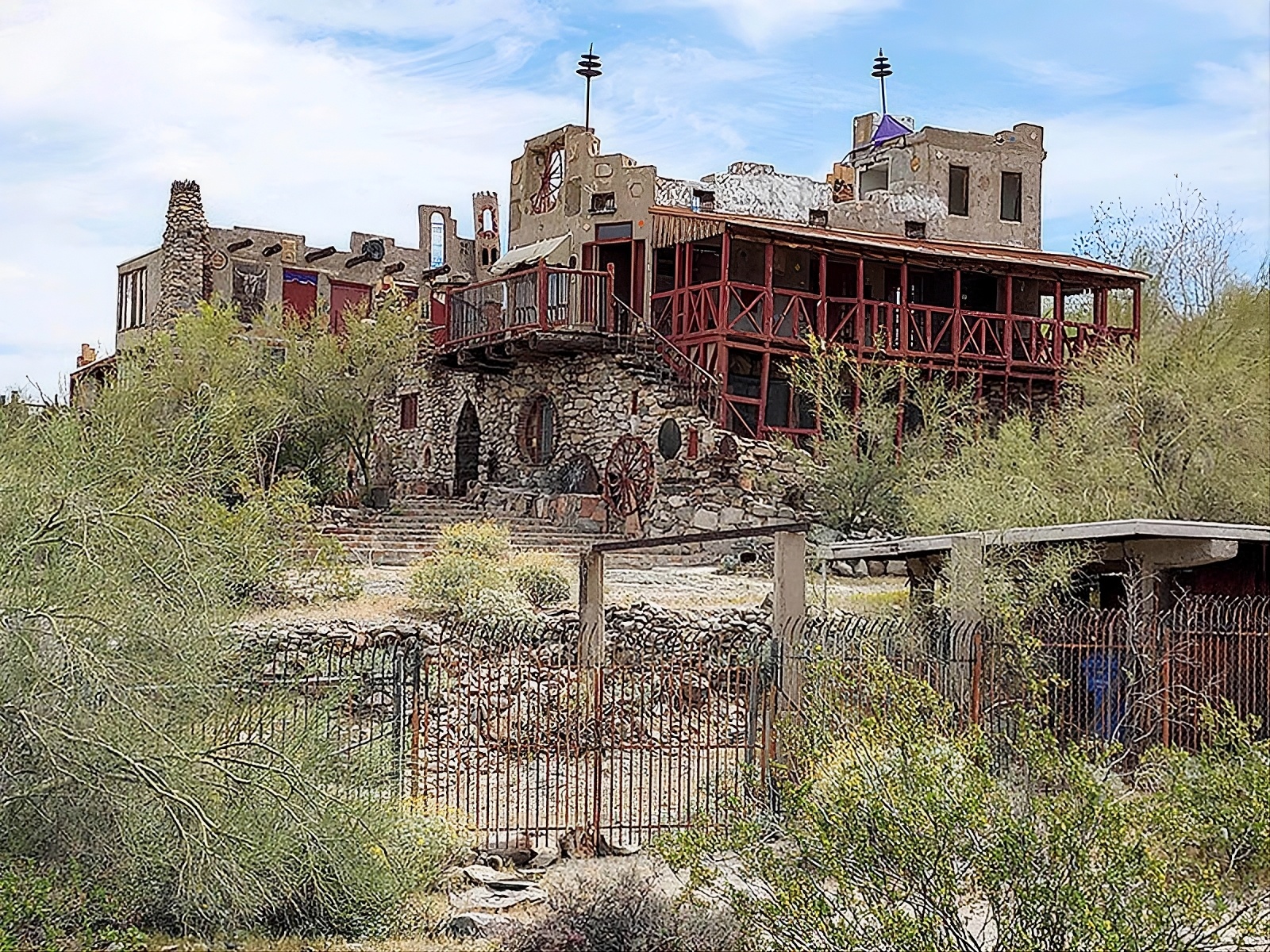
Without a blueprint, without an engineer, and using scrap from the dump, a father spends 15 years building an 18-room castle for his daughter, featuring tram tracks, 13 fireplaces, and over 700 m², which may now be demolished.
-
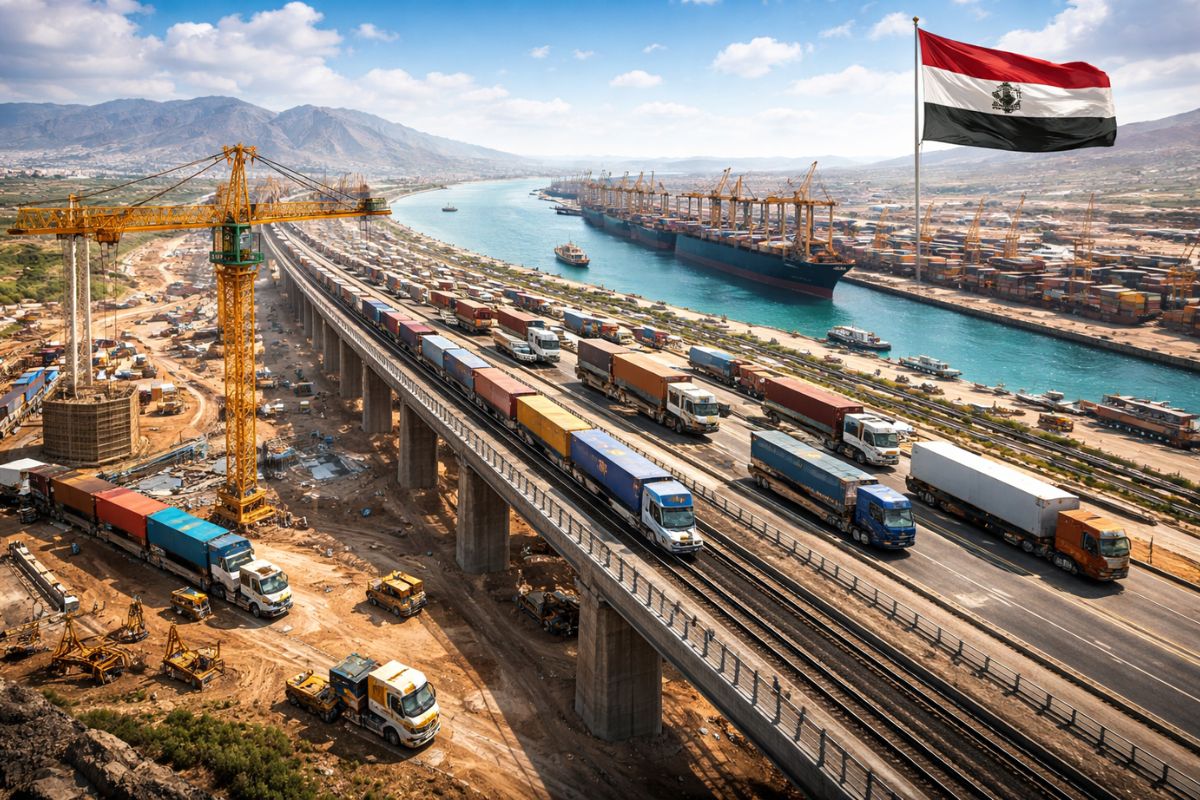
A megaproject worth R$ 89 billion is advancing in Iraq and promises to change the game in global trade by creating a new corridor between Asia and Europe, reducing traditional routes and repositioning the country as a logistics powerhouse.
-
Goodbye bedside table: floating shelves become a trend in 2026 by freeing up space in the bedroom, improving circulation, bringing visual lightness, and integrating technology without taking up floor space.


Itajaí Underwater Tunnel: Connecting Cities Underwater
On the northern coast of Santa Catarina, the construction of the underwater tunnel between Itajaí and Navegantes is another example of how Brazil’s megaprojects in 2024 are shaping the future. This work, which has a budget of R$ 629 million, promises to improve urban mobility and increase commercial flow between the cities, in addition to providing an exclusive path for cyclists and pedestrians. The completion is expected in 2028, but it is already generating expectations in the region.
Santos-Guarujá Tunnel: Submerged Innovation on the São Paulo Coast
In the state of São Paulo, the dry link project between Santos and Guarujá is one of the biggest innovations in the field of civil construction. This 870-meter long tunnel, which will be the first of its kind in Latin America, will connect the two cities under the sea. The depth of 21 meters and the use of pre-cast modules are just some of the technical details that make this work so impressive. When completed, it will not only facilitate the lives of those crossing the cities but will also integrate the public transportation systems of Baixada Santista.
Megaprojects in Brazil in 2024 Are Not Just Engineering Landmarks
These megaprojects in Brazil in 2024 have the potential to transform the economy and the daily lives of people. The Florianópolis Bypass, for example, promises to ease traffic, especially from trucks that do not have the Greater Florianópolis as their final destination. Already Porto Sul, by expanding the logistical capacity of the Northeast, can leverage the country’s foreign trade.
These constructions will also bring more jobs and, in many cases, improve urban mobility, as in the case of the underwater tunnel in Itajaí. On the other hand, issues such as environmental impact and delays in schedules continue to be challenges that authorities and companies involved will need to face.
With such a grand future ahead, the megaprojects in Brazil in 2024 are proof that the country is moving towards an era of innovation and development. Even though some of these works may still take time to be completed, the positive impact they will bring to infrastructure and the economy will be felt for decades.
With so many grand works underway, which of Brazil’s megaprojects in 2024 do you believe will have the greatest impact on the lives of Brazilians? Comment below!








E o futuro chegando no terceiro mundo, devagar iremos longe nao pode e parar.
Queria um projeto desses pra baixada maranhese muito sofrimento só através de balsas que levam 2 horas de atravessia e são 8km muito pouco
Nada desses projeto how’s rendem dólares. Mega projeto e liberar outra licença para mega mineração de ferro, estrada de ferro e Porto novivinho., Vai ser mais bilhões de dólar direto no bolso..
Tem minério de sobra .vender pro futuro dá também…
Vai ser : commodities Fixo.