





 Portuguese
  English
  Spanish
  2 min of reading
  0 comments


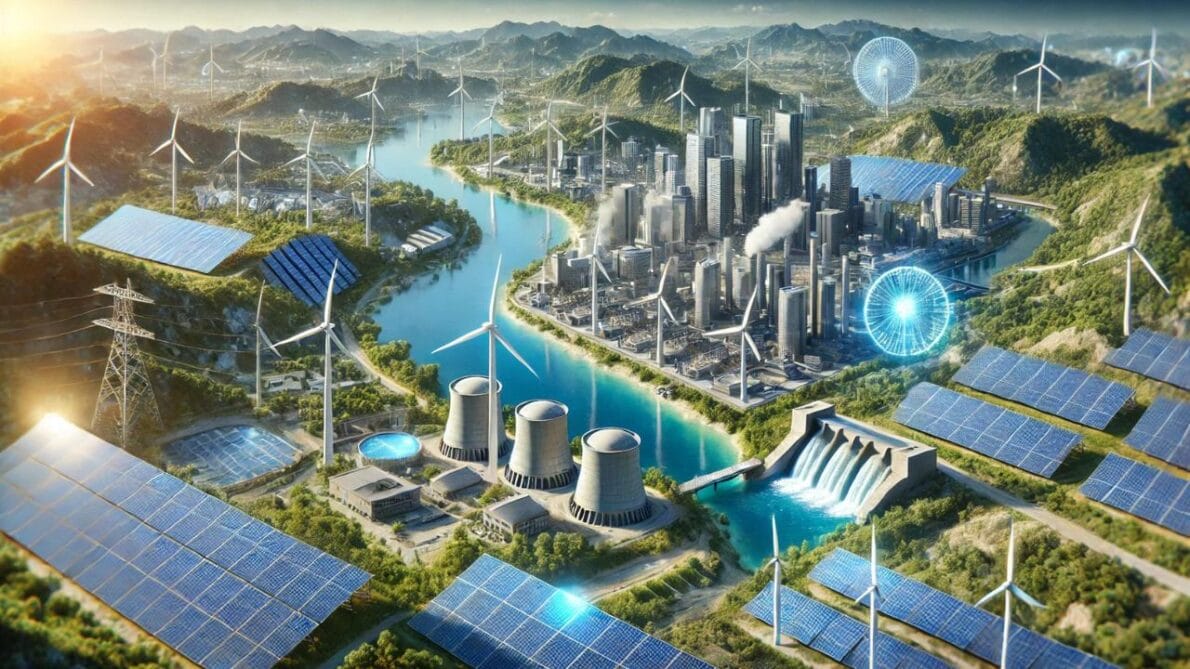
The Challenges Related To Resources And Energy Have Led Various Countries To Invest In Ambitious Megaprojects. But Are These Grand Solutions Really Effective?
British Columbia, in Canada, has always been a reference in energy innovations. Recently, the region has been the stage for one of the most controversial construction sites: the Site C hydroelectric project. The megaproject has been presented as a watershed for clean energy in the country, promising to eliminate the use of fossil fuels.
With a projected capacity of 1000 MW, the plant will generate enough energy to supply about 450,000 homes annually. But why, then, does a clean energy project generate so much controversy?
Energy And Controversies In Megaprojects

Since the 1970s, Site C has been a topic of heated debates. Initially rejected, the project was approved in 2014 after a rigorous environmental assessment. The project, which has an estimated cost of 16 billion dollars, faces criticism for its environmental impact, particularly due to the flooding of agricultural land. Experts warn that the demand for energy may not justify such an environmental intervention.
-
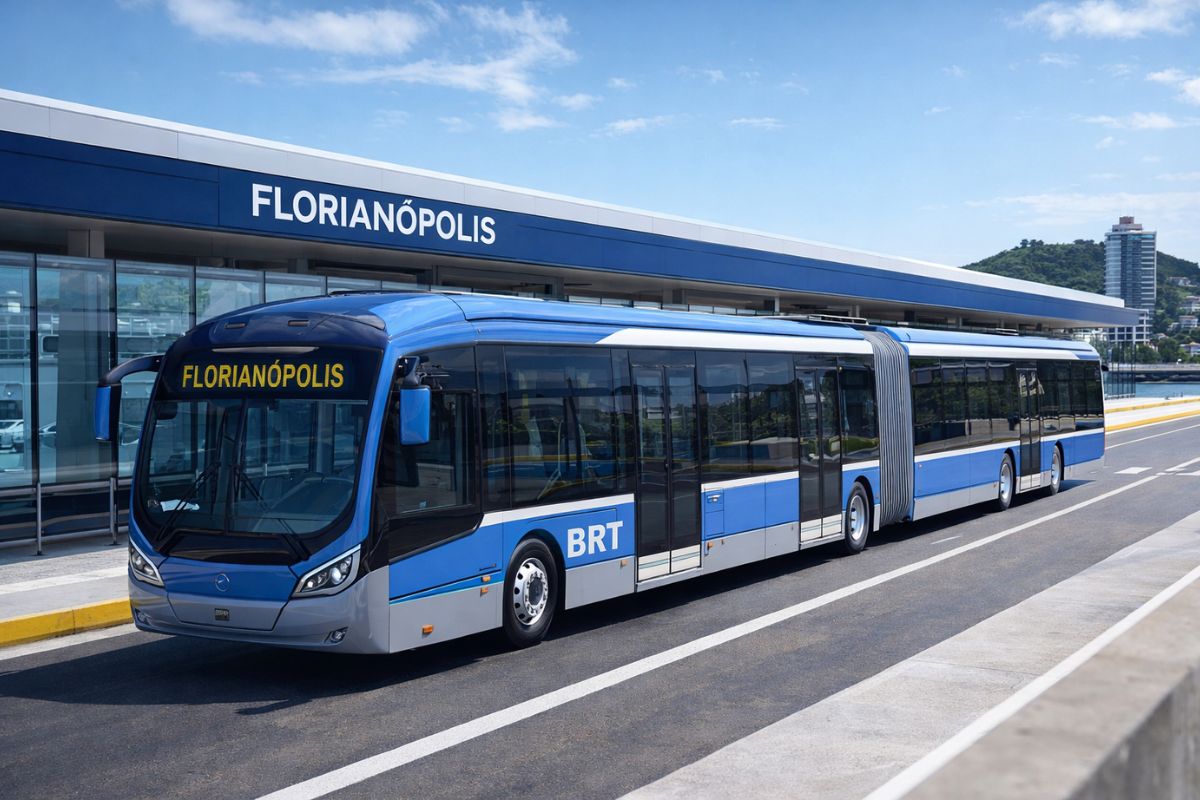
Florianópolis will receive a million-dollar BRT that will begin construction in 2026 with nearly 400 million in funding from the federal government and the Inter-American Development Bank, and the map already shows the routes for the exclusive bus corridors.
-
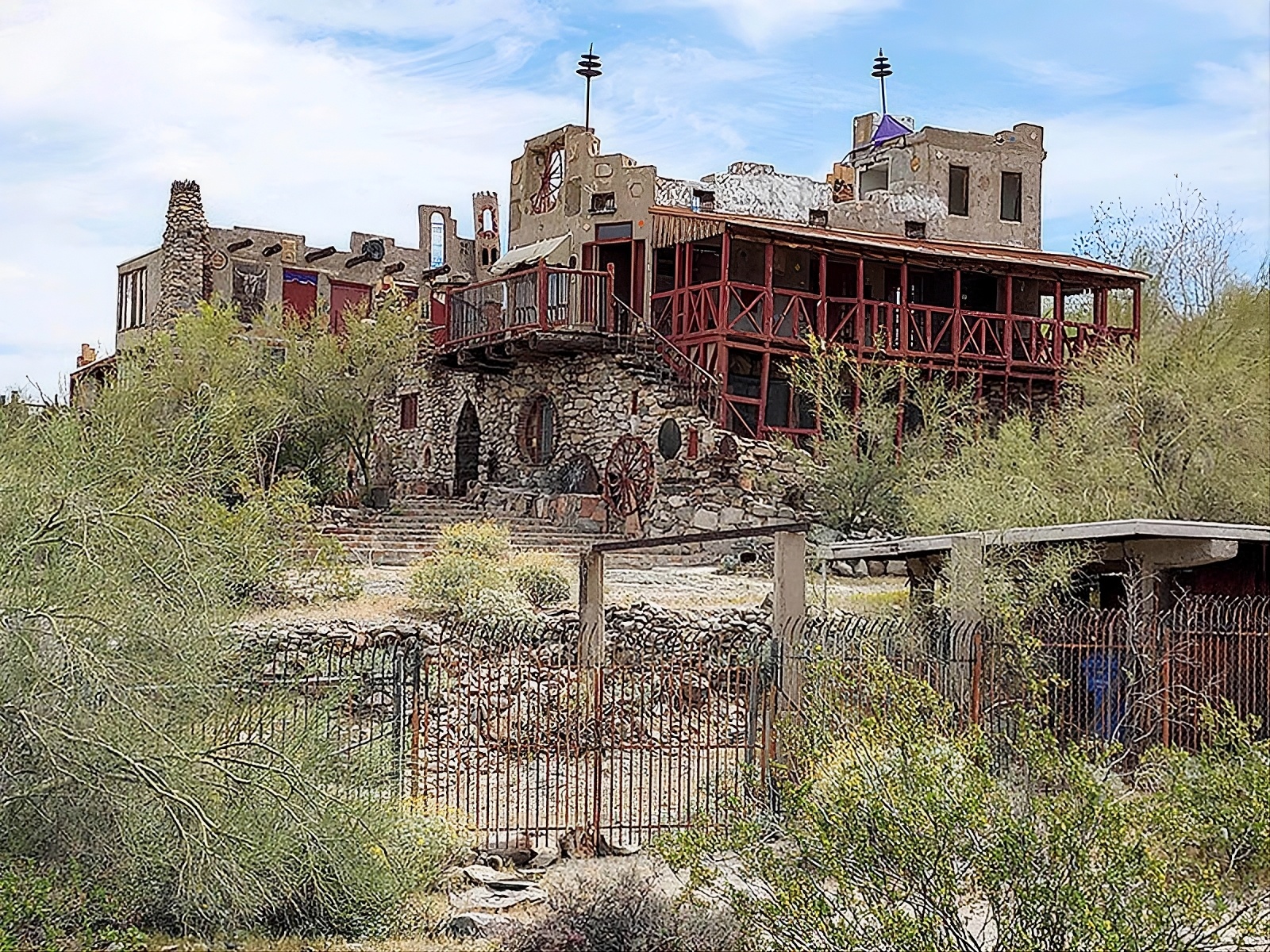
Without a blueprint, without an engineer, and using scrap from the dump, a father spends 15 years building an 18-room castle for his daughter, featuring tram tracks, 13 fireplaces, and over 700 m², which may now be demolished.
-
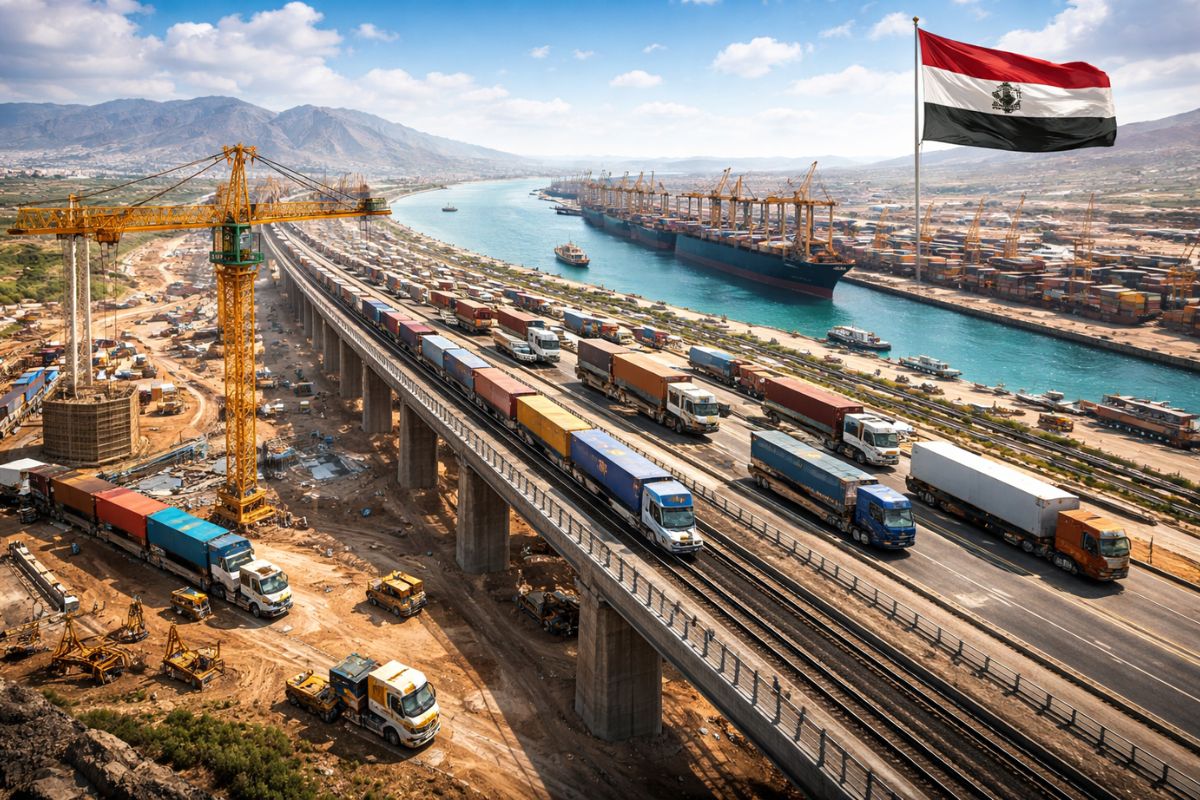
A megaproject worth R$ 89 billion is advancing in Iraq and promises to change the game in global trade by creating a new corridor between Asia and Europe, reducing traditional routes and repositioning the country as a logistics powerhouse.
-
Goodbye bedside table: floating shelves become a trend in 2026 by freeing up space in the bedroom, improving circulation, bringing visual lightness, and integrating technology without taking up floor space.


Megaprojects: Solutions Or Problems?
Another example of a megaproject is the Nile River in Egypt. The government is transforming desert areas into fertile land to reduce dependency on imports. However, this endeavor also faces technical and environmental obstacles, such as high soil salinity and irrigation issues. Despite the challenges, the project has progressed, aiming to create a new Nile delta, essential for the country’s food security.
Egypt: Initiative To Transport Water From Lake Nasser To New Agricultural Areas
In Egypt, the grandeur of megaprojects is notable. The initiative to transport water from Lake Nasser to new agricultural areas is an example of how countries attempt to reconfigure their resources. However, issues such as financing through international loans and the military’s involvement in the construction raise distrust and criticism.
Saudi Arabia, One Of The Largest Oil Producers, Is Also Investing In Sustainable Energy
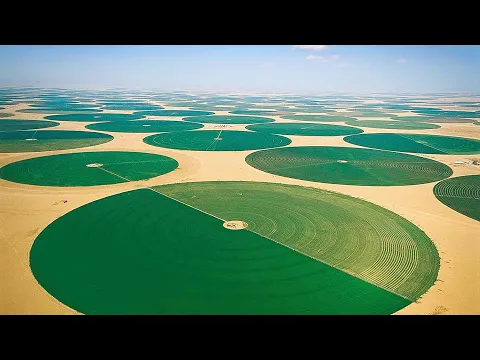
Saudi Arabia, one of the largest oil producers, is also investing in sustainable energy. Center pivot irrigation projects have transformed desert land into agricultural areas. However, the intensive use of non-renewable water resources raises concerns about long-term sustainability.
Megaprojects present innovative solutions to resource and energy issues. However, they are not without controversies and challenges. Economic viability and environmental impacts are crucial points that need to be carefully considered. After all, do the ends really justify the means? The answer to this question is still open, and only time will tell if these projects will be seen as engineering milestones or as lessons on natural resource management.








Seja o primeiro a reagir!