





 English
  Francês
  Alemão
  Italiano
  Japonês
  Norueguês
  Portuguese
  Spanish
 7 min of reading
  0 comments


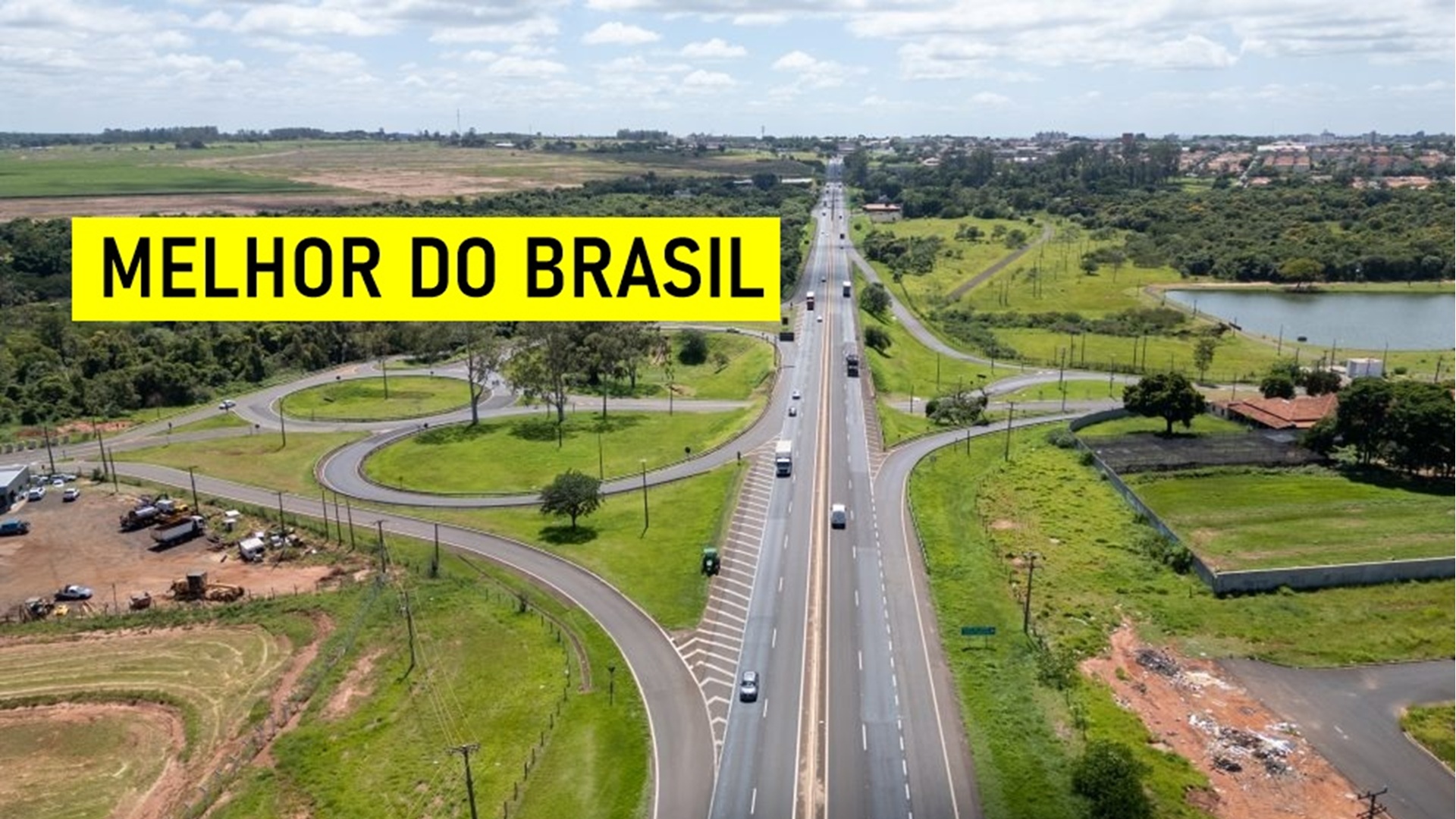
Elected The Best Highway In Brazil For The Second Consecutive Year, The Road Infrastructure Leads The National Ranking Of The CNT Among 545 Highways Evaluated, After Receiving More Than R$ 600 Million In Investments, Duplicating 152 Kilometers, Implementing Dozens Of Safety Devices And Reducing 85% The Accidents In One Of The Main Logistical Corridors Of The Country
Elected For The Second Consecutive Year As The Best Highway In Brazil, The Raposo Tavares Highway (SP-270), In The Stretch Between Ourinhos And Presidente Epitácio, Has Established Itself As A National Reference In Road Quality By Leading The 30th Edition Of The CNT Highways Survey, Which Evaluated More Than 114,000 Kilometers Throughout The Country.
The Survey By The National Confederation Of Transport Analyzed 545 Brazilian Highways And Indicated That Only 10% Of The National Network Achieved The Maximum Score. Within This Restricted Group, The SP-270 Obtained The Best Overall Evaluation, Reinforcing Its Position As The Best Highway In Brazil Among Public And Granted Roads.
São Paulo Appears With 14 Highways Among The 20 Best Evaluated In The National Ranking, With 11 Of Them Under Private Administration. This Performance Places The State As The Absolute Leader In Road Quality And Reinforces The Concession Strategy As An Infrastructure Structuring Policy.
-
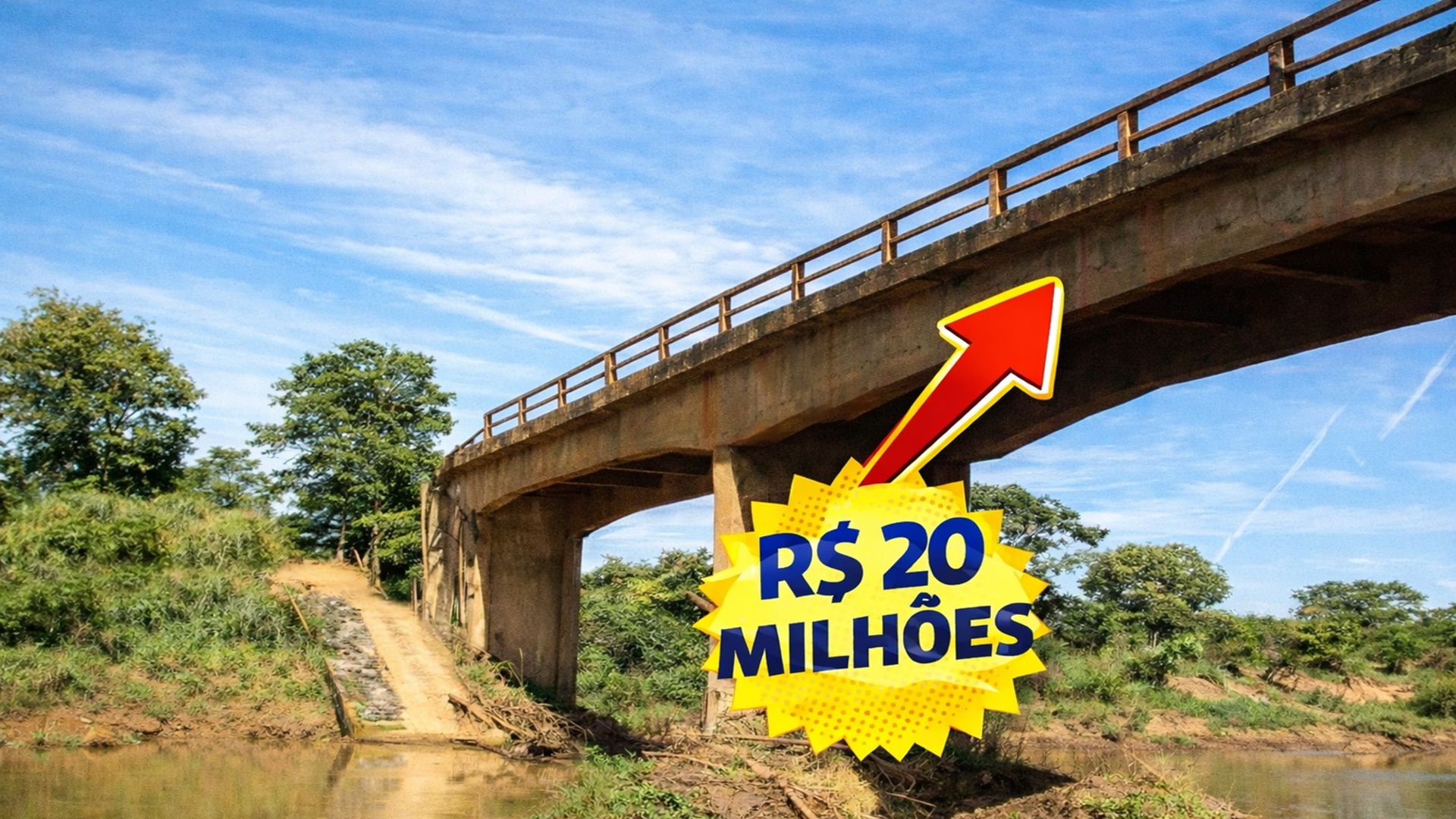
BRL 20.1 Million Bridge Project Kicks Off: 200-Meter Construction to Improve Access in Three Cities in Minas Gerais
-
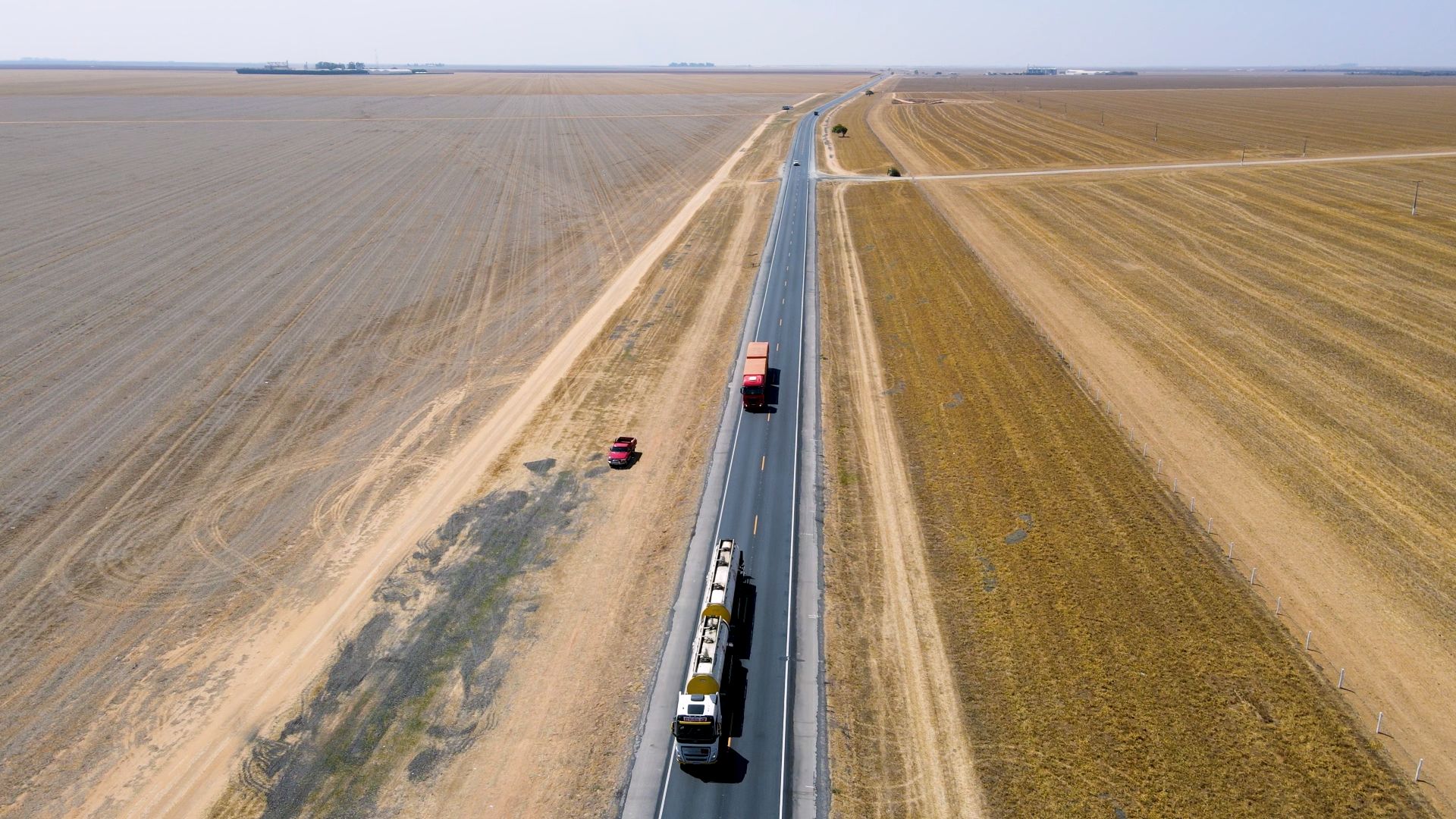
‘Endless Road’ In Brazil Is One of The Largest In The World: 145 Km Stretch On An Important Highway (BR) Crosses The West Of Bahia And Had 135.9 Km Revitalized With R$ 35.3 Million
-
Engineer From ITA Who Worked at Embraer Leads Free Flow Expansion With National Artificial Intelligence and Technology for Toll Without Barriers in Brazil

-
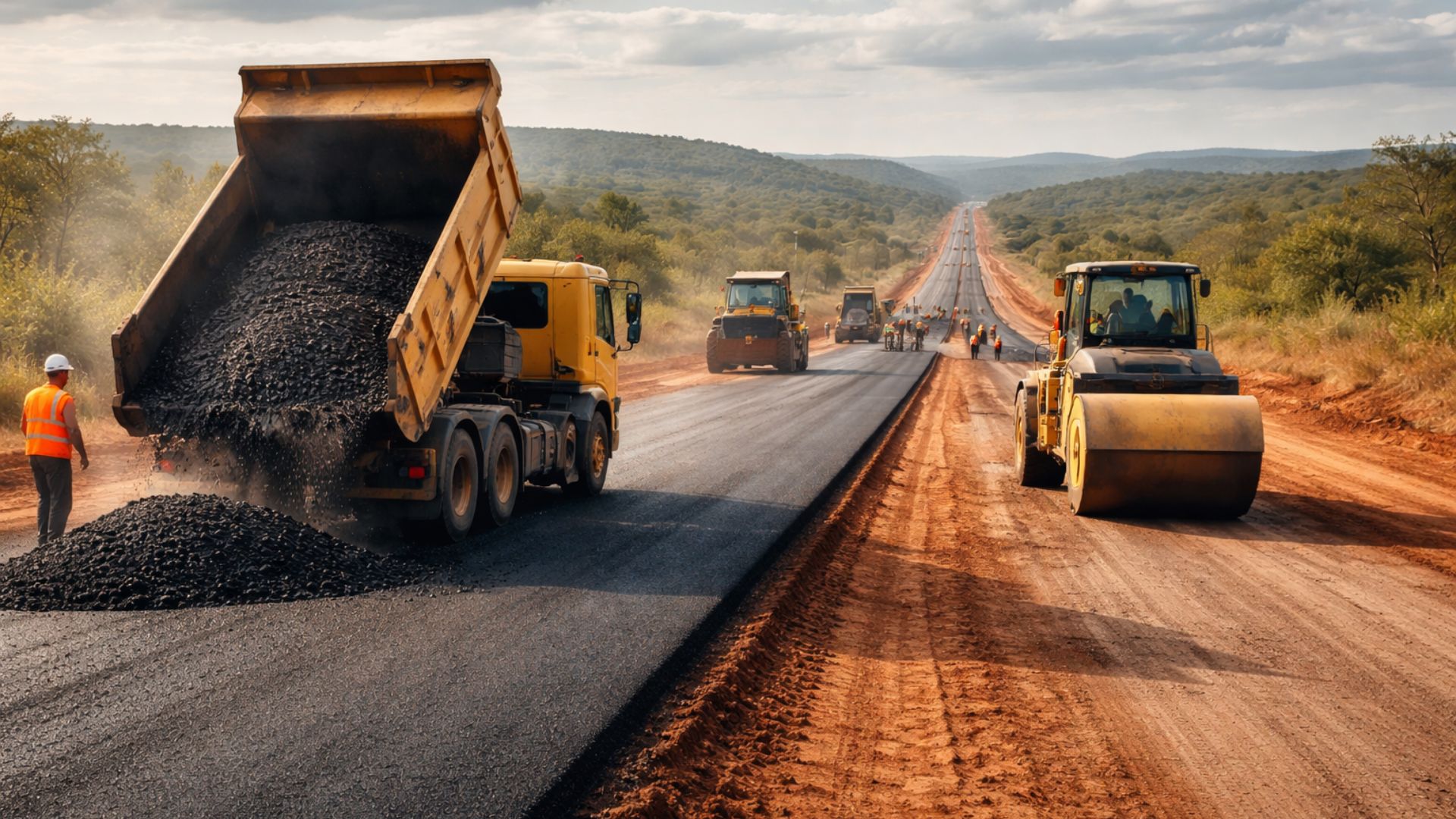
With ‘Super’ Asphalt, New Highway (BR) Will Receive R$ 375 Million to Pave 60 Km, Reduce Route from 432 Km to 150.7 Km and Apply 10 Cm of Asphalt in 24 Months

In The Case Of Raposo Tavares, There Are 271 Kilometers Managed By CART Highway Concessionaire That Feature At The Top Of The Ranking, A Result Attributed To Continuous Investments, Systematic Maintenance, And Technical Standardization Throughout The Entire Analyzed Stretch.
Technical Criteria That Placed The SP-270 As The Best Highway In Brazil
The CNT Methodology Is Based On Three Main Pillars: Pavement Conditions, Signage Quality, And Road Geometry. These Criteria Evaluate The Condition Of The Asphalt, Visibility, And Standardization Of The Signs, In Addition To The Presence Of Shoulders, Adequate Curves, Bridges, And Safety Devices.
In The Combination Of These Factors, The SP-270 Stood Out As The Best Highway In Brazil By Presenting High And Homogeneous Performance Across All Indicators, Without Significant Drops In Quality Among The Different Segments Of The Evaluated Stretch.
The Technical Standard Observed Reflects A Management Model Focused On Preventive Maintenance, Quick Corrections, And Planned Structural Investments, Ensuring Comfort, Safety, And Predictability For Users.
According To The Secretary Of Investment Partnerships, Rafael Benini, São Paulo Concentrates The Best Highways In The Country By Adopting A Consistent Public Policy Based On Planning, Continuous Investments, And Well-Structured Partnerships With The Private Sector.
Logistical Corridor And Regional Integration
In Addition To Being Recognized As The Best Highway In Brazil, The Raposo Tavares Plays A Strategic Role In Regional And Interstate Integration. The Stretch Between Ourinhos And Presidente Epitácio Crosses 19 Municipalities In The Interior Of São Paulo.
Among Them Are Assis, Paraguaçu Paulista, Rancharia, Presidente Prudente, And Presidente Venceslau, Regions Heavily Dependent On Road Transport For The Flow Of Agricultural And Industrial Production.
The SP-270 Functions As A Logistical Axis Between São Paulo, Mato Grosso Do Sul, And Paraná, Connecting Producing Areas To Centers Of Consumption And Industrial Hubs, With A Direct Impact On The Efficiency Of Productive Chains.
A Significant Portion Of The Production Of Grains, Sugarcane, Citrus Fruits, Eucalyptus, The Food Industry, And Agricultural Implements Travels Along This Highway, Sectors Highly Sensitive To The Quality Of Transport Infrastructure.
Economic Impact Of The Best Highway In Brazil
The Status Of The Best Highway In Brazil Has Direct Reflexes On Regional Competitiveness. According To The CNT, Highways In Poor Condition Can Raise Operational Transport Costs By Up To 35.8%.
By Offering Quality Pavement, Efficient Signage, And Adequate Geometry, The SP-270 Contributes To Reducing Fuel Consumption, Vehicle Wear, And Travel Time, Key Factors For The Logistics Sector.
The Predictability Provided By The Highway Also Favors The Planning Of Transportation Operations, Reducing Risks And Increasing Efficiency In Meeting Deadlines.
These Effects Extend To Both Cargo Transport And Passenger Movement, Benefiting Frequent Users And The Local Economy Of The Municipalities Served.
Structural Works And A Permanent Investment Cycle
The Transformation Of The SP-270 Into The Best Highway In Brazil Is Directly Linked To A Continuous Cycle Of Works And Investments. Along The Evaluated Stretch, 152 Kilometers Of Lanes Were Duplicated.
72 Access And Return Devices Were Also Implemented, A Fundamental Measure To Reduce Traffic Conflicts And Improve Fluidity, Especially In Urban Areas And Access To Productive Hubs.
In Addition To The Expansions, The Highway Goes Through Permanent Programs For Pavement Recovery, Horizontal And Vertical Signage Conservation, Maintenance Of The Domain Strip, And Improvements In Drainage Systems.
Periodic Replacement Of Signs And Standardization Of Visual Signage Contributes To Greater Legibility Of Information, Reinforcing The Safety And Guidance Of Drivers.
From Critical Highway To National Reference In Safety
Before Achieving The Status Of The Best Highway In Brazil, The Raposo Tavares Was Associated, For Decades, With High Rates Of Serious Accidents, Especially Head-On Collisions.
This History Led To The Stigma Of “Death Highway,” Resulting From A Single Lane, Irregular Accesses, And The Absence Of Adequate Safety Devices In Several Sections.
The Duplication And Reconfiguration Of Accesses Brought About A Structural Change In This Scenario, Reducing Conflict Points And Separating Opposing Traffic Flows.
With Over R$ 600 Million Invested In Duplications, Return Devices, And Operational Improvements, The Accident Rates Were Significantly Reduced.
Accident Reduction And International Goals
Data From The Concessionaire Indicates An 85% Reduction In Accidents Along The Managed Stretch, An Index Higher Than The 50% Goal Established By The United Nations Decade Of Action For Road Safety.
This Result Reinforces The Direct Relationship Between Investments In Infrastructure And Improvements In Road Safety, A Central Element For Classifying The SP-270 As The Best Highway In Brazil.
The Reduction Of Accidents Also Positively Impacts Social Costs, Decreasing Expenditures On Medical Care, Traffic Disruptions, And Material Damage.
The Performance Places The Raposo Tavares As A National Reference In Safety Policies Applied To Road Infrastructure.
Operational Services And Technology Serving Safety
The Status Of The Best Highway In Brazil Is Also Supported By A Robust Operational Structure. The Stretch Features User Service Bases Distributed Along The Highway.
The System Includes Free Teleassistance, Ambulances, Tow Trucks, Traffic Inspection Vehicles, Call Boxes, And Continuous Monitoring Cameras.
These Resources Allow For A Quick Response To Accidents, Mechanical Breakdowns, And Risk Situations, Reducing Response Times And Minimizing Traffic Impacts.
Among The Specific Initiatives Is The Safe Ramp Project, Which Uses Light Alerts On Incline Points To Reduce Rear-End Collisions, Especially At Night.
Paulista Leadership In The National Ranking
The Performance Of The Raposo Tavares As The Best Highway In Brazil Is Part Of A Broader Context. São Paulo Concentrates 14 Of The 20 Highways Classified As Excellent Or Good In The Country.
Among Them Are Strategic Roads Such As The Bandeirantes Highways (SP-348), Ayrton Senna-Carvalho Pinto (SP-070), Rodoanel (SP-021), And Marechal Rondon (SP-300).
Of The Total Paulista In The Ranking, 11 Highways Operate Under A Concession Regime, Highlighting The Correlation Between Regulated Private Management And Improvement Of Technical Indicators.
The Result Consolidates The State As A National Leader In Road Quality, With Direct Reflections On Mobility And Logistics.
Concessions And Public Policy On Infrastructure
The CNT Ranking Reflects A Continuous Public Policy Of The Government Of São Paulo Based On Modern Concessions, Well-Regulated Contracts, And Clear Performance Goals.
The Actions Of The Secretary Of Investment Partnerships Structure The Monitoring Of Contracts, Ensuring That Technical Standards Are Maintained Over Time.
Regulated Private Investments Enhance The Capacity For Modernizing The Road Network, Bringing Quality Standards Previously Nonexistent In Many Highways.
This Model Allows Roads Like The SP-270 To Achieve And Maintain The Status Of Best Highway In Brazil, Even In A Scenario Of Large Territorial Extension.
Partnership Program And Long-Term Planning
The Road Projects Are Part Of The Investment Partnership Program, Which Brings Together More Than 30 Qualified Projects, With A Portfolio Exceeding R$ 550 Billion In Estimated Investments.
The Initiatives Cover Areas Of Urban Mobility, Logistics, Environment, Social Infrastructure, And Public Management, Expanding The State’s Capacity To Offer Quality Services.
In The Road Sector, The Focus Is On Increasing Capacity, Eliminating Bottlenecks, And Continuously Raising Technical Standards.
The Experience Of The Raposo Tavares Demonstrates How Planning, Regulation, And Investment Can Transform A Critical Highway Into A National Reference, Maintaining It As The Best Highway In Brazil For The Second Consecutive Year.
Ranking Of The Best Highways In The Country
In The CNT Ranking, The SP-270 Occupies The First National Position, Followed By The RJ-124 In Rio De Janeiro, And The SP-348, Bandeirantes Highway.
Other Paulista Segments Appear Throughout The List, Including Public And Granted Highways, Reinforcing The State’s Predominance Among The Best-Evaluated Roads.
In Total, The Ranking Brings Together 20 Segments Distributed Across Eight Brazilian States, With A Strong Concentration In The Southeast And Central-West.
The Leadership Of The Raposo Tavares Synthesizes The Combined Effects Of Investments, Efficient Management, And Long-Term Planning, Consolidating Its Place As The Best Highway In Brazil.










Seja o primeiro a reagir!