





 Portuguese
  English
  Spanish
 6 min of reading
  1 comment


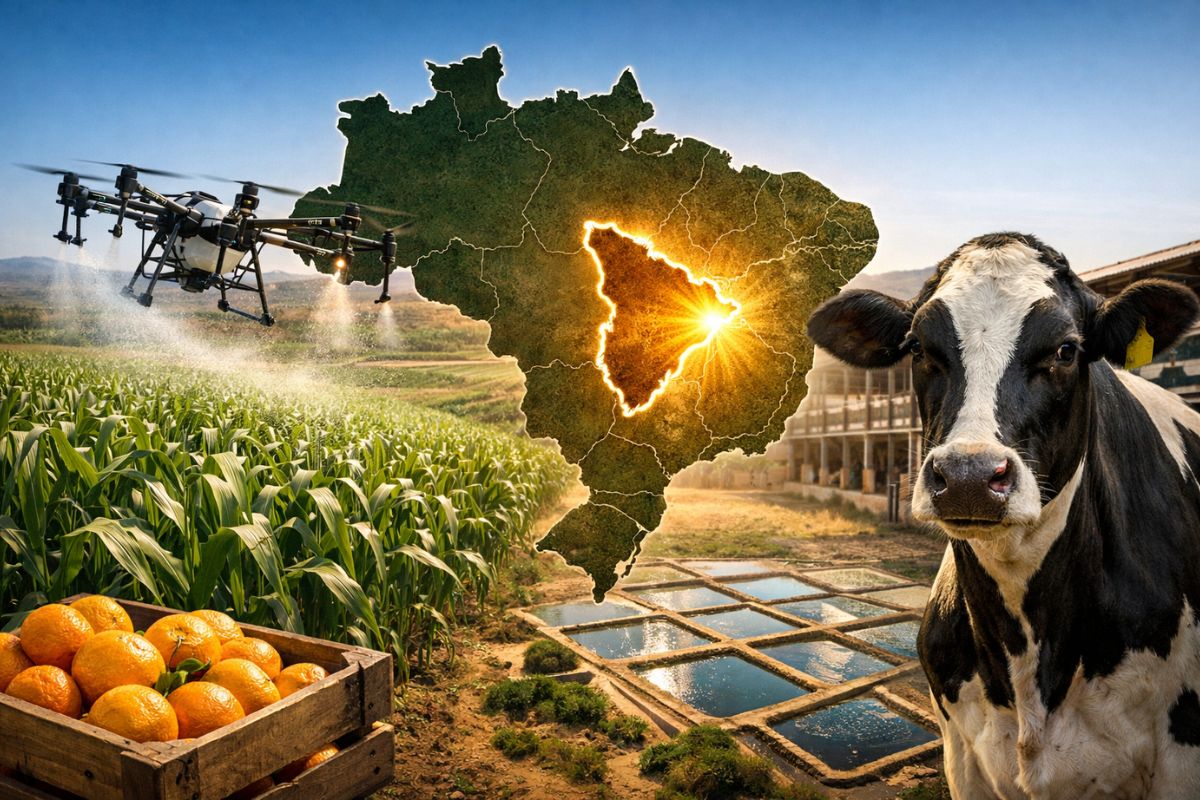


The Smallest State in Brazil Transforms Little Territory into a Showcase of High Technology Agriculture, with Sergipe Leading Corn Productivity, Boosting Milk in the Semiarid, Industrializing Oranges and Shrimp, and Using Drones and Local Research to Export Food and Efficiency to the World Starting in 2025 in a Full Regional Economic Transition
In 2025, the smallest state in Brazil stopped being a footnote in the agricultural statistics and became a case study in agricultural efficiency. Sergipe, once seen as too small to compete with giants like Mato Grosso or Goiás, consolidated numbers that place it at the forefront of productivity in corn, milk, oranges, and even shrimp cultivated in estuarine areas.
In the same harvest, reports and analyses showed that it was not an isolated peak, but a consistent strategy of intensification with technology. With no space to expand area, the smallest state in Brazil opted to maximize each hectare, connecting irrigation, genetics, forage cactus, modern industries, and the increasing use of drones and digital sensors to transform the semiarid region into a platform for exporting processed food.
From the Smallest State in Brazil to a Productivity Showcase
Sergipe fits about 13 times within São Paulo in area, but has been delivering results that rival those of states traditionally associated with agribusiness.
-
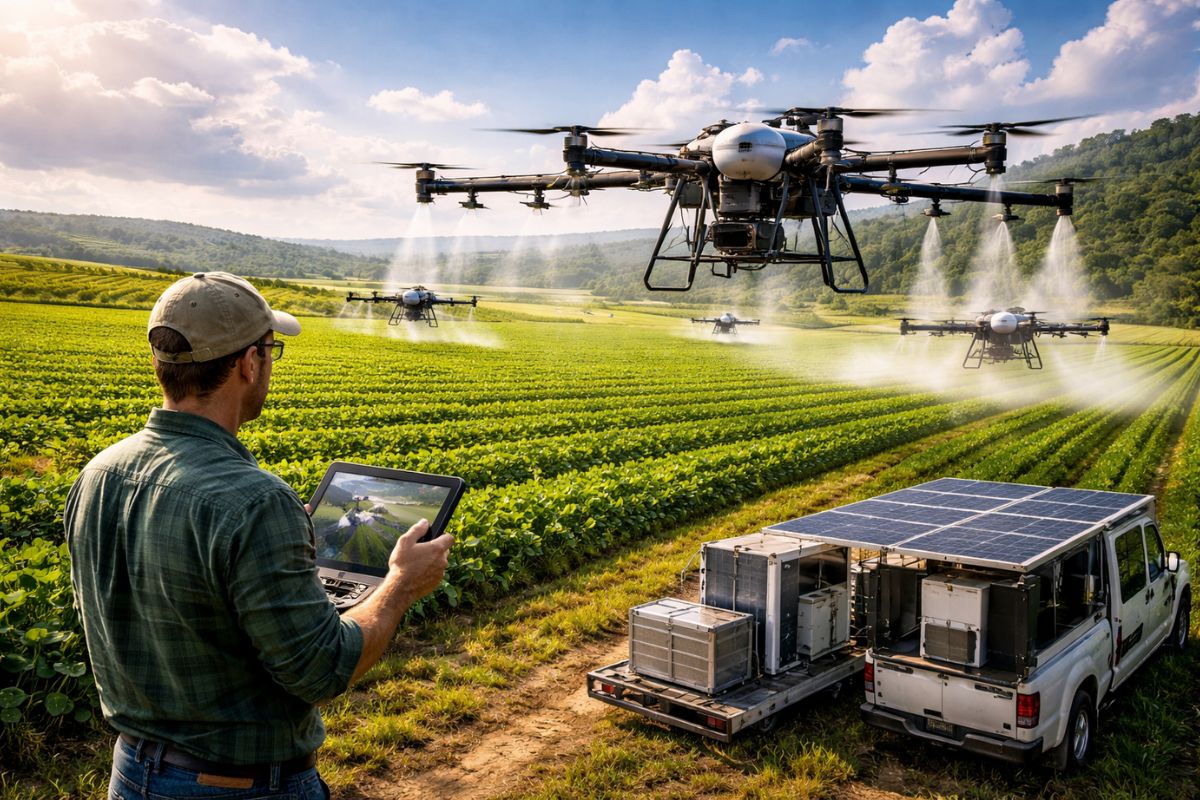
Alone, the producer applies 7,400 hectares with the T100 drone in an optimized structure, replaces the generator with a silent battery, and demonstrates how technology reduces costs, increases productivity, and even challenges the uniport in the field.
-
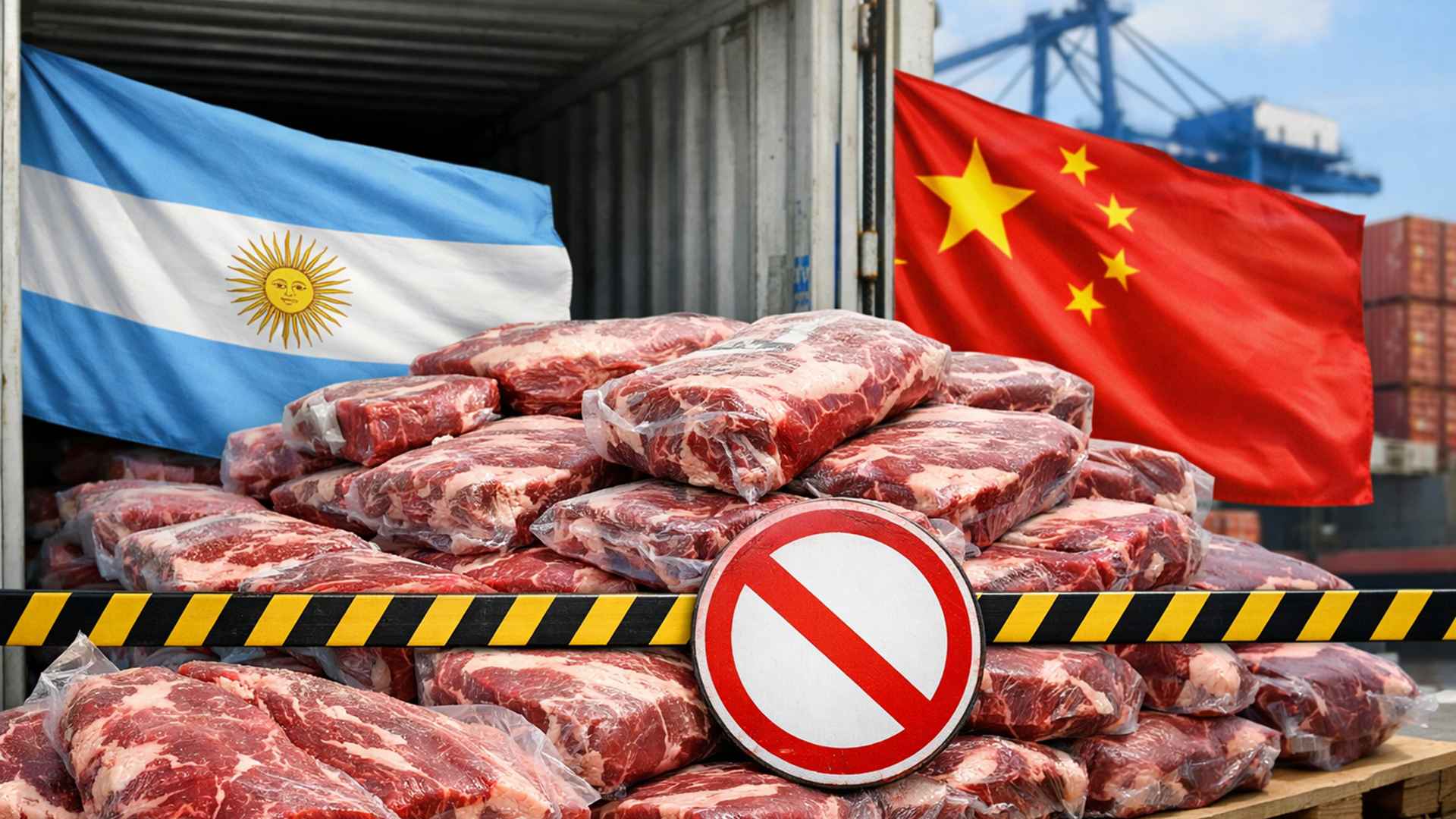
China banned the export of 22 tons of meat from Argentina.
-
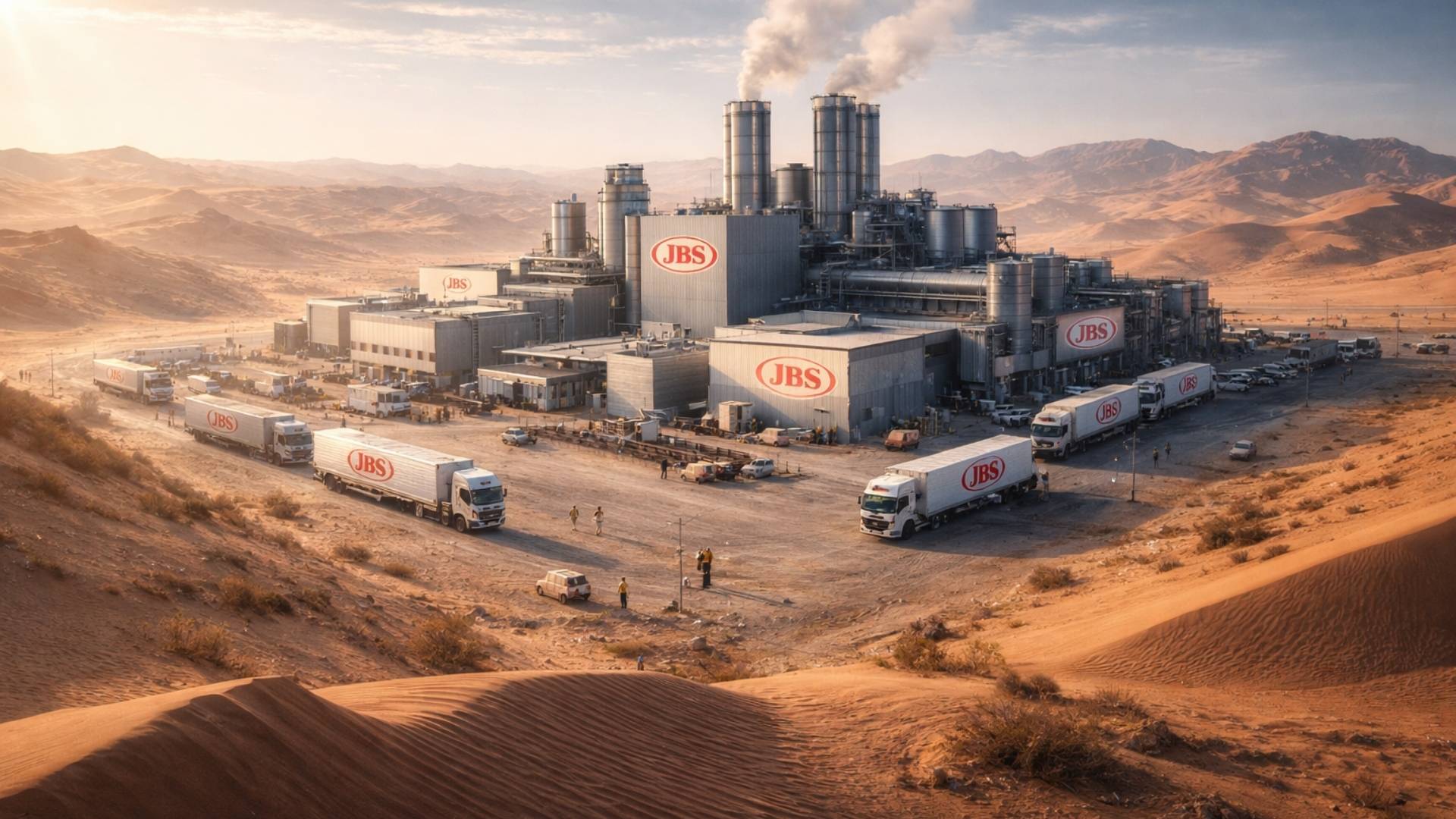
JBS, founded by the Batista brothers, continues to conquer the world: entrepreneurs built a ‘factory in the desert’ creating 3,000 jobs.
-
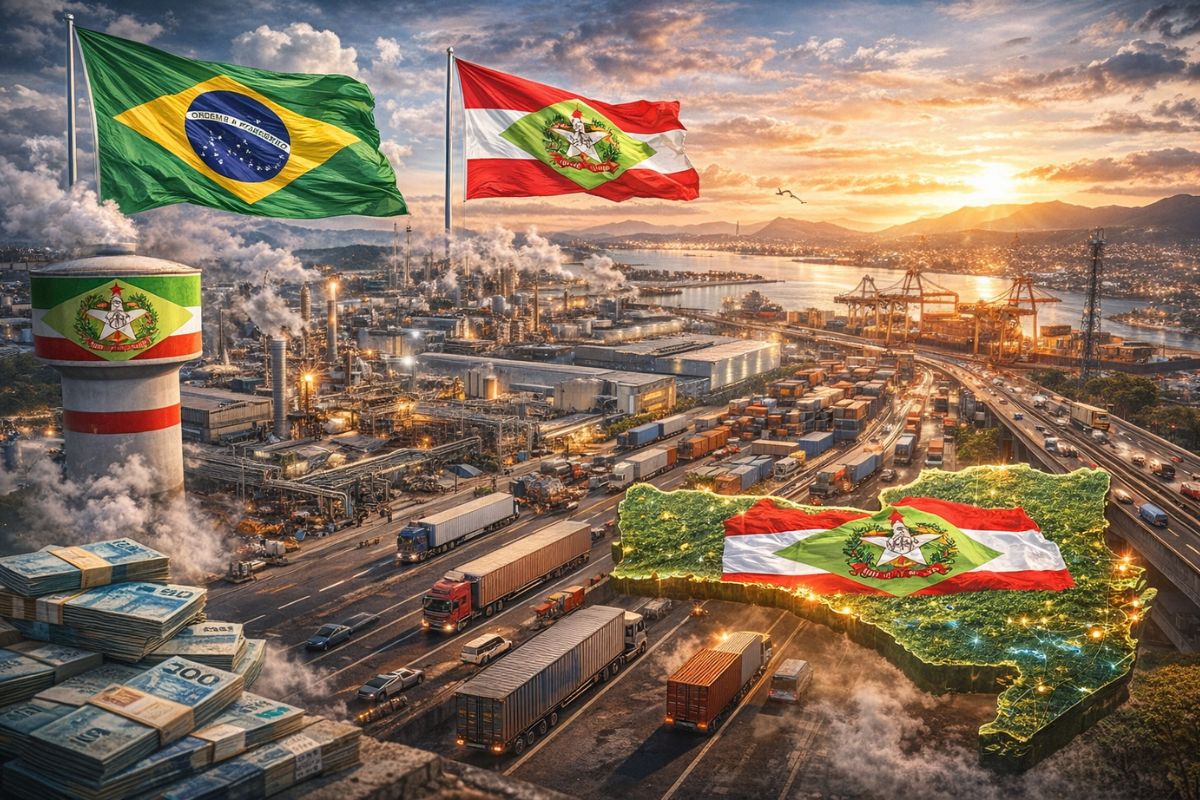
With only 1% of Brazil’s territory, Santa Catarina has built one of the most competitive industrial parks in the country, with 64,000 companies, nearly 1 million jobs, and a growth rate of 5.3% while the national industry is practically stagnant.

The key was to abandon the logic of horizontal expansion and bet on vertical intensification per hectare, with highly technical management, adapted cultivars, and industrial infrastructure attached to the crops and livestock.
In the last harvest, the state achieved the highest grain productivity per hectare in Brazil, reaching 5,107 kilograms per hectare in corn and surpassing 1 million tons produced with cutting-edge technology.
For a small territory, this leap represents a true income multiplier, reinforcing the thesis that the smallest state in Brazil converted physical limitation into competitive advantage.
Record Corn and São João Supplied with Green Corn
Corn is the calling card of this turnaround. In the irrigated perimeters, besides grains for feed and industry, the state explored a highly profitable niche: green corn aimed at June festivals.
In 2025, the projected production for this market was 4.5 million ears, intended to supply São João celebrations throughout the Northeast, ensuring pamonha, canjica, and other derivatives on regional tables.
This flow generates quick cash for small producers, who can sell green corn at a higher margin than that of grain for feed.
The same area irrigates both the high productivity of full-season corn and the seasonal peak of green corn, creating a calendar that enhances land and water use.
It is an example of how the smallest state in Brazil transforms regional culture into a scalable business.
High Technology Milk in the Semiarid Region


The performance in milk is even more symbolic, as it challenges geography.
In a dry region, where water is worth almost gold, the Alto Sertão of Sergipe, particularly Nossa Senhora da Glória, achieved in 2025 the second highest milk productivity per cow in Brazil, second only to Rio Grande do Sul, which has a cold climate and green pasture.
The average reaches 3,960 liters per cow per year, nearly three times the national average.
The result did not come by chance: herds comprised of high-genetics Girolando cattle, artificial insemination subsidized by the state, and intensive use of forage cactus as feed and water source created a high-technology dairy basin.
Today, the Sergipe hinterland supplies large industries and shows that the smallest state in Brazil has managed to transform an area of hunger into a modern dairy hub.
Industries, Oranges, and Truck Congestion
The Sergipe agro industry is not limited to primary production.
National brands were born in interior towns, such as the Maratá group in Lagarto, which evolved from a tobacco-related foundation to become a giant in coffee and juices, with a factory in Estância considered one of the most modern in Latin America.
In oranges, the state remains the second largest producer in the Northeast, with a strong belt in Boquim and Estância.
In 2025, the surge in the international price of juice caused industrial movement to skyrocket.
There were days when queues of about 200 trucks formed at the factory gates in Estância to unload fruit, generating a true orange congestion.
Maratá installed five new extractors and increased capacity by over 20 percent, while Trop Fruit continued processing around 300,000 tons of fruit annually for export of concentrated juice via the port of Salvador.
This chain shows that the smallest state in Brazil is not just farming, but an industrial corridor for food that converts corn, milk, and oranges into high value-added products that reach supermarkets and international markets.
Export Shrimp and Guaranteed Rice in the Lower São Francisco
Sergipe is also among the top shrimp producers in the country, holding the fourth national position.
The state took advantage of old salt flats and estuarine areas to implement a highly technified shrimp farming.
The company Carapitanga, a highlight in the sector, operates 16 farms with over 2,000 hectares of ponds, producing around 8,000 tons of shrimp per year with international certification, focused on exports to Europe and the United States.
In the Lower São Francisco, regions such as Propriá and Ilha das Flores have become a center for rice cultivation.
To cope with the fluctuations in river levels, Codevasf installed electrically powered pumps capable of drawing water even in periods of low flow, ensuring the flooding of fields.
Without this infrastructure, production would have collapsed; today, these projects account for about 90 percent of the rice in Sergipe, consolidating yet another pillar of food security for the smallest state in Brazil.
Drones, Internet of Things, and the New Frontier of Sergipe Agro
The support for this growth lies in a technological layer that comes from the sky and the university.
With the regulation of agricultural drones, small and hard-to-reach properties began hiring precision aerial spraying, reducing costs and avoiding waste where tractors cannot reach.
The machine enters only where necessary, adjusting doses and areas with much more control.
At the same time, the Federal University of Sergipe develops Internet of Things sensors to monitor the thermal comfort of cows in the heat of the sertão, connecting climatic data, animal welfare, and productivity.
In the fiber sector, the state bets on the revival of cotton, promoting varieties adapted to the semiarid region and closing the cycle with the local textile industry of Serge Fio, which processes the yarn within the territory itself.
The synthesis is clear: size almost does not matter.
By combining irrigation, genetics, strong industries, export shrimp, irrigated rice, and a growing layer of drones and sensors, the smallest state in Brazil has become a productivity laboratory for national agribusiness, with direct impacts in the semiarid region and on global food chains.
In light of these numbers and this accelerated transformation, in your opinion can the Sergipe model, the smallest state in Brazil, be fully replicated in other semiarid hubs, or does it still depend too much on specific local conditions to function with the same efficiency?









Sem dúvida nenhuma. O semi- árido pode ser prodi, com política sustentável e de ponta. Universidade e governo, servem TAMBÉM, para levar esperança e produtividade ao campo. Parabéns, pela matéria.