





 Portuguese
  English
  Spanish
  6 min of reading
  7 comments





Smallest State in Brazil, Sergipe Became a True Agro Giant in 2025, Set National Corn Productivity Record, Nearly Tripled Milk Production per Cow, Saw Truck Lines of Oranges, and Exported Premium Shrimp to Europe, the United States, and Other Global Markets in a Quiet Regional Revolution.
In 2025, the smallest state in Brazil consolidated a quiet revolution in the countryside and became seen as a giant of agro. Sergipe, which fits about 13 times inside São Paulo, took the national lead in corn productivity by investing in technology, intensive management per hectare, and maximum use of each available plot.
In the same harvest and throughout 2025, the state saw high-genetic cows producing nearly three times the national average of milk, recorded daily lines of orange trucks at the juice factories, and transformed old salt flats into high-tech shrimp farms, primarily focused on production for Europe and the United States.
Small on the Map, Giant in Agro Results
Sergipe has always been remembered as the smallest state in the country, but discreetly, it has built one of the most efficient agro-industrial systems in Brazil.
-
They said no to 26 million dollars and would do it all over again: mother and daughter from Kentucky reject a million-dollar offer from a mysterious company that wants to build the largest data center in the state on more than 2,000 acres of rural land.

-
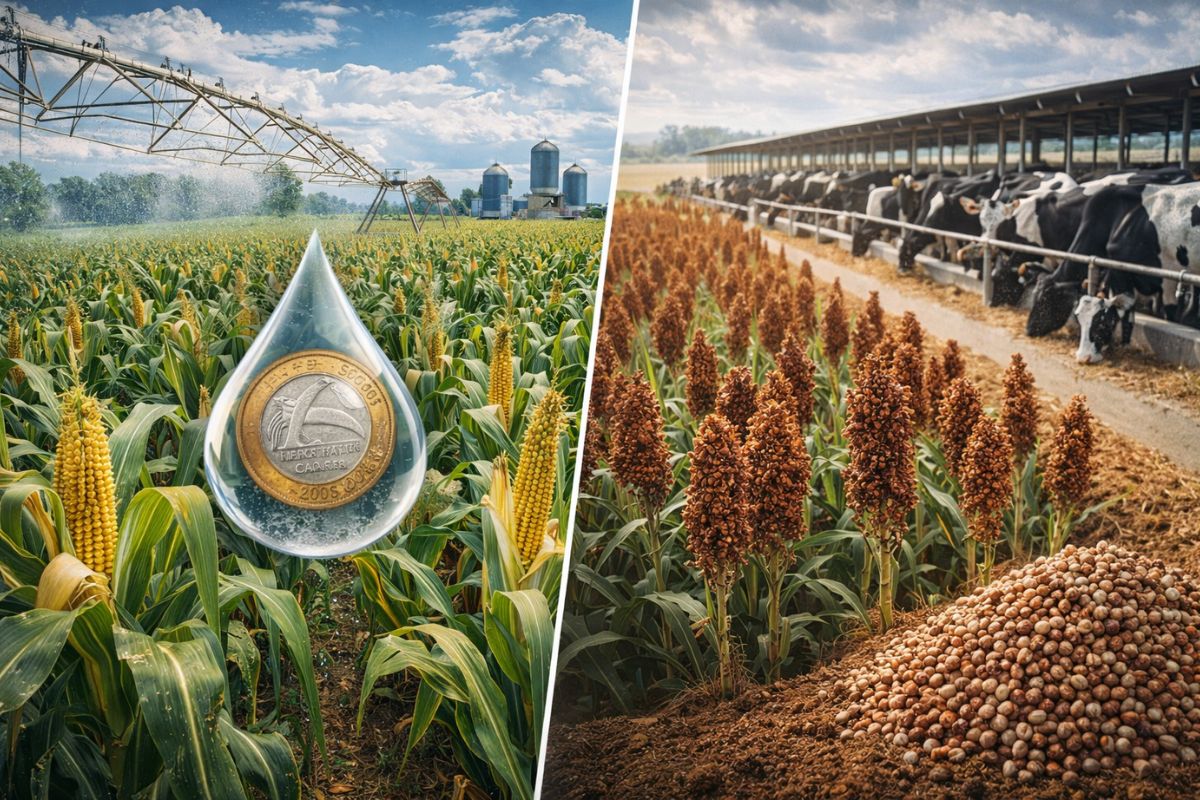
While corn requires rain and is expensive, sorghum produces almost the same volume per hectare at a cost up to 80% lower and uses less water, and it is revolutionizing dairy farming in the Triângulo Mineiro, where producers save hundreds of reais per hectare.
-
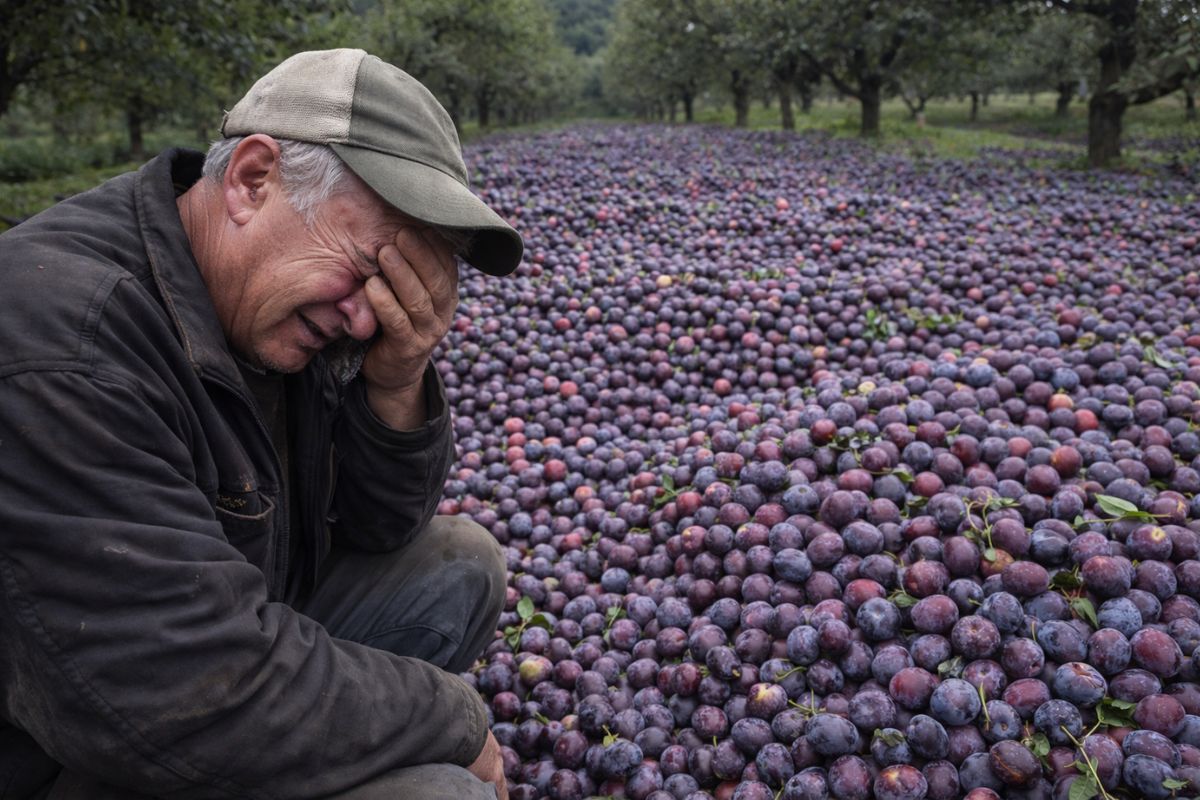
A rural producer from Urubici cries as he shows 50 tons of plums thrown on the ground because no one wanted to buy them, and in desperation, he records a video asking anyone to come to the property to pick the fruits before they rot.
-
Unable to pass through Hormuz, Brazil activated a plan B that uses Turkey as a gateway to the Middle East: the route through Gibraltar and the Mediterranean is longer and more expensive but ensures that chicken, beef, and corn continue to reach Arab markets.


With no room to expand cultivated land like Mato Grosso or Pará, the strategy was clear: vertical intensification, that is, getting the most out of each corn plant, each cow, and each irrigated hectare.
This high productivity model relies on technology, irrigation, improved genetics, and integration with the food industry.
Instead of just selling raw materials, Sergipe transformed corn, milk, fruits, and shrimp into higher-value products, reinforcing its image as a giant in agro on limited land.
Corn with the Highest Productivity in Brazil

In the harvest immediately prior to 2025, Sergipe achieved the highest grain productivity per hectare in the country, hitting 5,107 kg and leaving traditionally leading states behind.
The combination of modern seeds, precise management, and a focus on productivity also broke the barrier of 1 million tons produced using cutting-edge technology.
Green corn gained a special chapter. In the irrigated perimeters, the projected production for 2025 reached 4.5 million ears intended for the São João festivities in Northeast Brazil, ensuring pamonha, curau, and other typical dishes, along with a quick cash flow for small producers who sell directly to this booming winter market.
Milk Capital in a Semi-Arid Region
In a semi-arid region, where water is worth almost its weight in gold and logic would suggest it’s not a place for dairy cows, Sergipe turned the tables.
The area of Nossa Senhora da Glória has established itself as the “milk capital” of the state, with herds adapted to the heat and highly technified production systems.
The numbers from 2025 showed Sergipe with the second-highest milk productivity per cow in Brazil, behind only Rio Grande do Sul. In the Alto Sertão, the average reaches 3,960 liters per cow per year, almost three times the national average.
The secret lies in the high-genetic girolando cows, a result of subsidized artificial insemination programs by the state, and the intensive use of forage palm, a cactus that feeds and hydrates cattle even during drought.
The result is that the Sertão of Sergipe has ceased to symbolize hunger and has become a high-tech dairy basin, supplying factories that process this milk into cheeses, beverages, and derivatives for various regions of the Northeast.
From Farm to Supermarket: Coffee, Juice, and Giant Brands
The sergipano agro doesn’t stop at the corral or in the field. It transforms into a food industry.
One of the most consumed breakfast coffee brands in Brazil was born in the city of Lagarto: the Maratá group, which started in tobacco and today is a giant in coffee and juices, with a factory in Estância considered one of the most modern in Latin America.
Another key player is Nativille, a milk processor created in the sergipano sertão that is investing in opening new factories in other states in the Northeast, expanding the presence of the dairy industry associated with the impressive performance of the state’s dairy basins.
In fruits, Trop Fruit comes into the picture, a company working more behind the scenes: processing about 300,000 tons of fruit per year and exporting concentrated juice worldwide via the port of Salvador, consolidating Sergipe as a major agro-industrial force far beyond the gate.
Orange Belt and Truck Congestion
The orange, a symbol of Sergipe, supports a strong productive belt in the regions of Boquim and Estância.
The state is the second-largest producer of orange in the Northeast, and in 2025, it surfed the historic high of international juice prices, leading to a demand explosion and pushing factories to work at full capacity.
During the peak harvest of 2025, the routine of the cities changed: daily lines of about 200 trucks formed waiting to unload the fruit at the Estância industries.
To manage this volume, Maratá installed five new extractors and increased its capacity by over 20%, while Trop Fruit kept its lines operating at full capacity, processing hundreds of thousands of tons per year.
In practice, small Sergipe began to function as a machine for producing concentrated orange juice for export, in a logic similar to that of the gigantic state of São Paulo.
High-Tech Shrimp in Old Salt Flats
Another chapter in this story of giant of agro lies in the waters. Sergipe is now the fourth-largest shrimp producer in Brazil, having transformed estuary areas and old salt flats into high-tech shrimp farming hubs.
The star is the Carapitanga company, which operates 16 farms with over 2,000 hectares of ponds and produces around 8,000 tons of shrimp per year.
The quality is so high that this product leaves the sergipano coast with international certification and is exported primarily to demanding markets in Europe and also to the United States, far from being just a shrimp for beach kiosks.
Irrigated Rice in the Lower São Francisco
In the Lower São Francisco, the region of Propriá and Ilha das Flores has transformed into a rice-growing hub. The big challenge there is the fluctuation of the river level, which could make irrigated rice unviable.
The answer came with technology from Codevasf, the development company for the São Francisco and Parnaíba Valleys.
GIant floating electropumps were installed in the river, capable of drawing water even when the São Francisco is very low.
These pumps ensure the flooding of the fields and sustain about 90% of Sergipe’s rice production, proving that the state can produce both in dry areas and flooded areas, always with technology support.
Drones, Sensors, and the Return of Cotton
To sustain its future as a giant in agro, Sergipe bets on solutions that literally come from the sky.
With the regulation of agricultural drones, small properties that are hard to access have started using remote aircraft to spray inputs with surgical precision and lower cost, reaching places where tractors cannot go.
At the same time, the Federal University of Sergipe is developing Internet of Things sensors to monitor the thermal comfort of cows in the sertão heat, further refining the performance of the dairy basins.
And the state encourages the revival of cotton in the semi-arid region, planting new varieties to feed the local textile industry, such as Serge Fio, which completes the cycle within its own territory.
The Lesson from the Smallest State in the Country


The case of Sergipe shows that size doesn’t matter in agribusiness. With a focus on technology, productivity per hectare, integration with industry, and diversification in corn, milk, oranges, processed fruits, shrimp, and rice, the smallest Brazilian state established itself in 2025 as a true agro giant in production and efficiency.
Did you already imagine Sergipe as an agro giant, or do you still associate the heart of Brazilian agriculture only with states like Mato Grosso, Goiás, and Paraná?









É pra comemorar. Com esses números vai se tornar o primeiro estado nordestino a escapar da maléfica influência da esquerda que, como praga, só cresce no campo da miséria e da ignorância.
Esse é o meu Sergipe mostrando para o Brasil a sua grandeza
Sou sergipano e conhecendo a capital que foi Planejada uma das primeiras do Brasil , não é surpresa o Estado está se destacando em outros setores como o agro