





 Portuguese
  English
  Spanish
  3 min of reading
  0 comments


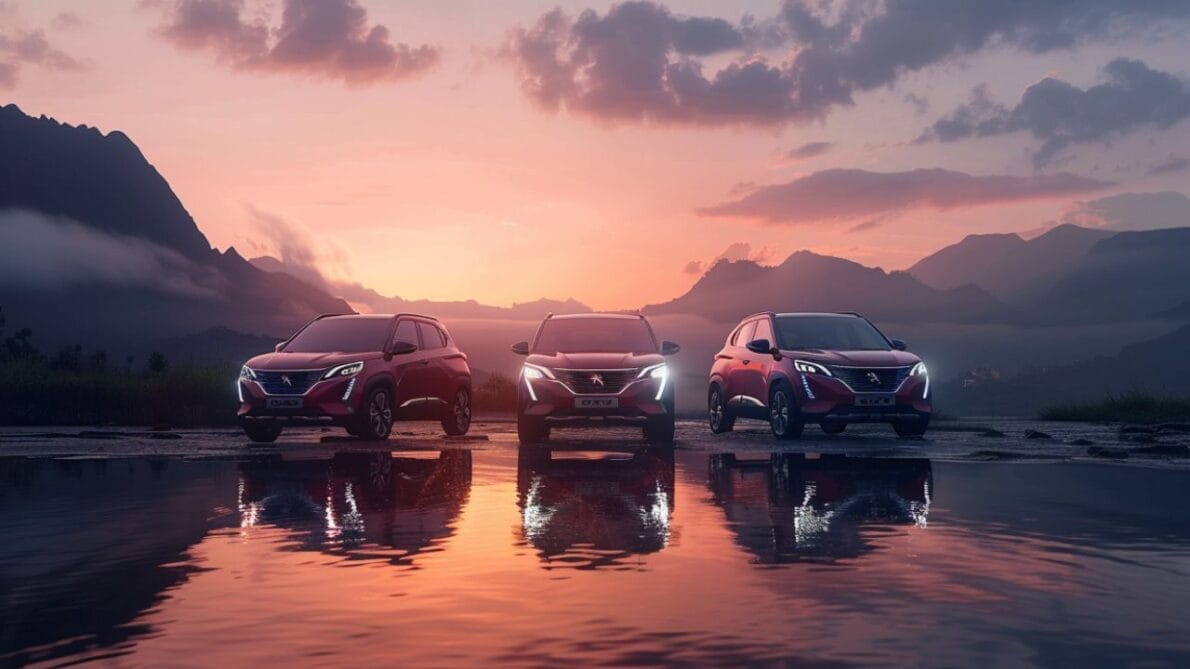
With The Automotive Market Booming, Brazil Is Preparing To Welcome A New Wave Of Mini SUVs In The Next Two Years, Including Anticipated Launches From Brands Hyundai And Renault.
The market for compact SUVs in Brazil is set to receive a series of new models that promise to shake up the automotive sector in 2024 and 2025. Among the most anticipated launches are the Hyundai Creta 2025, the second generation of the Peugeot 2008, and the new generation of the Renault Duster. These vehicles bring innovations in design, technology, and powertrains, reflecting the latest global trends and adapting to the demands and preferences of local consumers.
Each of these models has distinct features that promise to meet different consumer profiles. The Hyundai Creta is refreshed with a global visual language and a new engine configuration, promising to maintain its leadership in the segment. The Peugeot 2008 arrives in its second generation with promises of revolutionary design and more powerful engine options. Lastly, the Renault Duster is revamped to offer even more comfort and style while staying true to its rugged reputation.
Hyundai Creta 2025


The compact SUV segment, one of the most competitive in the Brazilian automotive market, promises news for 2024 and 2025. Among the highlights is the Hyundai Creta 2025, which comes with a complete redesign. This SUV, already a sales phenomenon in the country, features a new global visual language from the brand, with full LED headlights and taillights and an updated mechanical configuration, notably a 1.5 Turbo engine with 165 horsepower. Its arrival is expected next year, raising consumer and expert expectations.
-
Engineers propose a fourth traffic light for intersections – the change promises to affect crossings, queues, and waiting times.

-
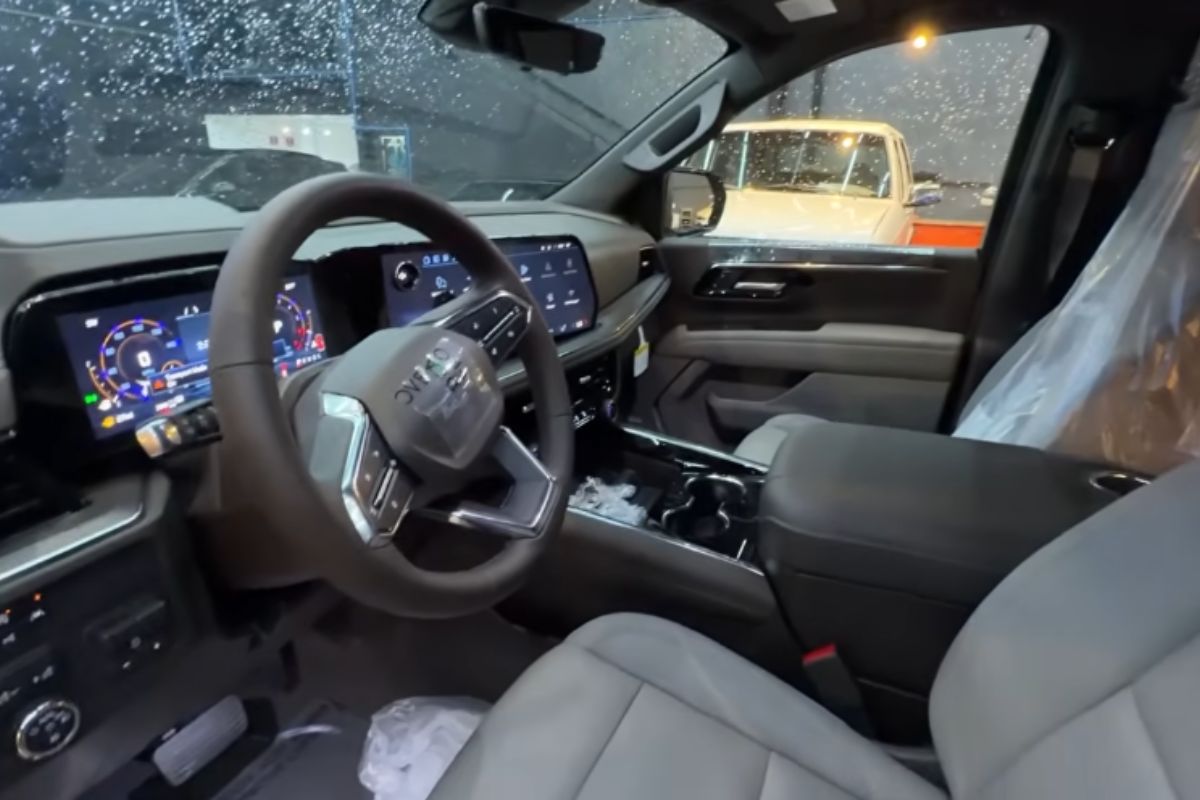
Chevrolet Suburban Z71 lands in Brazil with a V8 engine, off-road design, air suspension, seven seats, and colossal size, a rare version imported for around R$ 1.3 million with luxury and exclusivity.
-
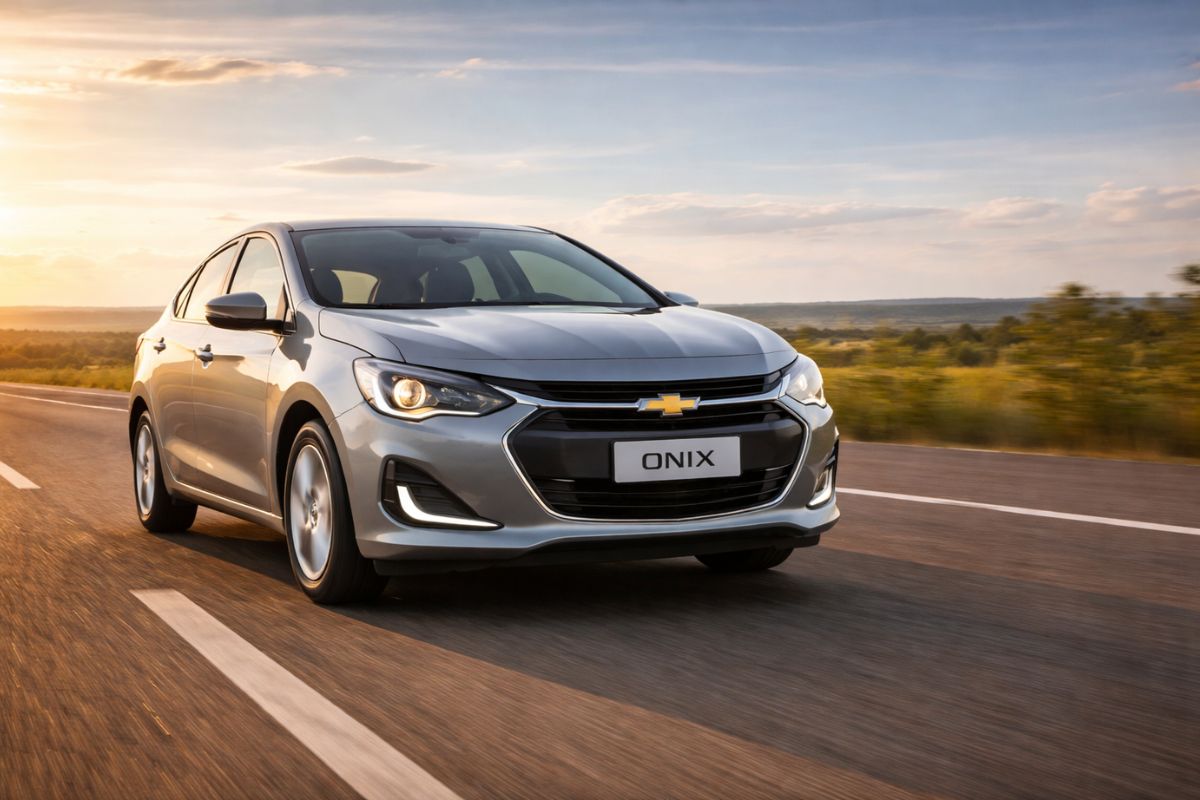
The Chevrolet Onix 1.0 turbo achieves 17.7 km per liter on the highway and ranks among the three most economical cars in Brazil in 2026, alongside two more expensive Toyota hybrids available at dealerships.
-
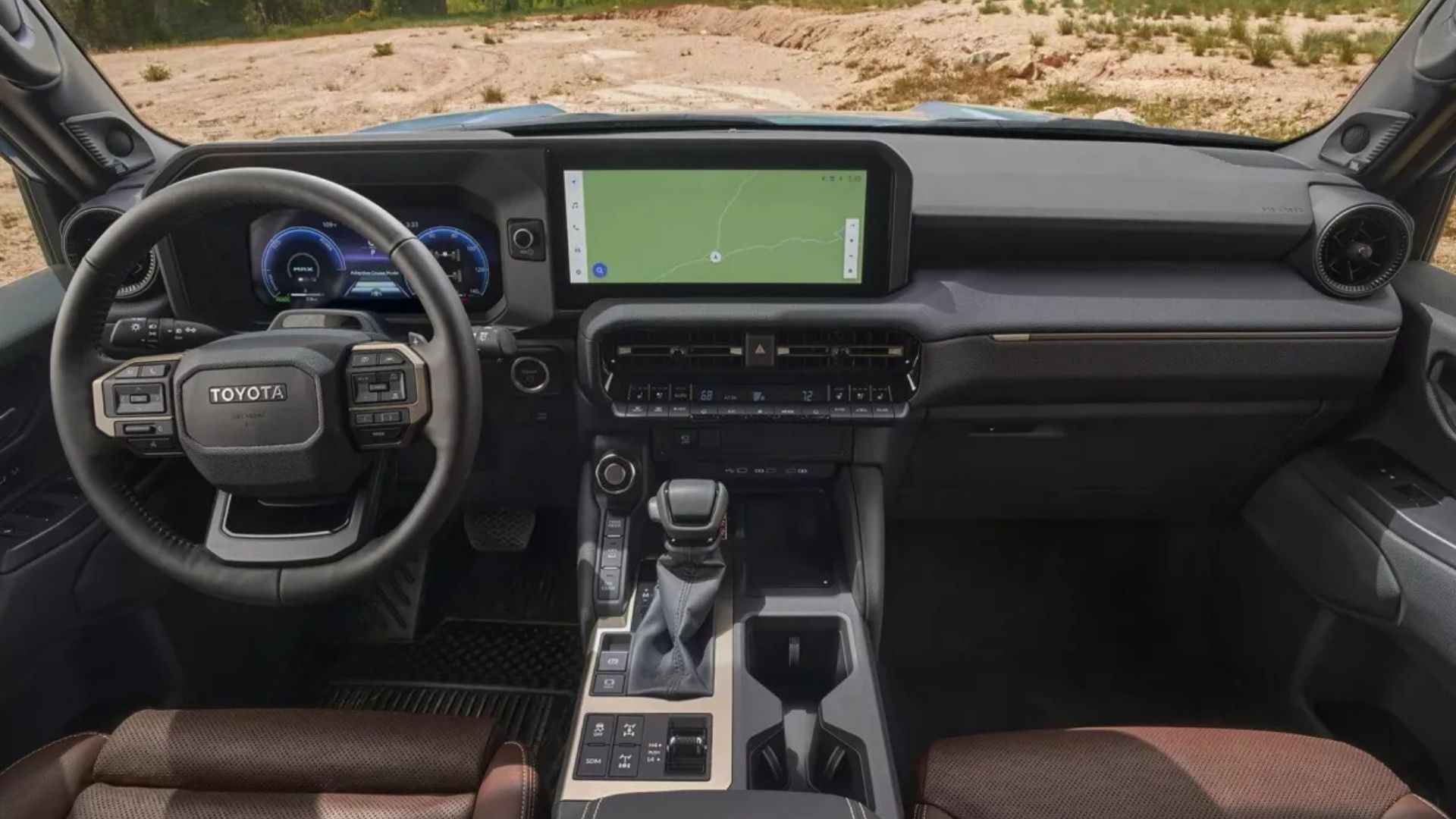
Little sister of the Hilux: Toyota launches Land Cruiser FJ with 4 radical versions, 2.7 engine with 166 hp and 4×4 traction with locking.

Second Generation Of The Peugeot 2008
The Brazilian market is also looking forward to the launch of the second generation of the Peugeot 2008, produced in Argentina. This model stands out for its aesthetics and performance, with options for 1.0 and 1.3 Turboflex engines, promising to be one of the most complete and attractive compact SUVs in its category. According to Autoesporte, the model is expected to launch in Brazil in mid-2024 as a 2025 line and with rivals like the Renault Kardian in sight.
Renault Duster
Finally, the Renault Duster has also undergone a significant update in Europe. The third generation, already available in Europe, will arrive in Brazil with improvements in design and finish. The car has become truly more attractive. Enthusiasts expect to maintain the robust 1.3 Turboflex engine, known for its efficiency and performance. According to Jornal do Carro, the model is expected to debut in Brazil by 2025.
The arrival of these new compact SUV models in Brazil reflects the dynamic and growing competitiveness of the automotive market. Each launch brings significant technological advancements and adaptations to local consumer trends and tastes, promising to further boost the sector in the coming years.
Why Does Brazil Love SUVs So Much?
In Brazil, the preference for SUVs can be explained by a series of factors that go beyond merely choosing a car, becoming part of a cultural and practical decision. According to data from Fenabrave, SUVs represented nearly 46% of new vehicle sales in the country in 2023, a significant increase compared to previous years. This popularity is driven by the versatility and space these vehicles offer, suitable for large families and for transporting more passengers and cargo—characteristics valued in Brazil. SUVs are perceived as safer due to their robust construction and elevated driving position, a crucial aspect in a country with high rates of traffic accidents.
Another aspect influencing the choice of SUVs in Brazil is the suitability of these vehicles for varied road conditions. They are ideal for tackling everything from well-paved urban roads to more challenging rural roads, thanks to their higher ground clearance and off-road capabilities. This, combined with the attractive design and the sense of status an SUV conveys, creates a strong appeal for Brazilian consumers. Tax incentives and government policies, such as reductions in IPI for larger vehicles during certain periods, also contribute to making SUVs an economically viable and desirable option, solidifying their position in the automotive market nationally.









Seja o primeiro a reagir!