





 Portuguese
  English
  Spanish
  4 min of reading
  13 comments


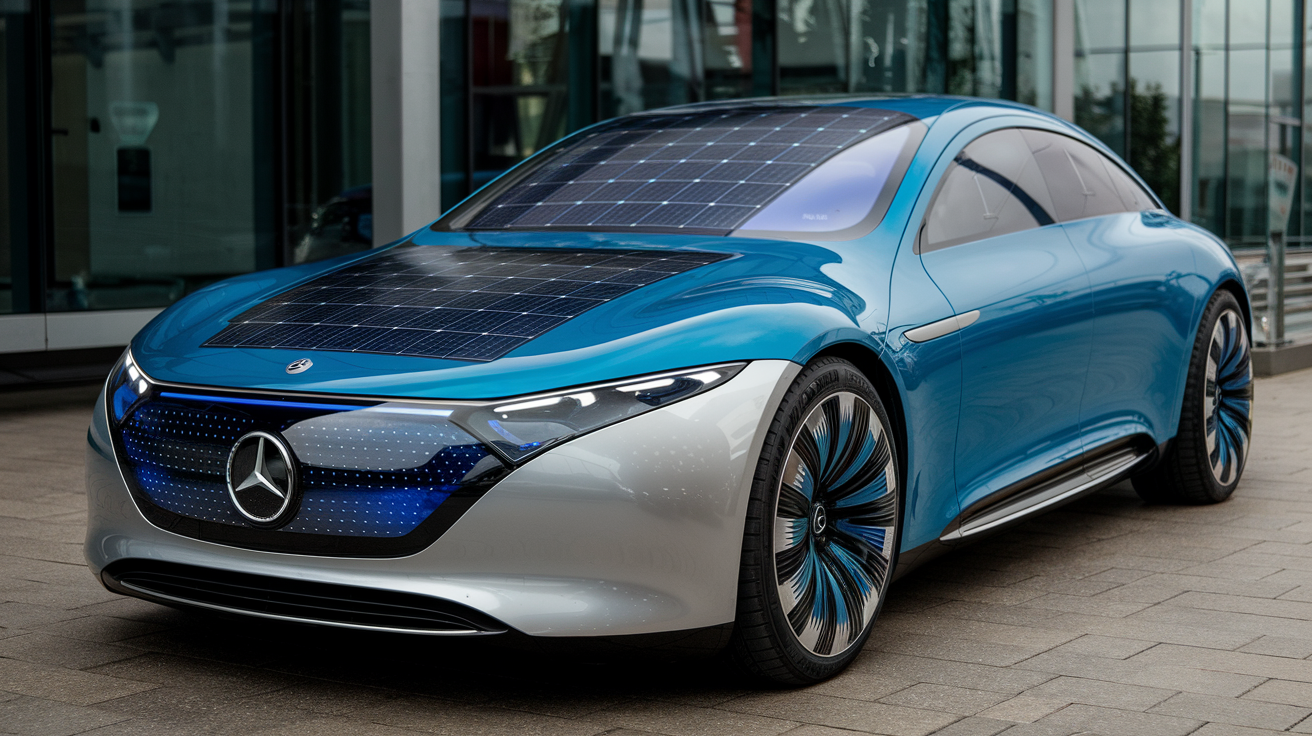


German Manufacturer Presents Innovative Concept of Photovoltaic Coating, Reinforcing Its Commitment to Sustainability and Pointing to a Future of Solar-Powered Cars.
Mercedes-Benz is once again breaking barriers in the pursuit of more sustainable and innovative technologies. This time, the German automaker presented a revolutionary concept that promises to change the game: solar paint, a photovoltaic coating that transforms sunlight into energy. This bold idea not only reinforces Mercedes-Benz’s commitment to sustainability but also points to a future where solar energy will be directly integrated into the vehicles’ bodywork.
What is Solar Paint by Mercedes-Benz?
Solar paint is a photovoltaic coating developed to capture and convert sunlight into usable energy. Made with an ultra-thin layer of just 5 micrometers — comparable to the thickness of a bacterium — this technology can be applied to virtually any exterior surface of a vehicle. It is protected by a special layer of nanoparticle-based paint that allows 94% of solar energy to pass through the surface to be captured by the solar modules.
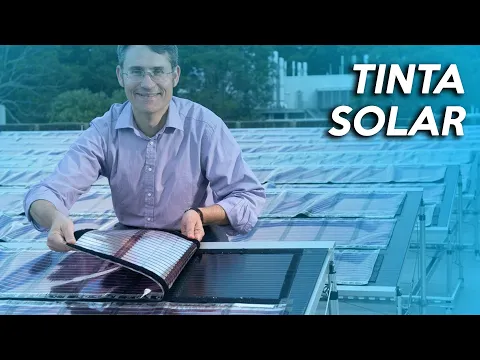

This innovation allows the coating to be lightweight, weighing only 50 grams per square meter, and highly efficient, with a conversion rate of 20%. To give an idea, an average vehicle with 11 m² of surface covered by this paint can generate enough energy to travel up to 12,000 km per year, depending on the solar incidence in the region.
-
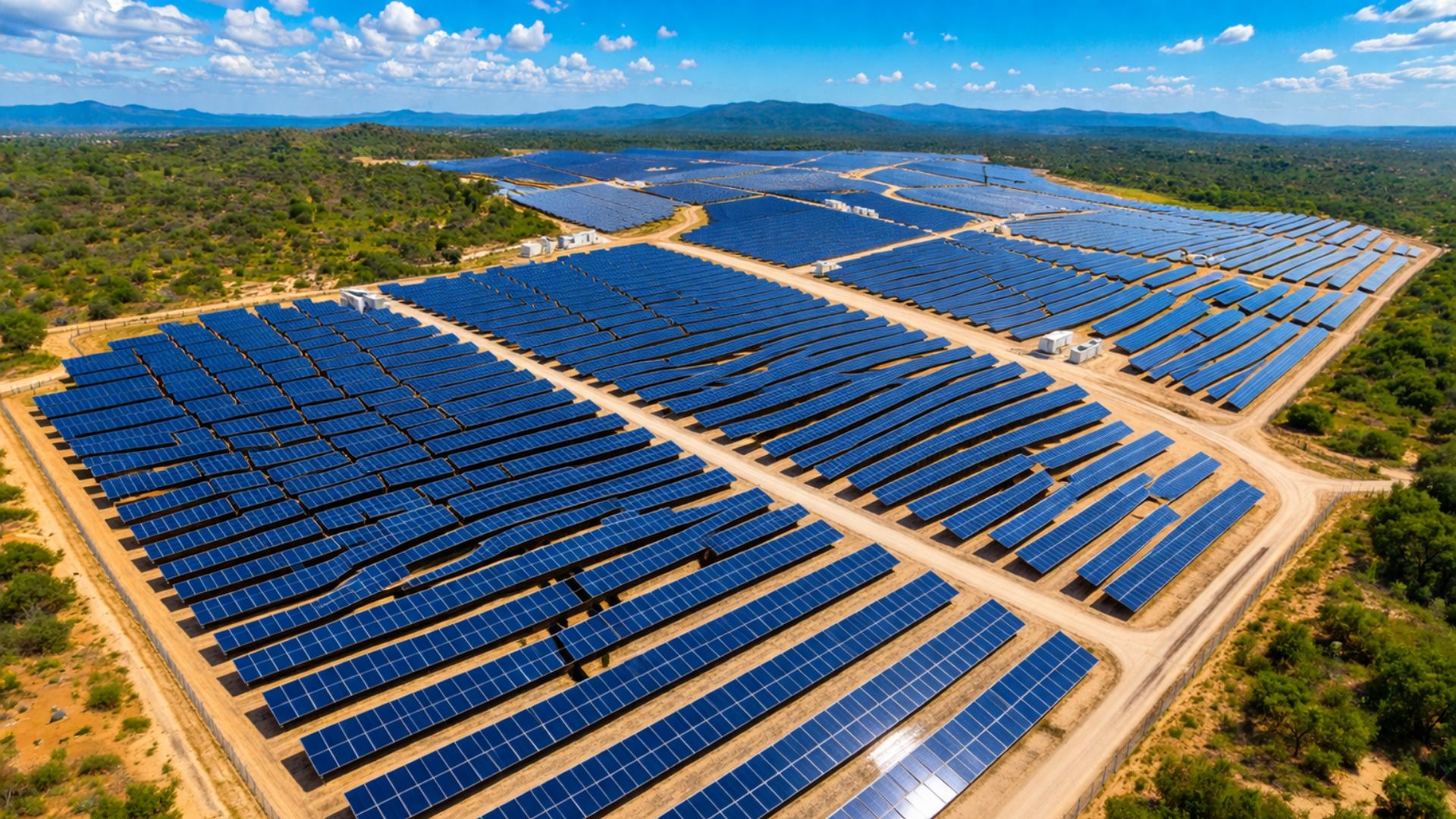
The Sol do Agreste Photovoltaic Complex begins operations in Pernambuco and accelerates the expansion of solar energy in Brazil, directly impacting the reduction of emissions and strengthening the sustainable energy matrix.
-
OMODA & JAECOO grows in Europe in 2026 with an integrated strategy of sales, innovation, local production, and technological advancement in the United Kingdom, Italy, and Spain.

-
OMODA & JAECOO expands after-sales service in Brazil with competitive maintenance, a 7-year warranty, and high availability of parts for technological SUVs.
-
OMODA & JAECOO appoints Alessandra Souza as executive marketing director in Brazil and accelerates brand expansion with a focus on innovation, networking, and hybrid portfolio.


A New Step for Mercedes-Benz in Solar Energy
Mercedes-Benz is no newcomer when it comes to solar energy. A few years ago, the company partnered with the Fraunhofer Institute for Solar Energy Systems ISE to develop a solar roof for the Vision EQXX concept, using silicon cells. But solar paint represents an even more impressive advancement. Unlike traditional solar roofs, it is cheaper to produce, does not use silicon or rare earth elements, and is made with non-toxic, recyclable raw materials.
This means that, in addition to being sustainable, Mercedes-Benz’s solar paint could be an economically viable solution to democratize the use of solar energy in the automotive sector.
Solar Paint in Action: Examples of Efficiency
Mercedes-Benz tested the potential of solar paint in two real-world scenarios: Stuttgart, Germany, and Los Angeles, USA. In Stuttgart, where the sun is not as generous as in warmer regions, the technology was able to supply 62% of the energy needed to cover the daily 52 km that a vehicle of the brand typically travels in the area.
In Los Angeles, with more favorable solar incidence, a car with solar paint can cover 100% of its daily travels using only the energy captured from sunlight.
These results show how solar paint can make a significant difference, especially in areas with high solar radiation, reducing dependence on traditional energy sources and making vehicles more self-sufficient.
Sustainability and Innovation Go Hand in Hand
Sustainability is an essential pillar in the development of this technology. Mercedes-Benz emphasized that solar paint contains no toxic materials and is fully recyclable, standing out as an ecological alternative to conventional solar modules. Furthermore, the energy efficiency of the coating contributes to reducing the carbon footprint of vehicles.
Another important point is the flexibility of application. Since the coating can be adapted to different shapes and angles, it offers almost unlimited design possibilities for cars, maintaining the brand’s signature visual appeal.
The Future of Solar-Powered Cars
Although still in the feasibility testing phase, Mercedes-Benz’s solar paint signals a promising future for the automotive sector. With it, not only can the consumption of fossil fuels be drastically reduced, but also the dependence on electrical grids to charge high-voltage batteries. For consumers, this represents significant savings in the long run and a more sustainable driving experience.
This technology could pave the way for applications in other sectors, such as public transport vehicles, trucks, and even vessels, further expanding the positive impact of solar paint on the use of renewable energy.
Mercedes-Benz Reasserts Its Leadership in Innovation
Mercedes-Benz has always been synonymous with innovation in the automotive market, and solar paint is yet another example of how the brand continues to invest in pioneering solutions.
By integrating technologies such as solar energy, augmented reality, and recycled materials into its designs, the company not only reinforces its commitment to sustainability but also leads the way toward a cleaner, more efficient future.
As we await the next advances of this revolutionary technology, one thing is certain: Mercedes-Benz’s solar paint is a milestone that could transform the automotive sector and inspire other manufacturers to follow suit. After all, when the sun becomes fuel, the future looks much brighter.








20% é mais do q a eficiência da maioria dos painel a venda, que costuma ser 17%. Os melhores tão entre 20-22%.
20% com uma tinta leve e mais barata que os painéis seria algo revolucionário. Queria saber quanto é a durabilidade, se tbm for boa, poderia substituir os painéis em vários lugares além dos carros
Enfim uma notícia alentadora. Vejo boas perspectivas para está tecnologia.
Que venha logo o planeta agradece