





 Portuguese
  English
  Spanish
  4 min of reading
  0 comments


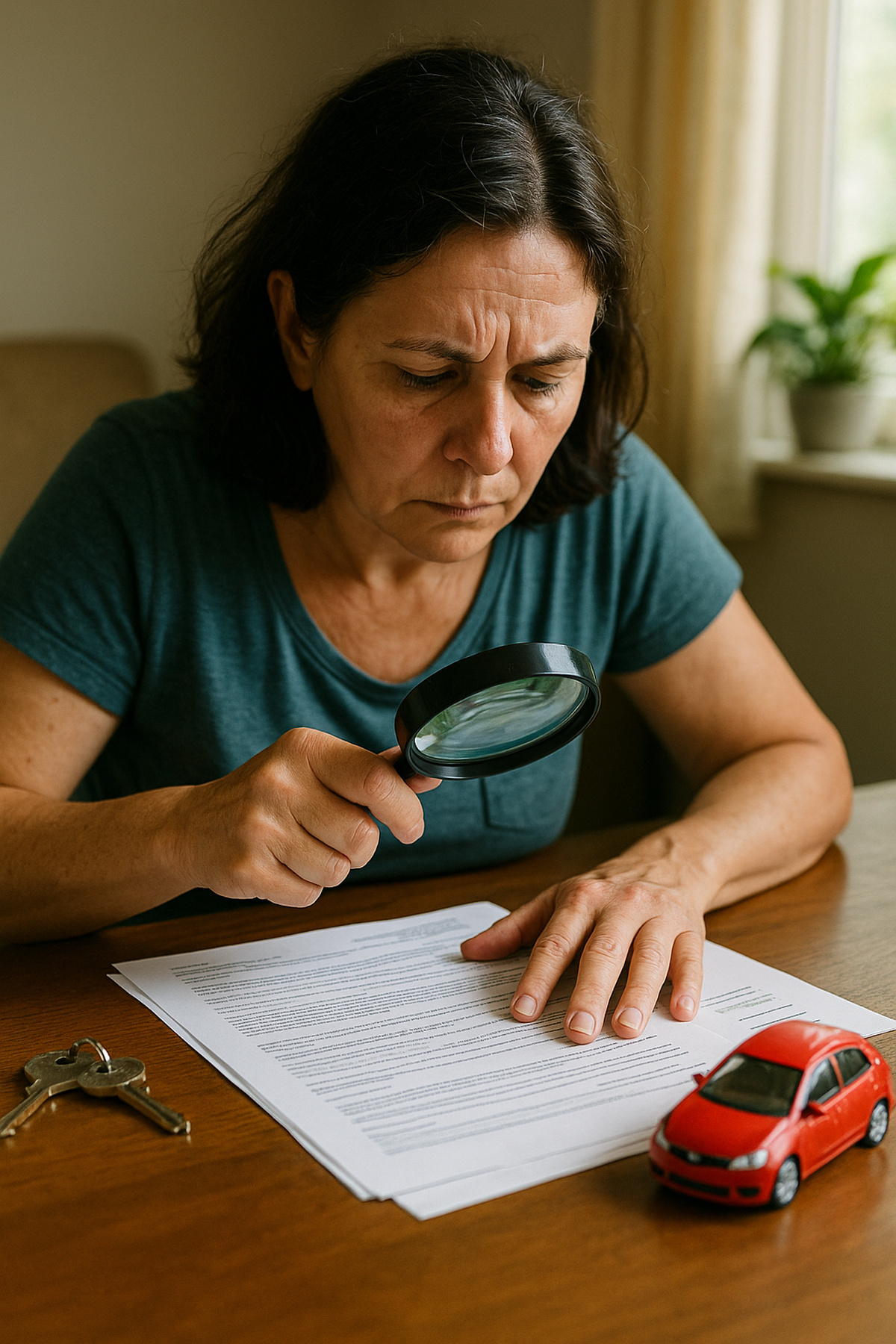
Benefit Guarantees Minimum Income for Seniors and Persons with Disabilities, and INSS Clarifies When Asset Ownership Does Not Prevent Receipt
The Continuous Cash Benefit (BPC), provided for in the Organic Law of Social Assistance (LOAS), is one of the main policies of social support in Brazil. Created in 1993, it guarantees a monthly minimum wage to seniors over 65 years old and persons with disabilities who cannot support themselves or rely on family financial support.
According to the Ministry of Development and Social Assistance (MDS), over 5 million Brazilians currently depend on the BPC to live with dignity. However, many still believe that owning a home or car prevents the receipt of benefits, which is not true in all cases.
Income Criteria Defines Vulnerability
To be entitled to BPC/LOAS, the monthly family income per person must be equal to or less than ¼ of the minimum wage, which is R$ 379.50 at current values. The calculation considers all incomes in the household divided by the number of residents.
-
The Senate approves a bill that criminalizes misogyny, hatred, or aversion towards women, and includes the crime in the Racism Law with a penalty of up to 5 years.

-
Chamber Approves Bill That Allows Pepper Spray for Women Over 16 and Imposes Strict Rules for Purchase, Possession, and Use as Self-Defense

-
Chamber Approves Law to Combat Leucaena, Fast-Growing Plant That Dominates Land and Threatens Native Species in Various Regions of the Country

-
Asset Division: Know What Cannot Be Divided in Case of Divorce


However, the INSS can make exceptions when there is proof of social vulnerability, even if income exceeds the limit. This assessment is done on a case-by-case basis, based on social reports and home visits.
Additionally, benefits such as Bolsa Família and Auxílio Brasil do not count towards family income. Essential expenses, such as medications, disposable diapers, special diets, and private medical consultations backed by reports and receipts, can also be deducted.
Owning a Home or Car Does Not Eliminate the Right to Benefits
One of the biggest misconceptions about the BPC is believing that owning basic assets, such as a home or a vehicle, automatically nullifies the right to benefits.
In practice, owning a home does not prevent access to the BPC, as housing is considered an essential asset for survival. Thus, even if the beneficiary owns a simple property, they can still be classified as in a situation of economic vulnerability.
The same applies to automobiles. The INSS analyzes the context of the asset — such as value, type of use, and necessity. For persons with disabilities, for example, a car is often indispensable for mobility, especially in areas with limited urban accessibility.
Therefore, owning a home and car does not automatically mean losing the right to BPC/LOAS, as long as the applicant proves insufficient income and maintains verified social vulnerability.
How INSS Proves Social Vulnerability
During the analysis process, the INSS requires detailed documentation: proof of medical expenses, health reports, denials of provision by SUS, and social declarations. Additionally, social workers may conduct home visits to assess the family’s actual conditions.
These measures ensure transparency and fairness in granting benefits, preventing fraud and ensuring that aid reaches those who truly need it.
The MDS announced that, with the data cross-checking between CadÚnico and the Federal Revenue, there will be periodic reviews to keep the registry updated and reduce the waiting time for applications.
Economic and Social Importance of the Benefit
The BPC/LOAS is recognized as an essential tool in combating extreme poverty in the country. In times of rising living costs and persistent inflation, the benefit guarantees minimum income stability for millions of families.
Studies by the Institute of Applied Economic Research (IPEA) indicate that each real invested in social assistance generates R$ 1.78 in economic return, driving local commerce and strengthening the economies of poorer communities.
Furthermore, the benefit does not require social security contributions, making it accessible to informal workers and the unemployed, who often find themselves on the margins of the traditional social security system.
What to Expect from Upcoming Updates
With the modernization of systems and advancements in digital tools, the INSS aims to speed up the analysis of requests, reducing the average time to up to 30 business days. This digitalization seeks to make the process faster and more accessible, without compromising the criteria of transparency and technical rigor.
In conclusion, experts warn that the country’s challenge is to maintain a balance between fiscal sustainability and social justice, ensuring that the benefit continues to reach those in greatest need — even when beneficiaries possess basic assets such as a property or a personal vehicle.
And you, do you believe that BPC/LOAS should expand its criteria to include more families in situations of vulnerability?










-

-

-

-

-

-

41 pessoas reagiram a isso.